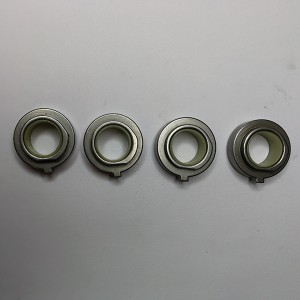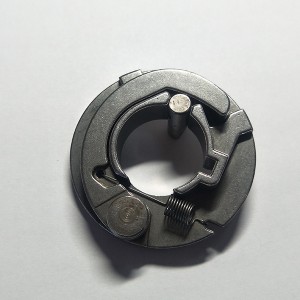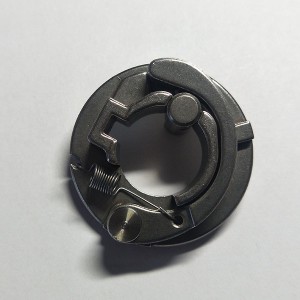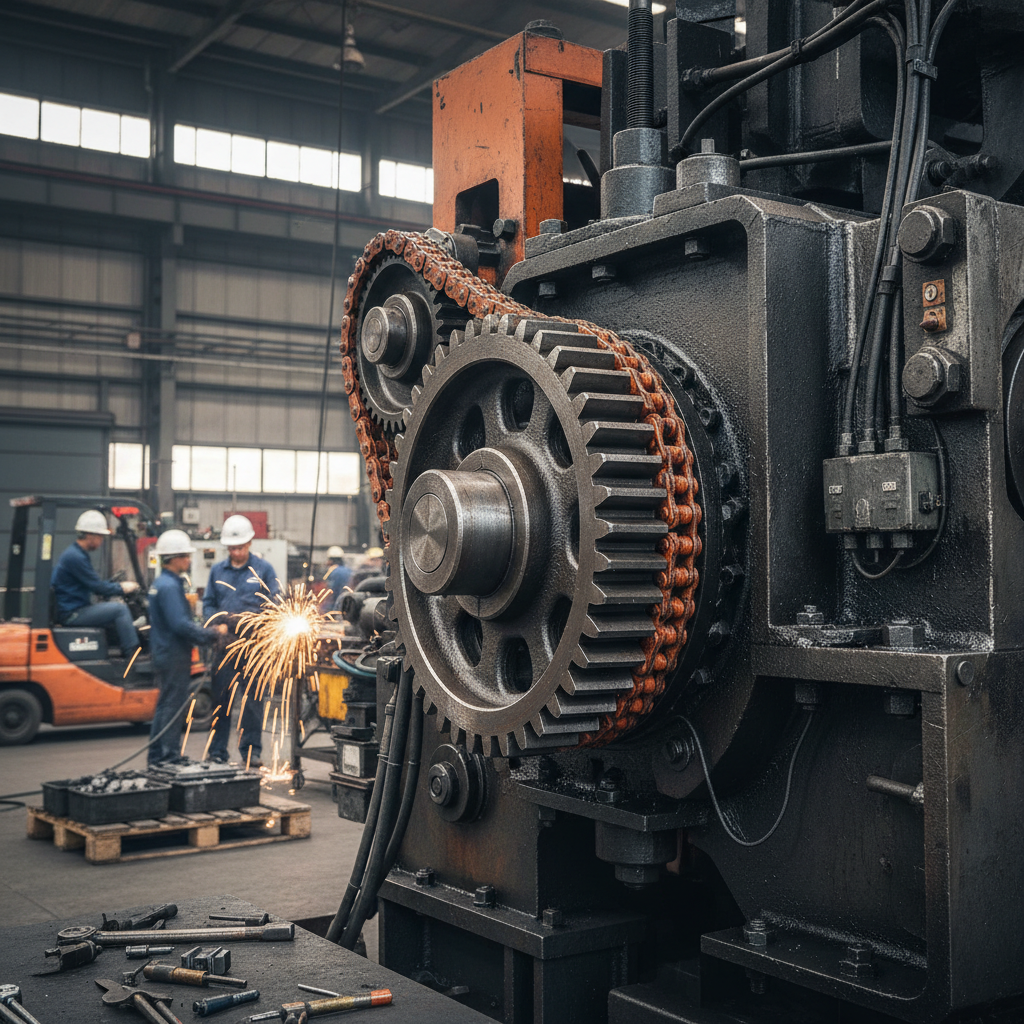





A Practical Guide to Modern Pump Hardware: Why Sintered [pump plates] Matter
If you maintain engines for a living, you already know the humble oil pump can make or break an overhaul. And the components inside it—rotor, ring, and what many mechanics casually call [pump plates]—carry the real workload. Lately, I’ve been watching a quiet shift: more OEMs and Tier-1s are leaning on powder metallurgy to deliver ultra-consistent parts at scale. Honestly, it makes sense.
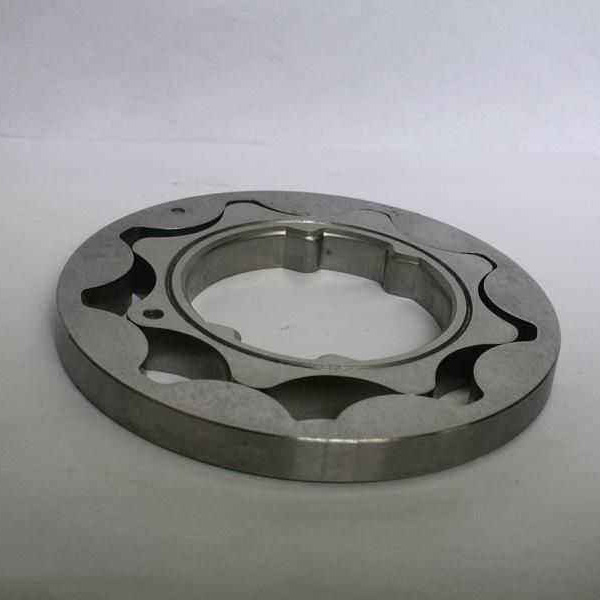
Headline Product: OEM Nissan Sintered Oil Pump Rotor and Ring
From TIANSHAN INTERNATIONAL MANUFACTURING INDUSTRY PARK NO.57, YUANSHI, SHIJIAZHUANG CITY, HEBEI, CHINA, this OEM-grade set gets a lot of attention in aftermarket and service circles. Brand: OEM. Certificates: ISO9001/TS16949. Production capacity is quoted at ≈100,000 pcs/month—plenty for fleet support and dealer programs. Many customers say the consistency is the draw; you install it, it seats, and you get predictable pressure curves.
At-a-Glance Specifications
| Material Standard | SMF Series; F, FC, FN iron-based PM grades |
| Density | 6.0–7.9 g/cm³ (≈, real-world use may vary) |
| Hardness | HRA 45–79 |
| Tensile / Yield | Up to 1250 MPa / 700 MPa (max) |
| Weight | Standard ≈500 g; custom 1 g–1.5 kg |
| Surface Treatment | Steam oxidation, oil impregnation, polishing |
| Appearance | No crumbling, cracks, exfoliation, voids, or pitting |
| Inspection | 100% full inspection |
Process Flow (What Actually Happens)
- Materials: SMF-series iron powders with graphite/copper for FC/FN variants.
- Compaction: Precision die pressing to hit target density and geometry.
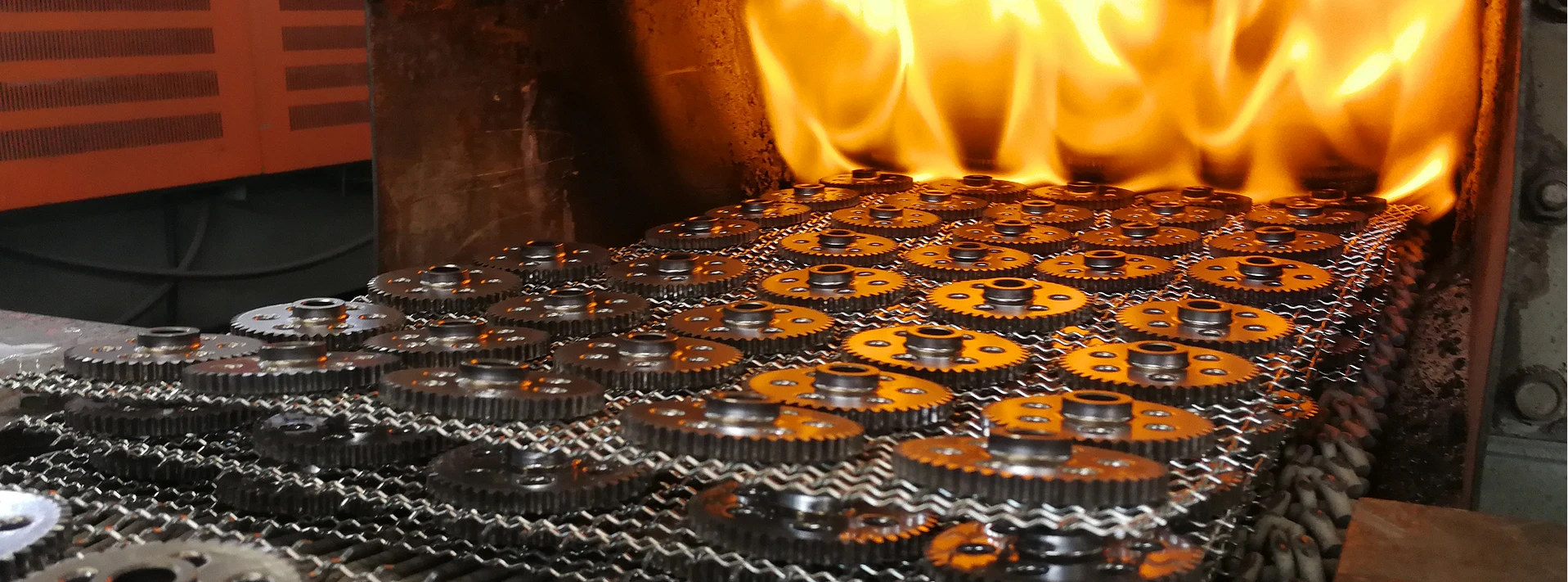
- Sintering: Controlled atmosphere furnace per PM standards for bond integrity.
- Sizing/Finishing: Calibration, deburr, polishing for smooth pump clearances.
- Treatments: Steam oxidation for wear/corrosion; oil impregnation for startup lubrication.
- Testing: Dimensional CMM checks, hardness, density; batch tensile tests; visual per ISO/MPIF guidelines. Some lots add balance checks for rotors.
Service life? It depends on oil quality and duty cycle, but in mixed fleet maintenance I’ve seen sintered [pump plates] run ≈8,000–12,000 engine hours (or 200k–300k km) without drama when paired with proper filtration. Your mileage may vary, of course.
Where They’re Used
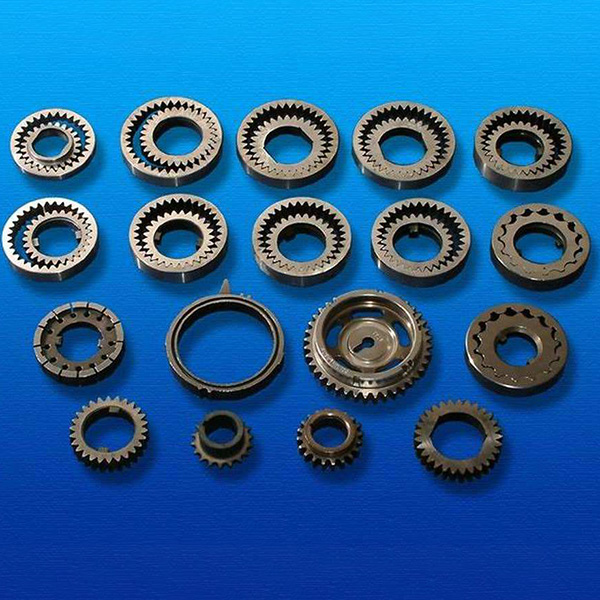
Automotive oil pumps (Nissan platforms in particular), light industrial hydraulics, and even some ag equipment that favors low-noise, high-volume pumps. Surprisingly, a few performance tuners prefer PM rotors for repeatability during blueprinting.
Vendor Snapshot (What Buyers Compare)
| Vendor | Process | Certs | MOQ | Lead Time | Customization | Price Band |
|---|---|---|---|---|---|---|
| JSSintering (Hebei, CN) | PM sintered, steam-oxidized | ISO9001, TS/IATF 16949 | Around 500–1,000 pcs | ≈4–6 weeks | Weight, density, profile | Value-tier OEM |
| Supplier A (EU) | PM + post-machining | IATF 16949 | 1,000+ pcs | 6–8 weeks | Tight profile control | Mid–high |
| Supplier B (US) | MIM/PM hybrid | IATF 16949 | Custom | 8–10 weeks | Material chem, coatings | High |
Customization and Quality Notes
Weight options from 1 g to 1.5 kg give engineers room to tune inertia and flow ripple. The vendor states 100% inspection; in my notes that typically includes hardness sampling, porosity checks, and dimensional control against CMM programs. Certificates: ISO9001 and TS/IATF 16949—necessary if you’re funneling parts into automotive programs.
Case Study (Condensed)
A regional fleet rebuilt a batch of Nissan oil pumps using these [pump plates] and matched rotors/rings. Feedback after 60,000 km: quicker hot-idle pressure recovery and, interestingly, a slight reduction in pump whine. One maintenance chief told me, “It just feels smoother on cold starts,” which aligns with oil-impregnated PM behavior.
Standards and References
- MPIF Standard 35: Materials Standards for PM Structural Parts.
- ISO 5755: Sintered metal materials—Specifications.
- IATF 16949: Automotive Quality Management Systems (successor to TS 16949).
- ASTM B783: Standard Specification for PM Iron Mechanical Properties.
- ISO 21940 series: Rotor balance quality requirements.