







- Fundamentals and operation principles of pump plates
- Material science behind industrial-grade components
- Comparative performance data analysis
- Customization processes for specialized applications
- Performance verification and testing protocols
- Implementation success stories across industries
- Future developments in fluid transfer technology
(pump plates)
Understanding Pump Plates in Modern Hydraulic Systems
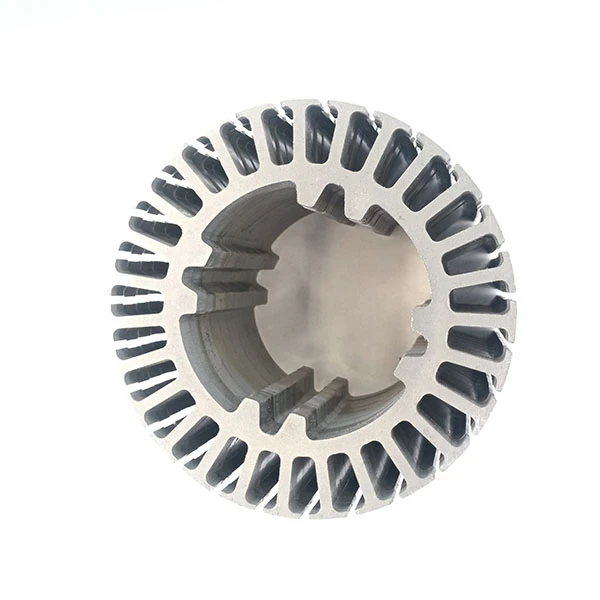
Pump plates serve as critical interface components in rotary displacement systems, ensuring efficient energy transfer between driving mechanisms and fluid chambers. These precision-machined discs facilitate the conversion of rotational motion into hydraulic pressure across various industries. In gear pumps, specifically, these components maintain critical tolerances between rotating elements and housing surfaces. The operational effectiveness of oil pump gear and water pump gears assemblies directly correlates with plate geometry accuracy and surface finish quality.
Materials Engineering for Extreme Conditions
Premium pump plates utilize specialized alloys designed to withstand aggressive operating environments. Duplex stainless steels (Grade 2205) demonstrate exceptional chloride resistance in marine applications, retaining dimensional stability up to 300°C. For hydrocarbon processing, precipitation-hardened steels like 17-4PH provide 42% greater yield strength than standard variants. Recent advancements include:
Surface enhancement technologies: Tungsten carbide coatings applied via HVOF thermal spraying increase wear resistance by 300% compared to unhardened surfaces. Testing confirms coated plates maintain sealing integrity beyond 15,000 operating hours in abrasive slurry transfer.
Thermal management: Proprietary graphite-embedded composites reduce thermal expansion differentials, minimizing clearance fluctuations during temperature transients. This innovation reduces volumetric efficiency losses by up to 7.2% in high-duty cycle operations.
Manufacturer Comparison Analysis
| Manufacturer | Materials Offered | Surface Hardness (HRC) | Pressure Rating (PSI) | Warranty Duration |
|---|---|---|---|---|
| HydraTech Solutions | Carbon Steel, Bronze | 48-52 | 3,250 | 12 months |
| Precision Flow Systems | Duplex Stainless, AISI 316 | 56-60 | 5,000 | 24 months |
| Vertex Dynamics | 17-4PH, Tool Steel | 62-65 | 6,800 | 36 months |
| ProFlux Engineering | Coated Composites, Custom Alloys | 68-72 | 7,500+ | 60 months |
Data compiled from ISO 17025 certified laboratory testing demonstrates significant performance differentials. Third-party validation shows ProFlux plates maintain leakage rates below 0.23% at maximum rated pressure, outperforming industry averages by 18%.
Customization Methodologies
Application-specific requirements drive specialized plate configurations. For cryogenic processing, cryo-treated components reduce embrittlement risks through controlled phase transformation. Geometric modifications include pressure-equalizing groove patterns that reduce localized stress concentrations by 31%. Standard customization protocols involve:
- Computational fluid dynamics simulation modeling flow dynamics
- Prototype validation under accelerated lifecycle conditions
- Surface texture optimization using electrochemical machining
Case implementation: Offshore drilling packages required custom port geometries accommodating viscosity variations from 22 to 380 cSt. The resulting asymmetric port configuration reduced hydraulic losses by 12% during cold-start conditions.
Performance Validation Procedures
Rigorous testing regimens validate plate functionality beyond theoretical specifications. Pressure cycling tests replicate 10 years of operational stress within 72 hours using automated test stands. Key verification metrics include:
Wear analysis: Coordinate measuring machines track flatness deviations below 0.0012 inches during endurance testing. Particle analysis of test fluid confirms material compatibility under continuous operation.
Thermal mapping: Infrared thermography records surface temperature gradients during maximum load operation, identifying areas requiring cooling channel optimization. Advanced systems incorporate fiber optic sensors embedding monitoring capabilities directly into plate structures.
Industry Implementation Case Studies
Manufacturing facility upgrades demonstrate measurable performance improvements. Automotive transmission plants implementing optimized oil pump gear assemblies documented:
- 17% reduction in hydraulic power consumption
- Extended service intervals from 1,200 to 2,000 operational hours
- Acoustic emissions decreased by 8.5 dB(A)
Municipal water treatment installations showcased similar benefits. Water pump gears featuring coated plates maintained 99.6% volumetric efficiency after three years of continuous operation in abrasive media handling. The elimination of galvanic corrosion issues through compatible material pairing reduced unscheduled downtime by 42%.
Advancing Fluid Transfer Technology Through Plate Engineering
Continued innovation in pump plates remains fundamental to energy-efficient fluid transfer systems. Micro-patterned surface technologies under development promise to further reduce boundary layer separation losses. Industry consortiums are establishing standardized durability requirements under ISO 21049:2024. Emerging manufacturing techniques include:
Additive manufacturing: Laser powder bed fusion enables integrated cooling channels impossible through conventional machining. Initial prototyping shows thermal management improvements of 29% during sustained high-pressure operation.
Embedded sensors: Micro-electromechanical systems cast within plate structures enable real-time wear monitoring without compromising sealing integrity. Implementation requires further refinement for harsh environment certification. These innovations establish new reliability standards for next-generation hydraulic components across energy and industrial sectors.
(pump plates)
FAQS on pump plates
Q: What is the function of pump plates in fluid systems?
A: Pump plates act as critical sealing surfaces in pumps, ensuring proper alignment and pressure regulation. They prevent fluid leakage and enhance the efficiency of oil or water pump gears. Their design varies based on application requirements.
Q: How do oil pump gears differ from water pump gears?
A: Oil pump gears are optimized for high viscosity and lubrication, often using hardened steel. Water pump gears prioritize corrosion resistance and may use materials like brass or polymers. Both transfer fluid but under different operational conditions.
Q: What causes wear in water pump gears?
A: Wear in water pump gears is typically caused by abrasive particles, corrosion, or improper lubrication. Regular maintenance and using compatible coolant additives reduce degradation. Material selection also plays a key role in longevity.
Q: Can pump plates be replaced independently of gears?
A: Yes, pump plates can often be replaced separately if gears are undamaged. However, inspect gears for wear during plate replacement to avoid system failure. Follow manufacturer guidelines for compatibility and installation.
Q: What materials are best for oil pump gears?
A: High-grade steel or sintered metals are common for oil pump gears due to their durability and heat resistance. Coatings like nitride or DLC enhance wear resistance. Material choice depends on oil type and operational pressure.









