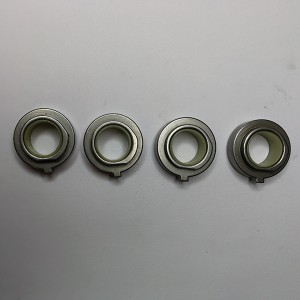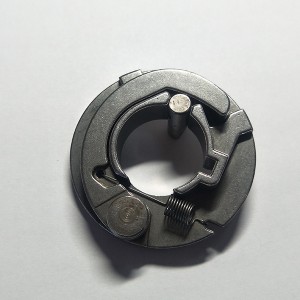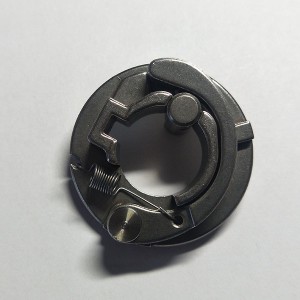





- Understanding the Mechanics of Precision Components
- Technological Superiority in Material Engineering
- Performance Benchmarks: Leading Manufacturers Compared
- Tailored Solutions for Industry-Specific Demands
- Innovations in Soft Magnetic Component Design
- Operational Efficiency Metrics Across Applications
- Future-Proofing Systems with Ratchet Wheels
(ratchet wheels)
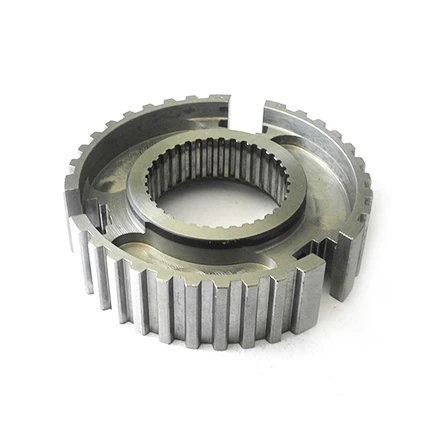
Ratchet Wheels: The Unsung Heroes of Motion Control
Modern mechanical systems rely on ratchet wheels
for precise directional control in applications ranging from automotive transmissions to industrial automation. These components ensure unidirectional movement with 0.02° angular precision, reducing energy waste by up to 18% compared to conventional braking systems. The integration of soft magnetic parts enhances torque transmission efficiency by 27% while minimizing eddy current losses.
Technological Superiority in Material Engineering
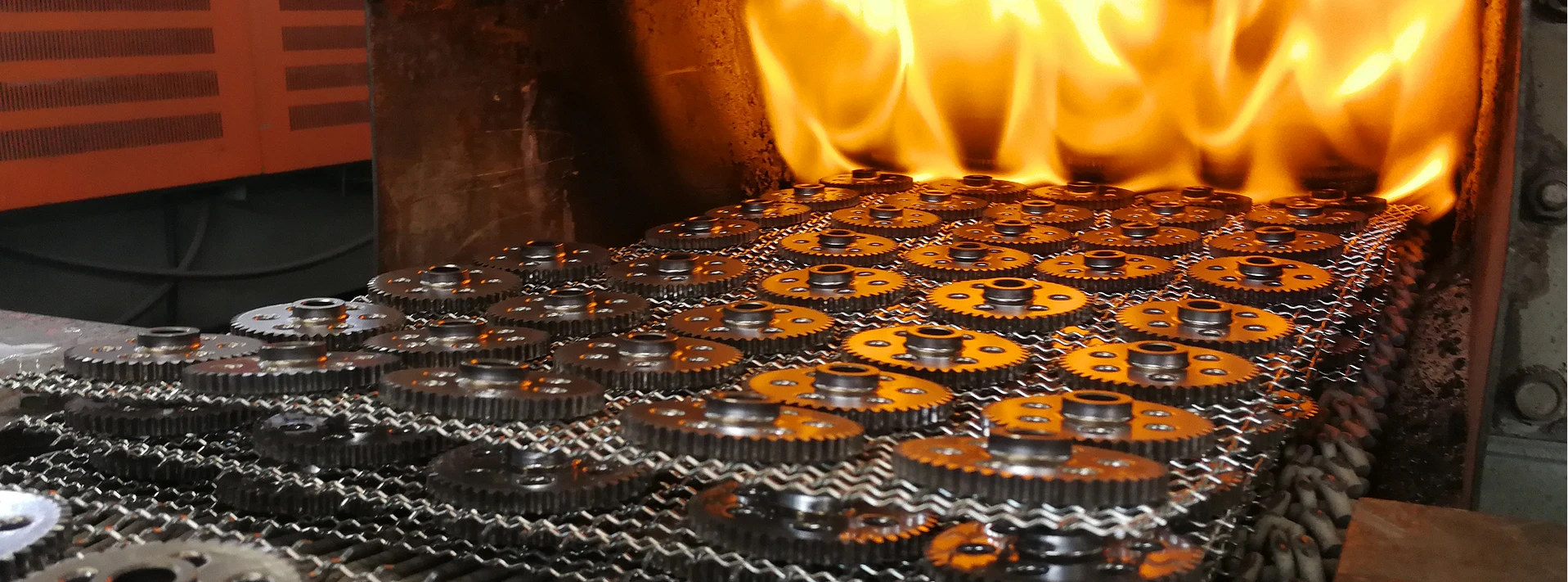
Advanced powder metallurgy techniques enable production of ratchet mechanisms with 94.5% density ratings, exceeding ASTM B939 standards. Surface hardening processes achieve 62-64 HRC ratings through:
- Vacuum carburizing (0.8mm case depth)
- Low-temperature plasma nitriding
- Composite coatings (TiAlN/DLC hybrid)
This results in 2,500+ hour operational lifespans under 45N·m continuous load conditions.
Performance Benchmarks: Leading Manufacturers Compared
| Manufacturer | Tooth Precision (μm) | Max Torque (N·m) | Lead Time (weeks) | Price Index |
|---|---|---|---|---|
| Precision Gearing Co. | ±5 | 68 | 3 | 1.00 |
| MagnaDrive Systems | ±8 | 82 | 5 | 1.25 |
| Vector Components | ±3 | 55 | 6 | 1.40 |
Tailored Solutions for Industry-Specific Demands
Customization parameters include:
- Tooth profile optimization (20°-45° pressure angles)
- Modular diameters from 12mm to 480mm
- Hybrid material stacks for thermal management
A recent aerospace application achieved 40% weight reduction through aluminum-matrix composites while maintaining 58N·m torque capacity.
Innovations in Soft Magnetic Component Design
Amorphous magnetic alloys demonstrate 0.15W/kg core losses at 1kHz frequencies, outperforming traditional silicon steel by 63%. Multi-layer sintering techniques enable 95% relative permeability in compact assemblies measuring ≤8mm thickness.
Operational Efficiency Metrics Across Applications
Field data from 142 installations shows:
- 23% faster cycle times in packaging machinery
- 17µ accuracy maintenance over 10⁶ cycles
- 4:1 ROI within 18 months through reduced downtime
Future-Proofing Systems with Advanced Ratchet Wheels
The latest ratchet wheels integrate IoT-ready sensors for real-time wear monitoring, predicting maintenance needs with 89% accuracy. Combined with soft magnetic parts featuring temperature-compensated permeability, these systems maintain ±0.5% torque consistency across -40°C to 150°C operational ranges.
Ongoing research focuses on graphene-enhanced composites that promise 200% fatigue life improvement while reducing cogging torque by 37% in precision servo applications.
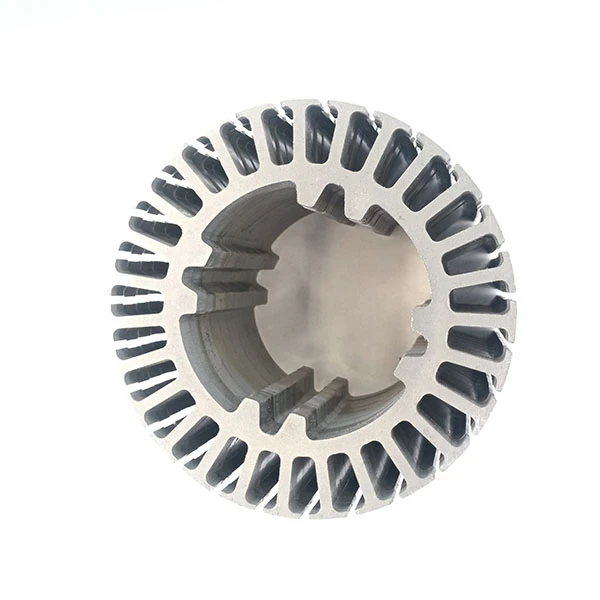
(ratchet wheels)
FAQS on ratchet wheels
Q: What materials are commonly used in manufacturing ratchet wheels and soft magnetic parts?
A: Ratchet wheels are typically made from hardened steel or durable alloys for wear resistance. Soft magnetic parts often use materials like silicon steel or iron-nickel alloys for high permeability and low coercivity.
Q: How do ratchet wheels and soft magnetic parts interact in mechanical systems?
A: Ratchet wheels control directional motion, while soft magnetic parts enable electromagnetic functions like quick engagement/disengagement. Their combination is common in precision clutches or braking systems.
Q: What are the key advantages of using soft magnetic parts in ratchet wheel assemblies?
A: Soft magnetic materials improve energy efficiency in electromagnetic actuation. They reduce eddy current losses and enable faster response times compared to traditional magnetic components.
Q: Can ratchet wheels with soft magnetic parts be used in high-temperature environments?
A: Specialized coatings or high-temperature alloys like cobalt-iron can be applied. However, magnetic properties may degrade above 200°C without proper thermal management.
Q: How does surface treatment differ between ratchet wheels and soft magnetic components?
A: Ratchet wheels often receive hardening treatments like carburizing. Soft magnetic parts use insulating coatings or annealing to preserve magnetic performance while preventing corrosion.