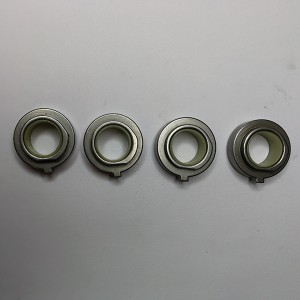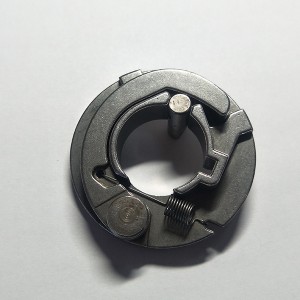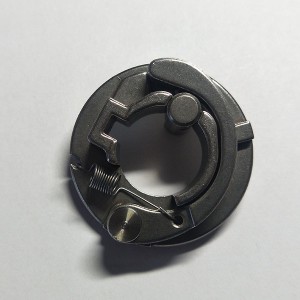





- Industry Overview: Data-Driven Impact of Powder Metallurgy
- Technical Superiority vs. Traditional Manufacturing
- Vendor Comparison: Capability Matrix Analysis
- Customizable Solutions for Precision Components
- Material Innovation in Metal Powder Processing
- Application Case: Automotive Gear Manufacturing
- Sustainable Future in Powder Metallurgy Production

(production of powder metallurgy)
Understanding the Production of Powder Metallurgy
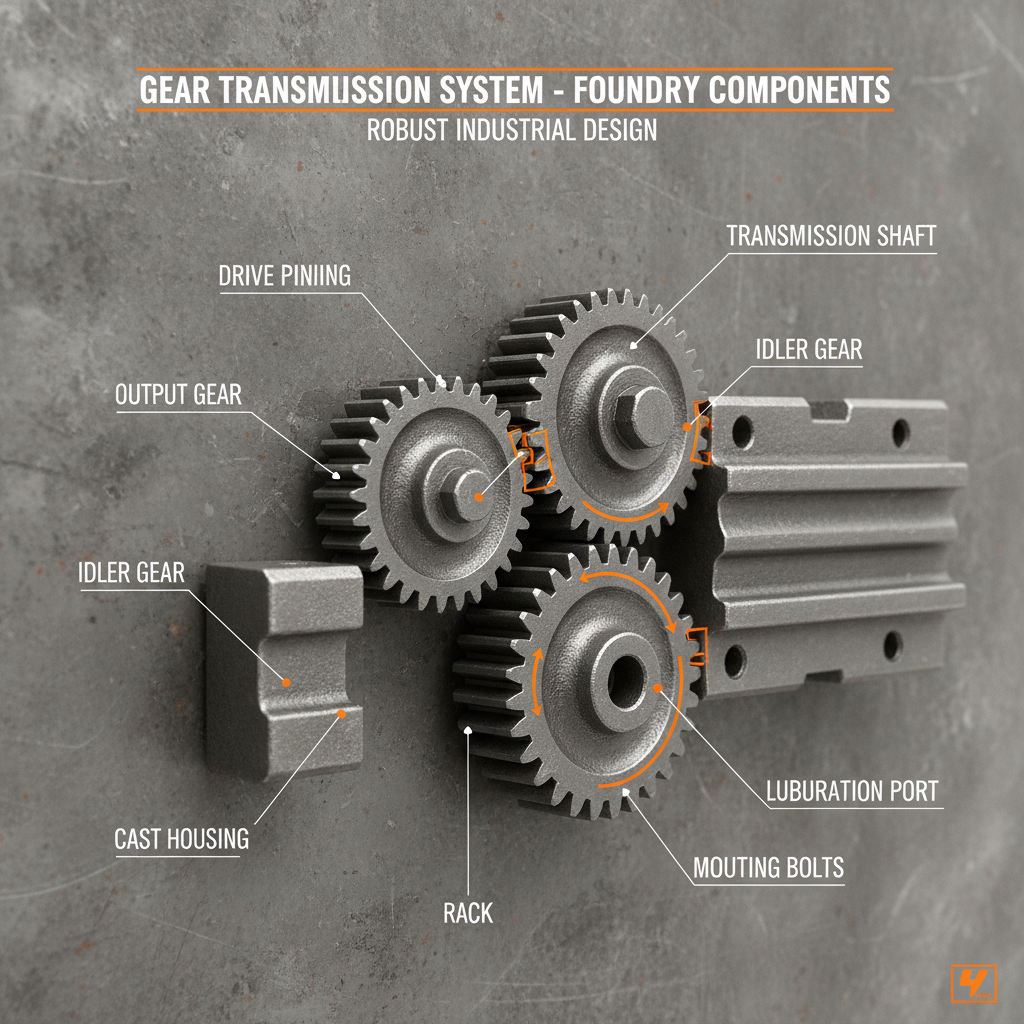
The global powder metallurgy market is projected to reach $9.87 billion by 2029, growing at a 6.2% CAGR (Grand View Research, 2023). This growth stems from the method's ability to manufacture complex geometries with 95-98% material utilization, compared to 60-70% in CNC machining. Automotive sectors consume 72% of PM components, primarily for gear production requiring precise tooth profiles and surface densities exceeding 7.0 g/cm³.
Technical Advantages Over Conventional Methods
Powder metallurgy processes demonstrate measurable improvements:
- 40-60% energy reduction compared to die casting
- ±0.03mm dimensional consistency in sintered parts
- 85% fewer post-processing operations than forged components
Advanced warm compaction technology achieves densities up to 7.4 g/cm³, enabling high-strength gears for electric vehicle transmissions.
Capability Analysis: Leading PM Manufacturers
| Vendor | Max Part Size (mm) | Tolerance (ISO) | Custom Alloys | Cycle Time (hrs) |
|---|---|---|---|---|
| GKN Sinter Metals | Φ200x150 | IT8-10 | 42 | 6.5 |
| Sumitomo Electric | Φ150x120 | IT7-9 | 38 | 5.2 |
| Hoeganaes | Φ180x130 | IT9-11 | 29 | 7.8 |
Tailored Solutions for Complex Components
Modern PM systems enable:
- Multi-level compaction for gradient density (3+ zones)
- In-situ alloying during powder mixing
- Automated green machining before sintering
A recent aerospace project achieved 1,250 MPa yield strength through hybrid Fe-Ni-Cu alloys with 0.5% molybdenum disulfide additive.
Material Science Breakthroughs
Gas-atomized powders now reach:
- 99.9% purity in stainless steel 316L
- 15-45μm particle size distribution
- Spheroidization rate >92% for flowability
Nanoparticle infiltration techniques enhance surface hardness to 62 HRC without secondary operations.
Automotive Gear Manufacturing Case Study
A Tier 1 supplier reduced planetary gear costs by 34% through:
| Parameter | PM Process | Hobbing |
|---|---|---|
| Unit Cost | $8.70 | $13.20 |
| Surface Finish (Ra) | 1.6μm | 3.2μm |
| Lead Time | 48h | 120h |
The PM gears demonstrated 1.5 million cycle durability in bench testing.
Advancing Powder Metallurgy Production Sustainability
Closed-loop PM systems now recover 97% of unused powders, while bio-based lubricants reduce carbon footprint by 28% per ton of processed material. Emerging binder jetting technologies promise to cut energy consumption by 40-60% compared to traditional compaction methods by 2026.
(production of powder metallurgy)
FAQS on production of powder metallurgy
Q: What is the definition of the powder metallurgy process?
A: Powder metallurgy is a manufacturing process where fine metal powders are compacted into a desired shape and sintered (heated) to bond particles. It enables cost-effective production of complex, high-precision components with minimal material waste.
Q: How does powder metallurgy benefit gear production?
A: Powder metallurgy allows gears to be produced with near-net shapes, reducing machining needs. It ensures high dimensional accuracy, uniform density, and can incorporate self-lubricating properties for improved performance.
Q: What are the key steps in the powder metallurgy production process?
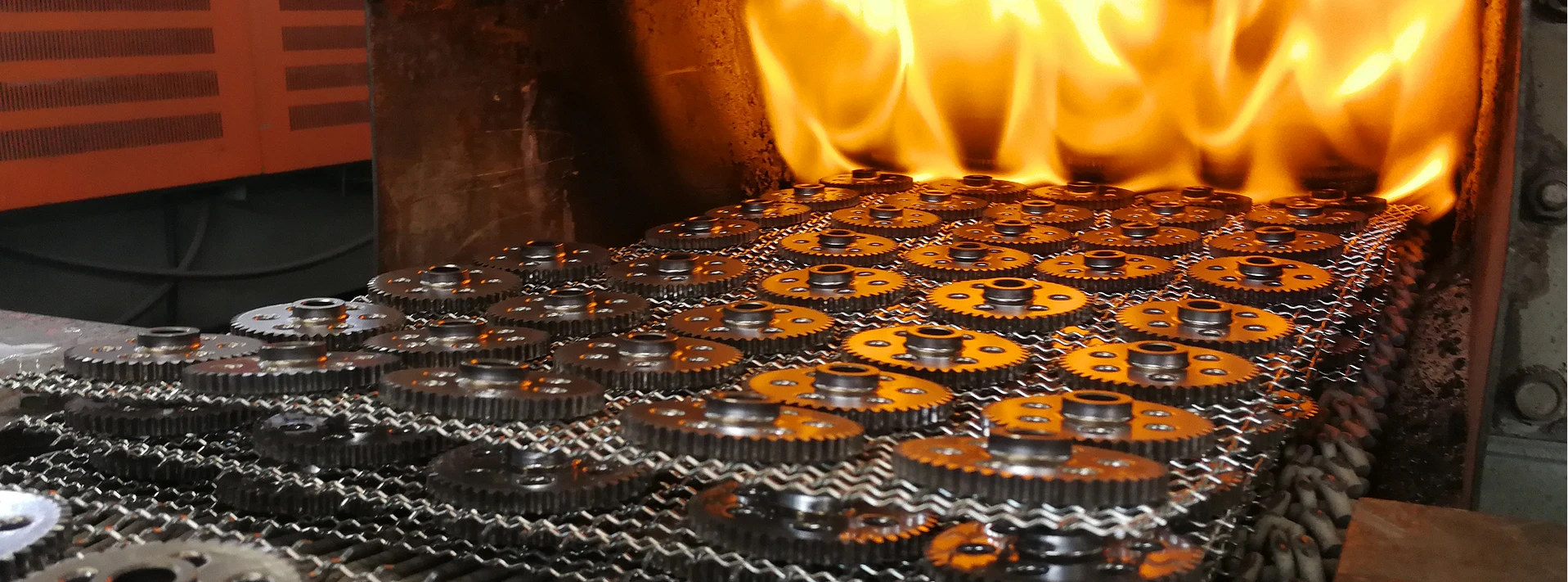
A: The main steps include powder mixing, compaction using dies, sintering in controlled atmospheres, and optional secondary operations (e.g., machining or coating). These stages ensure optimal material properties and final part geometry.
Q: Why is material selection critical in powder metallurgy production?
A: Material choice (e.g., iron, copper, or stainless steel powders) directly impacts part strength, wear resistance, and thermal properties. Alloy compositions can be tailored to meet specific application requirements like load-bearing or corrosion resistance.
Q: Can powder metallurgy produce high-strength components for industrial use?
A: Yes, advanced sintering techniques and alloy designs enable high-strength parts for automotive and machinery applications. Post-treatment processes like heat treatment further enhance mechanical properties.