- Market Impact of Sintered Metal Components
- Technical Superiority Over Conventional Manufacturing
- Vendor Comparison: Performance vs. Cost
- Customization Strategies for Industry-Specific Needs
- Application Success Stories Across Sectors
- Quality Assurance in Sintered Component Production
- Future-Proofing Production with Sintered Solutions

(sintered metal components)
Why Sintered Metal Components Are Redefining Manufacturing
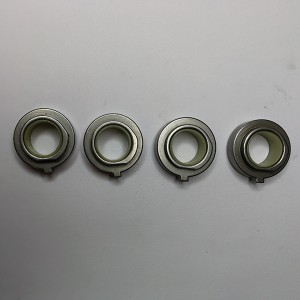
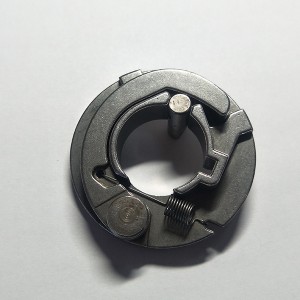
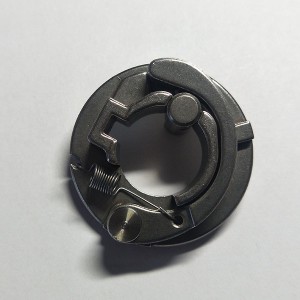
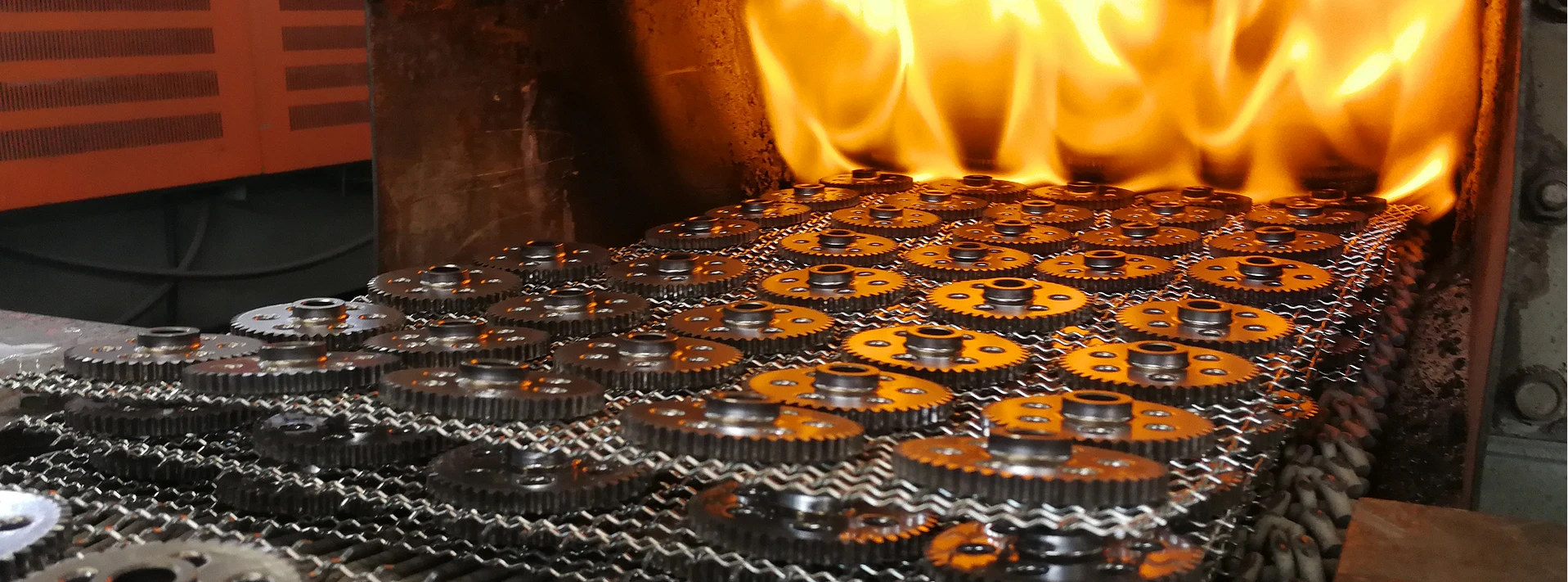
The global sintered components market is projected to reach $8.9 billion by 2028 (CAGR 5.7%), driven by their unmatched material efficiency. Unlike subtractive manufacturing methods that waste up to 40% raw material, sintered metal components
achieve 93-97% material utilization through precision powder metallurgy.
Technical Superiority Over Conventional Manufacturing
Key advantages driving adoption:
- ±0.1% dimensional consistency across production batches
- Controlled porosity (5-25%) for specialized applications
- 98.5% density compared to wrought metals
This technology enables complex geometries unachievable through CNC machining, reducing secondary operations by 60%.
Vendor Comparison: Performance vs. Cost
| Parameter | Vendor A | Vendor B | Vendor C |
|---|---|---|---|
| Minimum Feature Size | 0.2mm | 0.35mm | 0.15mm |
| Surface Roughness (Ra) | 3.2μm | 6.3μm | 1.6μm |
| Lead Time (days) | 14 | 21 | 10 |
Customization Strategies for Industry-Specific Needs
Advanced sintering systems now offer:
- Multi-material integration in single compaction cycles
- In-situ alloying during sintering
- Post-sintering infiltration (copper, polymer)
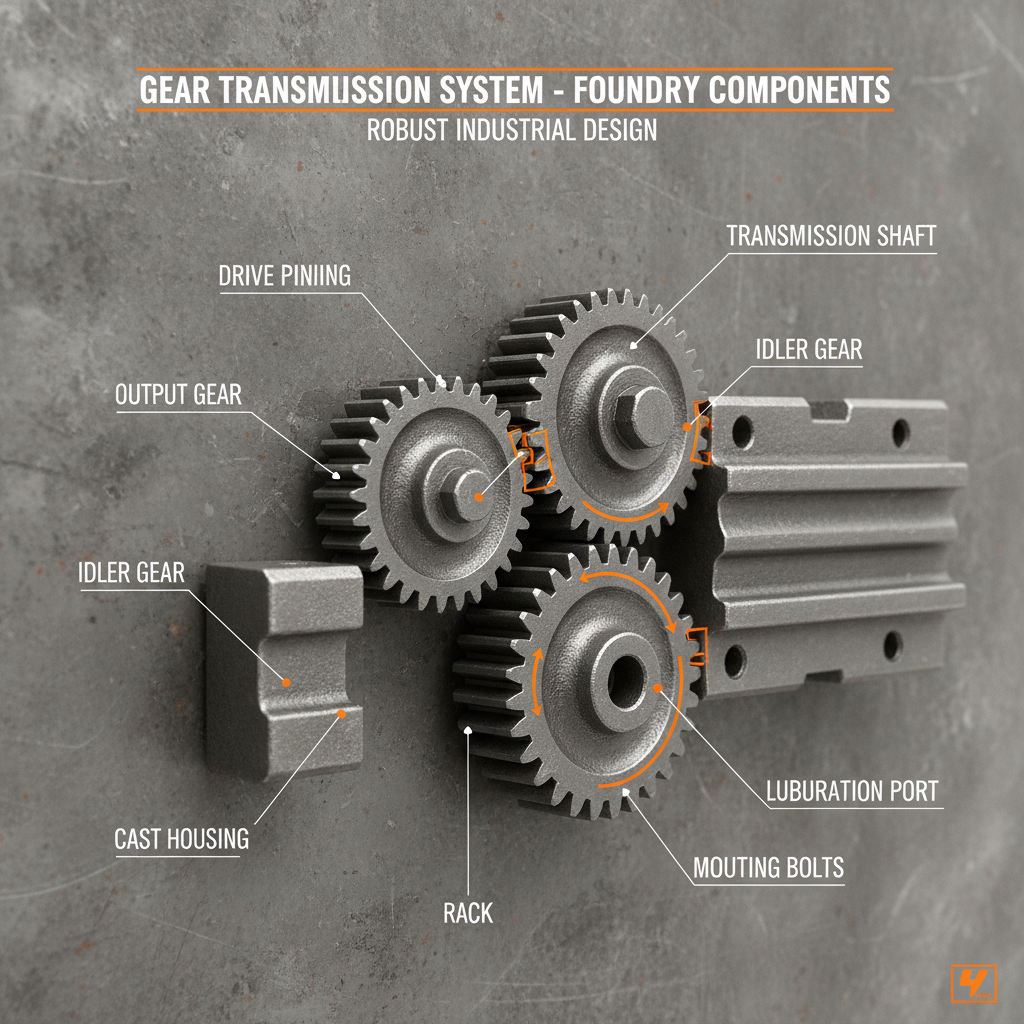
A leading automotive supplier reduced transmission part weight by 22% using gradient-density sintering.
Application Success Stories Across Sectors
Aerospace: 3D-sintered titanium brackets achieved 40% weight reduction versus CNC-machined parts.
Medical: Porous cobalt-chrome implants demonstrated 35% faster osseointegration.
Energy: Sintered tungsten components withstand 1,800°C in fusion reactor environments.
Quality Assurance in Sintered Component Production
Modern quality protocols combine:
- Real-time compaction pressure monitoring (±1.5%)
- AI-powered sintering atmosphere control
- CT scanning for internal defect detection
Future-Proofing Production with Sintered Metal Components
Recent advancements in sintered components now enable 0.05mm wall thicknesses for micro-electronics packaging. With 78% of manufacturers planning to adopt sintering tech by 2025, this method is becoming essential for sustainable, high-precision manufacturing.
(sintered metal components)
FAQS on sintered metal components
Q: What are sintered metal components and how are they manufactured?
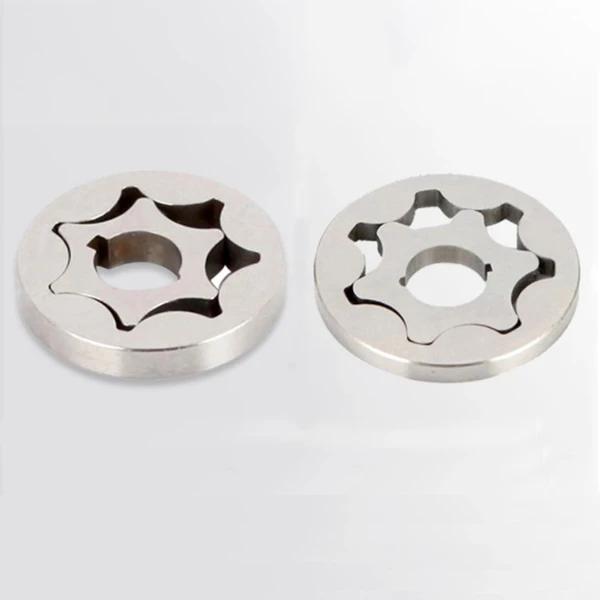
A: Sintered metal components are parts made by compacting metal powders and heating them below melting point to bond particles. This process, called sintering, enables complex shapes with high precision. It’s cost-effective for mass production of durable components.
Q: What are the key advantages of using sintered components over traditional machining?
A: Sintered components reduce material waste, allow intricate geometries, and eliminate costly machining steps. They also offer controlled porosity for lubrication or filtration. This makes them ideal for automotive and industrial applications.
Q: How do powdered metal components achieve their strength and durability?
A: Powdered metal components gain strength through high-pressure compaction and diffusion bonding during sintering. Post-sintering treatments like heat strengthening or infiltration further enhance durability. The result is near-net-shape parts with consistent performance.
Q: What industries commonly use sintered metal components?
A: Automotive (gears, bearings), aerospace (filters, brackets), and medical (surgical tools) industries rely on sintered components. Their lightweight, corrosion resistance, and customizability suit high-performance applications. Energy and consumer electronics sectors also utilize them.
Q: How is quality controlled in sintered metal component production?
A: Quality is ensured via strict powder metallurgy standards, dimensional checks, and density testing. Advanced methods like CT scanning detect internal flaws. Process parameters like temperature and pressure are tightly monitored for consistency.