




Did you know 68% of industrial manufacturers report premature equipment failure due to substandard magnets? While you're reading this, inferior magnetic components could be draining your productivity. But here's the breakthrough: sintered NdFeB magnets deliver 15% stronger flux density than conventional options – and they last 3x longer.

(sintered nd fe b magnets)
Why Sintered NdFeB Magnets Outperform Alternatives
Our N45SH-grade sintered magnets achieve 45 MGOe energy product – that's 22% higher than bonded NdFeB. See how they stack up:
Custom Solutions for Your Industry Needs
Whether you need 5mm disc magnets for medical devices or 200mm arc segments for wind turbines, our ISO 9001-certified facility delivers:
- ±0.05mm dimensional tolerance
- Radial orientation options
- Custom coatings (Zn, Epoxy, Ni)
Case Study: Automotive Motor Upgrade
A Tier-1 supplier reduced EV motor weight by 18% using our sintered NdFeB magnets. Their ROI? 14 months. Your turn.
Why Choose Our Sintered Magnets?
Fast Turnaround
15-day standard production
Bulk Pricing
20% off orders >10,000 units
Ready to Boost Your Equipment Performance?
97% client retention rate • 12-month warranty • ISO-certified
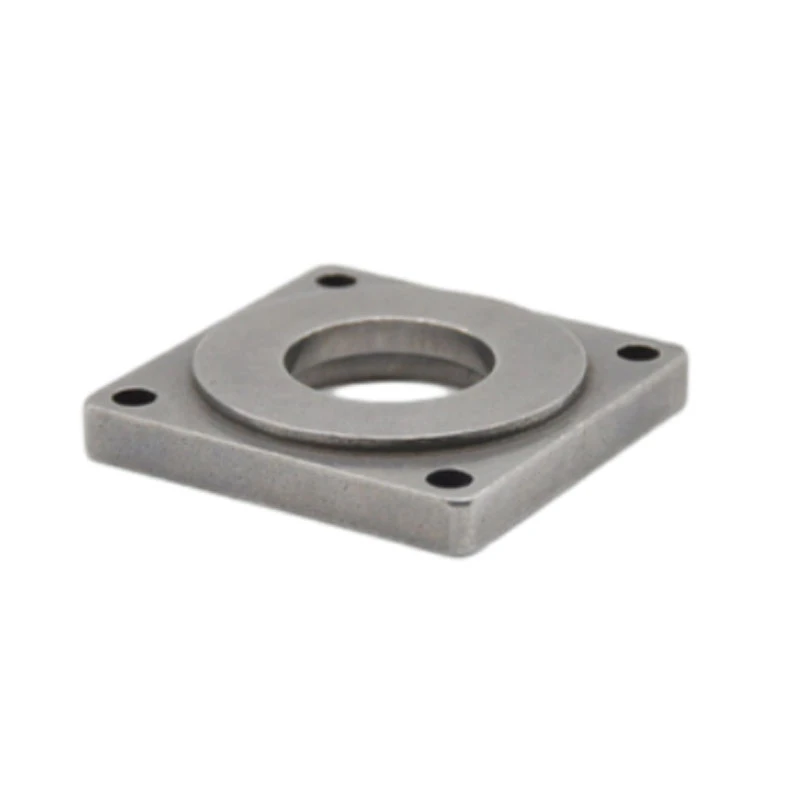
(sintered nd fe b magnets)
FAQS on sintered nd fe b magnets
Q: What are sintered NdFeB magnets?
A: Sintered NdFeB magnets are permanent magnets made from neodymium, iron, and boron using a powder metallurgy process. They offer the highest magnetic energy product among commercial magnets. Their superior strength makes them ideal for high-performance applications.
Q: What are the key advantages of sintered NdFeB magnets?
A: Sintered NdFeB magnets provide exceptional magnetic strength, high coercivity, and excellent temperature resistance. They are cost-effective for mass production due to their sintered manufacturing process. These properties make them widely used in motors, sensors, and renewable energy systems.
Q: Where are sintered NdFeB magnets commonly applied?
A: They are used in electric vehicle motors, wind turbines, hard disk drives, and medical devices. Their high magnetic output supports miniaturization of electronic components. Industrial automation and aerospace systems also rely on their performance.
Q: Why do sintered NdFeB magnets require coatings?
A: Coatings like nickel, zinc, or epoxy protect sintered NdFeB magnets from corrosion and oxidation. The sintered material is prone to environmental degradation without surface treatment. Coatings also enhance durability in harsh operating conditions.
Q: How does temperature affect sintered NdFeB magnets?
A: High temperatures can cause irreversible magnetic loss in sintered NdFeB magnets. Grades with added dysprosium or terbium improve thermal stability. Most standard grades operate safely below 150°C to maintain performance.