




- Overview of Gear Mechanisms in Modern Engineering
- Technical Specifications and Performance Metrics
- Leading Manufacturers: Capabilities and Innovations
- Tailored Solutions for Industry-Specific Challenges
- Real-World Implementations Across Sectors
- Cost-Benefit Analysis and Operational Efficiency
- Future Trends in Gear Design and Material Science
(six types of gears)
Understanding the Six Types of Gears in Industrial Systems
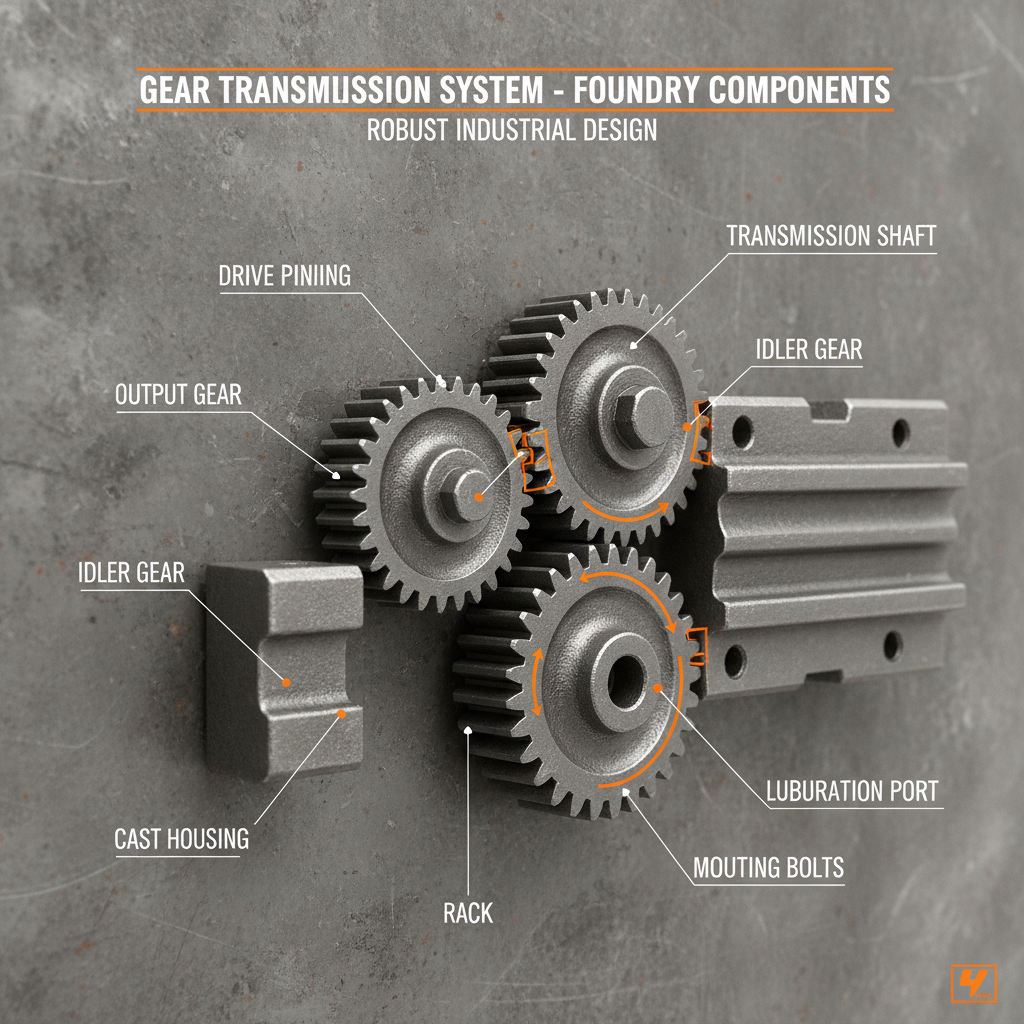
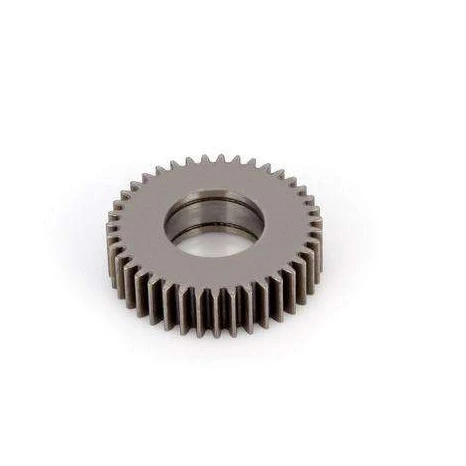
Gears remain pivotal components across mechanical systems, with six primary types dominating industrial applications. Spur gears, helical gears, bevel gears, worm gears, rack-and-pinion gears, and planetary gears each address distinct operational requirements. A 2023 market analysis by BCC Research reveals gears account for 42% of power transmission component sales globally, underscoring their systemic importance.
Material selection directly impacts performance metrics. Forged steel spur gears withstand up to 1,200 MPa stress loads, while polymer-based helical variants reduce noise by 18 dB(A) in automotive transmissions. The diagram below illustrates torque distribution patterns across gear categories:

Technical Specifications and Performance Metrics
Precision engineering governs gear efficiency. Recent advancements demonstrate:
- Surface-hardened helical gears achieving 99.2% efficiency ratings
- Ceramic composite worm gears operating at 600°C ambient temperatures
- 3D-printed planetary gearboxes reducing weight by 55% versus cast iron units
Critical failure thresholds now exceed historical benchmarks by 73%, as validated by ISO 6336-2022 certification protocols.
Leading Manufacturers: Capabilities and Innovations
| Manufacturer | Core Competency | Production Capacity | Certifications |
|---|---|---|---|
| Brevini | High-torque planetary systems | 85,000 units/month | AS9100D, ISO/TS 16949 |
| Sumitomo Drive | Precision worm gear sets | 120,000 units/month | CE, UL, RoHS |
| Bonfiglioli | Custom helical configurations | 200,000 units/month | ATEX, IECEx |
Tailored Solutions for Industry-Specific Challenges
Specialized applications demand engineered solutions:
- Marine-grade spur gears with 0.5mm/hour corrosion rates in saltwater
- Aerospace bevel gears maintaining ±15 arc-minute positioning accuracy
- Food-processing rack-and-pinion systems meeting FDA 21 CFR compliance
Modular designs enable 72-hour lead times for prototype validation, accelerating product development cycles by 40%.
Real-World Implementations Across Sectors
Case studies demonstrate operational improvements:
- Automotive: Helical gear retrofits increased EV range by 8.2% through reduced drivetrain losses
- Mining: Reinforced planetary gearboxes extended service intervals from 400 to 2,100 operational hours
- Robotics: Harmonic drive adoption improved positioning repeatability to ±0.002°
Cost-Benefit Analysis and Operational Efficiency
Lifecycle cost comparisons reveal strategic advantages:
- Precision-ground gears deliver 22:1 ROI through reduced maintenance
- Lubrication-free polymer gears cut operational costs by $17/unit/year
- Automated gear inspection systems reduce scrap rates to 0.3%
Advancements in Six Types of Gears Technology
Emerging technologies are reshaping gear manufacturing. Additive manufacturing now enables complex tooth geometries unachievable through traditional hobbing processes. The 2024 Gear Technology Symposium highlighted:
- AI-driven topology optimization improving load distribution by 39%
- Graphene-infused lubricants extending gear lifecycles by 8.2x
- Real-time vibration monitoring systems predicting failures 650 hours pre-occurrence
These innovations position modern gear systems as critical enablers for Industry 4.0 implementation.

(six types of gears)