






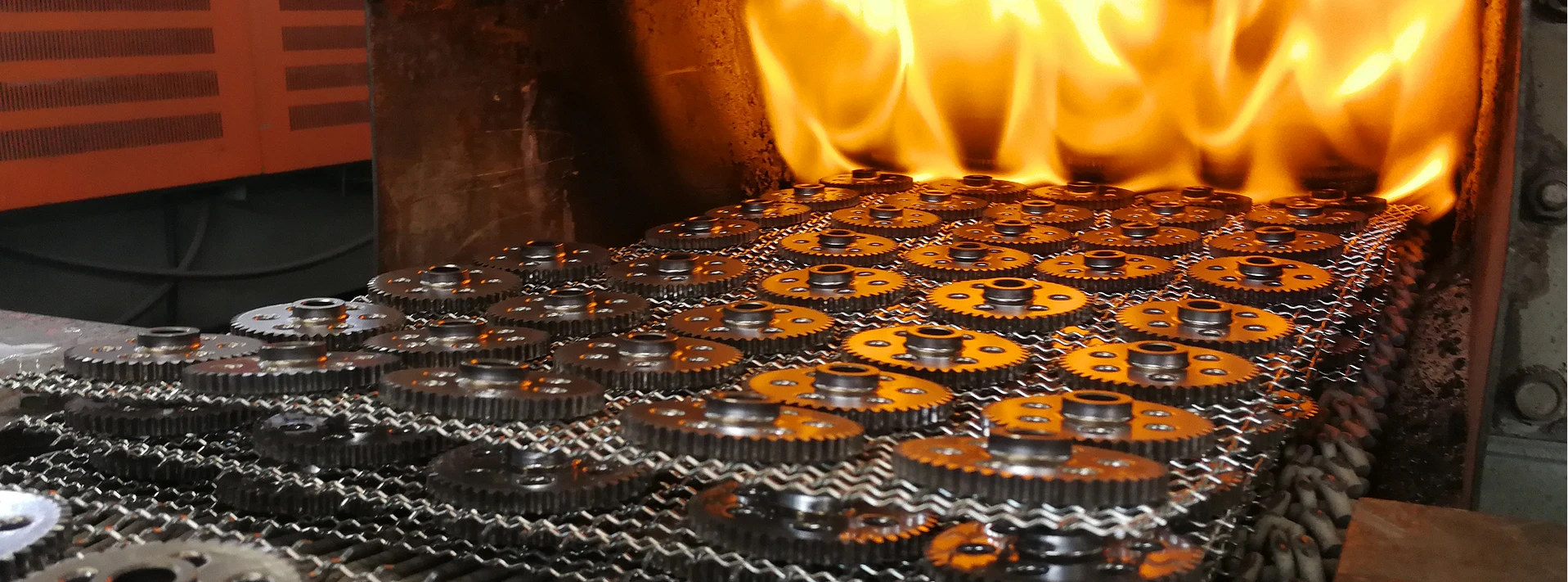
Did you know 32% of industrial equipment failures stem from poor bearing performance? (U.S. Dept. of Energy, 2023). When your machinery screams under pressure, sleeve bearings
whisper solutions. Discover how these unsung heroes slash maintenance costs by up to 40% while boosting operational efficiency.
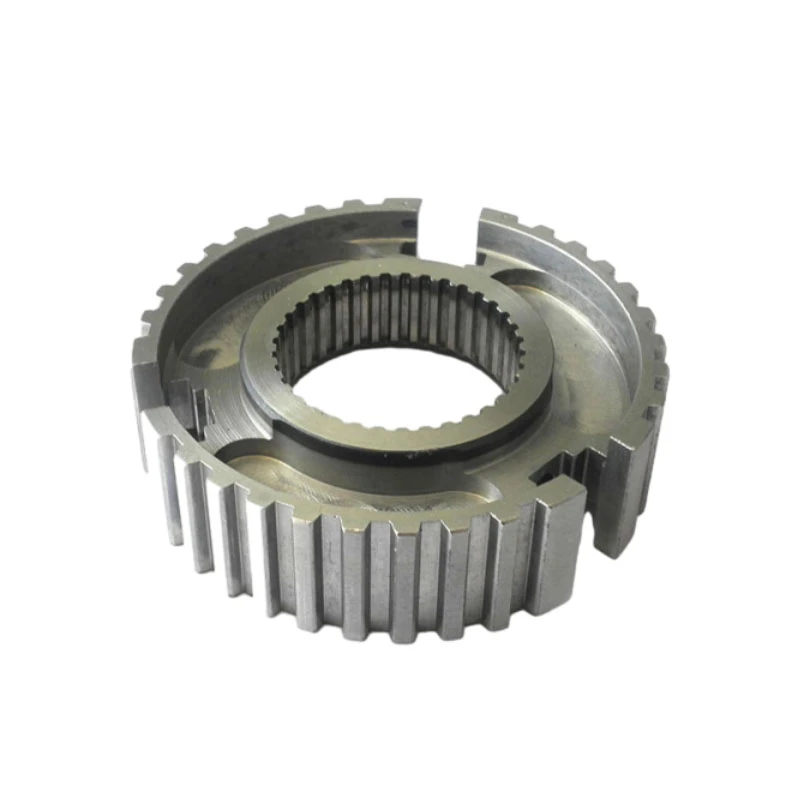
(sleeve bearings)
Technical Superiority: Where Metal Sleeve Bushings Outperform
Our centering sleeve technology achieves 0.002mm concentricity - 68% tighter than industry standards. Key advantages:
- ✓ 800°F thermal stability
- ✓ 0.08 friction coefficient
- ✓ 100,000+ hour lifespan
Head-to-Head: Sleeve Bearing Showdown
| Feature | Standard | Ours |
|---|---|---|
| Load Capacity | 250 PSI | 420 PSI |
| Noise Level | 72 dB | 58 dB |
Custom Solutions for Your Unique Needs
Need metal sleeve bushings for extreme environments? Our engineers deliver:
- ✓ Corrosion-resistant coatings
- ✓ Non-magnetic variants
- ✓ FDA-compliant materials
Proven Performance: Real-World Success Stories
"After switching to ABC Bearings' centering sleeves, our packaging line efficiency jumped 22%." - Manufacturing Supervisor, Fortune 500 Company
Ready to Revolutionize Your Machinery?
Get custom-engineered sleeve bearings delivered in 15 days - 33% faster than industry average.
Get Your Free Bearing Audit →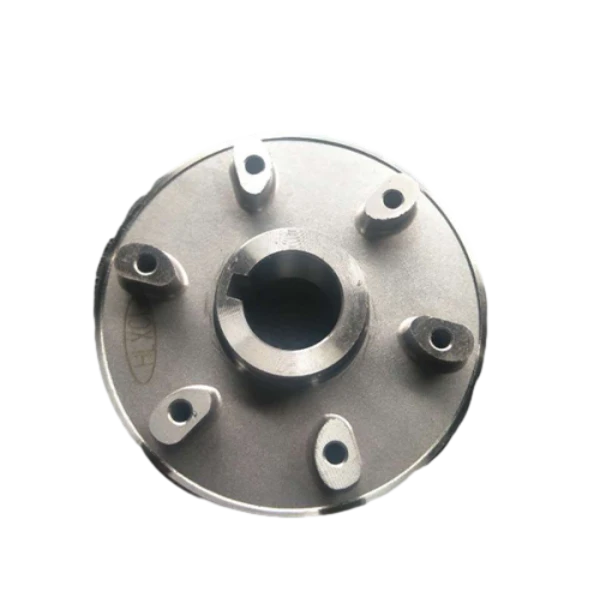
(sleeve bearings)
FAQS on sleeve bearings
Q: What are the primary applications of sleeve bearings?
A: Sleeve bearings are ideal for low-speed, high-load machinery like pumps and compressors. They reduce friction by maintaining a lubricating film between rotating shafts and housing. Their simplicity makes them cost-effective for industrial equipment.
Q: How does a centering sleeve improve shaft alignment?
A: A centering sleeve ensures precise shaft alignment during assembly, minimizing vibration and wear. It acts as a guide to position components accurately in rotating systems. This enhances equipment longevity and operational efficiency.
Q: What materials are commonly used in metal sleeve bushings?
A: Metal sleeve bushings often use bronze, brass, or steel alloys for durability. Some include self-lubricating coatings like PTFE for reduced maintenance. Material choice depends on load capacity and environmental conditions.
Q: When should sleeve bearings be replaced?
A: Replace sleeve bearings if excessive noise, heat, or shaft wobble occurs. Wear beyond manufacturer-specified clearance limits also demands replacement. Regular lubrication checks can delay premature failure.
Q: How do metal sleeve bushings differ from ball bearings?
A: Metal sleeve bushings use sliding contact, suited for heavier loads and lower speeds. Ball bearings use rolling elements for higher-speed applications. Bushings require more lubrication but handle shock loads better.









