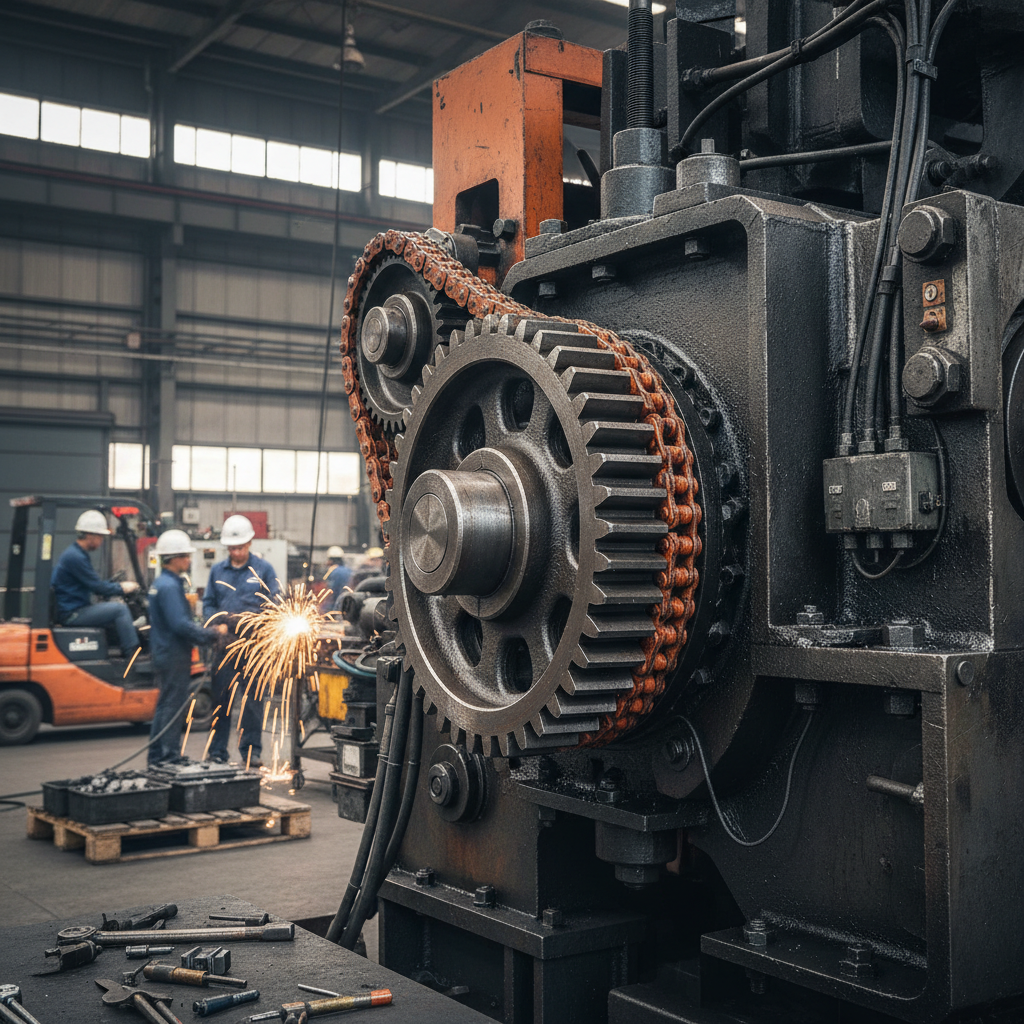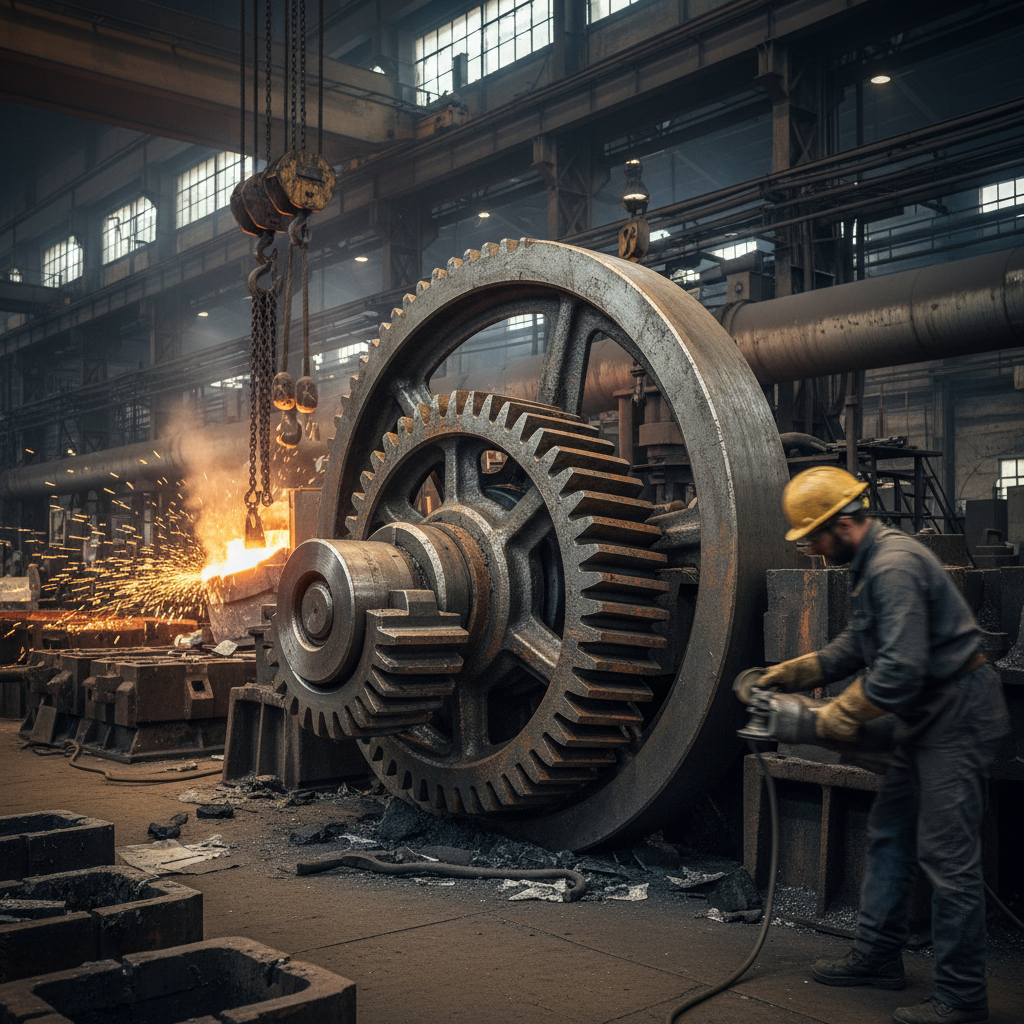





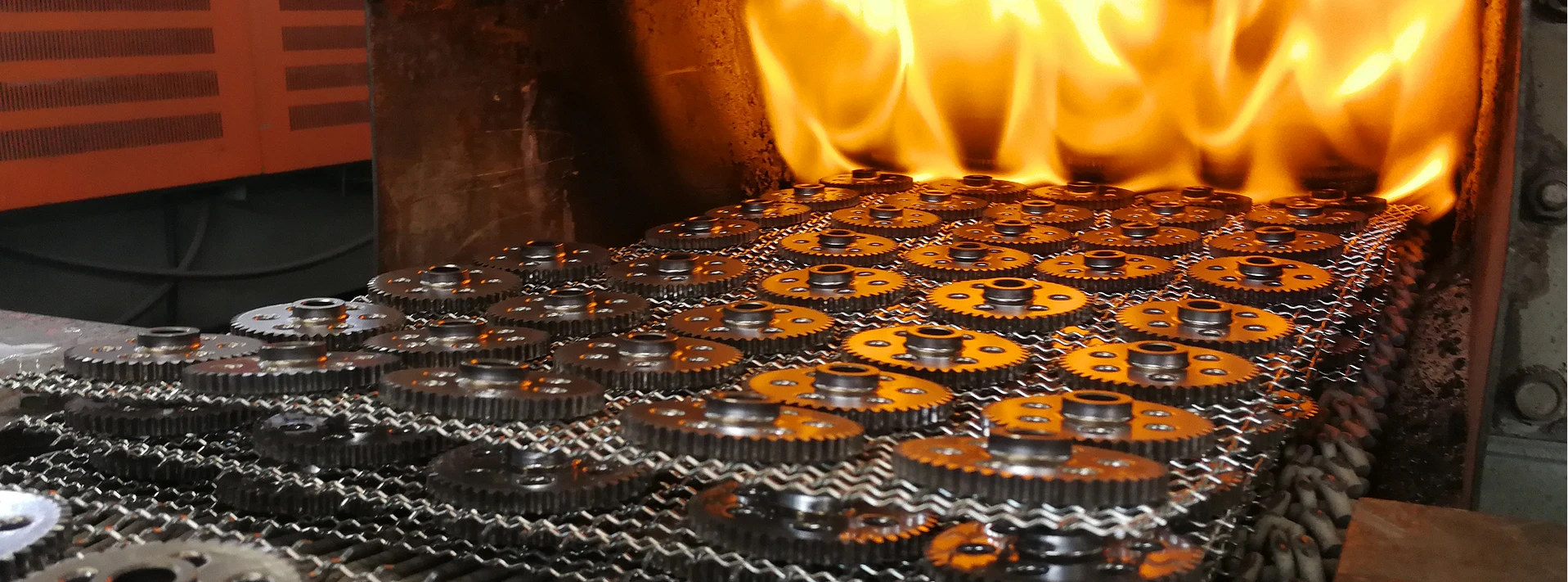
Did you know 23% of industrial equipment failures stem from improper gear selection? Your operations can't afford downtime. Discover how choosing the right types of gears and their functions
saves time, money, and headaches.
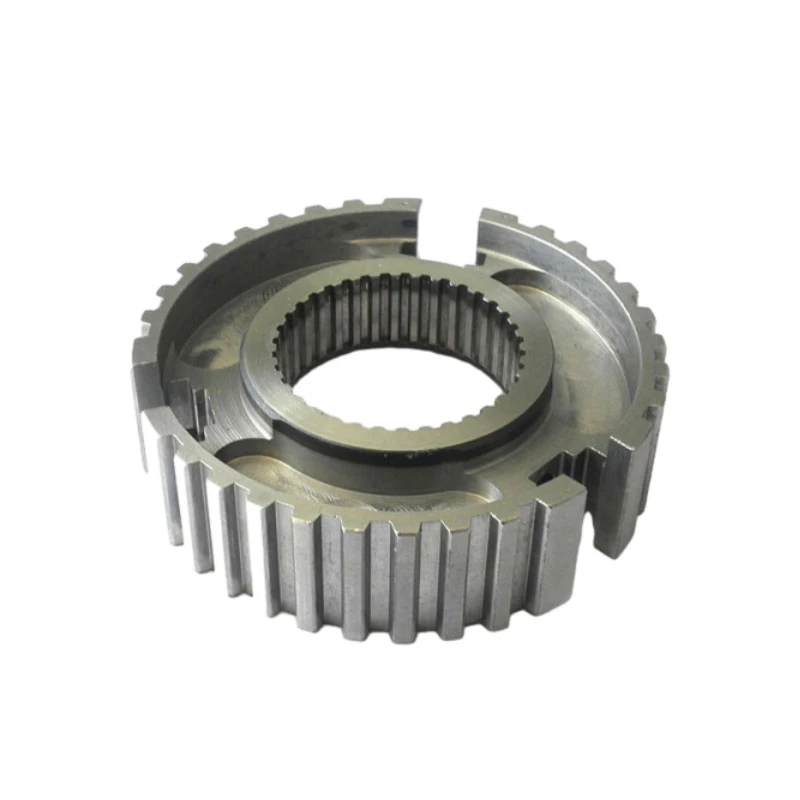
(types of gears and their functions)
Gear Technology Breakthroughs: Precision Meets Power
Modern gear systems deliver 40% more torque capacity than models from a decade ago. Let's explore key types of gears and their applications:
Gear Performance Comparison
| Gear Type | Efficiency | Max Torque | Common Uses |
|---|---|---|---|
| Spur Gears | 98% | 250 Nm | Conveyors, clocks |
| Helical Gears | 96% | 800 Nm | Automotive, elevators |
| Bevel Gears | 94% | 500 Nm | Power tools, differentials |
Why Top Manufacturers Choose Our Solutions
While competitors offer 5-7 standard gear types, we provide 14+ specialized configurations. See how we outperform:
| Feature | Standard Gears | Our Premium Line |
|---|---|---|
| Noise Level | 75 dB | 62 dB |
| Service Life | 8,000 hrs | 15,000 hrs |
| Customization | Limited | Full CAD support |
Your Success Stories: Gears in Action
XYZ Robotics boosted production speed by 33% using our helical-planetary hybrid gears. What could optimized gears do for your workflow?
Transform Your Machinery Today
With 15 patents in gear technology and ISO 9001 certification, we've helped 1,200+ clients since 2008. Ready to upgrade?
Get Your Free Gear Audit Now →Don't let outdated gears slow you down. Our engineers are standing by to analyze your needs and recommend perfect gear solutions. Act within 48 hours and receive 10% off your first order!
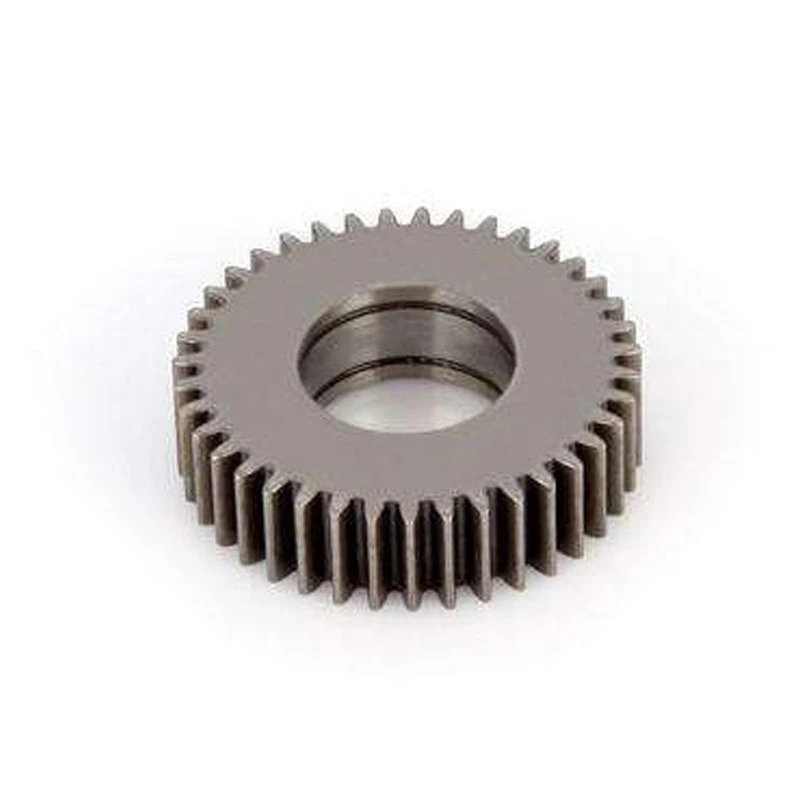
(types of gears and their functions)
FAQS on types of gears and their functions
Q: What are the main types of gears and their primary functions?
A: Common gear types include spur gears (transmit motion between parallel shafts), helical gears (quiet, high-load capacity for parallel or angled shafts), and bevel gears (transfer motion between intersecting shafts). Their functions range from speed reduction to torque multiplication in mechanical systems.
Q: How do different types of gears differ in their applications?
A: Spur gears are used in low-speed devices like clocks, helical gears in automotive transmissions for smooth operation, and worm gears in elevators for high reduction ratios. Each type is chosen based on efficiency, noise tolerance, and spatial constraints.
Q: What are the advantages of helical gears compared to spur gears?
A: Helical gears operate more quietly due to angled teeth engagement and handle higher loads than spur gears. However, they generate axial thrust requiring specialized bearings, making them ideal for high-speed automotive transmissions.
Q: Where are bevel gears commonly used in industrial applications?
A: Bevel gears are essential in power tools, automotive differentials, and marine propulsion systems where directional power transmission between intersecting shafts is required. Their angled teeth enable efficient torque transfer at 90° shaft orientations.
Q: What makes worm gears suitable for specific mechanical systems?
A: Worm gears provide high reduction ratios (up to 300:1) and self-locking capabilities, making them ideal for conveyor systems and lifts. Their sliding motion between worm and wheel ensures quiet operation but lower efficiency compared to other gear types.