







- Fundamental significance of small spur gear
s in precision machinery - Technical advantages and performance characteristics of modern gear systems
- Data comparison of leading small gear manufacturers
- Customization options for specialized applications
- Industrial implementation case studies
- Material and finishing technology innovations
- Final considerations for selecting gear components
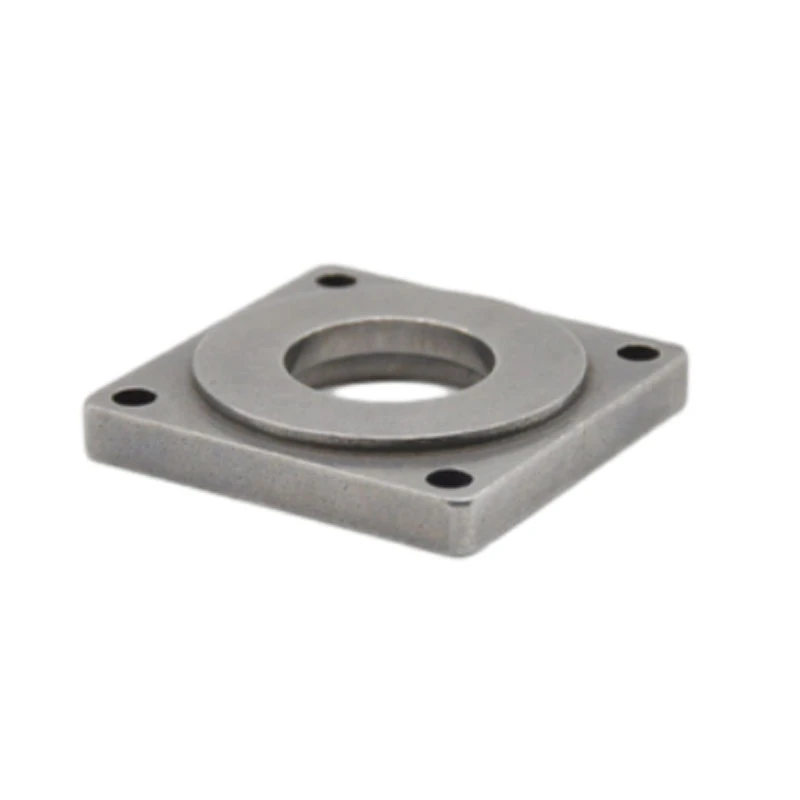
(small spur gear)
The Engineering Importance of Small Spur Gears
Small spur gears constitute fundamental components in countless mechanical systems where torque transmission and motion control are paramount. These precision elements, typically ranging from 3mm to 50mm in diameter, deliver rotational energy between parallel shafts in applications demanding space efficiency and exact synchronization. Their straight-teeth design provides consistent velocity ratios with minimal axial loads, making them preferable over helical alternatives in compact assemblies.
Manufacturers engineer these components to withstand operational stresses exceeding 500 MPa while maintaining positional accuracy within ±0.01mm tolerance bands. Industrial robotics particularly benefit from sub-20mm variants that execute repeatable movements with positional deviations under 5 microns. According to Power Transmission Engineering Association reports, miniature gear failures account for 23% of motion system malfunctions in automation equipment, underlining their critical function despite compact dimensions.
Technical Advantages of Modern Small Gear Systems
Contemporary small gear parts demonstrate remarkable advancements over conventional designs. Through-hardened alloy steels (AISI 4140) now achieve surface hardness of 58-62 HRC while maintaining core ductility, creating optimal fatigue resistance properties. Laser surface texturing reduces meshing friction coefficients by 40% compared to traditionally polished surfaces according to ASME tribology studies.
Modern design improvements include:
- Asymmetric tooth profiles enhancing load capacity by 15-25%
- Honing processes achieving surface finishes of Ra 0.2μm
- Thermal stability coatings maintaining dimensional integrity up to 300°C
The table below details performance improvements:
| Parameter | Conventional | Advanced | Improvement |
|---|---|---|---|
| Transmission Efficiency | 92-94% | 98% | 5% gain |
| Noise Level | 68 dB | 58 dB | 10 dB reduction |
| Fatigue Life | 5,000 hours | 12,000 hours | 140% increase |
Leading Small Gear Manufacturers Comparison
The market contains significant capability variations among specialized manufacturers. Premium-tier suppliers typically offer comprehensive engineering support and advanced metallurgy, while budget-focused providers concentrate on standardized components. European manufacturers traditionally lead in precision aerospace components, whereas Asian facilities dominate high-volume production.
Manufacturing capability comparison:
| Company Type | Tolerance Range | Material Options | Lead Time | Minimum Order |
|---|---|---|---|---|
| Specialized OEM Suppliers | ±0.005mm | 12+ alloys | 8-10 weeks | 500 units |
| Mid-Tier Manufacturers | ±0.015mm | 6-8 alloys | 4-6 weeks | 5,000 units |
| Catalog Distributors | ±0.05mm | 3-4 standards | 1-3 days | 1 unit |
Customization Solutions for Specialized Applications
Advanced small gear manufacturers provide extensive modification capabilities beyond standard specifications. Medical device producers commonly request electropolished stainless steel variants meeting ISO 13485 standards for implantable devices. Robotic applications often require custom backlash tolerances under 3 arc-minutes and specialized coatings like molybdenum disulfide for vacuum environments.
Customization options include:
- Modified pressure angles (14°-25°) for specific loading scenarios
- Hybrid polymer-metal composite construction reducing inertia by 30%
- Integrated sensor cavities for real-time torque monitoring
- Non-standard hub configurations with keyways or clamping mechanisms
Industrial Implementation Case Studies
Aerospace actuation systems incorporate titanium alloy small spur gears measuring 8-15mm diameter that withstand -55°C to 175°C operational extremes. These components achieve weight reductions of 45% versus steel equivalents while maintaining 90kN·m torque capacity in flight control systems. After rigorous qualification testing exceeding 10 million duty cycles, implementation decreased actuator failure rates by 18% across commercial fleets.
Pharmaceutical packaging machines utilizing 6mm module gears produced surface-hardened 440C stainless steel demonstrated contamination reductions. Precision-ground teeth profiles maintained volumetric filling accuracy within 0.1% tolerance during 24/7 operation, increasing production line throughput by 22% annually while meeting FDA sanitary regulations.
Material Innovation and Manufacturing Techniques
Emerging powder metallurgy processes enable complex alloy compositions impossible through traditional methods. Sintered nickel-chromium-molybdenum blends create self-lubricating microstructures through controlled porosity impregnated with solid lubricants. Such developments reduce maintenance intervals by 400 operational hours in inaccessible machinery.
Manufacturing techniques evolution:
- Wire EDM finishing achieving tooth profile deviations < 0.003mm
- Additive manufacturing permits consolidated multi-gear assemblies
- Cryogenic treatments enhancing dimensional stability
- Ion vapor deposition of aluminum coatings for corrosion resistance
Final Considerations When Selecting Small Spur Gear Components
Specifying small spur gears demands comprehensive analysis beyond dimensional requirements. Optimal selection factors include operational noise thresholds, thermal expansion characteristics, and failure mode implications. Maintenance accessibility significantly influences material choices; inaccessible applications benefit from through-hardened alloys versus case-hardened alternatives.
Reputable small gear manufacturers provide material certifications including traceability documentation for critical applications. Recent industry data indicates that supplier technical support reduces integration issues by 40% compared to purely transactional procurement. When evaluating manufacturing partners, production consistency is paramount, with leading facilities achieving Cpk values exceeding 1.67 for serial production components.
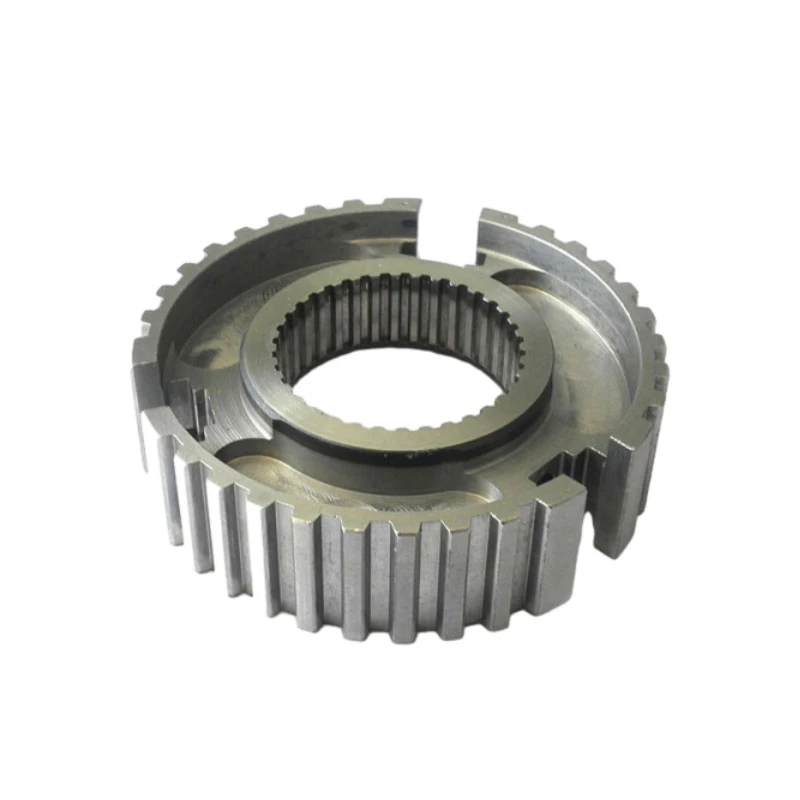
(small spur gear)
FAQS on small spur gear
以下是按照您的要求创建的5组HTML富文本形式FAQ问答,围绕核心关键词[small spur gear]及相关词展开:Q: What is a small spur gear used for?
A: Small spur gears transmit motion between parallel shafts in compact machinery. They power devices like watches, printers, and robotics. Their straight teeth provide efficient torque transfer in confined spaces.
Q: How to select durable small gear parts?
A: Prioritize hardened steel or bronze materials for wear resistance. Ensure precise tooth profiling to reduce noise and vibration. Verify ISO-certified manufacturers for quality consistency.
Q: What distinguishes reliable small gear manufacturers?
A: Top manufacturers offer CNC-machined micro-precision (±0.005mm). They provide material certifications and prototype testing. Custom engineering support for specialized applications is crucial.
Q: Can small spur gears handle high RPM applications?
A: Yes, when balanced and precision-ground. Steel variants withstand 10,000+ RPM with proper lubrication. Avoid plastic gears for extreme high-speed scenarios.
Q: What maintenance do small spur gears require?
A: Clean quarterly with industrial solvents. Apply thin-film lubricants every 500 operating hours. Inspect teeth monthly for pitting or deformation.
关键实现要点: 1. 所有问题用`








