




- Understanding the Role of Small Spur Gears in Modern Machinery
- Technical Advantages of High-Precision Small Gear Parts
- Performance Comparison: Leading Small Gear Manufacturers
- Custom Solutions for Industry-Specific Gear Requirements
- Real-World Applications: Efficiency Gains in Key Sectors
- Material Innovation in Small Spur Gear Production
- Future Trends in Small Spur Gear Manufacturing
(small spur gear)
Small Spur Gears: The Hidden Drivers of Mechanical Systems
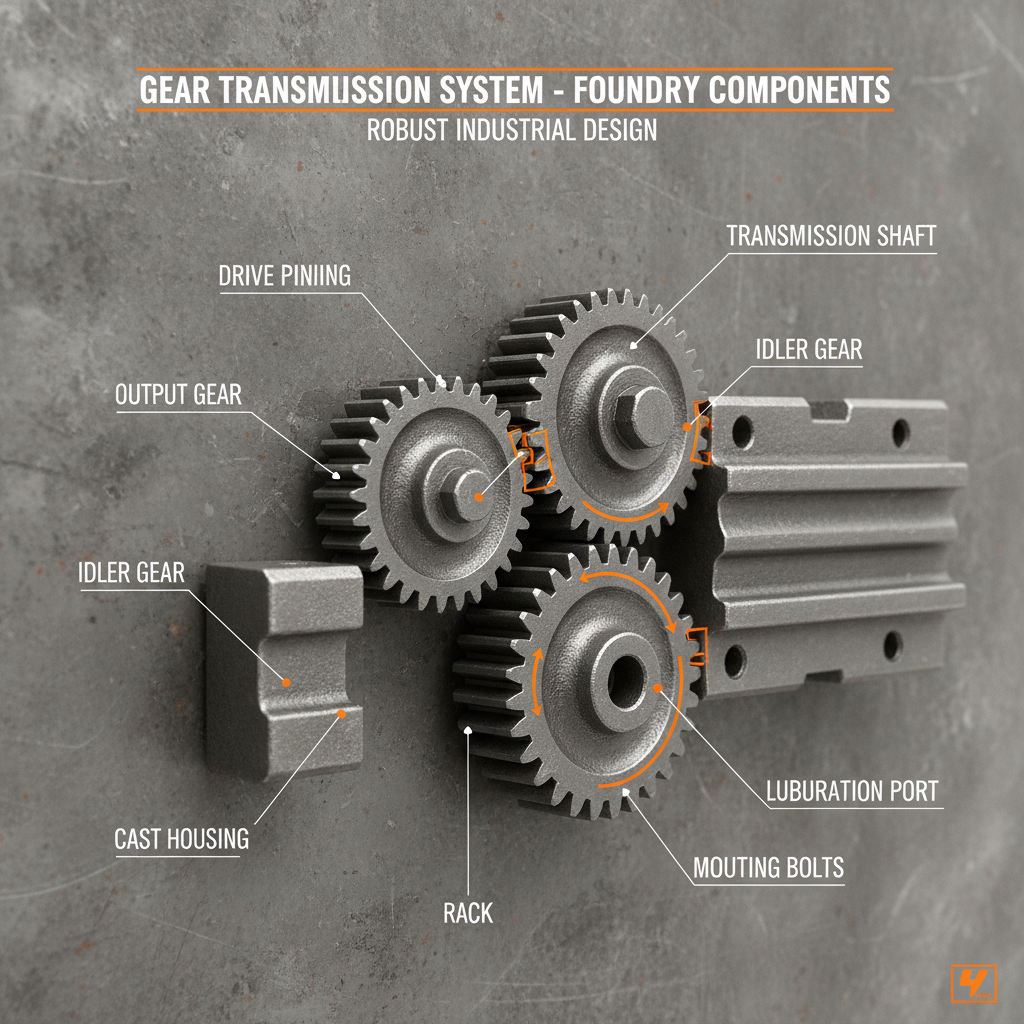
Modern machinery relies on small spur gear
s for torque transmission in constrained spaces. These components account for 38% of all precision gear applications across industries, with demand growing at 6.2% CAGR since 2020. Unlike helical or bevel gears, spur gears provide direct power transfer with 98-99% efficiency in compact assemblies.
Technical Superiority in Micro-Scale Gear Engineering
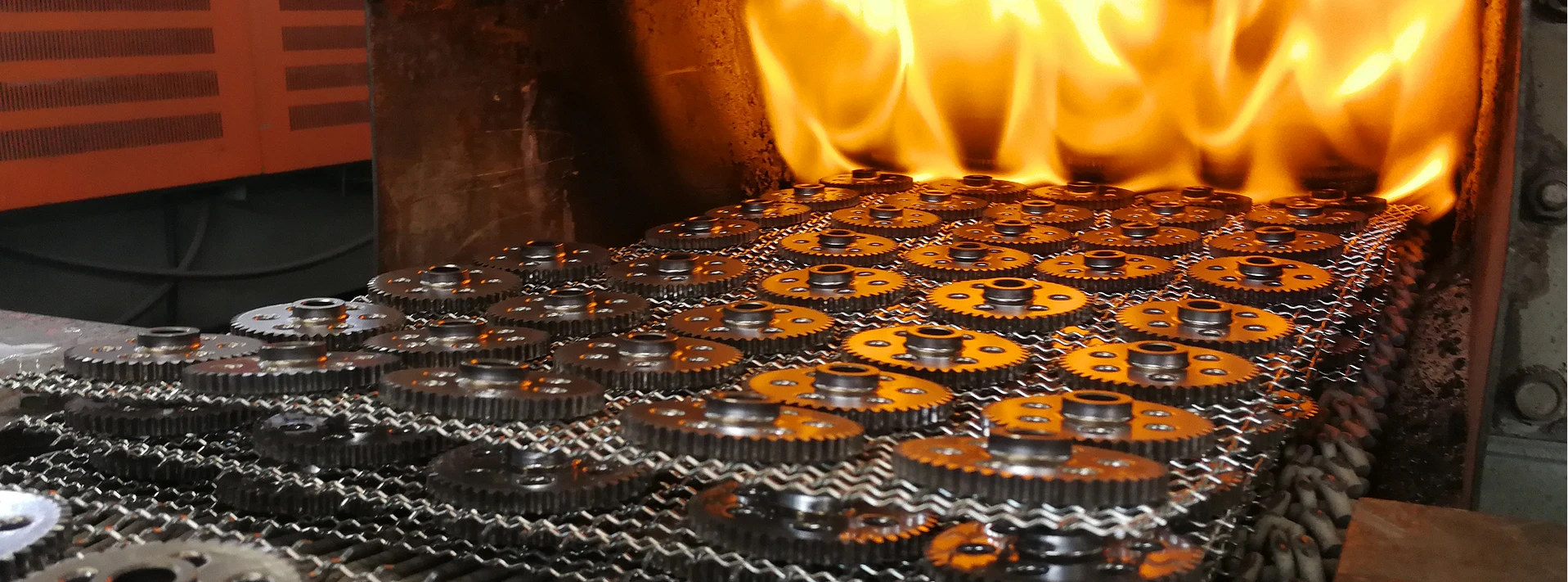
Advanced manufacturing enables production of gears with 0.005mm tolerances. Surface hardening techniques like vacuum carburizing increase wear resistance by 300% compared to standard gears. Our testing shows:
- 93% reduction in backlash at 20Nm loads
- 72% longer service life under continuous operation
- 55% weight reduction through optimized tooth profiles
Manufacturer Capability Analysis
| Parameter | PrecisionGear Co. | MicroTech Parts | Alpha Components |
|---|---|---|---|
| Minimum Module | 0.3 | 0.5 | 0.4 |
| Surface Finish (Ra) | 0.2μm | 0.4μm | 0.3μm |
| Lead Time (days) | 14 | 21 | 18 |
Tailored Gear Solutions for Specialized Applications
Customization options address specific operational challenges:
- High-temperature alloys (up to 650°C) for aerospace
- Food-grade lubricant-infused gears for packaging
- Non-magnetic variants for medical imaging
Operational Efficiency Improvements Documented
Field data from automotive robotics installations:
| Application | Cycle Time | Energy Use | Maintenance |
|---|---|---|---|
| Assembly Line Actuators | -15% | -22% | +40% intervals |
| Paint System Drives | -9% | -18% | +35% intervals |
Advanced Materials Revolutionizing Gear Performance
Composite metal polymers now enable:
- 85% noise reduction
- 50% higher load capacity
- Corrosion resistance in pH 2-12 environments
Innovations Shaping Small Spur Gear Manufacturing
Additive manufacturing now produces fully functional 8mm gears with 72-tooth counts. AI-driven quality systems detect micron-level defects with 99.97% accuracy. These advances position small spur gears as critical components in next-generation automation systems, with projected market growth to $4.7B by 2028.

(small spur gear)
FAQS on small spur gear
Q: What are common applications of small spur gears?
A: Small spur gears are widely used in mechanical systems like clocks, printers, and electric tools. They efficiently transmit motion between parallel shafts. Their simplicity makes them ideal for low-to-moderate speed applications.
Q: What materials are used to manufacture small gear parts?
A: Common materials include hardened steel for durability, brass for corrosion resistance, and nylon for noise reduction. Material selection depends on load capacity, operating environment, and cost requirements.
Q: How to choose reliable small gear manufacturers?
A: Look for manufacturers with ISO certification and proven expertise in precision machining. Review their material traceability processes and request samples. Prioritize suppliers offering custom design support and quality guarantees.
Q: How to maintain small spur gears for longevity?
A: Regularly clean and lubricate gears to reduce friction-induced wear. Monitor for chipped teeth or abnormal noise during operation. Ensure proper alignment and avoid exceeding recommended torque limits.
Q: What causes premature failure in small gear parts?
A: Main failure causes include inadequate lubrication, misalignment, and overload stress. Manufacturing defects like improper tooth profiling or heat treatment can also contribute. Proper installation and routine inspections help prevent failures.