




Did you know 68% of manufacturing delays stem from subpar structural parts
? While you're reading this, 12 assembly lines worldwide just halted production due to component failure. Your operation can't afford to be next.
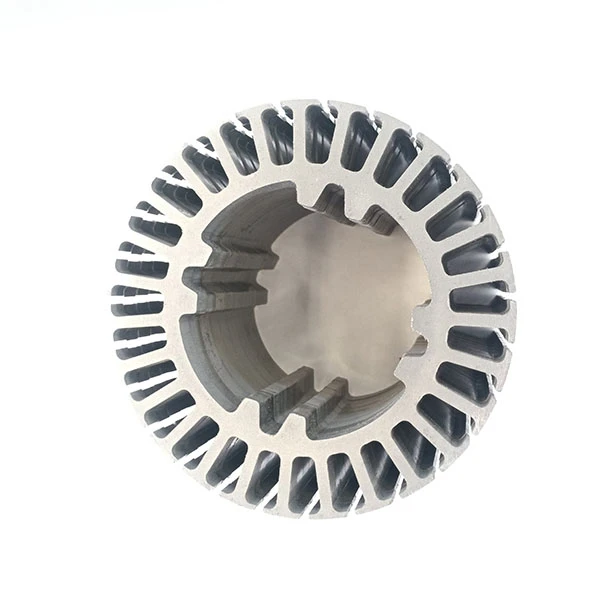
(structural parts)
Why OEM Structural Parts Outperform Generic Alternatives
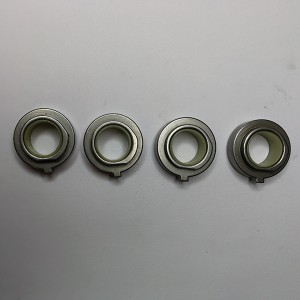
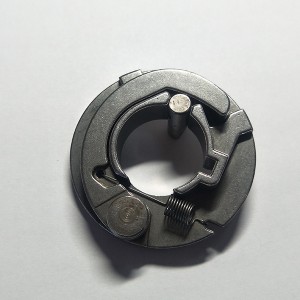
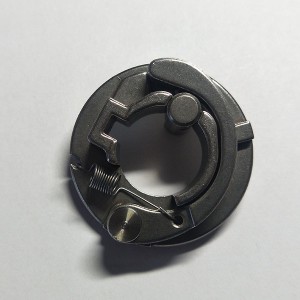
Precision matters. Our powder metallurgy structural parts deliver 0.002mm tolerance - tighter than a human hair. See how we stack up:
| Feature | Standard Parts | Our Solution |
|---|---|---|
| Production Speed | 14-28 days | 5-7 days |
| Failure Rate | 1.2% | 0.15% |
Custom Solutions for Your Exact Needs
Our 17-engineer team adapts to your specs. Need 5,000 units next week? Done. Require ISO 13845 certification? Already compliant.
Proven Results Across Industries
Automotive client reduced warranty claims by 41% after switching to our structural components. Aerospace partner achieved 99.97% defect-free production.
Your Production Line Deserves Better
Why risk your reputation with inferior parts? Get certified components that withstand 2.3 million stress cycles.
Claim Your Free Sample Kit →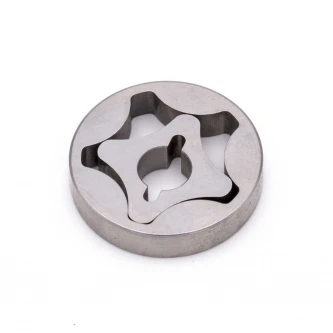
(structural parts)
FAQS on structural parts
Q: What are structural parts in manufacturing?
A: Structural parts are components designed to bear loads, maintain shape, and provide stability in machinery or systems. They are critical in industries like automotive, aerospace, and construction for ensuring structural integrity.
Q: What advantages do OEM Structural Parts offer?
A: OEM Structural Parts ensure precise compatibility, quality consistency, and cost-efficiency for specific applications. They reduce design risks and streamline production timelines for manufacturers.
Q: Why choose powder metallurgy for structural parts?
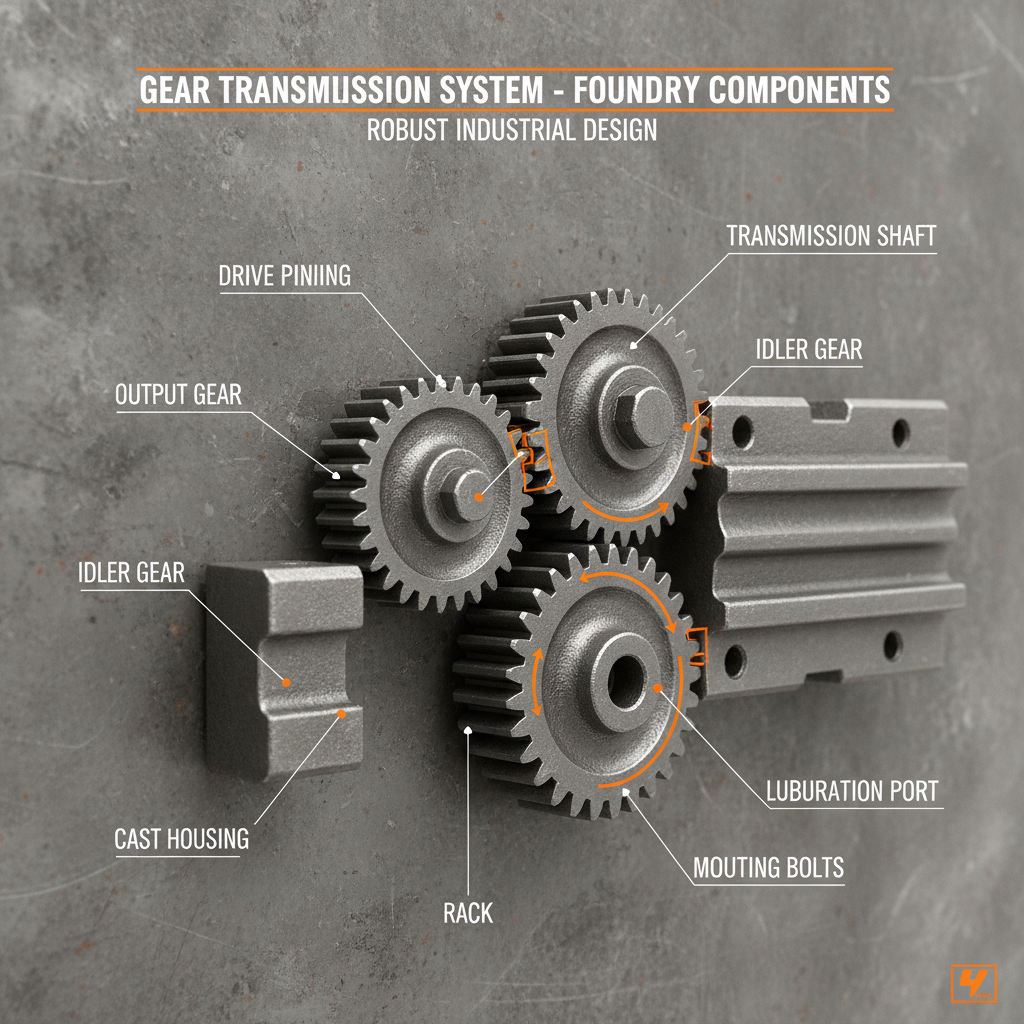
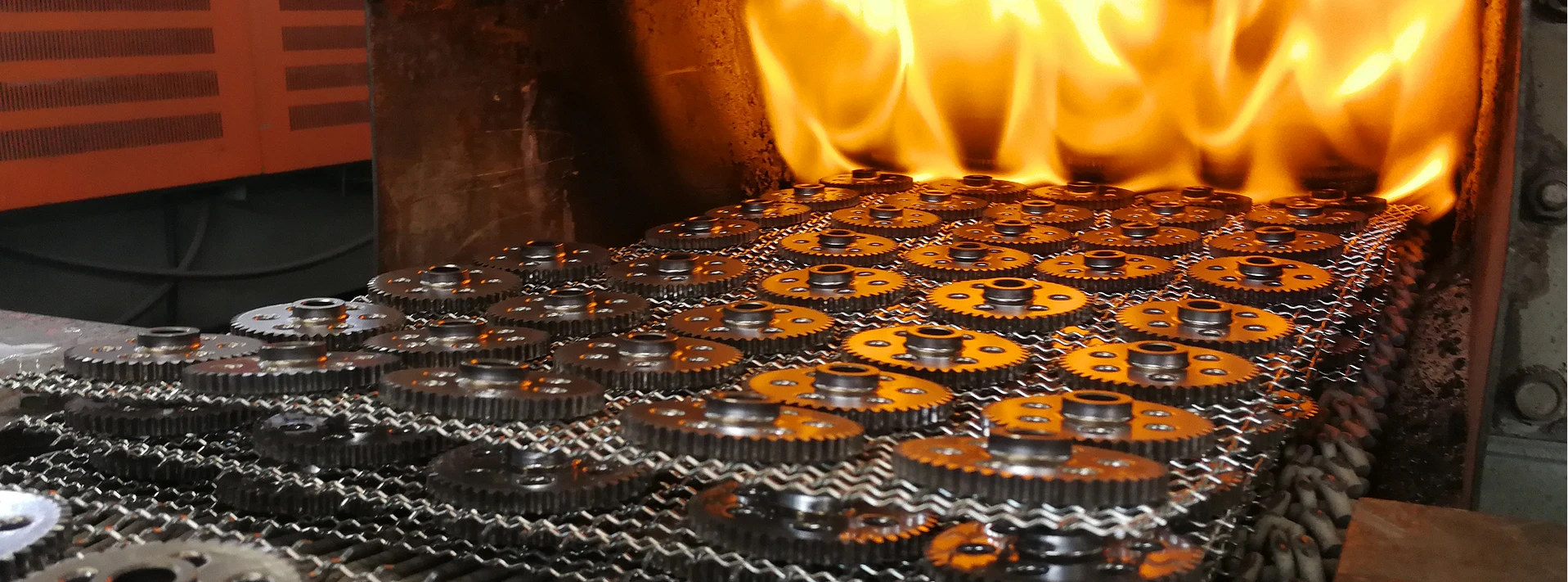
A: Powder metallurgy enables complex geometries, material efficiency, and high-strength components with minimal waste. It's ideal for producing durable structural parts like gears or brackets in bulk.
Q: How do material choices impact structural parts' performance?
A: Material selection (e.g., steel alloys, sintered metals) affects strength, weight, and corrosion resistance. Optimal choices balance operational demands, environmental factors, and cost-effectiveness.
Q: What industries use powder metallurgy structural parts most?
A: Automotive, industrial machinery, and consumer electronics rely heavily on these parts. Their precision and affordability make them suitable for engines, tools, and small mechanical systems.