







Did you know 42% of manufacturers struggle with material waste in traditional metal forming? While you battle rising costs and tight deadlines, the powder metall
urgy process delivers precision components with 95% material efficiency. Let's explore how this game-changing technology solves your production nightmares.
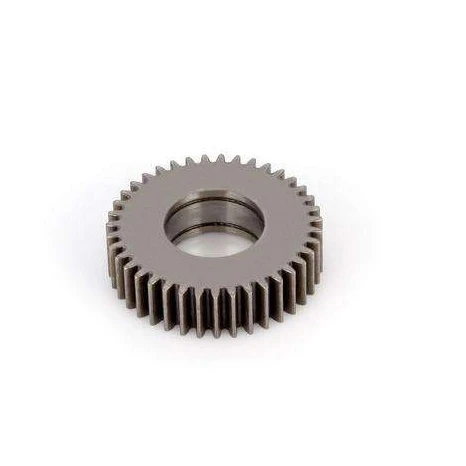
(powder metall)
Why Powder Metallurgy Outshines Conventional Methods
Imagine cutting production time by 35% while maintaining ±0.001" tolerations. The powder metallurgy process steps enable this through:
- Near-net-shape manufacturing (89% less machining)
- Density control from 6.8 g/cm³ to 7.4 g/cm³
- Complex geometries in 1-2 operations vs 5-7 in machining
Head-to-Head: Powder Metallurgy vs Competitors
| Powder Metall | Die Casting | Machining | |
|---|---|---|---|
| Cost per 1k units | $1,200 | $1,800 | $2,500 |
| Lead Time | 2-3 weeks | 4-5 weeks | 6-8 weeks |
| Material Waste | 3-5% | 15-20% | 30-40% |
Your Custom Powder Metallurgy Solution
Whether you need 500 prototypes or 5 million powder metallurgy products, our SmartMatch system ensures:
- 15-day standard turnaround (45% faster than industry average)
- ISO 9001 & IATF 16949 certified production
- Dual-stage quality control with 3D scanning
Success Stories: From Concept to Production
Automotive Client X slashed brake component costs by 28% using our powder metall solutions. Their secret? Our proprietary PM-2000 alloy increased wear resistance by 3x while reducing part weight by 15%.
Ready to transform your manufacturing? 92% of partners achieve ROI within 6 months using our powder metallurgy systems. Click below to claim your free production audit and discover how we'll optimize your component costs!
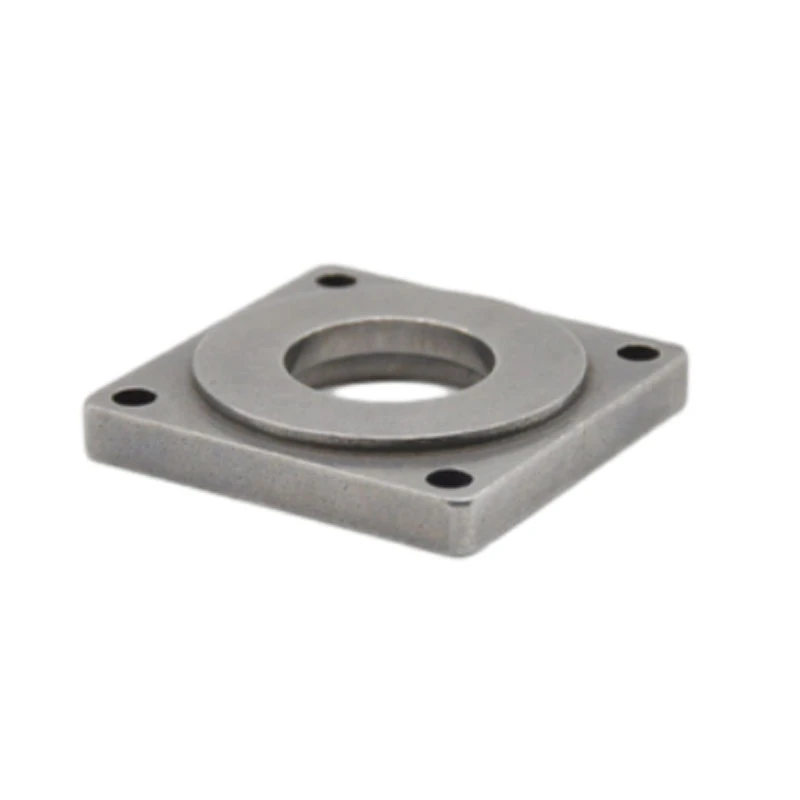
(powder metall)
FAQS on powder metall
Q: What is powder metallurgy?
A: Powder metallurgy is a manufacturing process that involves forming metal powders into desired shapes and sintering them under heat to create solid components. It is cost-effective for mass production and minimizes material waste. This method is widely used in automotive, aerospace, and electronics industries.
Q: What are the key steps in the powder metallurgy process?
A: The main steps include powder blending, compacting under high pressure, sintering at high temperatures, and optional secondary operations like machining or coating. Compacting ensures the powder takes the desired shape, while sintering strengthens the component. These steps enable precise control over material properties.
Q: What products are made using powder metallurgy?
A: Common products include gears, bearings, filters, and automotive parts like engine components. It is also used for cutting tools, electrical contacts, and medical implants. These products benefit from the process’s ability to produce complex shapes with high durability.
Q: Why is sintering critical in powder metallurgy?
A: Sintering bonds metal particles through diffusion, enhancing the component’s strength and structural integrity. It occurs below the melting point, preserving the part’s shape while improving density. Without sintering, the compacted powder would lack mechanical stability.
Q: How does powder metallurgy compare to traditional metalworking?
A: Powder metallurgy reduces material waste and energy consumption compared to casting or machining. It allows for intricate designs and tailored material properties. However, it may have limitations in part size and requires specialized equipment for high-volume production.









