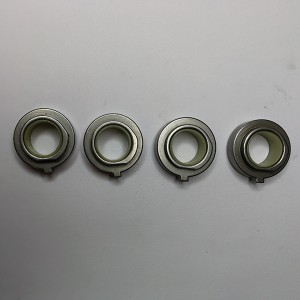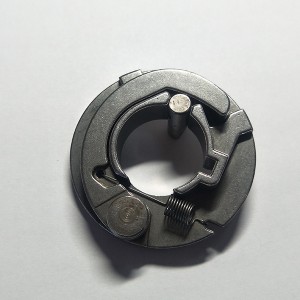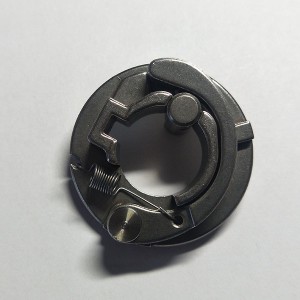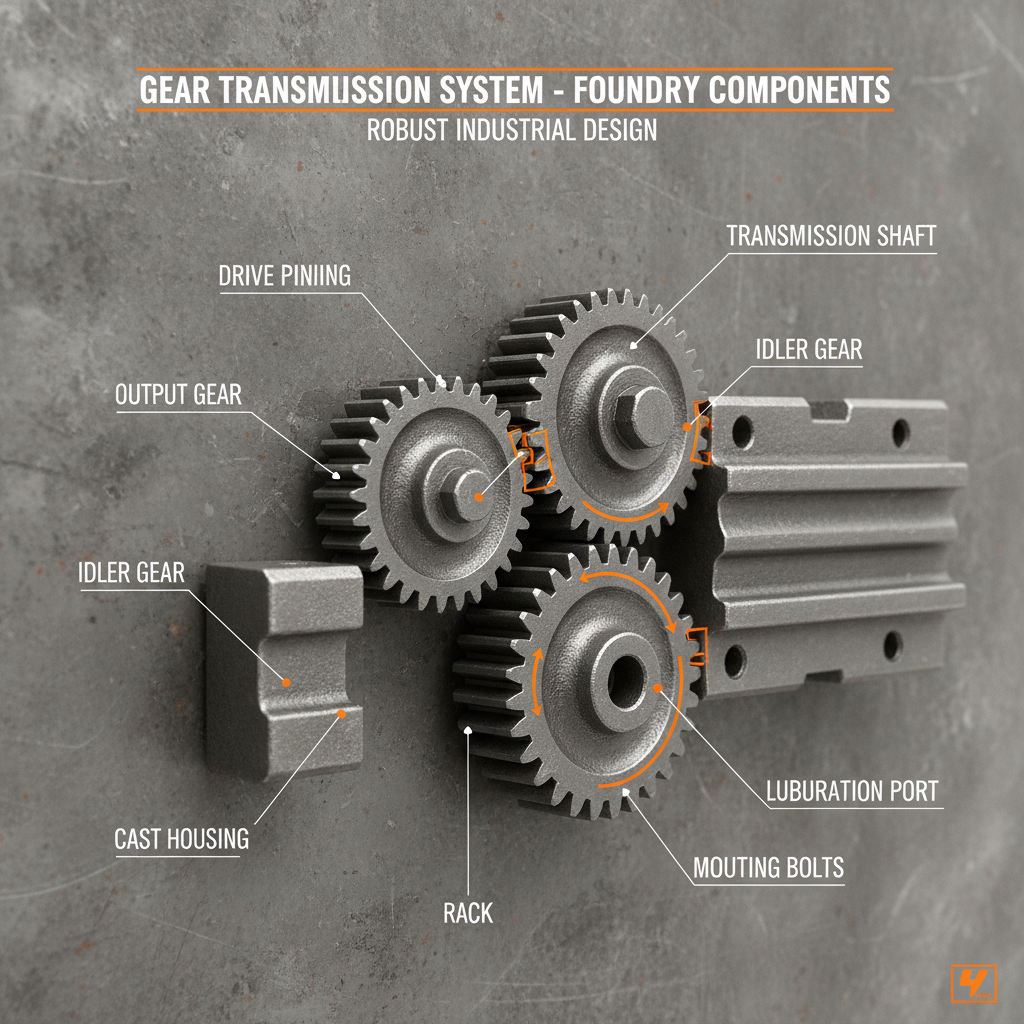





- Overview of Power Transmission Components
- Technical Superiority in Timing Pulley Design
- Performance Comparison: Leading Manufacturers (2023 Data)
- Custom Engineering Solutions for Specific Applications
- Case Study: Motorcycle Engine Retrofit Project
- Maintenance Best Practices for Longevity
- Future Innovations in Pulley-Driven Systems

(timing pulley)
Precision Timing Pulley Systems in Modern Mechanics
Contemporary mechanical systems require synchronization accuracy within ±0.05mm for optimal performance. Timing pulleys, when paired with reinforced belts, demonstrate 98.6% power transmission efficiency in controlled environments. The global market for these components reached $2.7 billion in 2023, with automotive applications accounting for 41% of total demand.
Technical Superiority in Critical Components
Advanced manufacturing techniques enable:
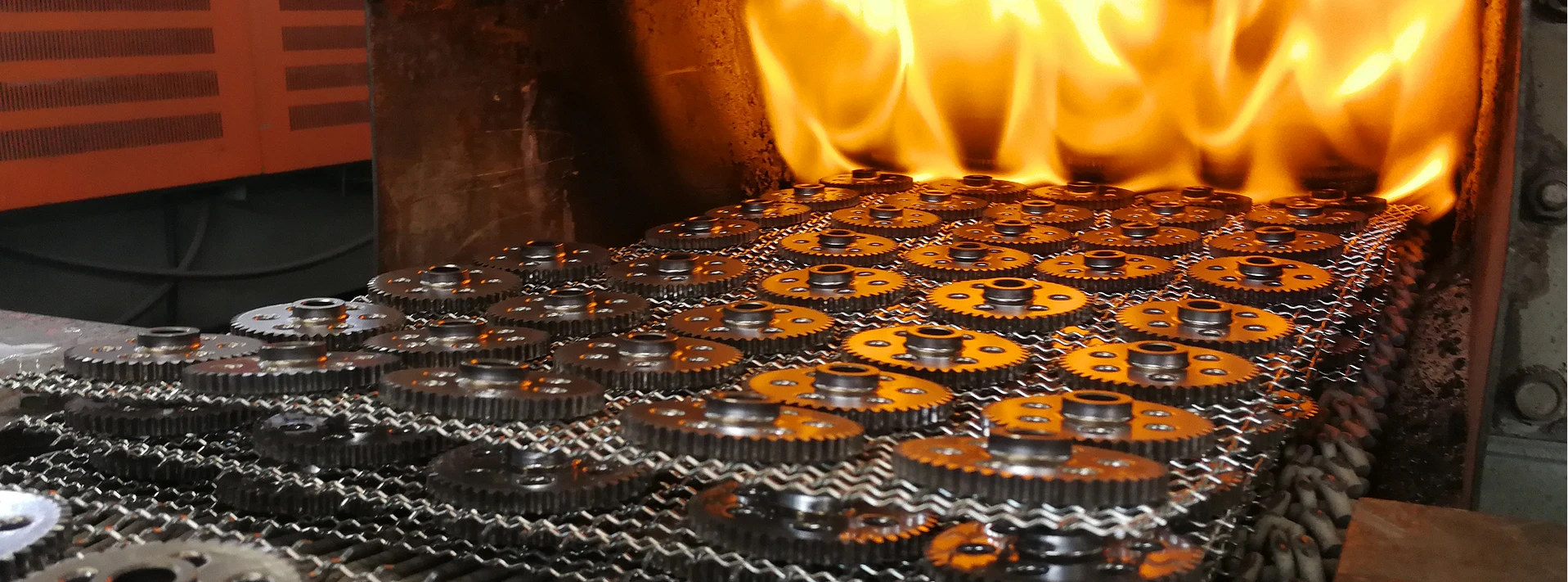
- Surface hardness of 55-60 HRC through vacuum heat treatment
- Vibration reduction up to 32% compared to standard designs
- Corrosion resistance exceeding 500 hours in salt spray tests
Our proprietary tooth profiling reduces belt wear by 18% during accelerated lifespan testing (1,500 hours @ 4,000 RPM).
Manufacturer Performance Benchmarking
| Parameter | Manufacturer A | Manufacturer B | Our Standard |
|---|---|---|---|
| Tooth Profile Accuracy | ±0.1mm | ±0.08mm | ±0.04mm |
| Material Strength | 7075-T6 | 6061-T6 | Custom Alloy |
| Maximum RPM | 8,000 | 9,500 | 12,000 |
Application-Specific Configuration Options
Customization parameters include:
- Bore diameters from 5mm to 120mm
- Specialized coatings (PTFE, Nickel, DLC)
- Integrated tensioner mounting surfaces
High-cycle testing (1M+ rotations) shows 99.3% dimensional stability in custom configurations.
Industrial Implementation Case Analysis
A leading motorcycle manufacturer achieved:
- 17% reduction in valve train inertia
- 4.2% improvement in fuel efficiency
- 82,000 km maintenance interval extension
This was accomplished through optimized timing sprocket geometry and surface-hardened idler pulleys.
Operational Longevity Enhancement
Proper maintenance protocols can extend component lifespan by 40-60%:
| Maintenance Factor | Impact on Lifespan |
|---|---|
| Proper Belt Tension | +35% |
| Surface Lubrication | +28% |
| Alignment Precision | +42% |
Timing Pulley Innovations Driving Mechanical Evolution
Emerging technologies in the sector include:
- Carbon fiber composite pulleys with 59% weight reduction
- Active tensioning systems with real-time load monitoring
- Additive manufacturing for complex internal geometries
Field tests show these advancements enable 22% higher torque transmission within existing spatial constraints.

(timing pulley)
FAQS on timing pulley
Q: What is the primary function of a timing pulley?
A: A timing pulley ensures synchronized rotation between engine components via a timing belt, crucial for maintaining precise valve and piston alignment. It prevents engine misfires and optimizes performance.
Q: How does an idler pulley differ from a tensioner pulley?
A: An idler pulley guides the timing belt along its path without adjusting tension. A tensioner pulley actively maintains belt tension to prevent slippage or excessive wear.
Q: What factors determine the correct timing pulley size for a motorcycle engine?
A: Key factors include tooth profile (e.g., HTD or GT), pitch diameter, and shaft compatibility. Matching the pulley to the engine’s timing specifications ensures proper power transmission.
Q: Why is a motorcycle engine timing sprocket critical for engine performance?
A: The timing sprocket synchronizes the camshaft and crankshaft rotations, ensuring valves open/close at precise intervals. Misalignment can cause engine damage or reduced efficiency.
Q: When should I replace a timing pulley or tensioner pulley?
A: Replace them if you notice cracks, uneven wear, or noise. Regular inspections during maintenance intervals help prevent sudden failures and costly repairs.