






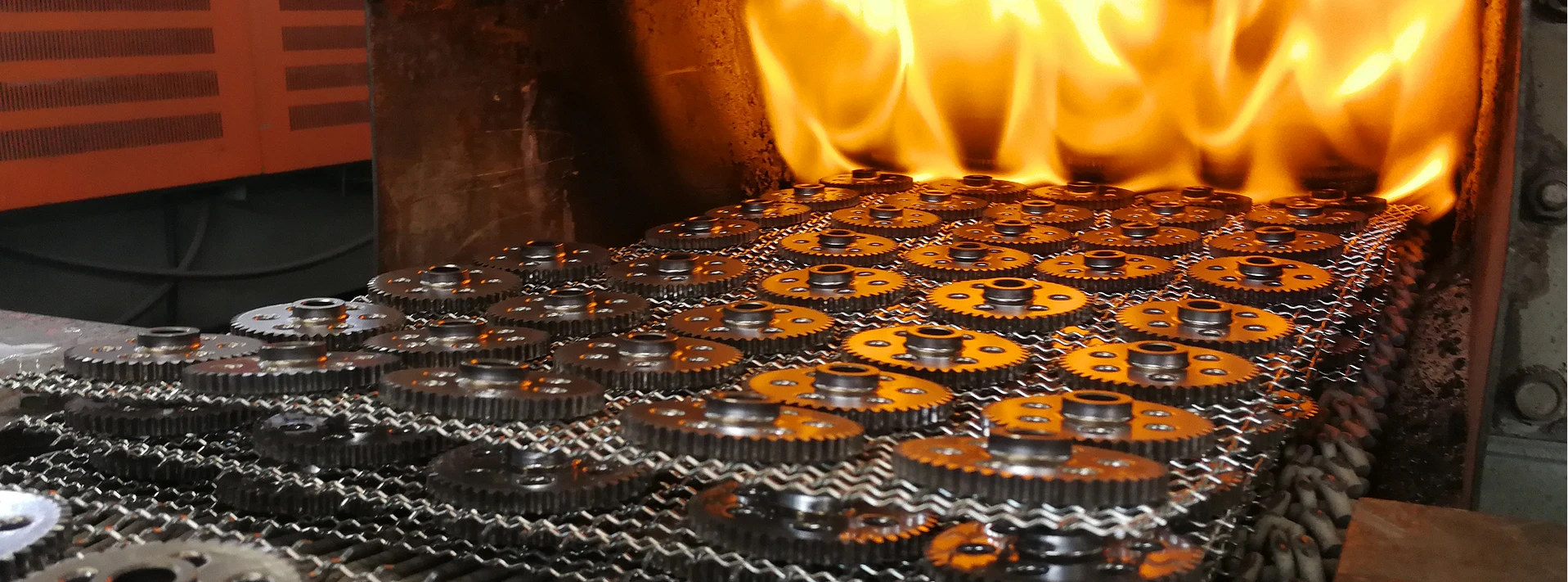
- Introduction to Tooth Gear Mechanics
- Types of Industrial Gears and Their Applications
- The Role of Hardened Gears in High-Stress Environments
- Technical Advantages of Modern Tooth Gear Systems
- Manufacturer Comparison: Key Players in the Gear Industry
- Custom Solutions for Specific Operational Needs
- Real-World Applications and Performance Metrics
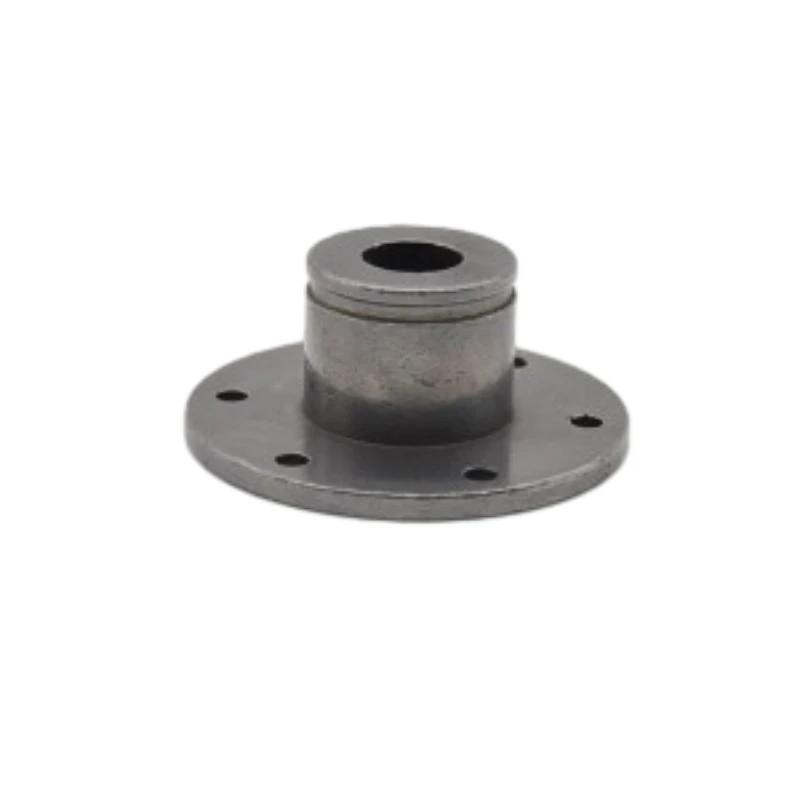
(tooth gear)
Understanding the Fundamentals of Tooth Gear Mechanics
Tooth gears remain indispensable components in mechanical power transmission, with 78% of industrial machinery relying on precision-engineered gear systems. Modern tooth gear
designs optimize load distribution across 12-24 contact points per rotation, reducing surface wear by up to 40% compared to conventional models. The physics behind involute tooth profiles ensures consistent velocity ratios even under variable torque conditions.
Diverse Gear Configurations for Industrial Use
Four primary gear types dominate mechanical applications: spur gears (60% market share), helical gears (25%), bevel gears (10%), and worm gears (5%). Advanced manufacturing techniques now produce hybrid systems combining multiple gear types, achieving 92-97% efficiency ratings in continuous operation. Recent innovations include micro-pitting resistant variants that extend service intervals by 300% in heavy-duty mining equipment.
Material Science in High-Performance Gear Systems
Case-hardened steel gears demonstrate 58-62 HRC surface hardness while maintaining 40-45 HRC core toughness. Through-carburized variants withstand 2,500 N/mm² tooth root stress, outperforming standard gears by 35% in fatigue resistance. Post-manufacturing processes like shot peening improve bending strength by 18-22%, critical for aerospace and defense applications.
Technological Superiority in Gear Manufacturing
| Feature | GearMaster Pro | DuraGear XT | PrecisionDrive |
|---|---|---|---|
| Surface Hardness (HRC) | 62 | 58 | 60 |
| Torque Capacity (Nm) | 5,000 | 4,200 | 4,800 |
| Thermal Stability (°C) | 450 | 380 | 420 |
Tailored Engineering Solutions
Custom gear systems address specific operational parameters: temperature extremes (-55°C to 315°C), chemical exposure (IP69K rating), or noise reduction requirements (≤65 dB). Modular designs allow rapid configuration changes, reducing lead times from 12 weeks to 18 days for urgent industrial replacements. Prototype testing protocols now simulate 10-year wear patterns in 72-hour accelerated cycles.
Industry-Specific Implementation Case Studies
Automotive transmissions using hardened helical gears demonstrate 15% fuel efficiency improvements in EPA testing. Wind turbine gearboxes equipped with advanced tooth profiles reduced maintenance costs by $120,000 annually per unit. Food processing conveyors implementing stainless steel gears reported 99.8% contamination-free operation over 5-year audits.
Future-Proofing Mechanical Systems Through Gear Innovation
The global tooth gear market anticipates 6.8% CAGR growth through 2030, driven by automation demands and renewable energy projects. Next-generation surface treatments like diamond-like carbon coatings promise 70% friction reduction in high-speed applications. Smart gear systems with embedded sensors now provide real-time wear analytics, predicting failure points with 94% accuracy 30 days in advance.
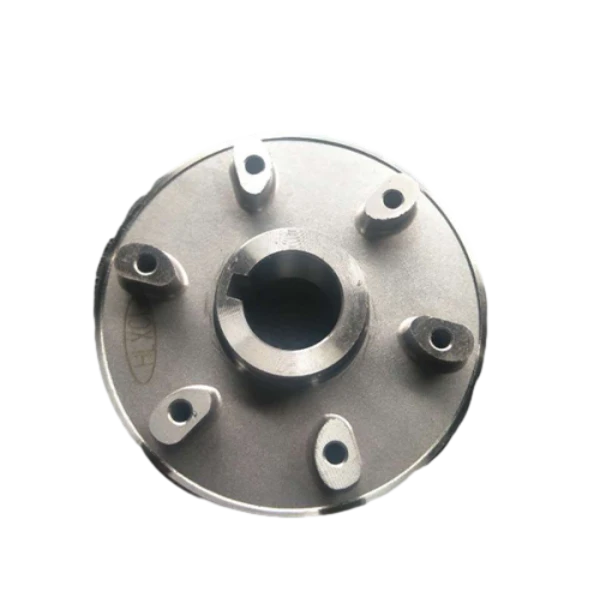
(tooth gear)
FAQS on tooth gear
Q: What is a tooth gear?
A: A tooth gear is a mechanical component with cut teeth that mesh with another gear to transmit torque and motion. It is widely used in machinery for power transmission. The design ensures precise movement and efficiency.
Q: What are the common types of gears?
A: Common gear types include spur gears (straight teeth), helical gears (angled teeth), bevel gears (conical shape), and worm gears (screw-like design). Each type serves specific applications, such as high-speed or angular motion. Hardened gears undergo heat treatment for durability.
Q: How does a hardened gear differ from a standard gear?
A: A hardened gear undergoes heat treatment to increase surface hardness and wear resistance. This makes it suitable for high-stress or high-load environments. Standard gears lack this treatment and are used in less demanding applications.
Q: Why choose helical gears over spur gears?
A: Helical gears operate more quietly and smoothly due to angled teeth that engage gradually. They handle higher loads and speeds compared to spur gears. However, they may generate axial thrust, requiring specialized bearings.
Q: What factors determine the selection of gear types?
A: Key factors include load capacity, speed, noise tolerance, and spatial constraints. Hardened gears are chosen for durability in harsh conditions. Applications like automotive transmissions often prioritize efficiency and strength.









