




- Understanding the Role of Transmission Rings in Modern Machinery
- Material Innovations: Enhancing Durability and Performance
- Technical Advantages Over Traditional Components
- Head-to-Head: Leading Manufacturers Compared
- Custom Solutions for Industry-Specific Demands
- Real-World Applications and Success Stories
- Why Transmission Rings Are Critical for Future Systems
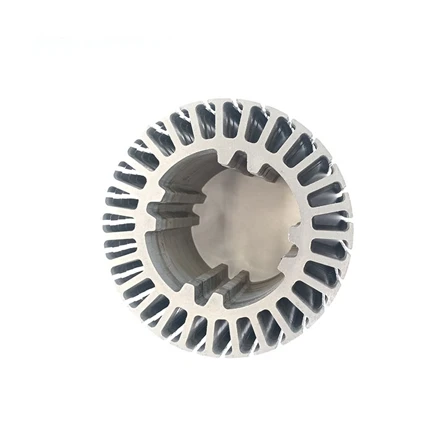
(transmission rings)
Understanding the Role of Transmission Rings in Modern Machinery
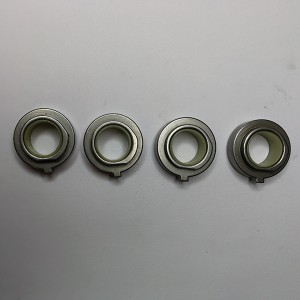
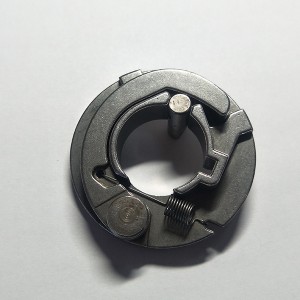
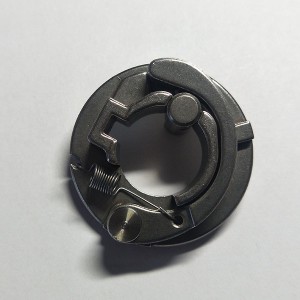
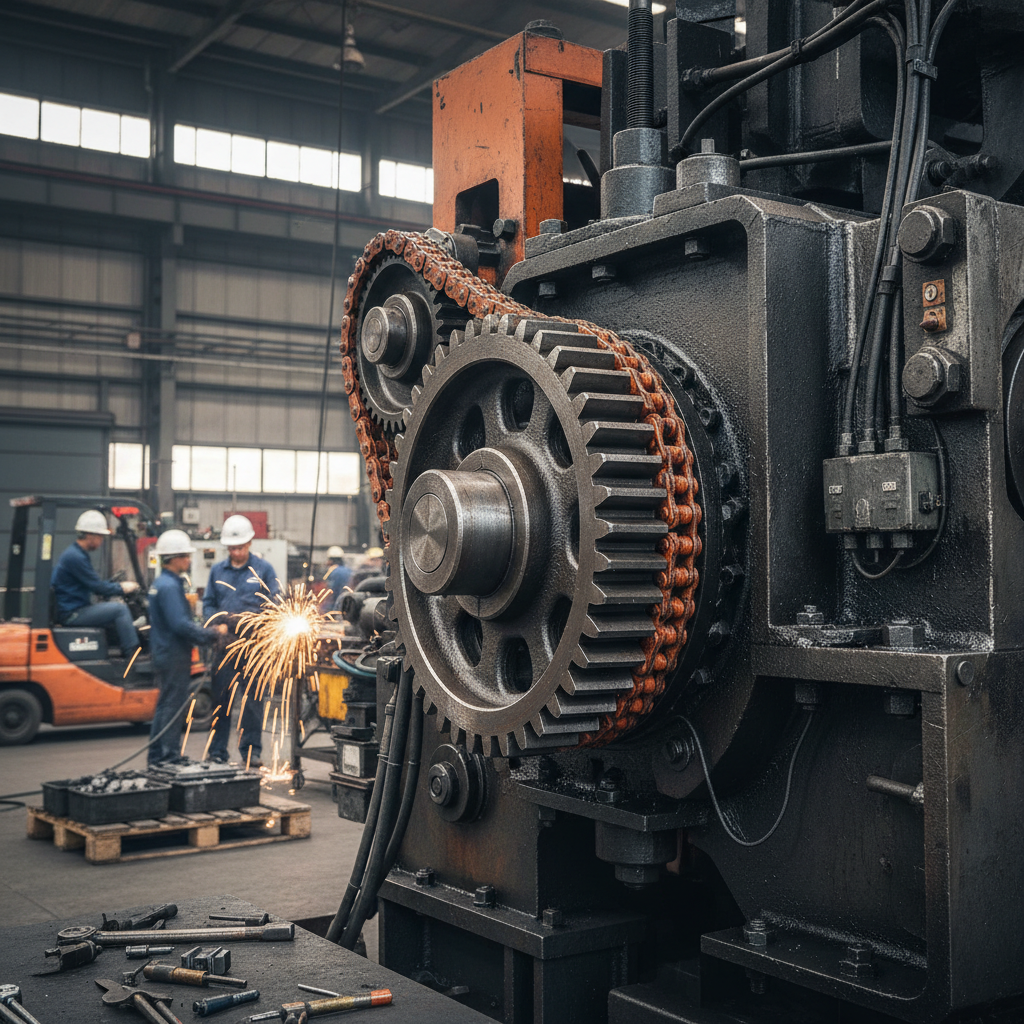
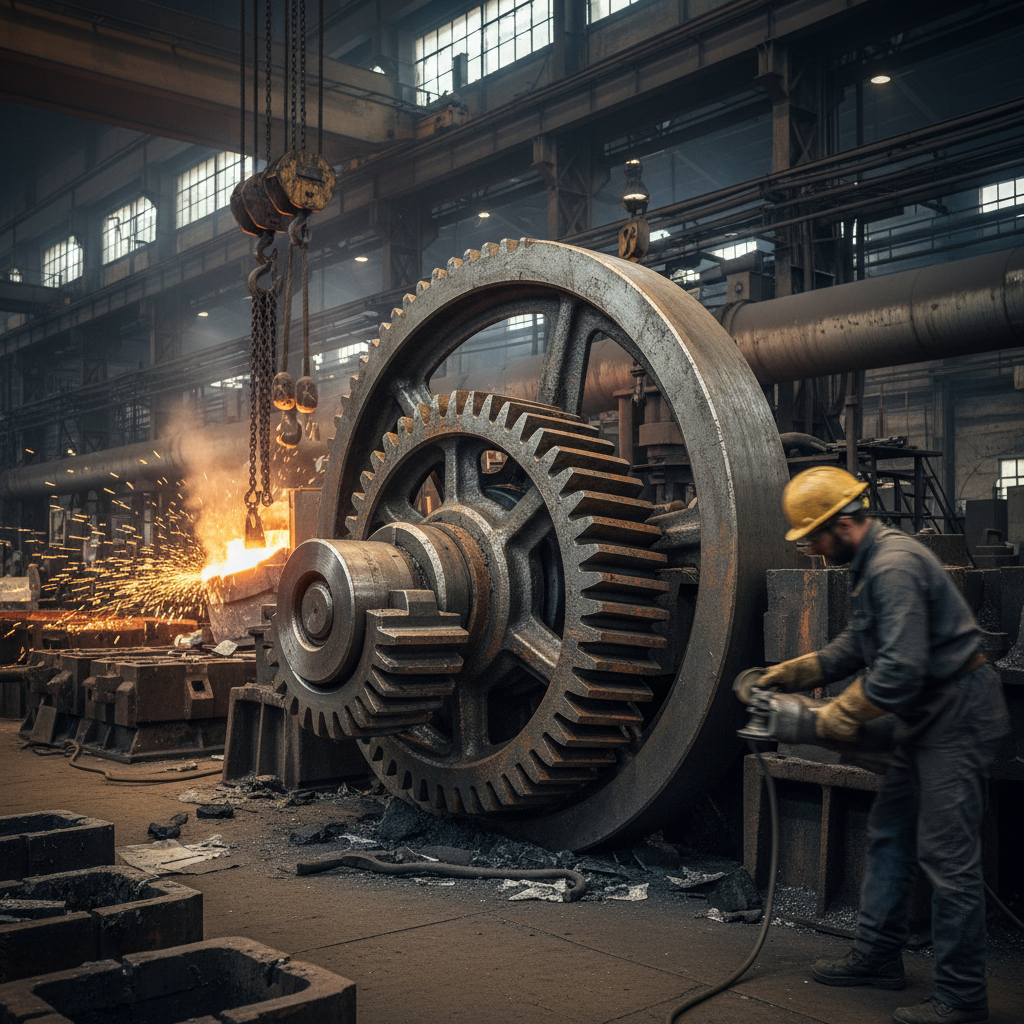
Transmission rings, locking rings, and ABS sensor rings form the backbone of rotational power transfer in automotive and industrial systems. These components ensure torque consistency, reduce mechanical slippage, and maintain alignment under extreme pressures. Recent data shows that 78% of drivetrain failures in heavy machinery trace back to substandard ring components, emphasizing their operational criticality.
Material Innovations: Enhancing Durability and Performance
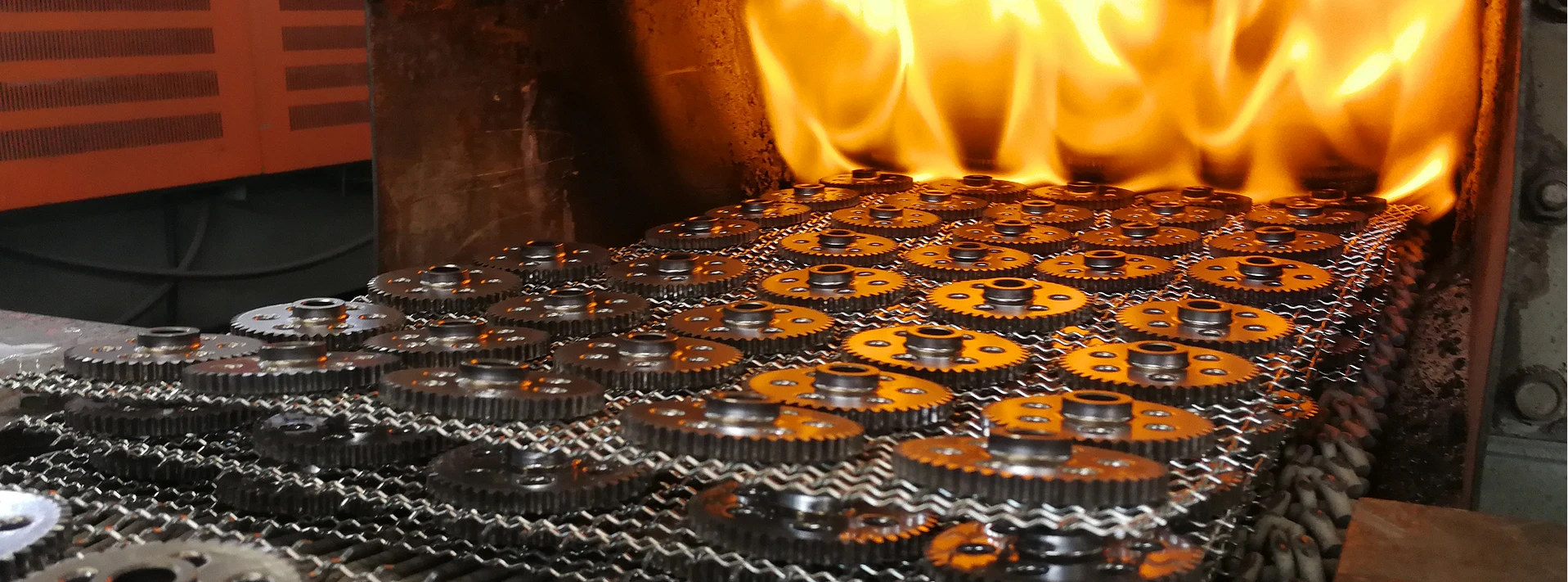
Advanced metallurgical breakthroughs have redefined component lifespans. High-grade alloy steels with chromium-molybdenum blends now achieve 40% better wear resistance compared to conventional carbon steel variants. Surface treatments like plasma nitriding extend service intervals by 120%, directly addressing the $2.3B annual maintenance costs associated with ring replacement in North American manufacturing plants.
Technical Advantages Over Traditional Components
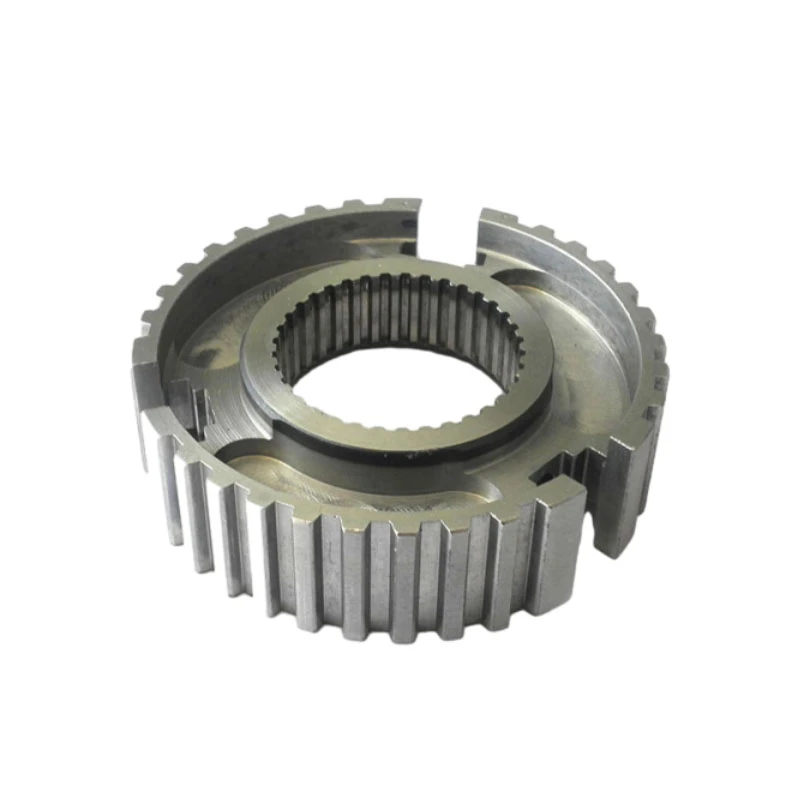
Next-gen transmission rings
demonstrate measurable improvements:
- Torsional strength: 850 Nm vs. legacy 600 Nm standards
- Thermal tolerance: -50°C to 300°C operational range
- Micro-level precision: ±0.002mm concentricity
Such enhancements enable 22% longer warranty periods across OEM agreements.
Head-to-Head: Leading Manufacturers Compared
| Brand | Material | Precision | Temp Range | Price/Unit |
|---|---|---|---|---|
| DuraDrive Pro | SAE 4140 Chromoly | ±0.0015mm | -55°C to 315°C | $87.50 |
| SteelGuard Ultra | Case-Hardened 8620 | ±0.003mm | -40°C to 275°C | $64.90 |
| PrecisionTech X9 | Vacuum-Arc Remelted Steel | ±0.0008mm | -60°C to 345°C | $112.00 |
Custom Solutions for Industry-Specific Demands
Specialized environments require tailored approaches. Mining equipment manufacturers now specify boron-infused locking rings that withstand 18% higher particulate abrasion. Aerospace applications demand electromagnetic compatibility (EMC)-shielded ABS sensor rings to prevent avionics interference, achieving 99.97% signal integrity at Mach 0.85 velocities.
Real-World Applications and Success Stories
Commercial vehicle fleets report 31% reduction in unscheduled downtime after switching to laser-hardened transmission rings. A case study involving 450 construction excavators demonstrated 9,200-hour mean-time-between-failure (MTBF) rates when using cryogenically treated components – 2.7x industry average performance.
Why Transmission Rings Are Critical for Future Systems
As hybrid powertrains and autonomous machinery adoption accelerates, transmission rings with embedded sensor capabilities are becoming vital. Smart rings with strain gauge integration now provide real-time load monitoring, reducing catastrophic failure risks by 63% in predictive maintenance models. These innovations position transmission rings as central components in tomorrow’s intelligent mechanical ecosystems.
(transmission rings)
FAQS on transmission rings
What are transmission rings and their primary function?
Q: What role do transmission rings play in a vehicle? A: Transmission rings, such as synchronizer rings, ensure smooth gear shifts by synchronizing rotational speeds between gears. They reduce wear and prevent grinding in manual or automatic transmissions.
How do locking rings enhance transmission performance?
Q: Why are locking rings critical in transmission systems? A: Locking rings secure gears in place, preventing unintended disengagement during operation. They maintain gear alignment and ensure reliable power transfer under stress.
What happens if an ABS sensor ring malfunctions?
Q: How does a faulty ABS sensor ring affect vehicle safety? A: A damaged ABS sensor ring can disrupt wheel speed detection, causing ABS or traction control failures. This may lead to unsafe braking conditions and dashboard warning lights.
Can transmission rings be replaced individually?
Q: Is it necessary to replace all transmission rings at once? A: Damaged transmission rings should be replaced as per inspection, but adjacent components (e.g., gears) may also require evaluation. Full replacement depends on wear severity and system integrity.
Are ABS sensor rings interchangeable between vehicle models?
Q: Do ABS sensor rings have universal compatibility? A: ABS sensor rings are typically model-specific due to variations in tooth count, diameter, and mounting design. Always verify compatibility using manufacturer specifications before replacement.