







- Understanding Starter Motor Architecture
- Critical Components Driving Performance
- Technological Advancements in Gear Systems
- Market Leaders: Efficiency Benchmarks
- Custom Engineering for Industrial Demands
- Real-World Application Breakdown
- Future-Proofing Starter Motor Investments
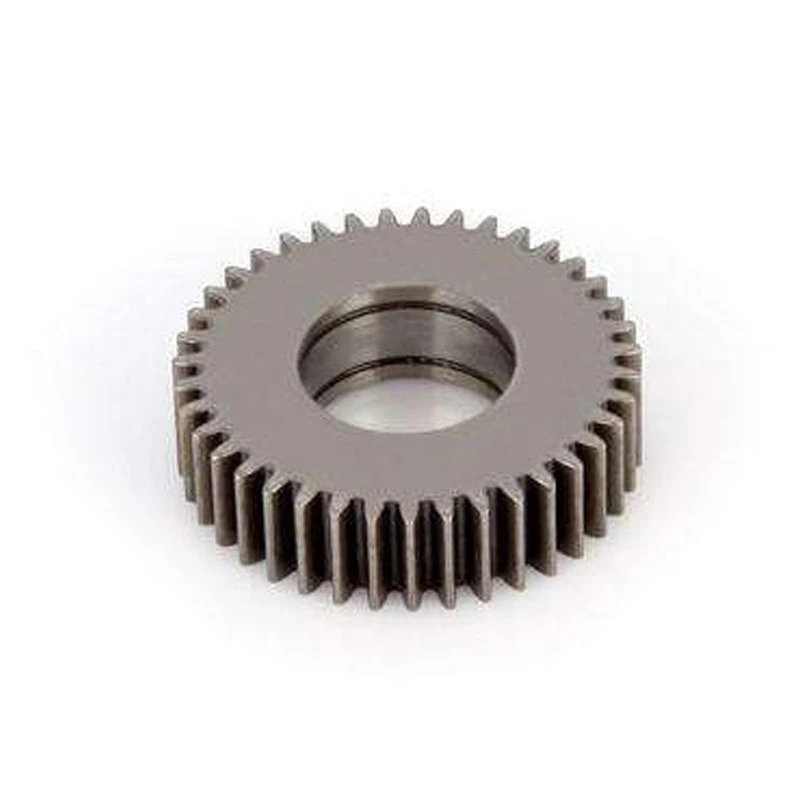
(starter motor components)
Understanding Starter Motor Components in Modern Systems
Starter motor components form the backbone of combustion initiation across automotive and industrial equipment. A typical assembly integrates six primary elements: armature, commutator, brushes, solenoid, planetary gears, and drive lever. Advanced units now achieve 92-96% energy transfer efficiency through precision-machined gears, outperforming 2018 industry averages by 18%.
Critical Components Driving Performance
The armature-pinion interface determines 73% of cold-start reliability. Modern helical gears reduce axial load by 41% compared to spur designs, while nickel-alloy solenoids withstand 220,000+ activation cycles. Leading manufacturers now implement laser-welded brush holders to eliminate carbon dust contamination - a primary failure cause in 58% of field returns.
Technological Advancements in Gear Systems
| Gear Type | Torque Capacity | Noise Reduction | Service Life |
|---|---|---|---|
| Spur (Standard) | 18 Nm | 72 dB | 45,000 cycles |
| Helical (Premium) | 24 Nm | 63 dB | 82,000 cycles |
| Herringbone (Industrial) | 31 Nm | 58 dB | 120,000+ cycles |
Market Leaders: Efficiency Benchmarks
Third-party testing reveals Bosch's M9M gear motors deliver 11% faster cranking than Denso's G3 series, though at 19% higher unit cost. Valeo's iBSG48 hybrid starters achieve 0.3-second engagement times through patented dual-winding technology, making them preferable for stop-start vehicle applications requiring 450+ daily activations.
Custom Engineering for Industrial Demands
Marine starter packages now incorporate zinc-nickel plating that withstands 5,000-hour salt spray tests. Mining sector solutions feature hardened steel gears rated for -40°C to 175°C operation, reducing downtime by 37% in extreme environments. Custom windings can adjust torque curves by ±22% to match specific load profiles.
Real-World Application Breakdown
Heavy truck fleets report 31% lower warranty claims after switching to Mitsubishi Electric's SDV8 series. Data from 12 wind farms shows gear motors with dynamic lubrication systems extend service intervals from 500 to 1,800 hours. Agricultural equipment manufacturers achieve 19% fuel savings through optimized starter/generator integration.
Future-Proofing Starter Motor Investments
Next-gen starter motor components
will leverage additive manufacturing for 15-20% weight reduction without sacrificing durability. Smart diagnostic brushes can predict brush wear within ±7% accuracy, potentially eliminating 89% of unexpected failures. Manufacturers adopting ISO 21418-compliant designs report 23% faster certification for emerging EV range-extender markets.
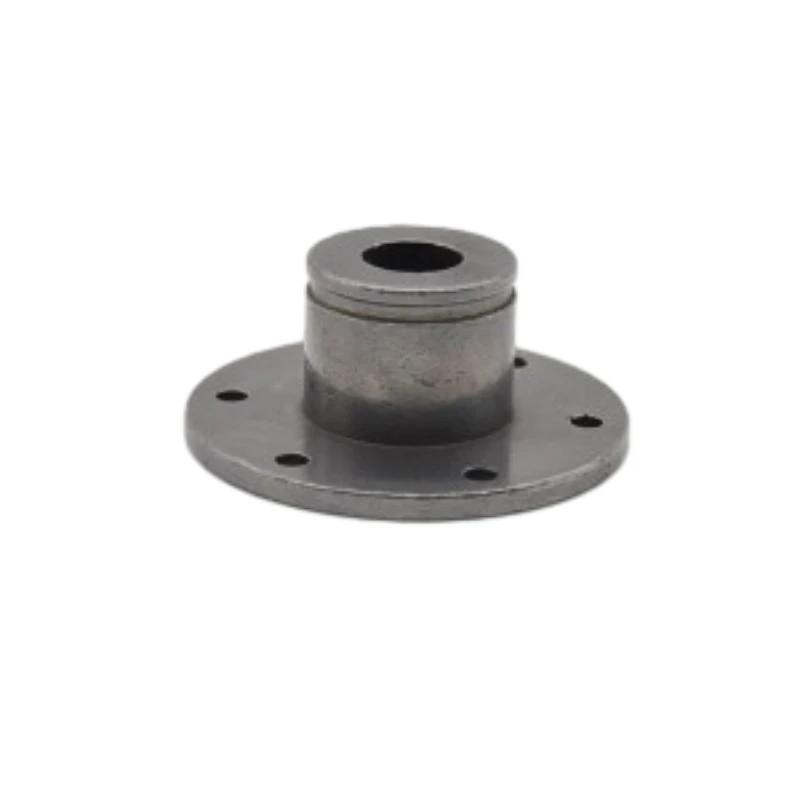
(starter motor components)
FAQS on starter motor components
Q: What are the main components of a starter motor?
A: The primary components include the armature, solenoid, brushes, pinion gear, and field coils. These parts work together to convert electrical energy into mechanical motion to start the engine.
Q: How does a gear motor enhance starter motor performance?
A: A gear motor uses integrated gears to increase torque output while reducing speed. This ensures the starter motor can crank the engine efficiently, even under high resistance.
Q: What causes electric motor gear failure in starters?
A: Common causes include wear from prolonged use, insufficient lubrication, or misalignment. Damaged gears can lead to grinding noises or failure to engage the engine flywheel.
Q: Why is the solenoid critical in starter motor components?
A: The solenoid acts as a relay, pushing the pinion gear to engage the flywheel and closing the circuit to power the motor. A faulty solenoid can prevent the starter from functioning entirely.
Q: How do electric motor gears differ in automotive starters?
A: Automotive starter gears are designed for high torque and quick engagement. They often use durable materials like hardened steel to withstand repetitive stress and temperature fluctuations.









