




Exploring the Types of Gear Mechanical Engineering Geared Towards Industry
Having spent more than a decade in the industrial equipment sector, I’ve seen firsthand how vital gears are—those seemingly simple components that quietly transfer motion and power in everything from massive wind turbines to your average conveyor belt. Oddly enough, despite their ubiquity, many folks overlook how diverse gear types really are and how engineering their selection can make or break a project.
So, let's take a closer look at some common gear types used in mechanical engineering, why they matter, and some practical specs you’ll want to keep an eye on.
Common Types of Gears in Mechanical Engineering
Starting off, there are spur gears. They’re the old faithful — simple, cost-effective, and great for transmitting motion between parallel shafts. I remember when a client complained about noise in their system; switching from straight-cut spur gears to helical helped immensely, thanks to the smoother engagement.
Speaking of helical gears, they’re often praised in industry circles for their quieter operation and ability to handle higher loads. Their angled teeth mean the load is gradually transferred, lessening vibration. However, they generate axial thrust, so bearing selection becomes crucial.
Then there are bevel gears, which are fantastic when you need to transfer motion between intersecting shafts, usually at 90 degrees. They show up frequently in automotive differentials—trust me, those little bevels are finely honed for durability.
Not to forget worm gears, specialized for situations demanding high reduction ratios and self-locking capability. They’re unique creatures: the way a worm interacts with a worm wheel cuts down speed dramatically but also means more friction and inefficiencies. If you’ve ever had to design gearboxes for lifting equipment, you’ve probably wrestled with worm gear trade-offs.
Key Technical Specs to Watch
| Gear Type | Typical Material | Common Usage | Load Capacity | Speed Range (RPM) |
|---|---|---|---|---|
| Spur | Carbon Steel | Conveyors, simple machinery | Moderate | Up to 10,000 |
| Helical | Alloy Steel | Automotive, heavy-duty drives | High | Up to 15,000 |
| Bevel | Hardened Steel | Differentials, marine drives | High | Up to 12,000 |
| Worm | Bronze & Steel | Lifting gear, tuning instruments | Low to Moderate | Low (up to 1,000) |
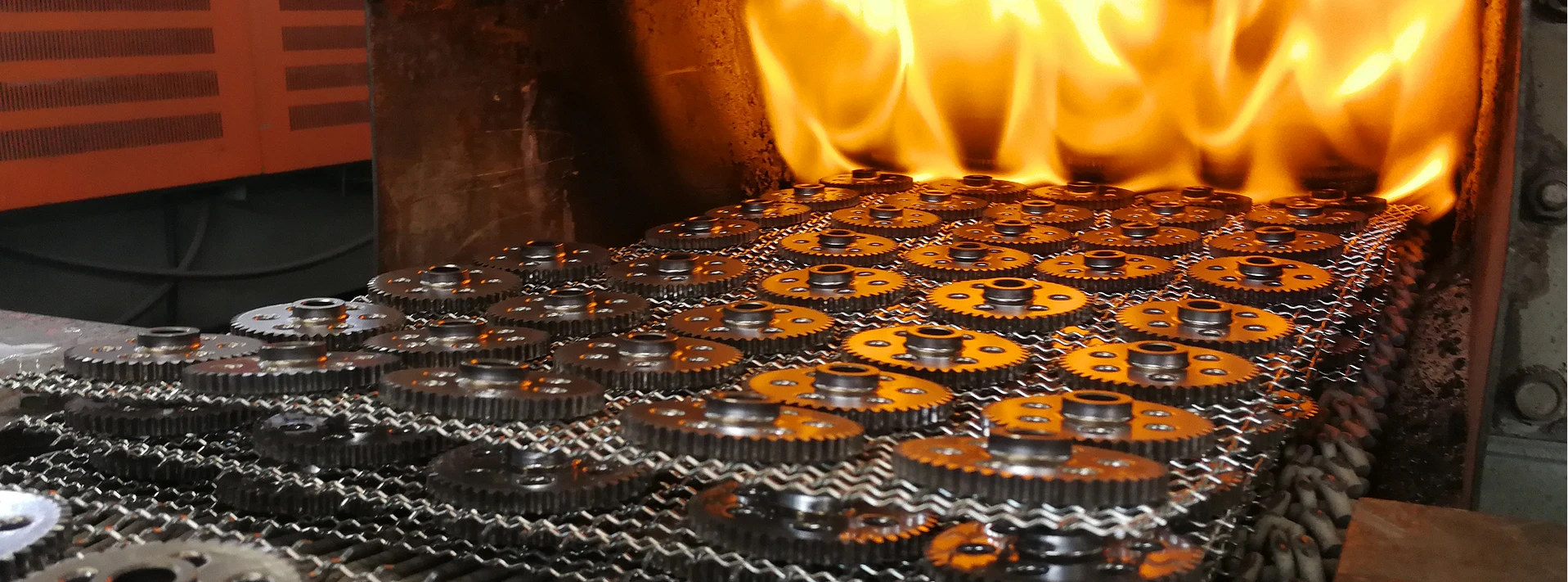
From a materials standpoint, carbon and alloy steels dominate, but the choice hinges on stress, wear needs, and cost considerations. Surface treatments like carburizing or nitriding? They’re often non-negotiable if long life and resistance to fatigue are on your checklist.
Vendor Comparison: Choosing Your Gear Manufacturer
| Vendor | Production Capacity | Customization Options | Lead Time | Certifications |
|---|---|---|---|---|
| JSS Sintering | High | Extensive | 4-6 weeks | ISO 9001, IATF 16949 |
| Global Gears Inc. | Medium | Moderate | 6-8 weeks | ISO 9001 |
| Precision Gearworks | Low | High | 8-10 weeks | AS9100, ISO 9001 |
Over the years, I’ve learned that while specs and certifications are critical, what really counts is how well the vendor aligns with your project’s timeline and needs. I once worked on a machine where switching to JSS Sintering for gear components cut lead times by nearly half — that kind of improvement isn’t just good for schedules but for cash flow too.
Customization options can range widely, too. Sometimes you want off-the-shelf spur gears, other times a multi-stage helical system designed specifically for your load profile and RPM range. The engineering partnership can be as important as the gear itself, frankly.
Final Thoughts
The world of gear mechanical engineering is deeper than it first appears. I suppose that’s what keeps it interesting after all these years — the constant balancing act of materials, design, application… and yes, even supplier dynamics. If you’re in the market for gears, it’s worth diving into these nuances rather than just ticking boxes. Your machinery will thank you.
In real terms, take time to understand your gear’s operating environment, and feel free to lean on experienced suppliers like JSS Sintering. Having a reliable partner can make all the difference in delivering equipment that runs smooth and lasts years.
References:
- "Gear Engineering Handbook," McGraw-Hill, 2005.
- ISO 9001 & IATF 16949 Standards Documentation, 2023.
- Personal experience and client case studies over 12 years in industrial equipment engineering.