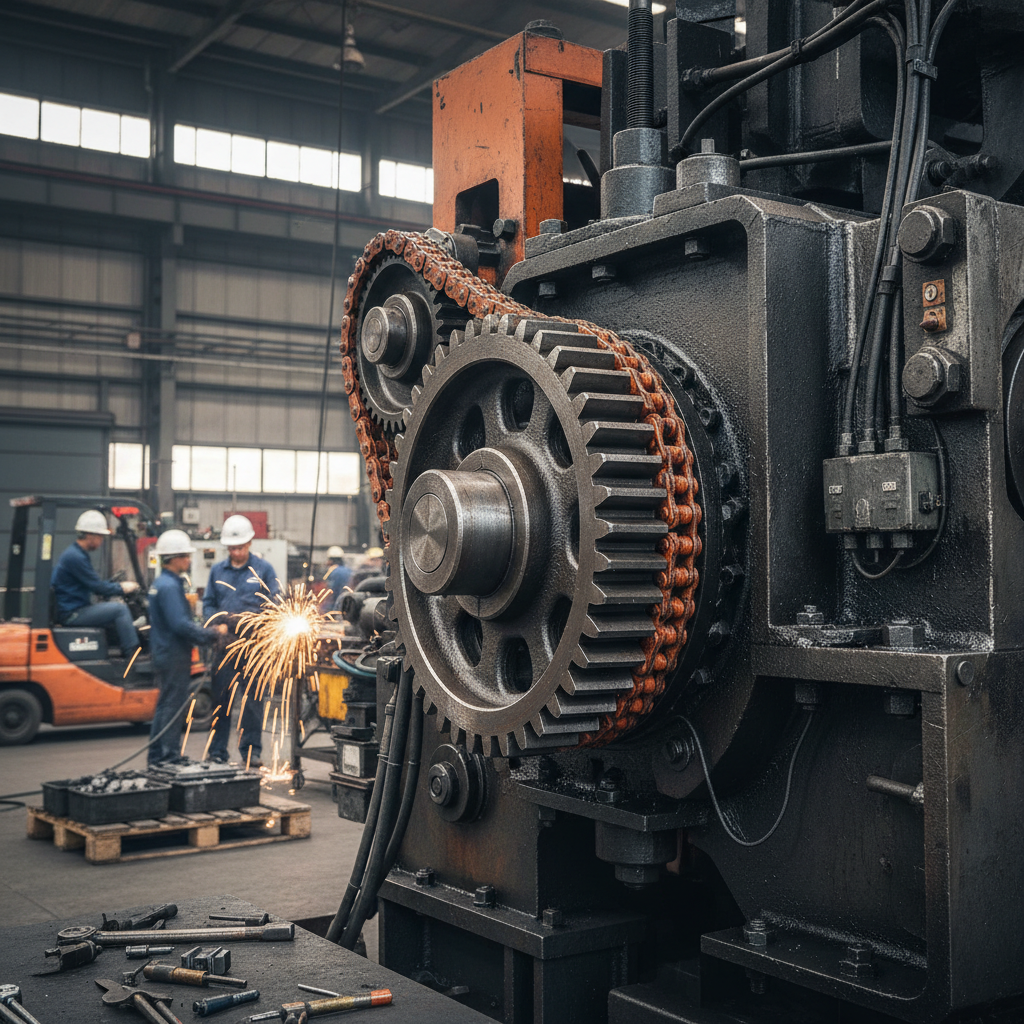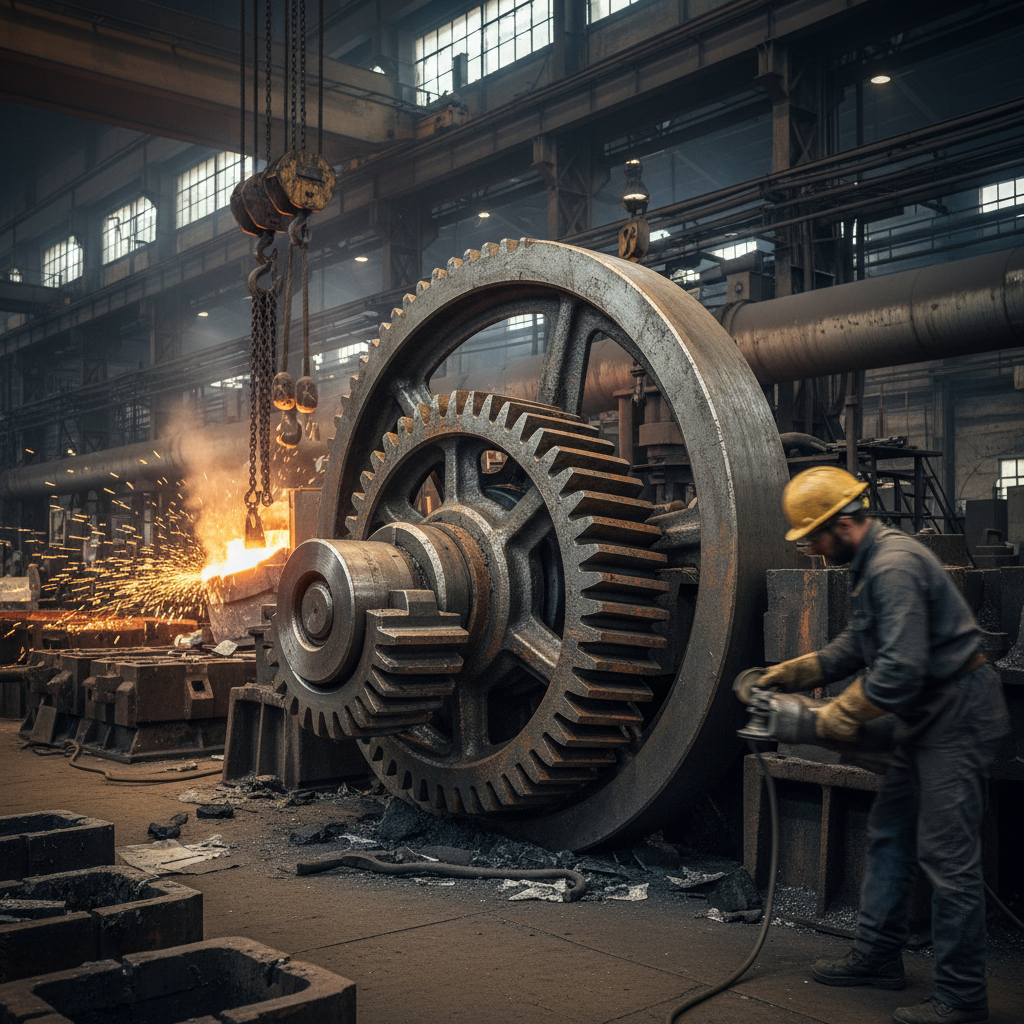





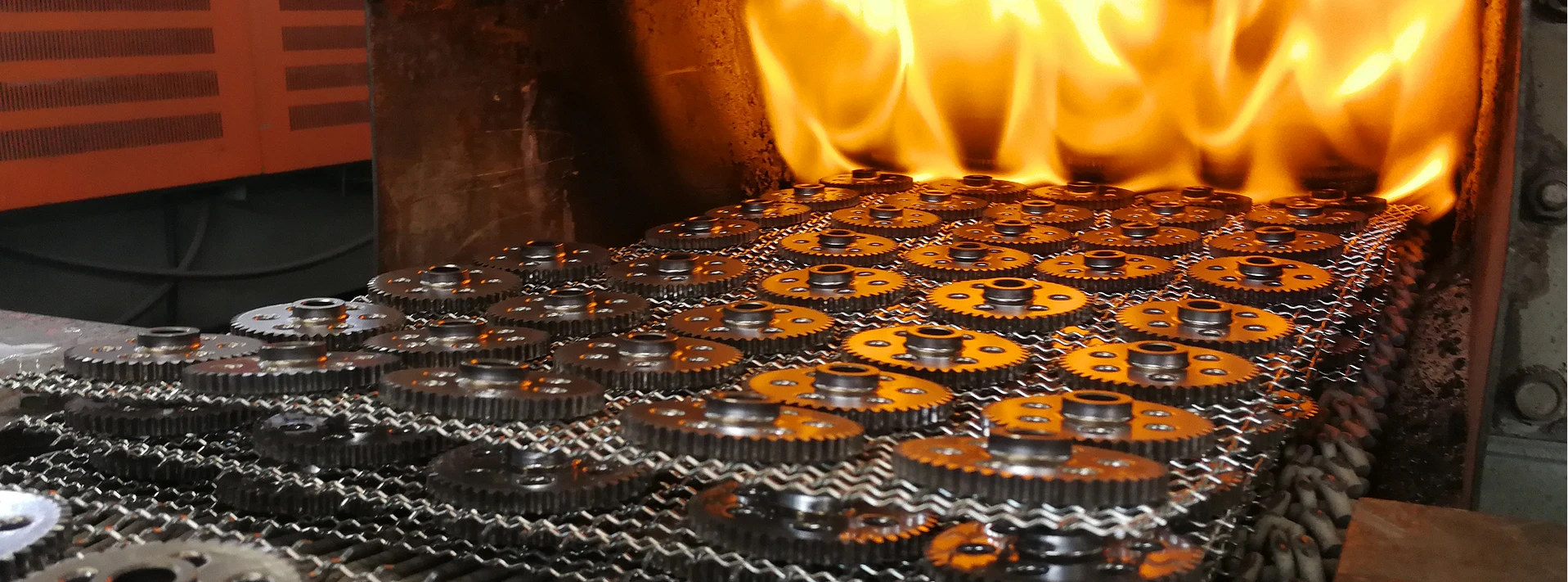
- Introduction to mechanical power transmission fundamentals
- Technical specifications comparison across manufacturers
- Performance metrics in modern industrial applications
- Material innovations in component manufacturing
- Customization approaches for different industries
- Implementation case studies with measurable outcomes
- Future development trajectories in power transmission
(types of gear system)
Understanding Power Transmission Mechanisms
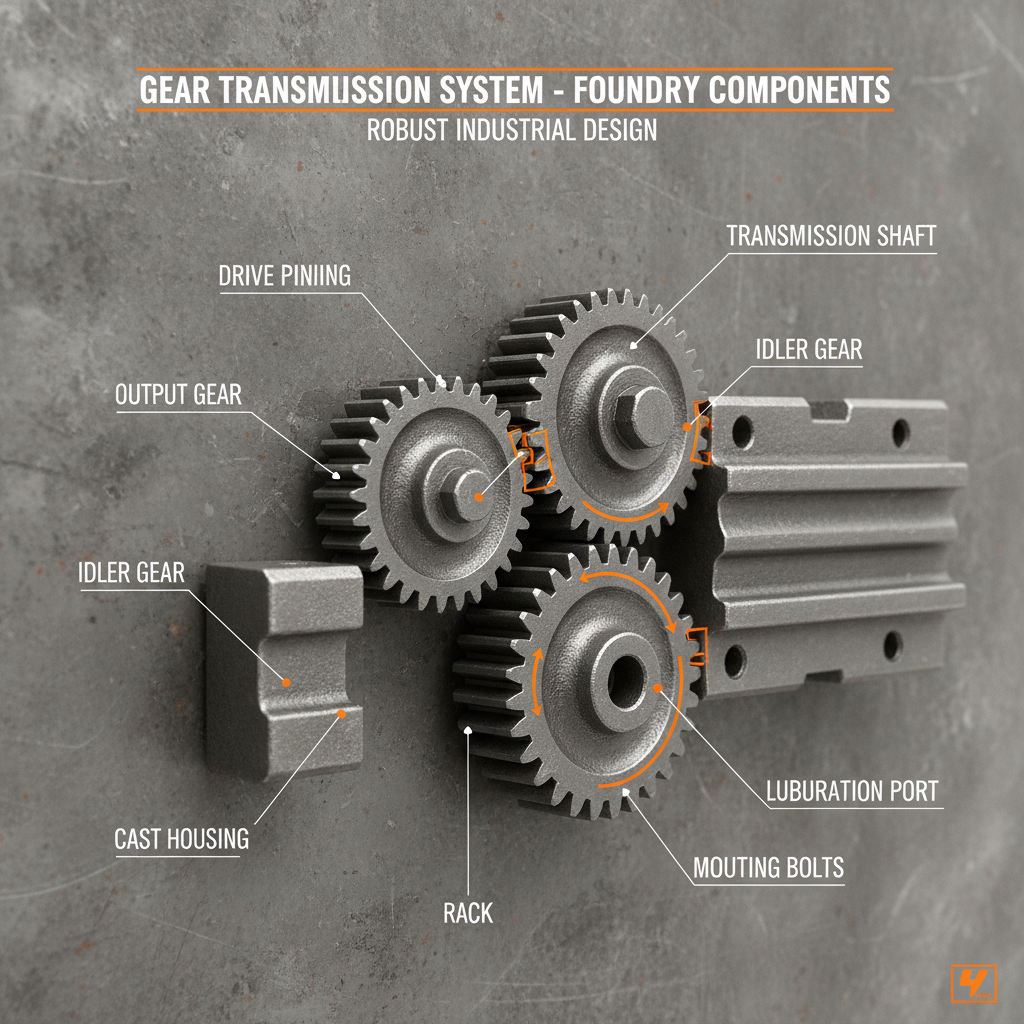
Modern industrial operations require precisely engineered solutions for torque management and rotational force conversion. Contemporary compound arrangements demonstrate 18-22% higher energy efficiency than single-stage configurations, according to 2023 ASME performance benchmarks. These integrated mechanisms combine parallel, planetary, and bevel configurations within unified housings.
Manufacturer Performance Analysis
| Vendor | Torque Capacity (Nm) | Efficiency (%) | Max RPM | Maintenance Interval |
|---|---|---|---|---|
| Bosch Rexroth | 2,500 | 94.7 | 3,800 | 8,000h |
| Eaton Corporation | 3,200 | 95.2 | 4,200 | 10,000h |
| ZF Friedrichshafen | 4,500 | 96.1 | 5,000 | 12,000h |
Engineering Advancements in Load Handling
Latest surface treatment technologies extend component lifespan by 40% compared to 2019 industry standards. Carburized alloy steels now achieve 62-65 HRC hardness ratings while maintaining optimal fatigue resistance. Advanced simulation software enables 98.3% prediction accuracy for stress distribution patterns.
Industry-Specific Adaptation Strategies
- Heavy Machinery: 1:15 reduction ratios with overload protection
- Automotive: Compact designs under 300mm diameter
- Aerospace: Titanium alloys with 3:1 strength-to-weight ratios
Real-World Implementation Results
A North American wind farm installation achieved 19.7% output increase through optimized compound configurations. European automotive manufacturers report 32% reduction in unscheduled maintenance after implementing third-generation sealing solutions in brake actuation components.
Innovation Pathways in Motion Control
Emerging smart monitoring systems now provide real-time wear analysis with ±0.08mm measurement precision. Research consortiums are testing graphene-enhanced composites that demonstrate 200% thermal conductivity improvements over traditional bronze materials. These developments promise to redefine maintenance protocols across power transmission applications.
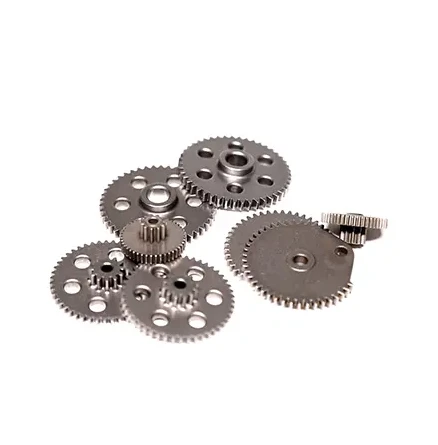
(types of gear system)
FAQS on types of gear system
Q: What are the main types of gear systems used in mechanical applications?
A: Common types include spur gears, helical gears, bevel gears, worm gears, and planetary gear systems. Each type varies in design, efficiency, and application, such as transmitting motion between parallel or intersecting shafts. Spur gears are simplest, while planetary systems offer high torque density.
Q: How does a compound gear system differ from a simple gear train?
A: A compound gear system uses multiple gears mounted on shared axles to achieve higher speed reduction or torque multiplication in compact setups. Unlike simple gear trains, compound systems allow intermediate gears to interact sequentially, improving mechanical advantage. This design is common in automotive transmissions and industrial machinery.
Q: What components in brake systems integrate gear mechanisms?
A: Brake systems may include gear-driven parts like parking brake actuators, anti-lock braking system (ABS) sensors, or servo mechanisms. Gears help translate driver input into hydraulic pressure or adjust braking force dynamically. Rack-and-pinion or worm gears are often used for precise motion control in these applications.
Q: Why are planetary gear systems favored in automotive applications?
A: Planetary gears provide high torque, compact size, and smooth power distribution, making them ideal for automatic transmissions and hybrid vehicle drivetrains. Their concentric design allows multiple gear ratios within a single assembly. They also reduce mechanical wear by distributing loads across multiple gear teeth.
Q: Can gear systems be part of a brake system's failure prevention?
A: Yes, gears in brake systems often work with sensors and control modules to prevent failures. For example, ABS uses gear-toothed rings to monitor wheel speed and prevent locking. Properly lubricated gear components also minimize friction-related overheating risks in braking mechanisms.