






- Industry Growth & Demand for Precision Components
- Technical Superiority in Custom Gear Manufacturing
- Comparing Leading Custom Gear Suppliers
- Tailored Solutions for Unique Requirements
- Implementation Across Key Industries
- Cost-Benefit Analysis of Customization
- Future Trends in Custom Gears Manufacturing

(custom gears)
Meeting Industrial Demands with Precision Custom Gears
The global market for custom gears
is projected to grow at 6.8% CAGR through 2030, driven by aerospace and automotive sectors requiring specialized components. A 2023 industry survey revealed 72% of mechanical engineers prioritize dimensional accuracy (±0.005mm) over cost when sourcing critical gear systems.
Engineering Excellence in Gear Production
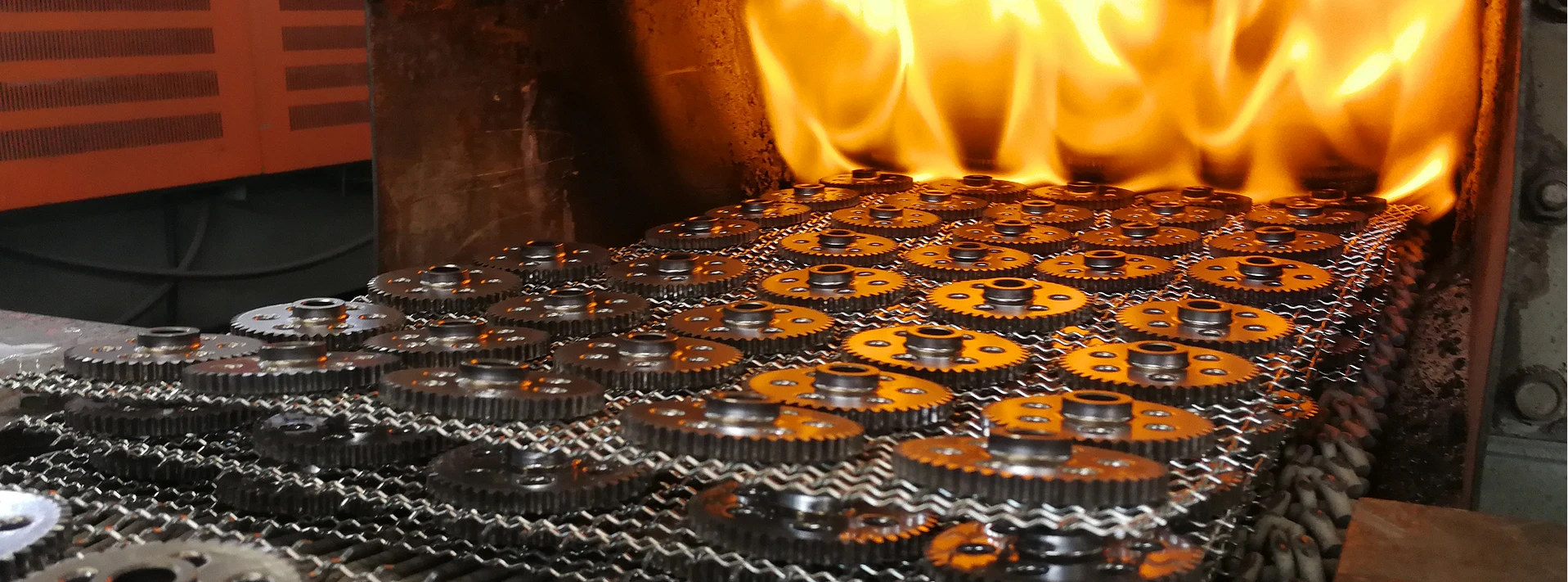
Modern manufacturers employ multi-axis CNC grinding combined with AI-powered quality control, achieving surface finishes up to Ra 0.2μm. Advanced materials like case-hardened 8620 steel (HRC 58-62) and self-lubricating polymers enable custom gears to withstand 25% higher torque loads compared to standard options.
Supplier Capability Comparison
| Manufacturer | Materials | Tolerance | Lead Time | Cost Index |
|---|---|---|---|---|
| Precision Gear Tech | 15+ alloys | ±0.003" | 10 days | 1.25x |
| Elite Custom Parts | 8 polymers | ±0.005" | 14 days | 1.15x |
| AutoMod Solutions | 6 composites | ±0.008" | 7 days | 1.40x |
Adaptive Manufacturing Processes
Three-stage customization workflow:
- 3D scanning of existing components (0.02mm resolution)
- FEA simulation (200,000+ cycle durability testing)
- Small-batch production (50-500 units)
Cross-Industry Applications
Case Study: Heavy machinery manufacturer reduced downtime 43% by implementing custom gears made from tungsten-carbide composite in conveyor systems. Dental robotics achieved 0.9-micron positioning accuracy through bespoke stainless steel helical gears.
Economic Considerations
While initial costs run 18-35% higher than stock parts, customized gear solutions demonstrate 300% longer service life in high-stress environments. ROI analysis shows break-even points within 18 months for 82% of industrial applications.
Innovations Shaping Custom Gears Development
Leading suppliers now integrate IoT-enabled wear sensors directly into gear teeth, providing real-time performance data. Hybrid manufacturing techniques combining 3D printing with traditional hobbing cut prototype development time by 60% since 2021.

(custom gears)
FAQS on custom gears
Q: What are the common applications of custom gears?
A: Custom gears are used in automotive, industrial machinery, robotics, and specialty equipment. They are tailored to meet specific load, speed, or space requirements. Industries often use them for unique mechanical solutions.
Q: How long does it take to get custom gears made?
A: Lead times vary based on design complexity and materials. Simple designs may take 1-2 weeks, while intricate projects can require 4-6 weeks. Rush services are often available for urgent needs.
Q: What materials are used for custom gears?
A: Common materials include steel, brass, aluminum, and nylon. Material choice depends on durability, weight, and application (e.g., high-torque vs. low-noise). Specialty coatings can enhance performance.
Q: Can custom gears improve car performance?
A: Yes, custom car accessories like precision gears optimize transmission efficiency and power delivery. They’re popular in racing, off-road vehicles, and performance upgrades. Properly designed gears reduce wear and boost acceleration.
Q: How do I order custom gears for my project?
A: Provide detailed specifications (size, tooth profile, material) or a CAD file. Many manufacturers offer design consultation. Prototyping services ensure fit and function before full production.









