




Why Gear Blanks Matter in Modern Industry
At first glance, "gear blanks" may sound like a niche, technical term—essentially a raw piece of metal or material ready to become a gear. But honestly, these basic parts are the unsung heroes of countless machines across the globe. From the car you drive to the wind turbines humming miles away, gear blanks are what set the gears turning—literally and figuratively. Understanding them isn't just for engineers; it shapes how industries build reliable, scalable, and even eco-friendly machines. Plus, improving how we produce and use gear blanks can ripple out to benefit everything from manufacturing efficiency to sustainable resource use. It’s a small slice of manufacturing but a pretty crucial one.
The Global Context: Why Gear Blanks Have Take Center Stage
Manufacturing forms the backbone of modern economies worldwide, accounting for roughly 17% of global GDP per World Bank data. Within this sphere, gear blanks form the foundation for making gears essential to countless mechanical systems. ISO standards for gearing highlight the need for precision from the get-go. As automation and digital manufacturing rise, the demand for consistently high-quality, customizable gear blanks only grows.
However, the industry grapples with challenges such as raw material shortages, rising costs, and a hungry global market that expects more complex components faster and greener. Gear blanks bridge this gap by serving as a flexible starting point to meet those demands.
What Exactly Are Gear Blanks?
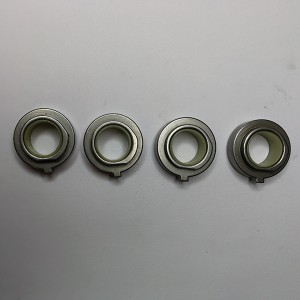
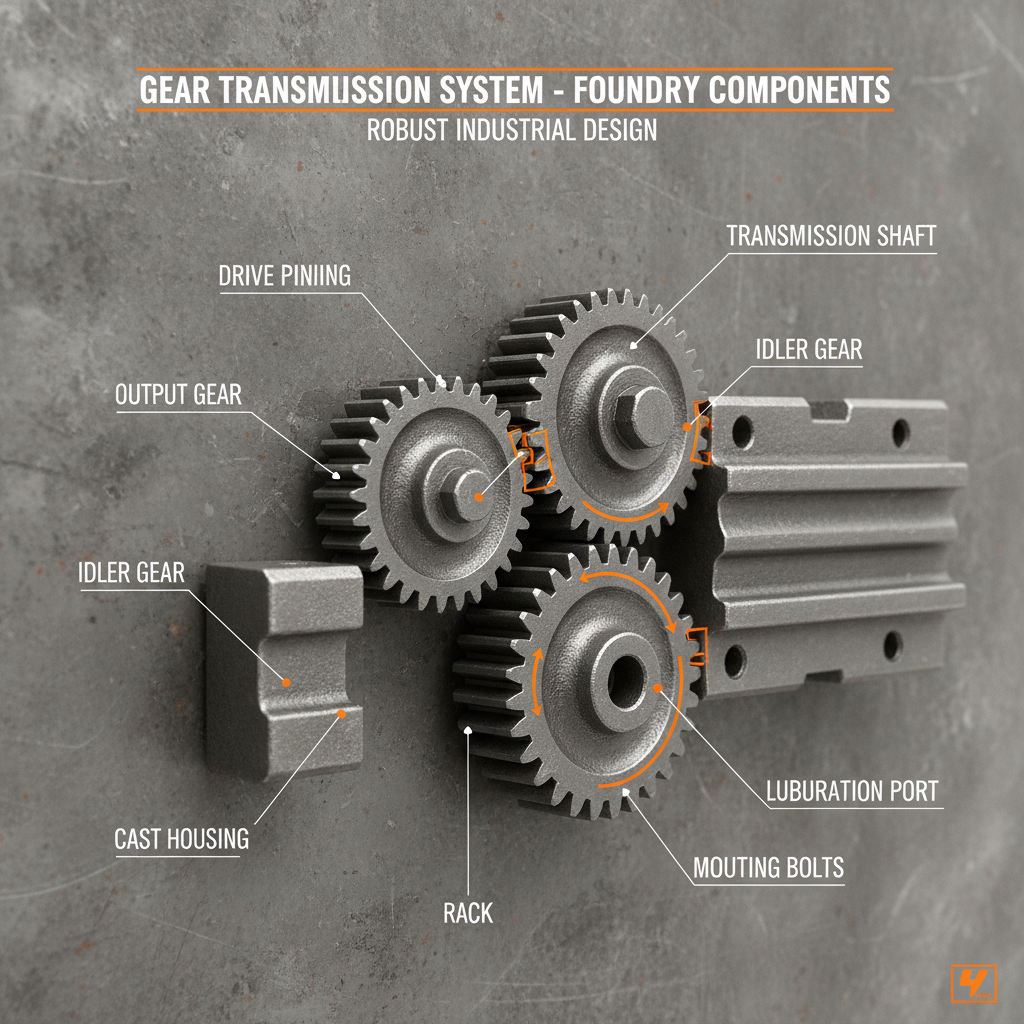
Simplified, a gear blank is a pre-formed piece of metal (or other materials like composites) roughly shaped for a gear but without teeth cut yet. Consider it the “canvas” before the artist paints—except in this case, the teeth are precisely engineered to mesh with others and transfer motion efficiently.
Without gear blanks, forging, shaping, or sintering into gears would be far more time-consuming and costly. Their ability to be tailored to specific production processes helps industries ranging from automotive to aerospace, and even humanitarian applications like energy-efficient pumps or prosthetic devices.
Core Components and Key Qualities of Gear Blanks
1. Material Variety and Durability
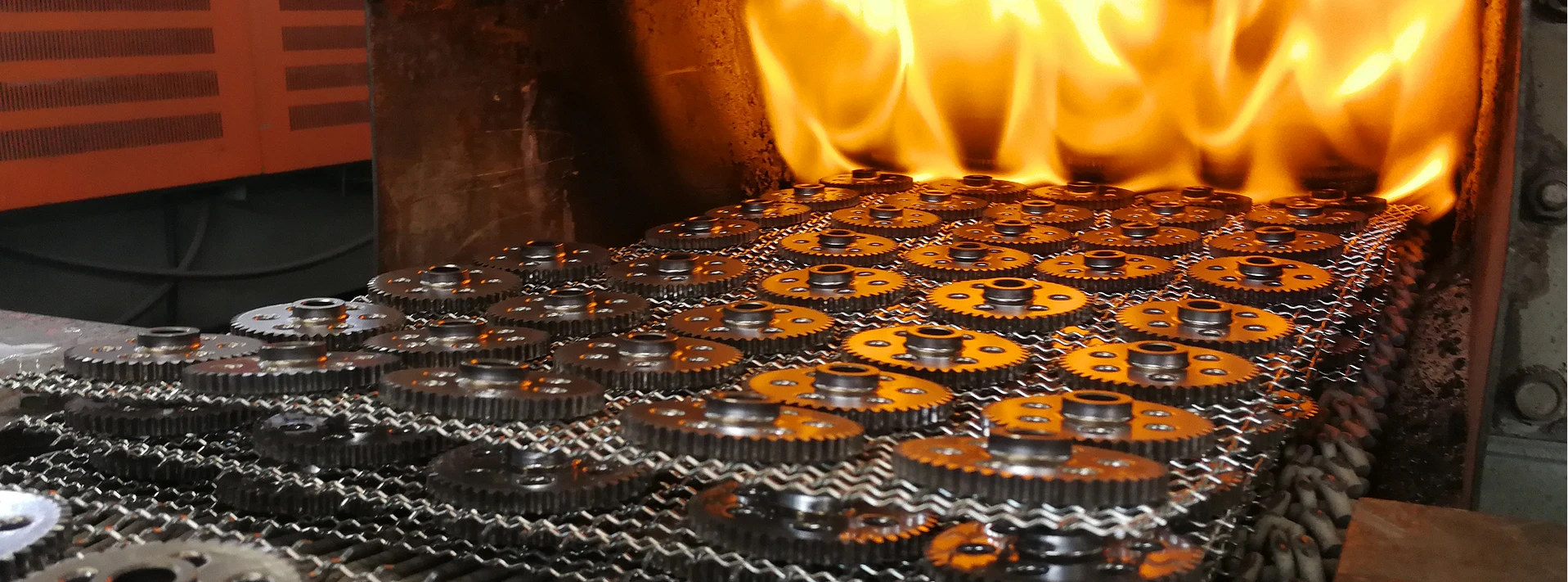
Gear blanks aren’t one-size-fits-all. Steel, stainless alloys, powder metallurgy products, and even sintered materials come into play. Many engineers favor sintered metal gear blanks for their strength-to-weight ratio and minimal machining needs, which saves energy and cost downstream.
2. Precision and Scalability
The initial blank needs to be uniform and appropriately sized because it sets the stage for all tooling and machining steps. Scalability is crucial here — companies like JSS Sintering produce customizable gear blanks to scale volume without sacrificing precision.
3. Cost Efficiency Through Process Optimization
Optimized gear blanks reduce wasted material and machining time. For example, net-shape or near-net-shape blanks mean fewer finishing operations, cutting down labor and energy — a simple math for sustainability and budget mindfulness.
4. Environmental Considerations
The choice of materials and production methods influences carbon footprint, recyclability, and resource use. Powder metallurgy gear blanks minimize scrap, making a greener cycle possible for manufacturers focused on sustainability.
Mini takeaway: Gear blanks might be “just a start,” but they’re a critical precondition for quality, cost, and sustainability in gear manufacturing.
Global Applications of Gear Blanks: From Industry Giants to Local Innovators
Use of gear blanks extends into nearly every sector you can think of:
- Automotive Industry: Helical and spur gear blanks help build transmissions and engine components around the world.
- Renewable Energy: Gear blanks form the basis of turbine gears that harness wind and hydro power.
- Aerospace and Defense: Demand high-precision blanks able to withstand extreme conditions.
- Agriculture Machinery: Heavy-duty gear blanks ensure reliability in harsh environments.
- Humanitarian Technology: In disaster zones, water pumps and generators often rely on standardized gear blanks to speed up repairs.
Oddly enough, even remote industrial zones depend heavily on durable gear blanks — because downtime there isn’t an option. And regions such as North America, Europe, and Asia-Pacific dominate both production and consumption, though emerging markets are catching up fast with tailored solutions.
Advantages and the Lasting Value of Investing in Quality Gear Blanks
High-grade gear blanks mean fewer defects, longer life cycles for gears, and less unexpected downtime. That feeds directly into reduced operational costs—something every facility craves. Beyond the bottom line, superior blanks support innovation by allowing more complex gear designs, paving a way toward smarter, more efficient machines.
Emotionally, folks working with reliable machinery feel safer and more confident, which is often overlooked but essential for morale and trust in industrial settings. It’s like buying a good pair of shoes: you might not notice them much when walking, but a bad pair ruins the whole journey.
Trends and Innovations Shaping the Future of Gear Blanks
Materials science keeps on evolving. Additive manufacturing combined with powder metallurgy is enabling near-net-shape blanks that reduce waste dramatically. Digital twins and AI-driven design optimize geometry early on, pinpointing stress points and performance tweaks before physical trials.
Renewable energy pushes manufacturers to design blanks that withstand cyclic loads better and reduce maintenance. Circular economy principles inspire more recyclable and sustainable metal powders.
Automation and robotics streamline handling and inspection of gear blanks, improving consistency and speed. It all feels like a quiet revolution focused on refinement rather than overhaul.
Challenges & How Industry Tackles Them
Despite all the progress, challenges remain:
- Material Availability: Sourcing high-quality raw materials amidst global disruptions.
- Cost Pressures: Balancing quality with affordability in competitive markets.
- Standardization: Varying standards across geographies can complicate cross-border manufacturing.
- Precision: Maintaining high tolerances at scale is still no small feat.
To combat these, companies invest in advanced testing equipment, improve supplier relationships, and adopt modular production techniques. Some leaders utilize blockchain for traceability, ensuring transparency in material sourcing and process adherence.
Frequently Asked Questions About Gear Blanks
- What materials are most commonly used for gear blanks?
- Steel alloys dominate due to strength and machinability. Powder metallurgy and sintered metals are gaining traction for cost efficiency and precision. Composite materials are less common but growing in specialized applications.
- How important is the initial shape of a gear blank?
- Critical. The gear blank’s geometry affects finishing time and gear accuracy. Near-net-shape blanks can significantly reduce waste and machining hours.
- Can gear blanks be customized for specific applications?
- Absolutely. Manufacturers often tailor dimensions, materials, and heat treatments to suit performance requirements, whether for automotive, aerospace, or industrial uses.
- Are gear blanks recyclable or eco-friendly?
- Many gear blanks, especially those produced via powder metallurgy, are designed with recyclability in mind. Efforts to use recycled inputs and reduce waste continue to improve sustainability.
- Where can I find reliable suppliers of gear blanks?
- Established manufacturers like JSS Sintering are known for quality and customization options. Comparing vendors on parameters like material options, production scales, and delivery times is advisable.
Product Specification Table: Typical Gear Blank Models
| Model | Material | Diameter (mm) | Thickness (mm) | Weight (kg) | Typical Use |
|---|---|---|---|---|---|
| JSS-1000 | Powder Metallurgy Steel | 150 | 30 | 2.3 | Automotive Gears |
| JSS-2000 | Alloy Steel | 200 | 40 | 4.1 | Heavy Machinery |
| JSS-3000 | Stainless Steel | 100 | 25 | 1.7 | Food Industry Gears |
Vendor Comparison Table
| Vendor | Material Options | Customization Level | Lead Time | Sustainability Practices | Typical Customers |
|---|---|---|---|---|---|
| JSS Sintering | Powder metallurgy, alloy steel, stainless steel | High (tailored designs) | 4–6 weeks | Recycling programs and waste reduction | Automotive, heavy equipment, aerospace |
| GearTech Corp | Carbon steel & alloy steel | Medium (standard sizes) | 3–5 weeks | ISO certified environmental standards | Industrial machinery, agriculture |
| Precision Gears Ltd. | Alloy, stainless steel, custom composites | High (complex geometries) | 6–8 weeks | Energy-efficient processes | Aerospace, defense, niche industries |
Wrapping It Up: Why Keeping an Eye on Gear Blanks Pays Off
Gear blanks may not be flashy, but their role in modern manufacturing is anything but small. Their influence spreads across economies, cutting costs, driving innovation, and supporting sustainability goals. For engineers and procurement teams alike, knowing the ins and outs of gear blanks helps secure better production outcomes and future-proof supply chains. If you want to dig deeper or get started with a trusted source, check out gear blanks offered by industry leaders ready to tailor to your needs. Because sometimes, starting right makes all the difference.
References: