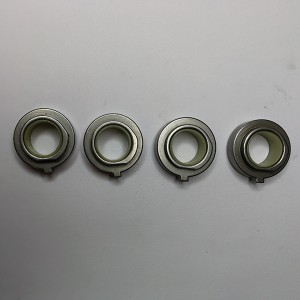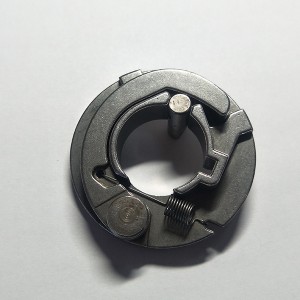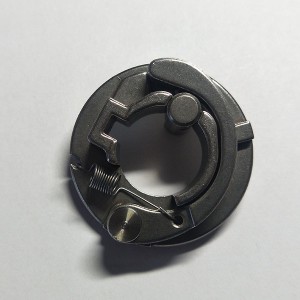





Why Internal Spur Gears Matter in Today’s Industrial World
If you’ve ever wondered how complex machinery manages to transfer motion efficiently in tight spaces, internal spur gears quietly do the heavy lifting. These gears aren’t flashy, but their impact is global—from manufacturing plants in Germany to renewable energy turbines in China. Understanding internal spur gears is more than just a technical curiosity; it’s about appreciating the backbone of countless industrial systems that affect economies and daily life worldwide.
Modern industry leans heavily on these components because they offer remarkable space-saving advantages, durable performance, and cost-effective transmission of power. Whether you're dealing with conveyor systems, robotics, or wind turbines, the internal spur gear holds the key to smooth, reliable operation.
The Global Context: Internal Spur Gears in Industry and Beyond
Honestly, it’s surprising how often internal spur gears come up in conversations about global manufacturing efficiency. According to ISO standards (ISO 1328), gears around the world have tight manufacturing tolerances to improve lifespan and reduce downtime, which is crucial for industries contributing trillions to the global GDP. The World Bank notes manufacturing output grew steadily by 3.5% worldwide last year—with many sectors reliant on reliable power transmission.
Yet, there’s a tricky challenge: fitting powerful gearboxes into smaller equipment footprints without sacrificing durability. Internal spur gears address this by meshing inside the gear ring, saving space and reducing noise and wear. As manufacturing trends push for lighter, more compact machines—especially in automation and green tech—these gears become even more vital.
So, What Exactly Is an Internal Spur Gear?
Simply put, an internal spur gear is a circular gear with teeth cut on the inside of its gear ring, rather than the outside as in external gears. Because the teeth point inward and mesh with an external pinion or another internal gear, they enable compact, coaxial gear designs.
In modern terms, their compactness makes them a must-have in robotics, automotive transmissions, and industrial machinery. Humanitarian technology also benefits—imagine portable power units for disaster areas compact enough to fit in shipping containers but reliable enough to power a whole camp.
Core Components to Consider
1. Material Durability
Gears often operate under stress, so material choice is crucial. Many internal spur gears today use hardened steel or powder metallurgy alloys—striking a balance between toughness and machinability.
2. Precision and Tolerance
Manufacturing quality affects everything from noise to lifespan. For example, industrial ISO classes specify contour and dimension to microns. High-precision gears reduce vibration and energy loss, which translates into quieter machines that need less maintenance.
3. Size and Scalability
You can find these gears in tiny medical devices or massive mining equipment. The design scales but always keeps its essential traits—space savings and coaxial alignment.
4. Cost Efficiency
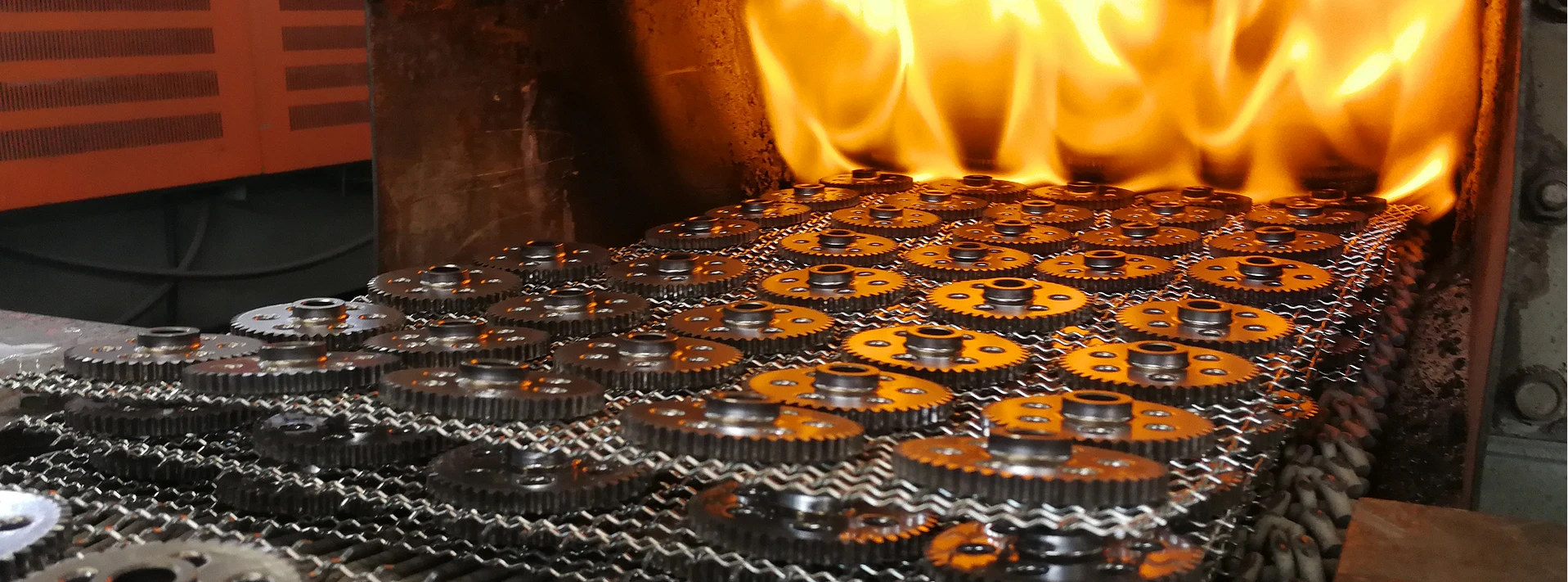
Powder metallurgy, for one, allows mass production with consistent specs, lowering prices without quality loss. Still, certain niche applications may require CNC-machined gears, which demand higher budgets.
5. Customization Options
Manufacturers often offer options like surface treatments, tooth count, and module size to meet industry specifics—whether high torque for construction gearboxes or quiet operation for indoor robotics.
Mini Takeaway
Understanding the materials, tolerances, and customization possibilities gives insight into why internal spur gears are so adaptable across diverse industries.
Real World Uses of Internal Spur Gears Around the Globe
Internal spur gears find homes pretty much anywhere power transmission meets space constraints. In Europe, automotive companies use them extensively in compact automatic transmissions. Meanwhile, wind farms in Scandinavia rely on them in gearboxes that convert slow rotor speeds into electricity.
In developing regions, compact conveyor machinery fitted with internal gears helps streamline grain processing and packaging—vital for local economies. Even space agencies gravitate towards internal gearing for robotic arms on satellites, where precision and size are non-negotiable.
For a quick example, a mid-sized factory in India upgraded their conveyor line with internal spur gears and saw a 15% efficiency gain due to less slippage and lower maintenance downtime. Small wins like these, repeated globally, collectively contribute to industrial growth and sustainability.
Advantages and Long-Term Value of Internal Spur Gears
- Space Efficiency: Thanks to their inside-out teeth, they save room within machinery design.
- Low Noise Operation: Smoother meshing creates quieter environments—comforting for workers.
- Durability: Proper materials and quality lead to long service life, reducing replacements.
- Energy Efficiency: Reduced friction means less wasted energy, an important trait amid rising sustainability concerns.
- Cost-Effectiveness: Powder metallurgy manufacturing makes them affordable for a wide range of uses.
On an emotional level, reliable gear systems nurture trust—companies need to know their machines won’t unexpectedly fail, safety is paramount, and operational dignity is preserved. Industrial workers often recount how quieter machines improve morale and reduce fatigue. So these benefits ripple beyond just numbers.
Product Specification Table: Typical Internal Spur Gear
| Specification | Value |
|---|---|
| Material | Hardened Steel (AISI 4140) |
| Module | 2.5 mm |
| Number of Teeth | 80 |
| Face Width | 25 mm |
| Hardness | 55 HRC |
| Max Torque | 120 Nm |
Comparing Leading Internal Spur Gear Vendors
| Vendor | Material Quality | Customization Options | Typical Lead Time | Price Range |
|---|---|---|---|---|
| GearMax Industries | High (EN19 Steel) | Wide (custom tooth profiles) | 4 weeks | $$$ |
| PrecisionDrive Co. | Medium (AISI 4140) | Moderate (standard sizes) | 3 weeks | $$ |
| EcoGear Systems | Medium-High (Powder Metallurgy) | Limited (focus on bulk orders) | 2 weeks | $ |
Looking Ahead: Future Trends and Innovations in Internal Spur Gears
The next decade promises exciting advances. I’ve noticed that material scientists are experimenting with carbon-fiber reinforced composites to reduce weight without losing strength. Meanwhile, digital twins and AI-driven condition monitoring allow predictive maintenance, cutting costs substantially.
Also, green energy initiatives are pushing gear manufacturers toward more sustainable production, minimizing waste and embracing eco-friendly lubricants. In automation, the precision engineering behind internal spur gears supports ever-smaller and more intricate robotic parts, which could transform manufacturing floors worldwide.
Challenges in Internal Spur Gear Applications & How to Overcome Them
Though internal spur gears shine in many ways, they’re not without hiccups. Wear from high torque, misalignment issues, and noise at high speeds crop up occasionally. Many engineers advocate for improved surface coatings, like DLC (diamond-like carbon), and tighter ISO standard adherence to combat these.
Another solution gaining ground is modular gear assemblies allowing quick field replacements. This addresses downtime—a crucial pain point. The core insight? You have to anticipate the environment and tailor gears specifically rather than relying on “one size fits all.”
FAQs About Internal Spur Gears
Q1: How do internal spur gears differ from external spur gears in terms of application?
A1: Internal spur gears have teeth cut on the inside and mesh with external pinions. This design saves space and allows coaxial shaft arrangements, making them perfect for compact gearboxes or constrained layouts, unlike external spur gears typically used when space is less restrictive.
Q2: What materials are best suited for internal spur gears subjected to heavy loads?
A2: Hardened steels like AISI 4140 or EN19 are common due to their high strength and wear resistance. Advanced coating treatments can further enhance durability. Powder metallurgy options are cost-efficient but might not suit ultra-high load applications.
Q3: Can internal spur gears be customized for specific noise reduction?
A3: Yes, options include modifying tooth profiles, applying special surface treatments, and precise grinding to ISO Class 5 or better. These reduce vibration and noise, critical in sensitive industrial or robotic applications.
Q4: How do environmental factors affect internal spur gear performance?
A4: Temperature, lubrication quality, and exposure to contaminants all influence lifespan and performance. Proper sealing, maintenance, and material selection tailored to environmental demands mitigate these effects.
Q5: Are internal spur gears recyclable or environmentally friendly?
A5: Most steel gears are recyclable. Moreover, advances in powder metallurgy reduce waste material during manufacturing. Manufacturers are increasingly adopting eco-friendly lubricants and sustainable processes.
Wrapping Up: Why Internal Spur Gears Should Be on Your Radar
Internal spur gears, while unassuming, pack a punch in shaping modern manufacturing efficiency, sustainability, and innovation. The way they save space, reduce noise, and offer long service life is why engineers from Bengaluru to Berlin depend on them. If you’re considering upgrading your machinery or designing a new product, a well-selected internal spur gear could make all the difference.
For more details about how internal spur gears can transform your applications, don’t hesitate to check out our internal spur gear offerings. Because, frankly, sometimes the smallest gear moves the biggest industries.
References
- ISO 1328-1:2013 - Cylindrical gears — ISO system of flank tolerance classification
- World Bank – Manufacturing Overview
- Wikipedia – Gear