







Understanding Idle Gear: Applications, Benefits, and Selection
In the realm of power transmission, idle gear systems play a crucial role in adapting speed and torque between rotating shafts. Often overlooked, these components are fundamental to a vast array of machinery across diverse industries. This article will explore the purpose, advantages, selection criteria, and applications of idle gears, with a focus on understanding how JSS Sintering can provide high-quality solutions for your gearing needs. Choosing the correct idle gear configuration is essential for efficient and reliable machinery performance.
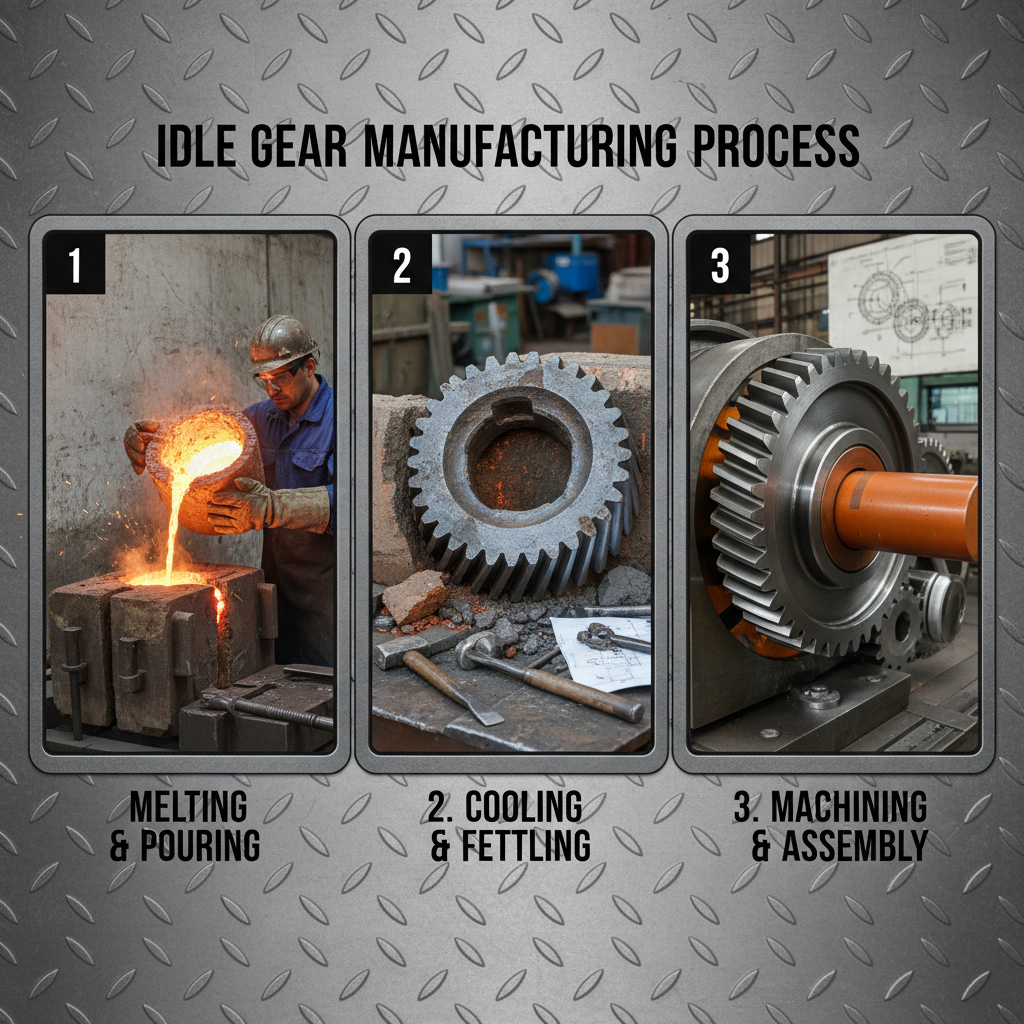
What is an Idle Gear and Why Use One?
An idle gear, also known as an intermediate gear, is a gear inserted between the driving and driven gears in a gear train. It doesn’t contribute to the overall gear ratio but serves several vital functions. Its primary purpose is to change the direction of rotation. Without an idle gear, the driven gear would rotate in the opposite direction to the driving gear. Additionally, idle gears can be used to maintain a practical center distance between shafts, especially when a large gear ratio is required. Using a single idle gear, allows a greater distance between the driving and driven gears, preventing them from binding or interfering with other components. JSS Sintering understands the importance of precise idle gear design for optimal system performance.
Key Benefits of Using Idle Gears:
- Changes the direction of rotation
- Maintains suitable center distance between shafts
- Allows for practical gear ratios
- Improves overall system efficiency
Applications of Idle Gear Systems
Idle gear systems are ubiquitous across various industries. In automotive applications, they're found in transmissions, differentials, and auxiliary gearboxes. Industrial machinery such as conveyors, mixers, and pumps rely on idle gears for precise speed control and power transfer. Agricultural equipment like tractors and harvesters utilize them for driving implements and maintaining operational efficiency. Robotics and automation systems also incorporate idle gears to facilitate complex movements and precise positioning. Even in smaller devices, such as clocks and watches, idle gears play a critical role in regulating timekeeping. JSS Sintering caters to the diverse application needs of idle gears across these sectors.
Common Application Areas:
• Automotive Transmissions
• Industrial Conveyor Systems
• Agricultural Machinery
• Robotics and Automation
Idle Gear Selection: Key Considerations
Selecting the right idle gear requires careful consideration of several factors. The gear ratio and desired output speed are paramount. The load capacity and torque requirements of the application must be accurately calculated. Material selection is critical; steel alloys, plastics, and powdered metals are common choices, each offering different strengths and weaknesses. The operating environment, including temperature, humidity, and potential exposure to corrosive substances, will also influence material selection. Finally, precision and accuracy are essential for minimizing noise, vibration, and wear. JSS Sintering provides expert guidance on idle gear selection to ensure optimal performance and longevity.
Why Choose JSS Sintering for Your Idle Gear Needs?
JSS Sintering specializes in the design and manufacture of high-precision powdered metal gears, including idle gears. We offer a wide range of materials, sizes, and configurations to meet your specific requirements. Our advanced manufacturing capabilities, coupled with a commitment to quality control, ensure that our gears deliver exceptional performance and reliability. We work closely with our clients to provide customized solutions, from initial design to final production. Furthermore, our competitive pricing and fast turnaround times make us a trusted partner for businesses of all sizes.
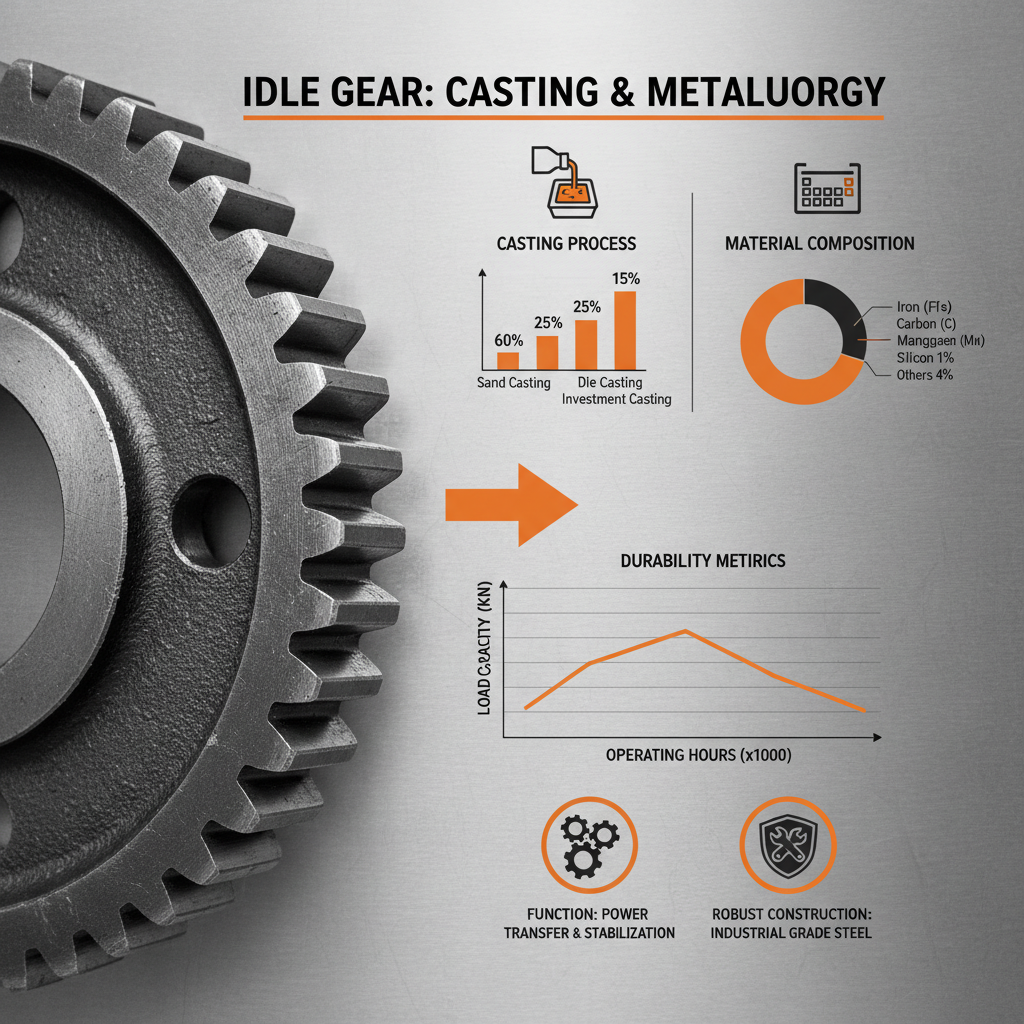
Conclusion: Optimizing Performance with Quality Idle Gears
Choosing the right idle gear is crucial for ensuring the efficient and reliable operation of your machinery. JSS Sintering is dedicated to providing high-quality, customized idle gear solutions that meet your specific needs. Contact us today to discuss your application and discover how we can help you optimize your power transmission systems.
Frequently Asked Questions (FAQs)
What materials are commonly used for idle gears?
Idle gears are manufactured from a variety of materials, each with unique properties. Steel alloys offer high strength and durability, making them suitable for heavy-duty applications. Plastics, such as nylon and Delrin, provide good wear resistance and low noise levels. Powdered metals, like those offered by JSS Sintering, combine high strength, precision, and cost-effectiveness. The choice of material depends on the specific application requirements, including load, speed, temperature, and environment.
How do I determine the correct gear ratio for an idle gear system?
Determining the correct gear ratio involves calculating the desired output speed and torque based on the input parameters. The idle gear itself doesn't contribute to the overall gear ratio; it simply reverses the direction of rotation. The ratio is determined by the driving and driven gears. Consider the following formula: Gear Ratio = Number of Teeth on Driven Gear / Number of Teeth on Driving Gear. JSS Sintering's engineering team can assist with complex calculations to ensure optimal performance.
What is the advantage of using powdered metal gears?
Powdered metal (PM) gears, such as those produced by JSS Sintering, offer several advantages over traditional manufacturing methods. They can be produced with complex shapes and tight tolerances, reducing the need for secondary machining operations. PM gears also exhibit excellent material properties, including high strength, wear resistance, and self-lubricating characteristics. They are cost-effective for high-volume production runs.
How can I prevent noise and vibration in an idle gear system?
Minimizing noise and vibration in an idle gear system requires attention to several factors. Precise gear geometry and tight tolerances are crucial. Proper lubrication reduces friction and damping. Selecting materials with good damping characteristics, such as certain plastics, can also help. Aligning the gears accurately and minimizing backlash are essential. JSS Sintering utilizes advanced manufacturing techniques to ensure precision and minimize noise and vibration in our gears.









