




Unlocking the Potential of Internal Gear: Why It Matters in Today’s Industry
When you hear internal gear, what pops to mind? Maybe a quiet hum inside an engine or something tucked away in a gearbox? In reality, internal gears are unsung heroes of mechanical design that quietly power countless machines across the globe. Understanding these components is not just for engineers. It’s downright essential for industries ranging from automotive to humanitarian aid. Why? Because internal gears bring compact power transmission solutions that boost efficiency and longevity — crucial traits in a world striving for sustainability and reliability.
From manufacturing hubs in Germany to remote relief operations in Southeast Asia, internal gears are solving big challenges: making machines more robust, more scalable, and less costly to maintain. So let’s peel back the layers and explore what internal gear technology really means, what makes it tick, and why it’s drawing so much global focus.
A Global Perspective: Internal Gear’s Role in Modern Industry
The machinery sector alone accounts for nearly 17% of global manufacturing output, according to the latest data from the ISO. Within these machines, gears—especially internal gears—are critical for efficient power transfer. In automotive transmissions, wind turbines, robotics, or even space exploration equipment, internal gears ensure smooth torque multiplication without bulky designs.
Oddly enough, as industries push for lighter, quieter, and more energy-efficient machinery, internal gears have experienced a surge in demand. One reason is their compact form factor that fits into constrained spaces better than external gears. Another is their inherent strength thanks to the tooth engagement on the inside circumference, which distributes loads more evenly.
Yet, a big challenge remains: finding the right balance between durability and cost-efficiency when producing internal gears, especially when customized for specialized applications like aerospace or humanitarian gear deployment in post-disaster zones. This balancing act makes mastering internal gears a top priority globally.
What Exactly Is an Internal Gear?
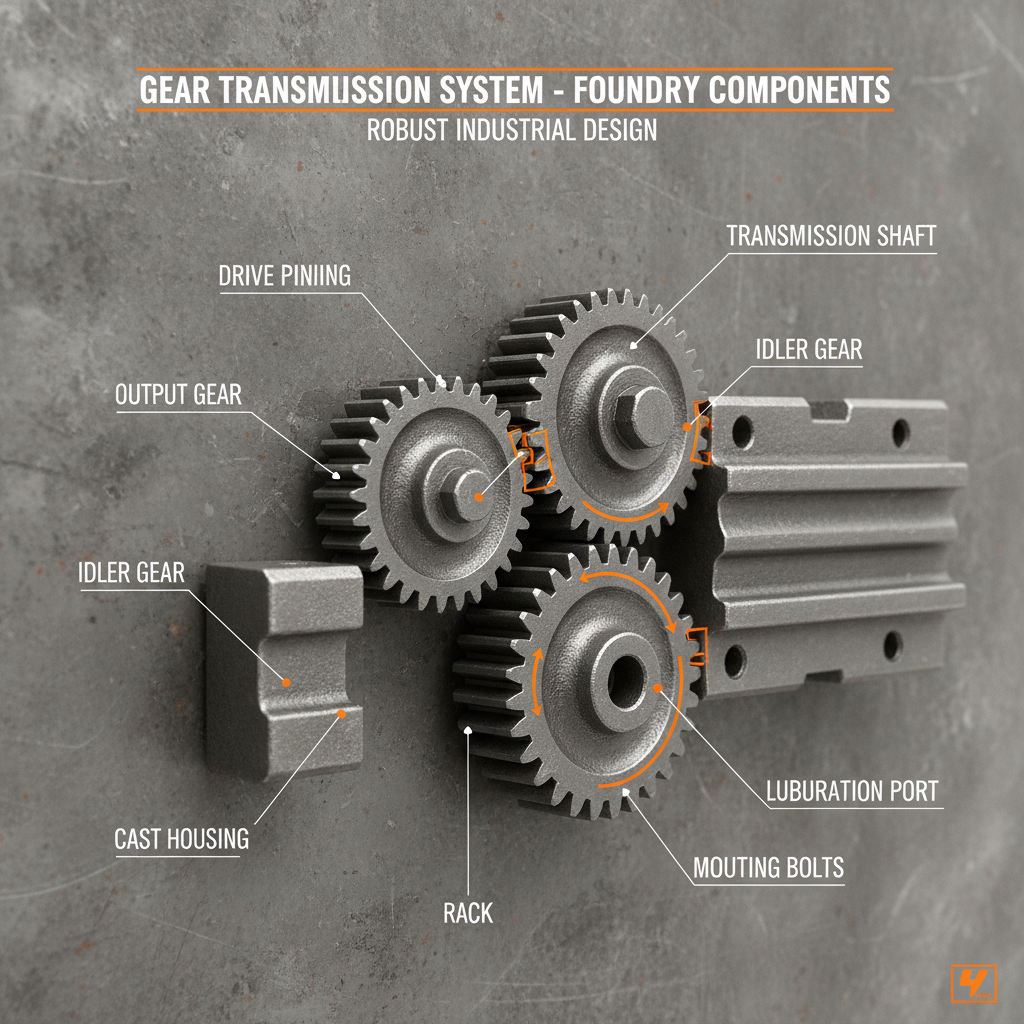
Simply put, an internal gear is a gear with teeth cut on the inside surface of a ring, rather than the outside. Picture a large ring with teeth facing inward, meshing with a smaller external pinion gear. This design allows more compact assemblies with coaxial shafts, enabling efficient power transmission in limited spaces.
In the modern industrial world and beyond, internal gears serve to transmit motion and force reliably in everything from car gearboxes to conveyor systems. They’re crucial in humanitarian engineering too — for example, enabling durable mechanical actuators in water-purification units deployed in remote areas or post-disaster relief setups.
Core Components That Define Internal Gears
Durability: Making the Gears Last
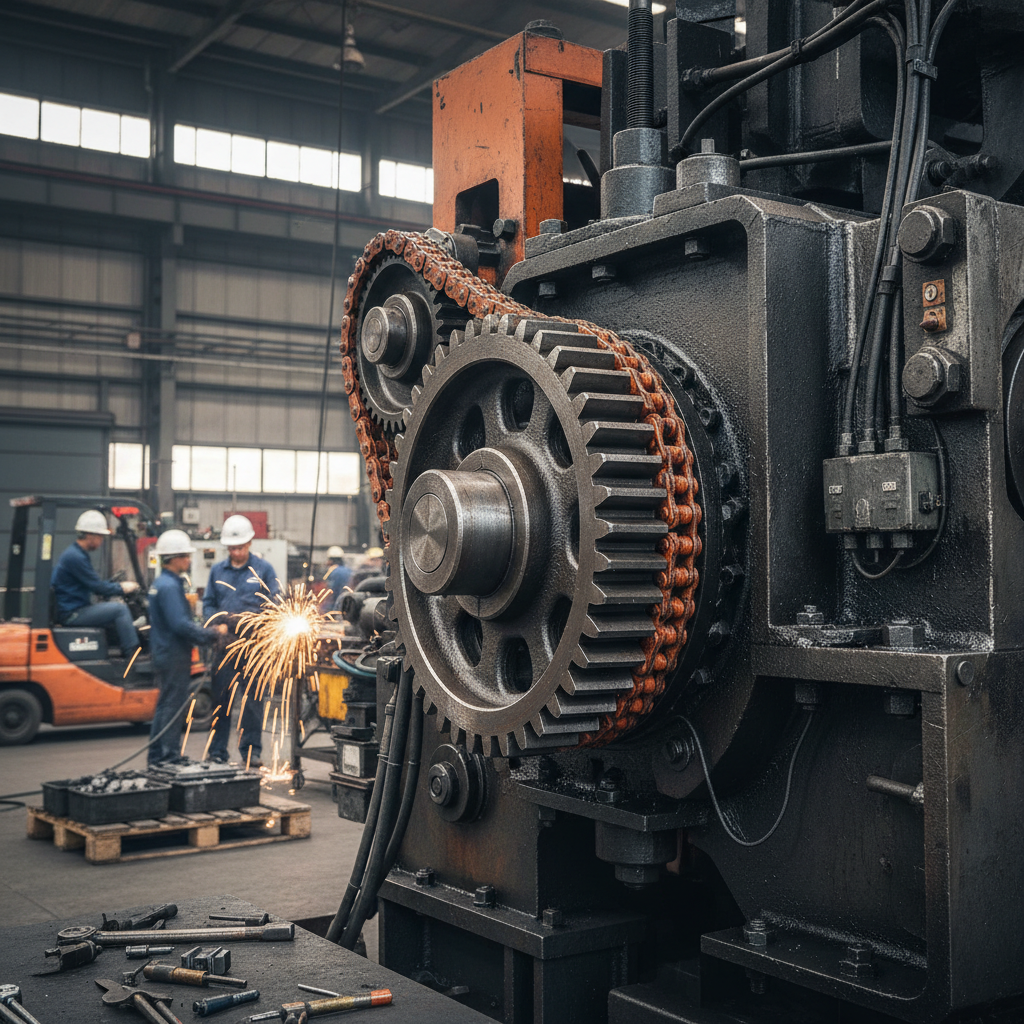
Engineers swear by materials like case-hardened steel or advanced composites for internal gears, especially those exposed to heavy loads. Durability here isn’t just a buzzword—it’s about preventing expensive downtime. In industrial plants, a single gear failure can halt production entirely.
Precision & Tooth Geometry
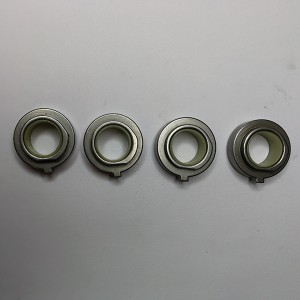
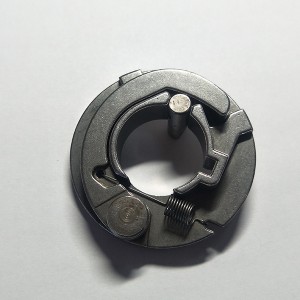
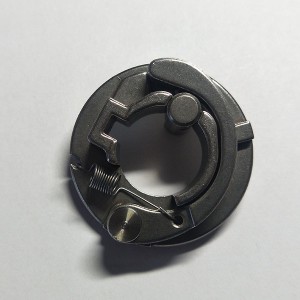
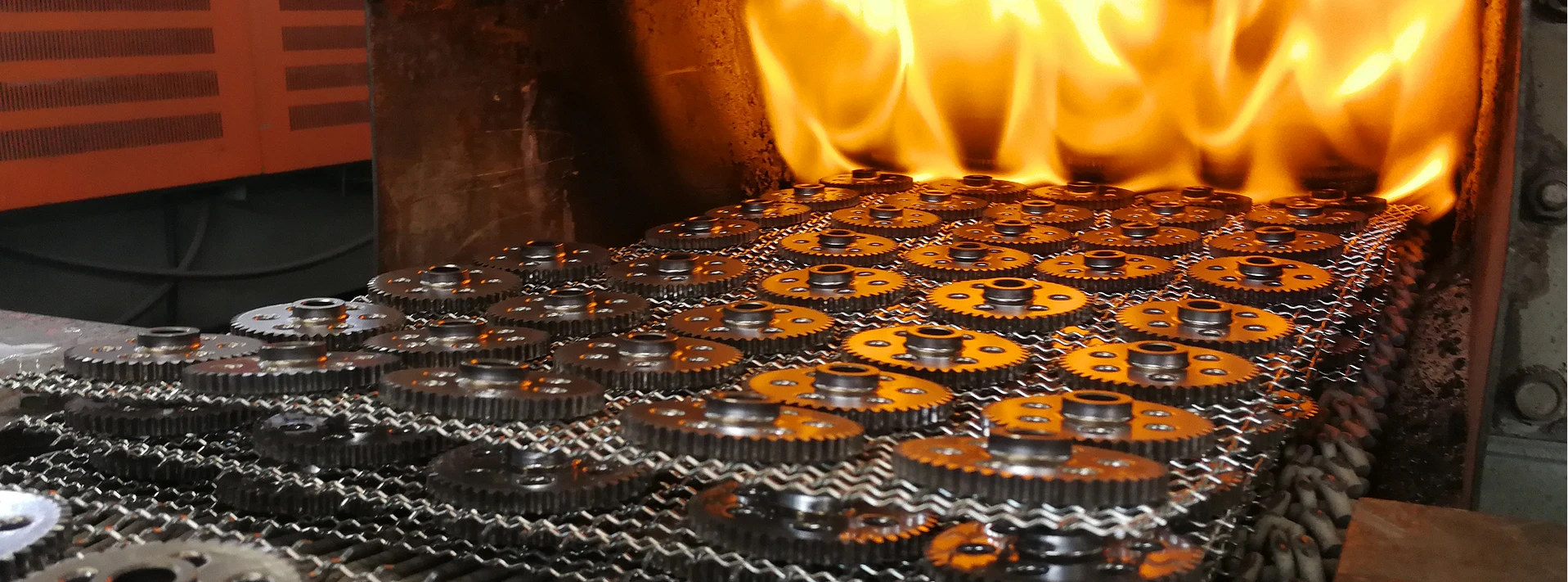
The internal teeth require meticulous shaping (often involute profiles) to mesh perfectly with the mating pinion. Poor precision leads to vibration and wear. Thankfully, CNC machining and sintering technologies (such as internal gear sintering) have made producing these precise shapes faster and cheaper.
Scalability & Customization
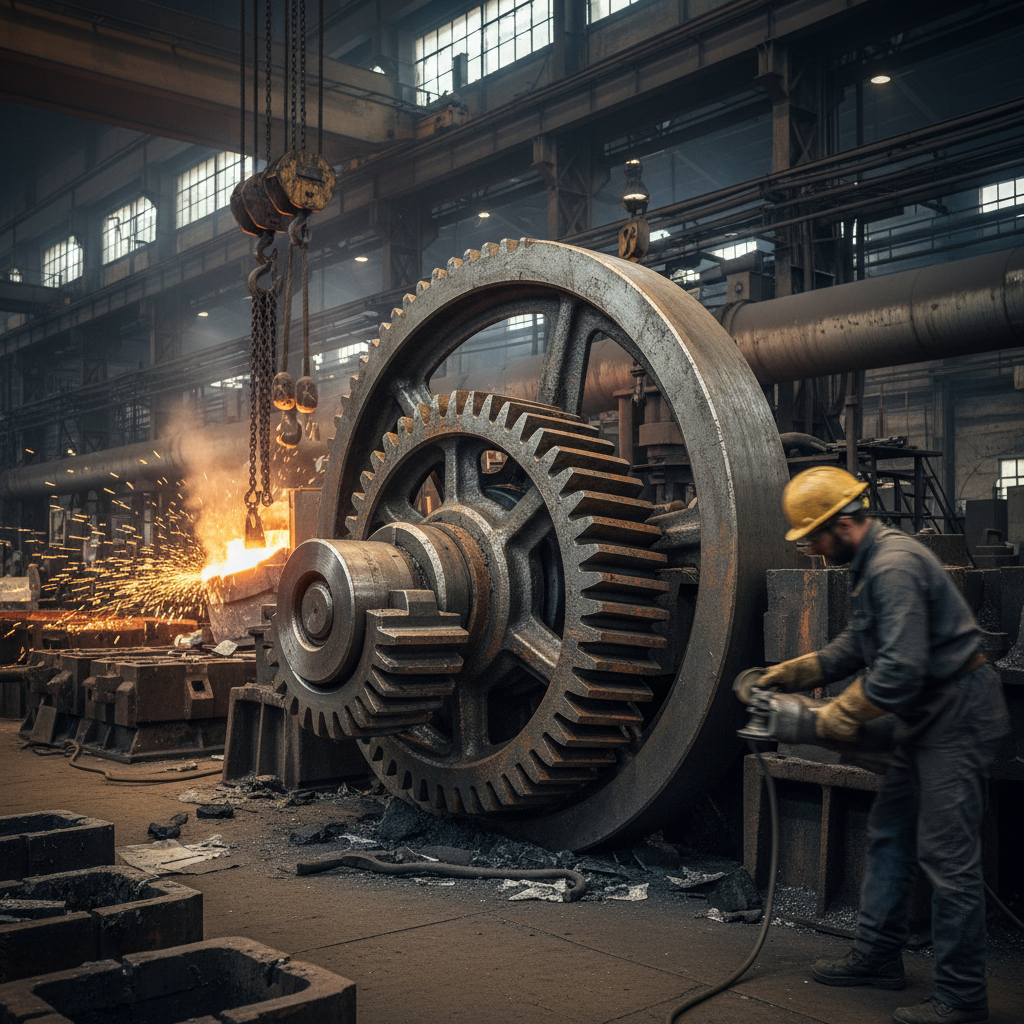
Oddly, internal gears come in sizes ranging from tiny micro-gears inside medical devices to huge segmented rings in heavy machinery. Their modular nature allows customization for torque requirements, gear ratios, and environmental resistance.
Cost Efficiency: Spoons & Spanners Economy
While internal gear manufacturing can be costlier than external gears due to cutting difficulties, advances are closing the gap. Materials innovation and manufacturing automation have brought reasonable costs while improving quality. Over the long run, this pays off via reduced maintenance and longer service life.
Mini Takeaway:
Internal gears combine art and science—durability, precision, and intelligent design—all to keep machines humming smoothly. They fit tiny to massive-scale needs and are central to many cutting-edge applications.
How Internal Gear Makes a Global Impact: Real-Life Applications
- Automotive Industry: The heart of many automatic transmissions, internal gears make cars more fuel-efficient by optimizing gear ratios within tight spaces.
- Renewable Energy: Wind turbines use internal gear sets to multiply rotational speed efficiently—critical for converting wind energy into electricity sustainably.
- Humanitarian & Disaster Relief: Medical equipment and mobile pumps powered by internal gearing support critical infrastructure where traditional setups might fail.
- Industrial Robotics: Compact actuators equipped with internal gears offer precise motion control, essential for quality assembly lines.
Regions rich in manufacturing like Germany and Japan dominate innovation, but emerging economies are fast adopting internal gear technologies for localized production, especially as supply chains seek resilience in uncertain times.
Typical Internal Gear Product Specifications
| Specification | Detail |
|---|---|
| Material | Case-hardened Steel / Sintered Metal |
| Module (tooth size) | 1 mm – 5 mm |
| Number of Teeth | 20 – 200+ |
| Pitch Diameter | 50 mm – 1000 mm |
| Hardness | 55–62 HRC (Rockwell) |
| Application | Automotive, Robotics, Industrial Machinery |
Comparing Leading Internal Gear Vendors
| Vendor | Product Range | Lead Time | Customization | Pricing |
|---|---|---|---|---|
| GearTech Solutions | Standard & Custom Internal Gears | 4-6 weeks | High | Mid-Range |
| PrecisionRot | Micro to Large Internal Gears | 6-8 weeks | Medium | Premium |
| JSS Sintering | Sintered Internal Gears & Gear Assemblies | 3-5 weeks | Very High | Competitive |
The Tangible and Intangible Benefits of Internal Gears
From a logical standpoint, the compact design of internal gearing reduces space and weight, directly improving machine efficiency and fuel economy. This translates to lower operational costs, less energy consumption, and a smaller carbon footprint. Emotionally, many operators and engineers testify that machinery with well-designed internal gears runs smoother—less noise, less vibration—which means a safer, more pleasant work environment.
Reliability is another core advantage. Internal gears tend to have longer service lives because their design distributes loads effectively, preventing premature wear. For industries where downtime is synonymous with significant financial loss or safety risks, this reliability earns trust and peace of mind.
Looking Forward: Future Trends and Innovations
Experts often point to emerging materials like advanced ceramics and composite alloys as game changers for internal gear manufacturing. These materials promise lighter weight and even higher wear resistance. Digital transformation via Industry 4.0 is also shaping production—think AI-driven quality control and predictive maintenance.
Plus, the surge in electric vehicles (EVs) demands new internal gearing solutions optimized for electric motor torque characteristics—often requiring innovative tooth profiles and manufacturing methods. Sustainability policies are pushing vendors to reduce waste and incorporate greener lubricants compatible with these gears.
Challenges and How Experts Are Tackling Them
Manufacturing internal gears isn’t trivial. The inward-facing teeth are tricky to machine and inspect, which can bump lead times and costs. Specialized tooling and non-destructive testing methods (ultrasound, laser scanning) are being incorporated to improve quality assurance.
Also, supplying custom internal gears globally poses supply chain challenges, especially in the current climate of logistics disruptions. Vendors like internal gear specialists focus on modular designs and local production partnerships to cut delays and reduce carbon footprint.
FAQ: What You Might Be Wondering About Internal Gears
- Q1: How do internal gears differ from external gears in performance?
- A: Internal gears engage with a smaller external pinion and allow for more compact, coaxial shaft designs. They usually produce less backlash and operate quieter, but can be more complex to manufacture.
- Q2: Can internal gears handle high torque applications?
- A: Absolutely. When made from high-grade materials and properly hardened, internal gears are well suited for heavy-duty uses like automotive transmissions and industrial equipment.
- Q3: What industries benefit most from internal gear technology?
- A: Automotive, renewable energy, robotics, aerospace, and even humanitarian hardware benefit significantly due to the gear’s compactness, durability, and reliability.
- Q4: Are custom internal gears expensive?
- A: Custom units may cost more upfront due to specialized tooling, but with modern manufacturing techniques like sintering, costs are coming down, making them more accessible.
- Q5: How can organizations source reliable internal gears globally?
- A: Working with experienced vendors who offer modular designs, local partnerships, and transparent lead times helps ensure timely supply—consider companies like internal gear specialists featuring quality certifications.
Wrapping Up: Why Internal Gears Will Continue Driving Industry Forward
Internal gears might not be flashy, but they carry serious weight in empowering efficient, reliable machines across the planet. Their compact design, durability, and adaptability make them indispensable — whether in high-tech manufacturing, renewable energy, or life-saving humanitarian tools.
If you’re in the market for trusted internal gear suppliers or curious about the latest tech trends, I suggest visiting https://www.jssintering.com to explore practical solutions from a vendor that knows the ins and outs of internal gear production.
In a world that’s evolving fast, it’s worth keeping an eye on these tiny mechanical marvels quietly shaping our future.
Quick Recap:
- Internal gears maximize space and efficiency with inward-facing tooth design.
- They’re trusted worldwide in automotive, renewable energy, and humanitarian sectors.
- Manufacturing advances, like sintering, are reducing costs and lead times.
- Future innovations will focus on new materials and digital production integration.
- Reliable global supply depends on experienced vendors and smart partnerships.