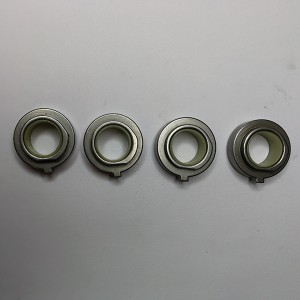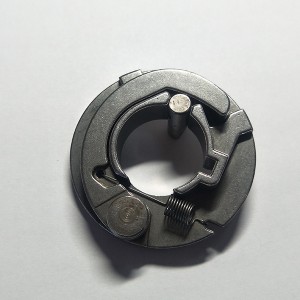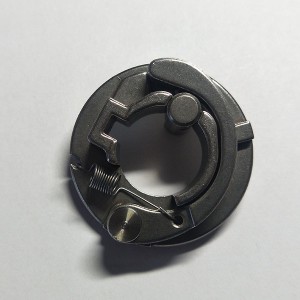





Pm Components is a key solution in the industry, specifically within advanced manufacturing and automotive sectors. This article explores how https://www.jssintering.com supports professionals with durable, high-performance products, and explains why this product is an ideal choice for businesses in these sectors.
Table of Contents
- Pm Components Overview
- Benefits & Use Cases of Pm Components
- Cost, Maintenance & User Experience
- Sustainability & Market Trends
Pm Components Overview
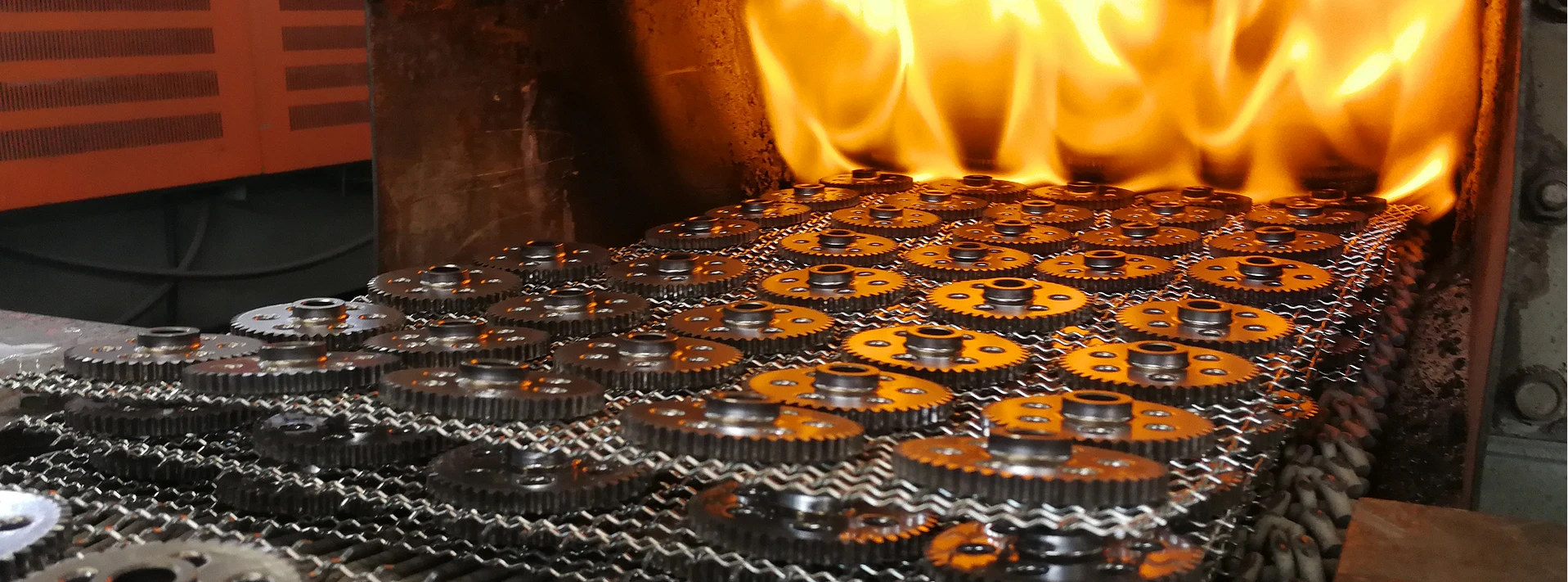
To start with the basics, Pm Components refers to parts created using powder metallurgy—an often overlooked but incredibly efficient manufacturing process. Unlike traditional casting or machining, powder metallurgy compacts metal powders into precise, intricate shapes that then undergo sintering. This process provides a unique blend of strength, reliability, and cost-effectiveness. For industries like automotive, aerospace, and heavy machinery, where tolerances and durability matter a lot, it’s frankly a game changer.
Technically speaking, these components typically feature high density and uniform microstructures, which translate to excellent wear resistance and fatigue strength. For example, certain bearings and gears made with Pm Components from JSS Sintering demonstrate improved lifespan versus traditional parts. Oddly enough, this method also reduces material waste, since powders can be reused if not pressed, contributing to both economic and environmental benefits.
| Parameter | Value / Range | Description |
|---|---|---|
| Density | 6.8 - 7.5 g/cm³ | Typical relative density after sintering |
| Hardness | 55-65 HRC | Wear resistance rating |
| Tensile Strength | 600 - 900 MPa | Mechanical strength range |
| Typical Applications | Gears, bearings, structural parts, bushings, wear plates | |
Benefits & Use Cases of Pm Components
You might wonder, what exactly makes Pm Components stand out in real-world applications? Well, their precision and ability to be customized to exact specifications allow manufacturers to build parts that fit tightly into complex assemblies without costly machining. This translates into faster production cycles and lower scrap rates.
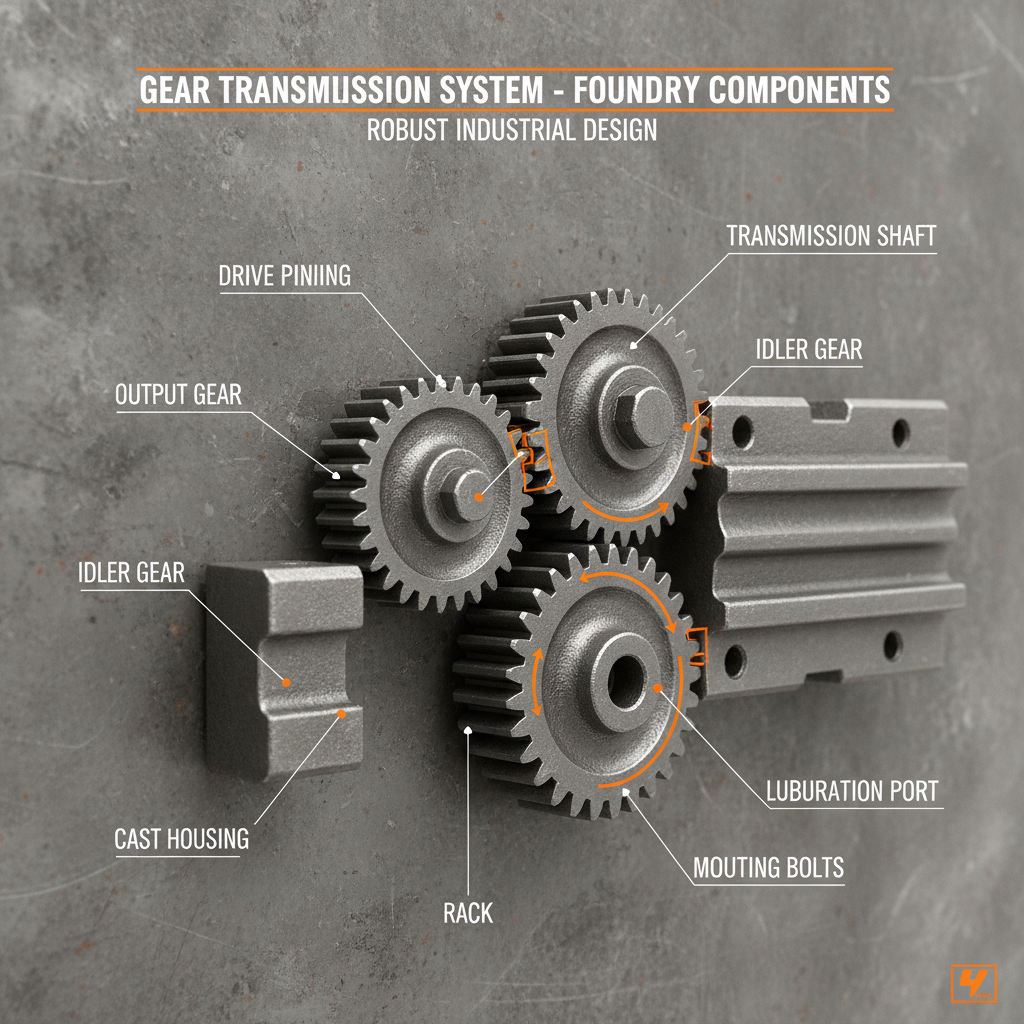
One strong point is their wear resistance. In heavy machinery, for example, Pm gears show significantly less degradation over time compared to cast iron alternatives—leading to longer service intervals. Likewise, aerospace companies appreciate the lighter weight and high strength, which help improve fuel efficiency without compromising safety. Frankly, it’s tough to find a better balance of technical performance and price.
Vendor Comparison: Pm Component Providers
| Feature | JSS Sintering | Competitor A | Competitor B |
|---|---|---|---|
| Product Range | Extensive, custom options | Limited | Moderate |
| Lead Time | 3-6 weeks | 5-8 weeks | 4-7 weeks |
| Pricing | Competitive | Higher | Average |
| Quality Assurance | ISO 9001 Certified | Internal QA only | Third-party audits |
Cost, Maintenance & User Experience
When it comes to B2B investments, cost—and not just sticker price—matters. I’d say Pm Components tend to have a favorable total cost of ownership. Their durability reduces downtime, and maintenance intervals stretch out significantly compared to traditional cast or machined parts. This alone can save thousands when factoring in labor and lost productivity.
From conversations with users, many engineers mention how easy it is to replace or upgrade parts made from powder metallurgy due to their repeatable precision. One automotive OEM I spoke to recently cited a 20% reduction in supplier defects within the first year after switching to JSS Sintering components. That’s quite a leap for such a seemingly small change.
Sustainability & Market Trends
Sustainability is no longer a buzzword—it’s a business imperative. Powder metallurgy, by design, generates less industrial waste and requires less energy in many applications versus conventional manufacturing. At JSS Sintering, for example, recycling leftover metal powders is standard practice, which helps reduce raw material usage and environmental footprint.
Industry growth in Pm Components is closely tied to increasing demands for lightweight, high-strength parts, especially in electric vehicles and renewable energy. Plus, evolving regulations push businesses toward greener supply chains, reinforcing why leaders are shifting focus here. It’s a fascinating moment where technology, economics, and eco-consciousness truly converge.
Frequently Asked Questions about Pm Components
- What is Pm Components and how does it work?
- Pm Components are parts made using powder metallurgy—a process that compacts and sinters metal powders into solid components. This allows for precise shapes and properties, reducing waste and improving durability.
- What are the main benefits of using Pm Components in industrial applications?
- Key benefits include excellent wear resistance, high strength, cost-effectiveness due to less machining, and design flexibility enabling complex shapes.
- How does Pm Components compare to traditional alternatives?
- Compared to cast or machined parts, Pm Components often offer better dimensional accuracy, less material waste, improved mechanical properties, and shorter lead times.
- What industries can benefit most from Pm Components implementation?
- Automotive, aerospace, heavy machinery, and electronics sectors are typical beneficiaries, using Pm Components for gears, bearings, structural parts, and wear-resistant applications.
Conclusion on Pm Components from china
In real terms, Pm Components represent a smart investment for businesses wanting reliable, efficient parts that don’t break the bank in the long run. China’s manufacturing scene, notably through companies like JSS Sintering, is rising up to meet global demands with quality and innovation. For decision makers weighing options in durable industrial components, it’s worth a close look.
- Recap the value of Pm Components.
- Visit our website: https://www.jssintering.com
A quick takeaway: Powder metallurgy is quietly reshaping how we think about industrial parts—economical, efficient, and eco-friendly. If you haven’t explored it yet, now’s a good time.
- “Powder Metallurgy Fundamentals,” Metal Powder Report, 2022.
- JSS Sintering Product Catalog, 2023.
- Industry Survey: Trends in Manufacturing Components, 2023.