Understanding Powdered Metal Parts: Revolutionizing Modern Industry
Powdered metal parts aren't exactly front-page news for most people, but in many industries around the world, they’re quietly reshaping how we build complex, durable components that power everything from cars to medical devices. At face value, these parts might just seem like metal bits pressed together, but their impact — globally and environmentally — runs much deeper. Not only do they offer impressive cost savings and performance benefits, but their ability to be precisely engineered leads to less waste and greater sustainability, which frankly, every industry should care about.
Global Context: Why Powdered Metal Parts Matter
The powdered metal manufacturing sector has been growing steadily, fueled by advances in material science and demand for lightweight, high-strength components. According to the ISO and industry reports, the global powdered metal market size is projected to exceed USD 7 billion by 2025, especially buoyed by automotive and aerospace innovations. This method also addresses pressing global challenges — for example, increasing resource efficiency and minimizing emissions during production, which aligns with United Nations Sustainable Development Goals (SDGs).
Industries face issues with traditional manufacturing processes, such as material waste and high energy consumption, and that’s where powdered metal techniques offer a solution: minimal waste, precise component quality, and repeatability that mass production struggles with otherwise.
Defining Powdered Metal Parts
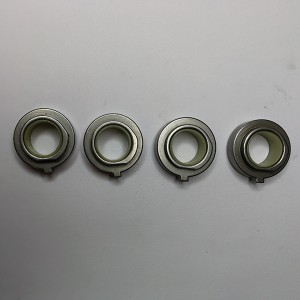
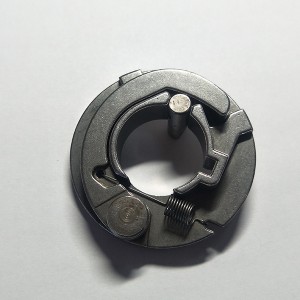
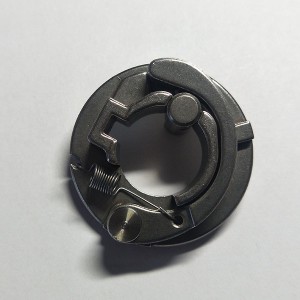
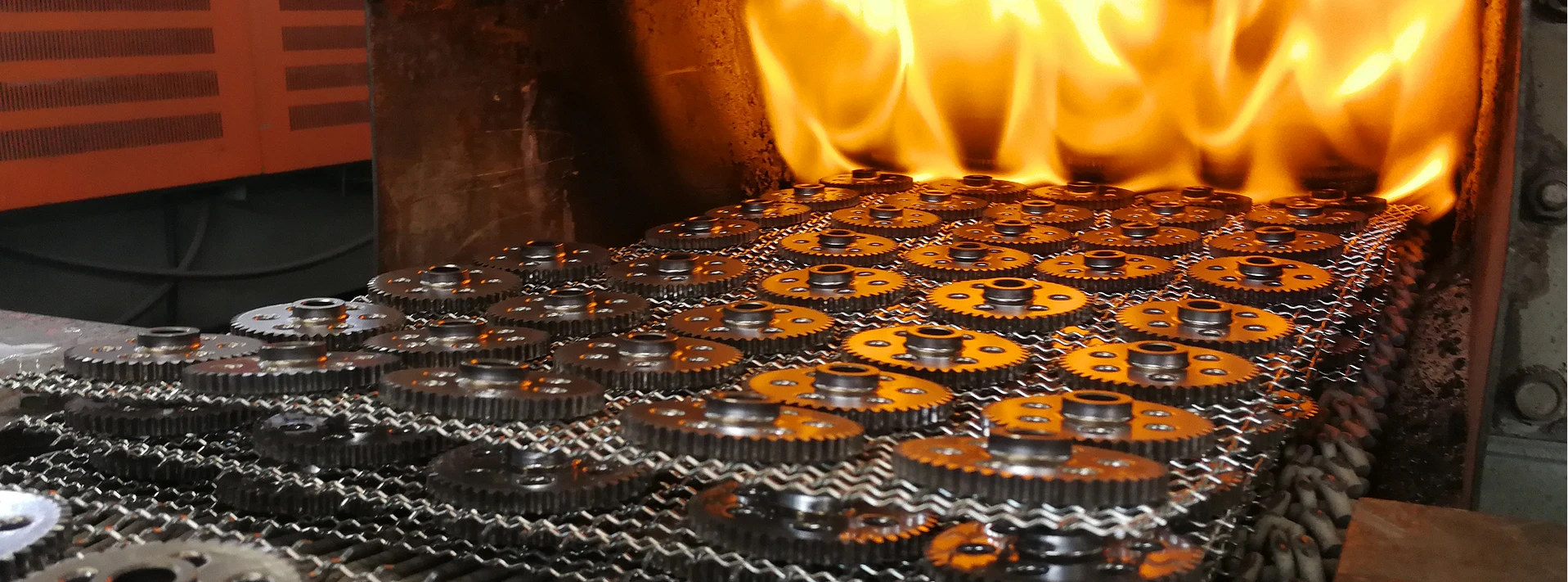
Simply put, powdered metal parts are components manufactured by compressing metal powders in a die and then sintering them — heating below the melting point to fuse particles. This process allows for intricate shapes and uniform properties that are tough to achieve through casting or machining.
Beyond just manufacturing convenience, these parts serve crucial roles in modern technology — from automotive engines designed to be lighter yet stronger, to medical implants requiring biocompatible, precisely engineered metals, powdered metal parts answer a diverse range of industry needs — humanitarian tech included.
Key Factors Behind Powdered Metal Parts
1. Durability & Strength
The parts exhibit excellent mechanical properties; sintering ensures the metal particles bond firmly, resulting in dense, wear-resistant parts suitable for high-stress applications.
2. Cost Efficiency
Minimal machining post-production and the ability to produce near-net shapes mean less material waste and faster manufacturing cycles—helping companies save money without sacrificing quality.
3. Scalability & Precision
The process supports mass production with consistent quality. Complex geometries are achievable without multiple assembly steps, which speaks volumes for industries like automotive and aerospace.
4. Environmental Sustainability
Because powdered metal production uses raw materials more efficiently and requires less energy than traditional casting, it aligns well with greener manufacturing goals.
5. Customization & Material Variety
Engineers can experiment with different metal powders or blend alloys to meet unique application requirements, creating tailored solutions instead of one-size-fits-all parts.
Mini Takeaway
Powdered metal parts combine durability, cost savings, precision, and sustainability—a powerful mix that’s driving innovation across industries.
Global Applications & Use Cases
In Europe and Asia, powdered metal parts are central to the automotive revolution—fuel-efficient engines and lightweight brakes depend on them. In aerospace, the ability to form complex, lightweight parts keeps aircraft both safe and economical.
Medical implants made via powdered metals are transforming healthcare: with custom shapes and controlled porosity, implants integrate better with bone, improving recovery outcomes.
Oddly enough, powdered metal parts are even key players in extending the lifespan of machinery in remote industrial zones like African mining sites, where durability and maintainability mean less downtime. Also, humanitarian organizations utilize powdered metal components for robust equipment in disaster zones, where supply chains are unpredictable and quality can't be compromised.
Advantages & Long-Term Value
- Cost-effectiveness: Less waste = less cost, allowing affordable production of complex parts.
- Sustainability: Reduced energy and materials usage help industries meet environmental targets.
- Reliability & Safety: Consistent properties mean safer components in critical systems.
- Innovation & Trust: Powdered metal parts enable new designs that boost performance, fostering customer trust in high-tech solutions.
Thinking about it emotionally, manufacturers and end-users alike gain a sense of confidence knowing they’re contributing to sustainability while getting durable, premium products.
Product Specifications of Common Powdered Metal Parts
| Specification | Typical Range/Value | Notes |
|---|---|---|
| Density (g/cm³) | 6.8 - 7.4 | Depends on sintering parameters |
| Tensile Strength (MPa) | 500 - 900 | Suitable for heavy-duty parts |
| Porosity (%) | 2 - 10 | Controlled for specific applications |
| Hardness (Hv) | 150 - 250 | Varies by alloy and treatment |
| Typical Materials | Steel, Iron, Bronze, Stainless Steel | Custom blends possible |
Vendor Comparison: Leading Powdered Metal Part Manufacturers
| Vendor | Specialty | Lead Time | Sustainability Focus | Customization |
|---|---|---|---|---|
| GlobalMetals Co. | High-strength automotive parts | 4-6 weeks | ISO 14001 certified | Standard alloys |
| SinterTech Inc. | Medical and aerospace-grade parts | 6-8 weeks | Renewable energy powered plants | Custom alloy blends |
| EcoForge Ltd. | Eco-friendly metal parts | 3-5 weeks | Zero waste production | Limited alloys |
Future Trends & Innovations
The future of powdered metal parts looks bright—and a little futuristic. With ongoing research into additive manufacturing and metal 3D printing, engineers are pushing the boundaries on precision and complexity while reducing lead times.
Environmentally, companies are exploring recycled metal powders, slashing carbon footprints even further. Automation and AI-driven quality control improve consistency, something industry insiders say is a game-changer. Green energy sourcing and digital integration will likely become standard, aligning powder metallurgy with global sustainability drives.
Challenges & Solutions
Despite the many advantages, challenges remain. Material limitations—especially in achieving ultra-high strength alloys—can restrict applications. Also, controlling porosity at very low levels is tricky. However, innovative sintering atmospheres and advanced powder refinement techniques are making headway.
For large components, scalability can be challenging compared to forged or cast parts, but hybrid manufacturing methods combining additive and powdered metal technologies help bridge that gap.
FAQ About Powdered Metal Parts
- Q: How do powdered metal parts compare in cost to traditional machined parts?
- A: Powdered metal parts generally reduce costs by minimizing machining and material waste. For complex shapes, they can be significantly cheaper, especially in high-volume production runs.
- Q: Can powdered metal parts be used in high-temperature environments?
- A: Yes, many powdered metal alloys are specially formulated for heat resistance, suitable for engine components and aerospace parts that endure extreme conditions.
- Q: How customizable are these parts for specialized industries?
- A: Very customizable. Manufacturers can adjust alloy blends, porosity, and dimensional tolerances to meet unique industry demands like medical implants or precision aerospace components.
- Q: What are the environmental benefits of using powdered metal parts?
- A: The production process reduces raw material waste and energy consumption compared to casting and machining, supporting greener manufacturing goals.
- Q: Are powdered metal parts suitable for small-batch production?
- A: While best suited for large volumes, advances in digital techniques and tooling have made smaller runs increasingly feasible, especially for prototypes and specialized parts.
Conclusion
In real terms, powdered metal parts stand at the intersection of innovation, efficiency, and sustainability. The continued evolution of powder metallurgy promises improved quality and environmental benefits — a win-win for businesses and society. If you want to learn more or explore custom solutions, visit our website: powdered metal parts. It’s a good starting point for anyone curious about moving beyond traditional manufacturing.
In short—powdered metal parts aren’t just components; they’re a cornerstone of tomorrow’s smarter, cleaner, and more durable manufacturing world.