




Power Tool Gear: More Than Just a Mechanism
If you’re someone involved in manufacturing, construction, or even repair work, the phrase power tool gear must come up regularly. But have you ever stopped to think about what this component really means on a global scale, beyond your immediate toolbox? These gears are the unsung heroes that turn raw power—like electricity or air pressure—into precise, controlled motion to get work done efficiently. When you understand the nuts and bolts of power tool gear, you’re really unlocking insights into how modern industries keep humming, how relief efforts reconstruct faster after disasters, and even how technology steadily evolves towards smarter, greener solutions.
In fact, the demand for reliable power tool gear has skyrocketed as the world’s construction and repair sectors grow to meet population and infrastructure needs. Knowing the ins and outs can save billions in downtime while improving both safety and durability.
Why Global Attention on Power Tool Gear Is Growing
Globally, the construction and manufacturing industries demand ever more efficient, durable tools. According to the International Organization for Standardization (ISO), standardizing mechanical components—including gears for power tools—is central to improving safety and interoperability worldwide. Plus, the United Nations Trade and Development Report 2021 points out that infrastructural growth in Asia, Africa, and Latin America is accelerating, pushing the need for rugged, affordable power tools.
Here's the tricky part: in many emerging economies, unreliable or cheaply made power tool gear often means tools fail mid-task, leading to wasted resources and even accidents. In emergency humanitarian scenarios, this can slow down rebuilding efforts dramatically. So, the challenge really is: how to make power tool gear that holds up to diverse, demanding conditions without breaking the bank?
Mini takeaway: Reliable power tool gear is a linchpin in both global development and crisis response, ensuring that infrastructure is built fast, safe, and smart.
What Exactly Is Power Tool Gear?
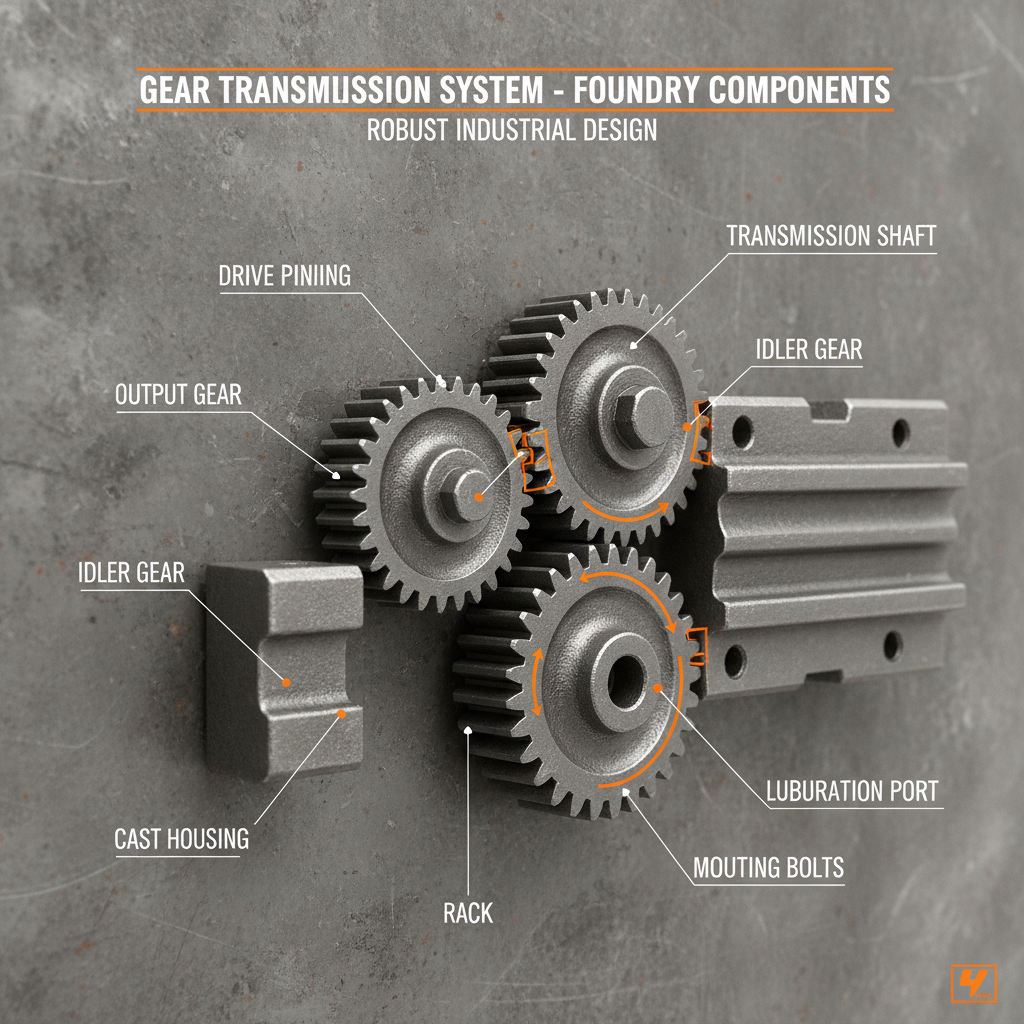
Simply put, a power tool gear is the mechanical component inside power tools that transmits torque and controls rotational speed. Picture a drill, right? The gear inside takes the motor's force and adjusts its speed and power to drill through wood or metal efficiently. These gears can be spur gears, planetary gears, or even bevel gears, depending on the tool’s function.
What makes this so fascinating—or frankly, often overlooked—is that these gears connect with modern industry and humanitarian needs by enabling precise, dependable work. Without quality gearing, your electric screwdriver could just be an overpowered paperweight.
Core Components and What They Mean
Durability
The gears must withstand constant rotational forces—think thousands of rotations per minute—and often in tough conditions like dust, moisture, or temperature swings. Materials like hardened steel or advanced composites come into play here.
Precision
Even slight mismatches in gear teeth size or alignment can cause wobble, inefficiency, or noise. Precision manufacturing ensures power tools operate smoothly, which is essential not just for functionality but user comfort and safety.
Cost Efficiency
Balancing material costs with performance is a classic engineering puzzle. Of course, you want it durable and precise, but it can’t break your budget—especially for bulk sales to construction firms or NGOs.
Scalability
How easily can manufacturers produce these gears at different sizes or specifications? Standardization helps — but many tasks require custom gear solutions.
Compatibility
Because power tools come in countless models and brands, gears need to be adaptable or easily integrated, keeping maintenance simple.
Weight
Lightweight gears reduce operator fatigue. Materials technology here is evolving rapidly, often borrowing from aerospace advances.
Mini takeaway: A power tool gear isn’t just a cog—it’s a precision-built, reliable bridge between raw power and user-friendly performance.
How Is Power Tool Gear Used Around the World?
In post-disaster relief, for instance, fast and reliable power tool gear enables responders to restore damaged infrastructure quickly, cutting down rebuilding time from months to weeks.
In industrial zones of Southeast Asia, durable gears keep power tools running for prolonged shifts under punishing conditions—think high humidity and dust. Similarly, European manufacturers rely heavily on innovative gear designs to produce ultra-quiet, efficient power tools meeting strict noise and emission regulations.
Even hobbyists can’t escape these tiny workhorses. DIY enthusiasts worldwide benefit from accessible, cost-effective power tool gear that performs consistently—whether installing home shelves or restoring vintage motorcycles.
Mini takeaway: From relief work to factory floors, power tool gears power productivity everywhere.
What Advantages Do Good Power Tool Gears Bring?
- Cost savings: Less frequent breakdowns mean less repair expense.
- Safety: Precise gear control reduces vibrations and overheating risks.
- Sustainability: Longer-lasting tools reduce electronic waste.
- Trust & Dignity: Workers using reliable tools feel valued and empowered.
- Innovation: New gear designs enable smarter, multifunctional power tools.
Technical Specifications at a Glance
| Specification | Typical Value | Notes |
|---|---|---|
| Material | Hardened Steel / Carbon Fiber composites | Steel for durability; composites reduce weight |
| Gear Type | Planetary / Spur / Bevel | Application dependent |
| Load Capacity | Up to 150 Nm (Newton meters) | Suitable for heavy-duty drills |
| Operating Speed | Up to 12,000 RPM | Ranges vary with tool specs |
| Weight | 10–50 grams per gear | Material affects weight substantially |
Comparing Power Tool Gear Vendors
| Vendor | Product Range | Price Range | Customization Options | Lead Time |
|---|---|---|---|---|
| GearTech Solutions | Spur, Planetary, Bevel | $$$ | Full customization available | 4 weeks |
| Precision Gears Co. | Mostly Spur & Planetary | $$ | Limited customization | 2 weeks |
| EcoGear Manufacturing | Lightweight composite gears | $$$ | Custom composite blends | 5 weeks |
Emerging Trends in Power Tool Gear Design
It’s kind of fascinating how green materials and industry 4.0 principles are shaping gear manufacturing. New composites are making powerful tools lightweight but resilient. Plus, digitization means gears can be tested against thousands of simulated scenarios before a single prototype is cut. Add in automation and IoT connectivity, and future power tools may self-diagnose gear wear and signal when maintenance is due—saving unplanned downtime.
Common Challenges and How They’re Tackled
One big snag is balancing cost with material performance—especially for mass-produced tools in emerging markets. Engineers are increasingly leveraging AI-driven design optimizations to pinpoint the most effective gear tooth profiles. Another challenge is abrasion and dust ingress; increasingly, seals and coatings inspired by aerospace tech are mitigating these issues.
Frequently Asked Questions About Power Tool Gear
Q1: How can I tell if the gear inside my power tool is wearing out?
A1: Listen for unusual grinding noises or a noticeable drop in tool performance. Excessive vibration and heat around the gear housing are also signs. Regular maintenance checks help extend gear life.
Q2: Are all power tool gears compatible across brands?
A2: Not necessarily. Gear sizes, tooth profiles, and mounting differ, so it’s crucial to source compatible gears or consult manufacturers to avoid issues.
Q3: What materials are best for power tool gears used in humid or dusty environments?
A3: Hardened steel with protective coatings or composite materials designed to resist corrosion and abrasion perform best under tough conditions.
Q4: Can upgrading my power tool’s gears improve its overall performance?
A4: Yes. High-quality, precision-engineered gears can reduce noise, increase power transmission efficiency, and extend tool lifespan.
Q5: How do power tool gear innovations impact eco-friendliness?
A5: Improved materials and manufacturing reduce waste and energy use, while longer-lasting gears mean fewer replacements, contributing to sustainability goals.
Wrapping It Up: Why Power Tool Gear Matters Now and Tomorrow
After digging through the mechanics, applications, and trends around power tool gear, it feels clear that this small component packs a punch far bigger than its size suggests. It’s about powering progress—in factories, in disaster zones, and even in your own weekend projects—while keeping safety, efficiency, and sustainability front and center.
If you’re looking to explore reliable power tool gear options for your next project or want to stay updated on the latest innovations, visiting a trusted industry resource like us is a great next step.
Stay tuned to the future of tools—it’s gearing up to be quite something.