




What Is Mixer Gear and Why Does It Matter Globally?
At first glance, "mixer gear" might sound like a niche term confined to engineering manuals or factory floors. But in reality, it's a tiny cog driving massive sectors—from food production to chemical manufacturing to construction—and beyond. Mixer gears are essential mechanical components that ensure materials from dough to industrial fluids blend evenly, efficiently, and reliably. The global scope of mixer gears is vast: consider how world food demand is projected to grow by 50% by 2050 according to the UN, making efficient mixing technology a silent but crucial player in feeding billions.
Understanding mixer gear technology isn't just industrial jargon; it's about grasping how a simple mechanical part can influence supply chains, reduce waste, and improve sustainability on a planetary scale. So let's dive deeper to see why mixer gear innovation truly matters today.
Global Context: The Industrial Backbone of Modern Mixing
From Asia’s booming chemical industries to Europe’s advanced food processing plants, mixer gears power the machinery that blends ingredients at scale, safely, and with precision. The International Organization for Standardization (ISO) identifies efficient mixing as a critical factor in reducing manufacturing downtime and energy consumption globally. According to a recent World Bank report, industries that integrate cutting-edge mixer gear technology often see productivity increases upward of 20%.
Yet challenges abound. Many older facilities still use outdated gearing that leads to inconsistent mixing quality or breakdowns, slowing production and increasing waste. In sectors like pharmaceuticals, where precise mixtures impact medicine safety, the reliability of mixer gears can be literally life-saving. So the stakes are high.
Defining Mixer Gear: The Heartbeat of Batch Uniformity
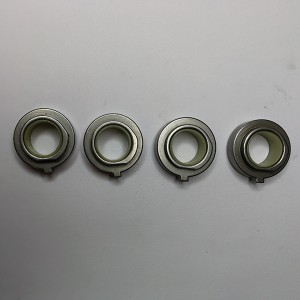
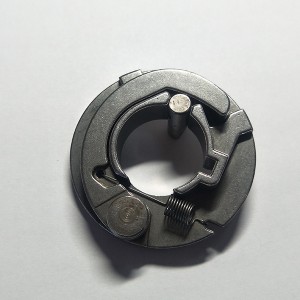
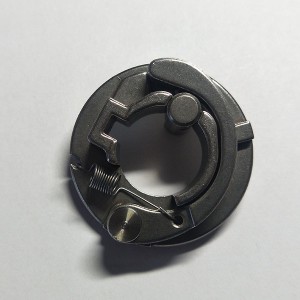
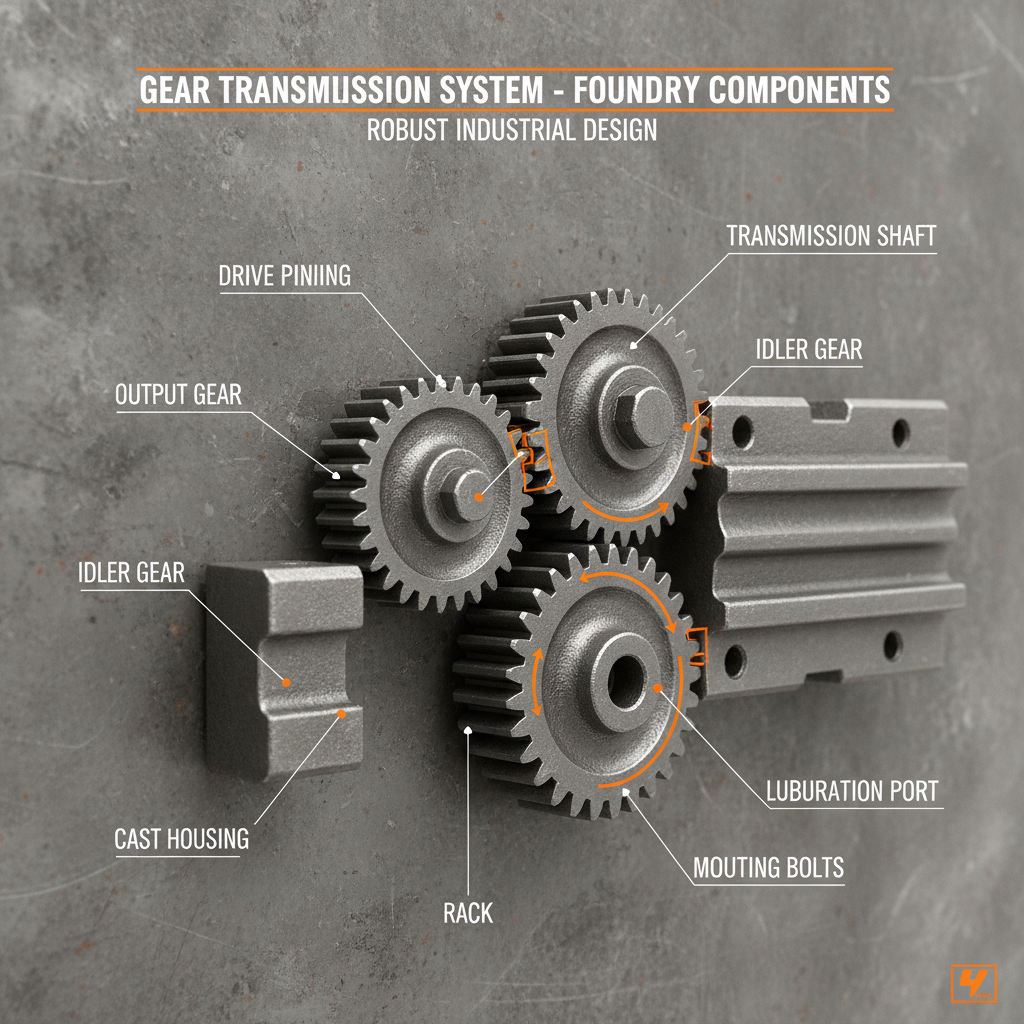
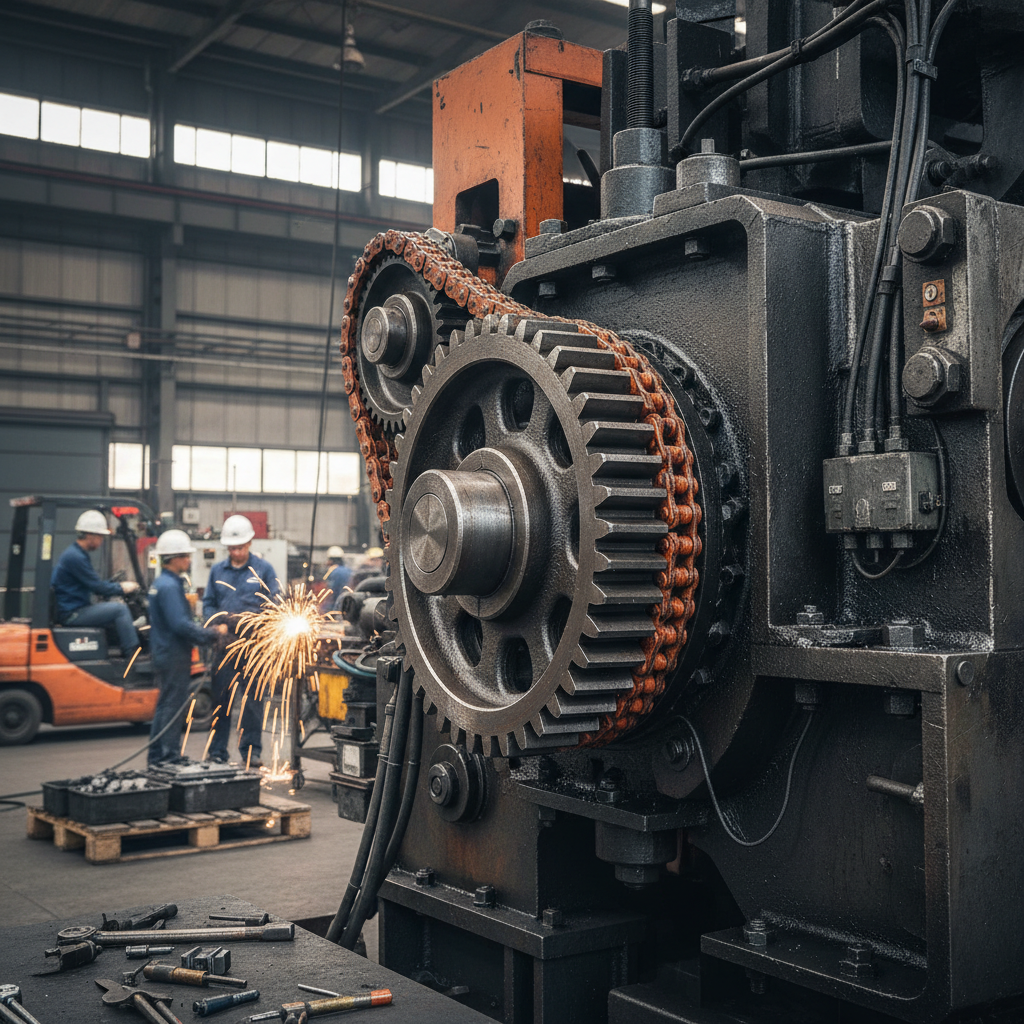
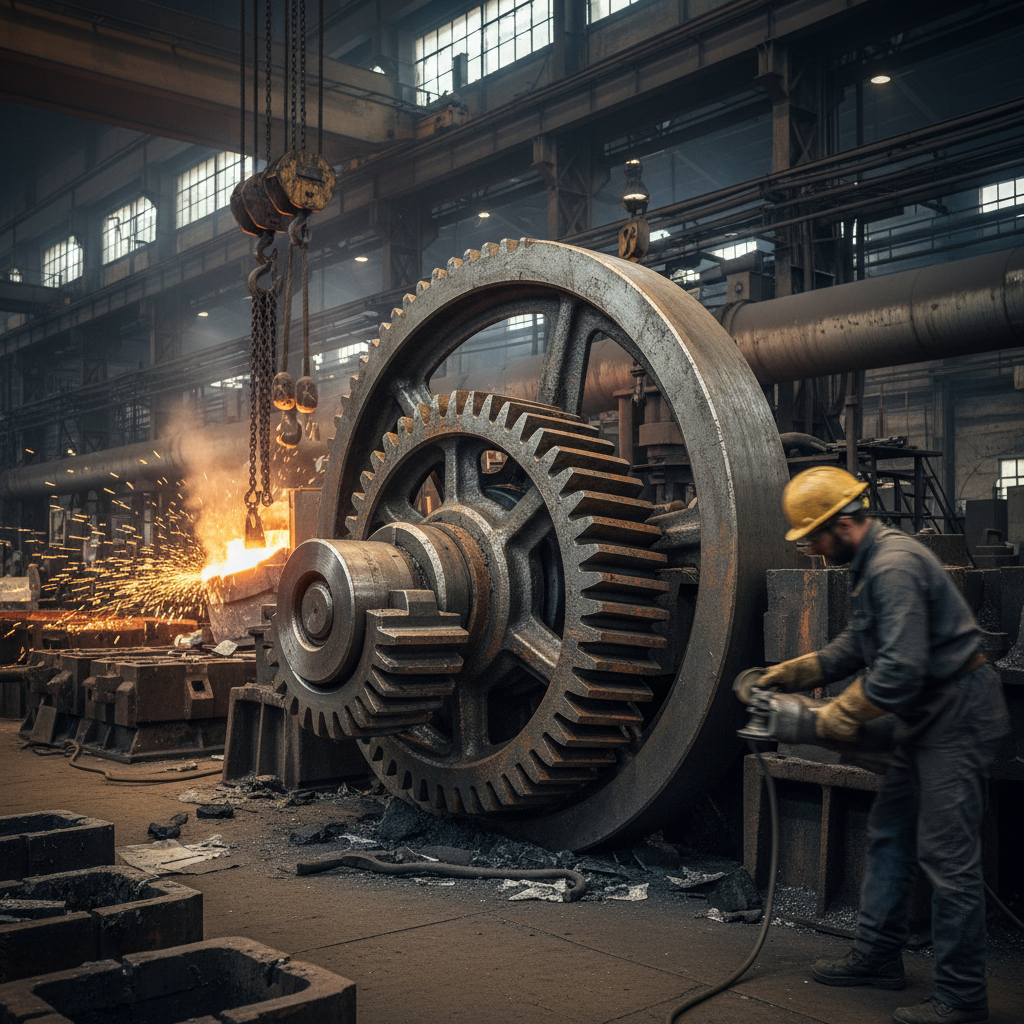
Simply put, a mixer gear is a mechanical component designed to transmit rotational force within a mixer assembly—think of it as the behind-the-scenes powerhouse that turns blades or paddles inside large containers. This gear converts motor output into controlled, often variable, speed and torque that blend materials smoothly. You find mixer gears in everything from giant cement mixers to high-tech pharmaceutical reactors.
Their role extends beyond just turning things around; they maintain consistent shear, prevent clumping, and ensure homogeneous mixtures. In humanitarian crises, for example, mixers equipped with robust gears help process safe drinking water or prepare mass food supplies quickly and safely.
Key Factors in Mixer Gear Design That Really Matter
Durability: Built to Last Under Stress
Mixer gears endure constant stress and torque fluctuations. Good gears are made from hardened steel or advanced composites, resisting corrosion and wear. This reliability means fewer replacements and less downtime—crucial factors in high-throughput factories.
Efficiency: Smoother Operation, Lower Costs
Efficient gear design translates into less energy lost as heat or vibration, directly cutting operational costs. The smoother the gear teeth mesh, the quieter and more precise the mixer action—something engineers obsess over.
Scalability: From Bench to Plant
Whether the application is small-batch lab mixing or massive industrial processes, mixer gears must scale effectively. Modular designs give industries flexibility to upgrade or adjust without full system replacement.
Cost Efficiency: Balancing Price and Performance
Naturally, companies want long-lasting solutions without breaking the bank. Today’s mixer gears often come in customizable options, from budget-friendly models with acceptable wear life to premium custom-machined sets for critical applications.
Precision & Control: For Sensitive Mixes
This is essential in pharmaceuticals and food industries where small deviations can ruin batches or compromise safety. High-quality mixer gears offer tight tolerances and smooth torque transitions to maintain optimal mixing conditions.
Global Applications and Real-World Use Cases
Mixer gears have quietly infiltrated countless industries worldwide. In Europe’s energy sector, they blend additives into biofuels, ensuring cleaner emissions. In remote African villages, rugged mixer gear-equipped machines prepare nutrient-enriched meals during humanitarian aid efforts. Coastal Asia relies on precise mixer gears to produce advanced cosmetics and pharmaceuticals.
Oddly enough, mixer gear innovations are even relevant in post-disaster relief operations, where fast, reliable mixers prepare everything from concrete for rebuilding infrastructure to safe water supplies for displaced populations. Companies like these understand that the quality of mixer gears can mean the difference between quick recovery and prolonged hardship.
Product Specification Table: Common Mixer Gear Types
| Type | Material | Torque Capacity (Nm) | Speed Range (RPM) | Typical Industries |
|---|---|---|---|---|
| Spur Gear | Hardened Steel | 500 – 5000 | 50 – 1000 | Food, Chemicals, Cement |
| Bevel Gear | Composite Steel | 800 – 7000 | 30 – 900 | Pharmaceutical, Petrochemical |
| Helical Gear | Alloy Steel | 1000 – 8000 | 40 – 1200 | Food, Chemicals, Cosmetics |
Advantages and Long-Term Value of Quality Mixer Gears
The real juice, frankly, is in how mixer gears impact operational costs and quality alike. High-grade gears ensure smoother operations, which reduce energy consumption and extend machine life. This translates into fewer unplanned stops and less scrap product—a big win for minimizing waste and carbon footprint.
Beyond economics, better mixing means safer products—be it blending pharmaceuticals or ensuring consistency in food. There's also an emotional angle here: trust in your supplier, pride in your product, peace of mind for end-users. Industries lean into mixer gear innovation not just for efficiency but for dignity and reliability.
Future Trends: What’s Next for Mixer Gear Technology?
Digital transformation is making waves, with smart mixer gears fitted with sensors for real-time health monitoring—predictive maintenance, anyone? Plus, evolving green energy mandates encourage the use of lightweight composite gears, reducing weight with no performance loss.
Automation plays a big role, too. Variable-speed mixer gear systems integrate seamlessly with IoT platforms, allowing remote adjustments to optimize mixing efficiency or address problems before they escalate.
Challenges and Innovative Solutions
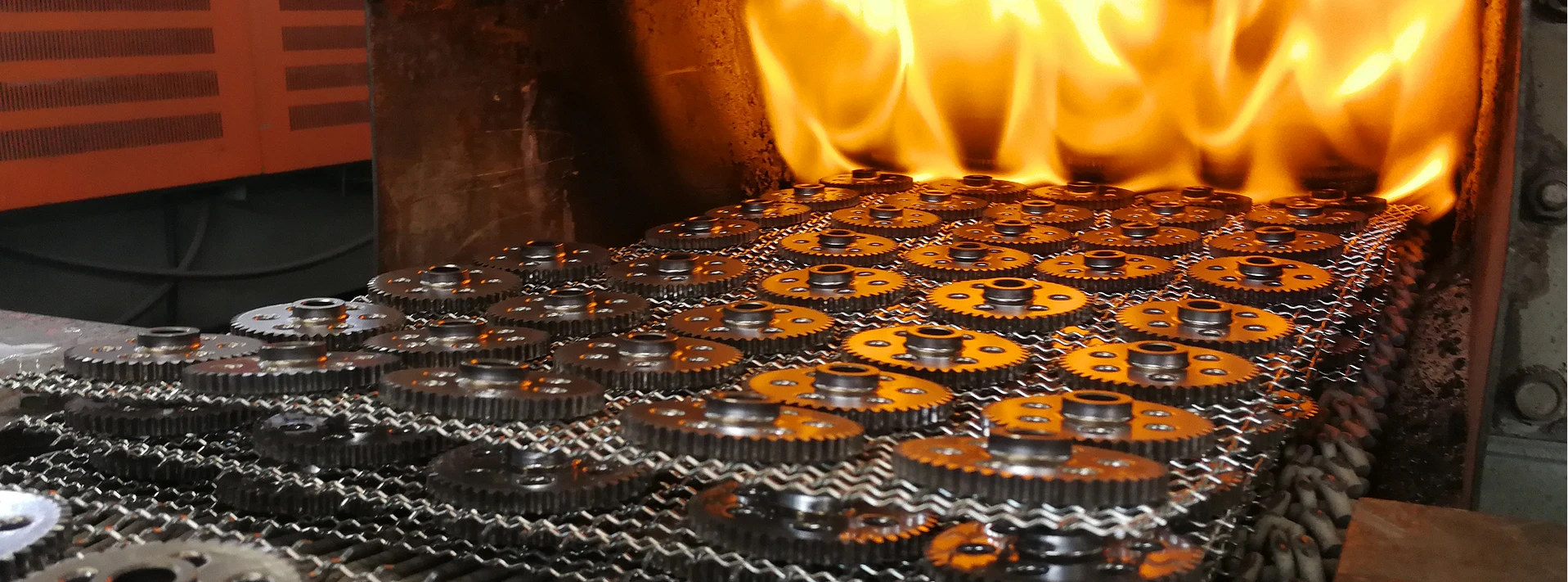
One nagging issue is wear and tear from abrasive materials or corrosive chemicals, which can undermine even the best gears. Experts recommend specialized coatings or surface treatments to extend gear life. Also, a balance between low cost and high performance remains tough for many manufacturers, especially in emerging markets.
The good news? Modular designs allow for easier gear replacements or upgrades without a full mixer teardown—saving time and money in the trenches.
Vendor Comparison Table: Leading Mixer Gear Suppliers
| Vendor | Material Options | Customization Level | Average Lead Time | Price Range |
|---|---|---|---|---|
| GearWorks Inc. | Steel, Composite | High | 4–6 weeks | $$$ |
| PrecisionGears | Hardened Steel | Medium | 3–5 weeks | $$ |
| EcoMix Solutions | Composite, Alloy Steel | High | 6–8 weeks | $$$ |
FAQ: Frequently Asked Questions About Mixer Gear
What types of mixer gears are best for harsh industrial environments?
For abrasive or corrosive environments, hardened steel or composite gears with specialized coatings are preferred. These materials resist wear and corrosion, extending service life and reducing downtime.
How often should mixer gears be inspected or replaced?
Inspection frequency depends on usage intensity, but a typical schedule might be every 6 months for heavy industries. Replacement timelines vary but generally span 3–5 years if maintained properly.
Can mixer gears be customized to fit unique mixing applications?
Absolutely. Many vendors offer precision customization to match torque requirements, speed ranges, and environmental conditions. This customization ensures optimal performance.
Is it possible to retrofit old mixers with newer mixer gears?
Yes, retrofitting with modular mixer gear units can significantly improve performance and energy efficiency without replacing the entire mixer.
Where can I find mixer gear suppliers for international projects?
Several global vendors ship internationally or have regional distributors. It’s helpful to verify shipping policies and local support to streamline logistics.
Ready to explore mixer gear options for your operation? Visit our website for detailed specs, expert support, and personalized solutions.