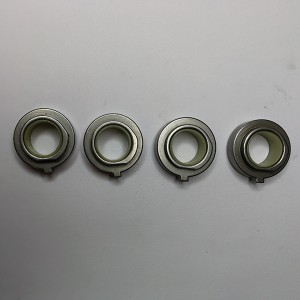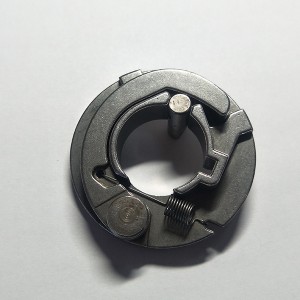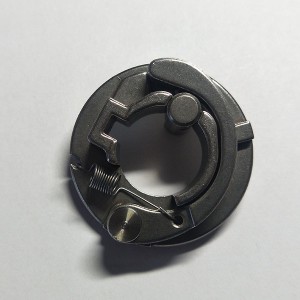





Types Of Gear In Mechanical Engineering is a key solution in the industry, specifically within mechanical power transmission and precision machinery. This article explores how https://www.jssintering.com supports professionals with durable, high-performance products, and explains why this product is an ideal choice for businesses in these sectors.
Table of Contents
- Types Of Gear In Mechanical Engineering Overview
- Benefits & Use Cases of Types Of Gear In Mechanical Engineering
- Cost, Maintenance & User Experience
- Sustainability & Market Trends
Types Of Gear In Mechanical Engineering Overview
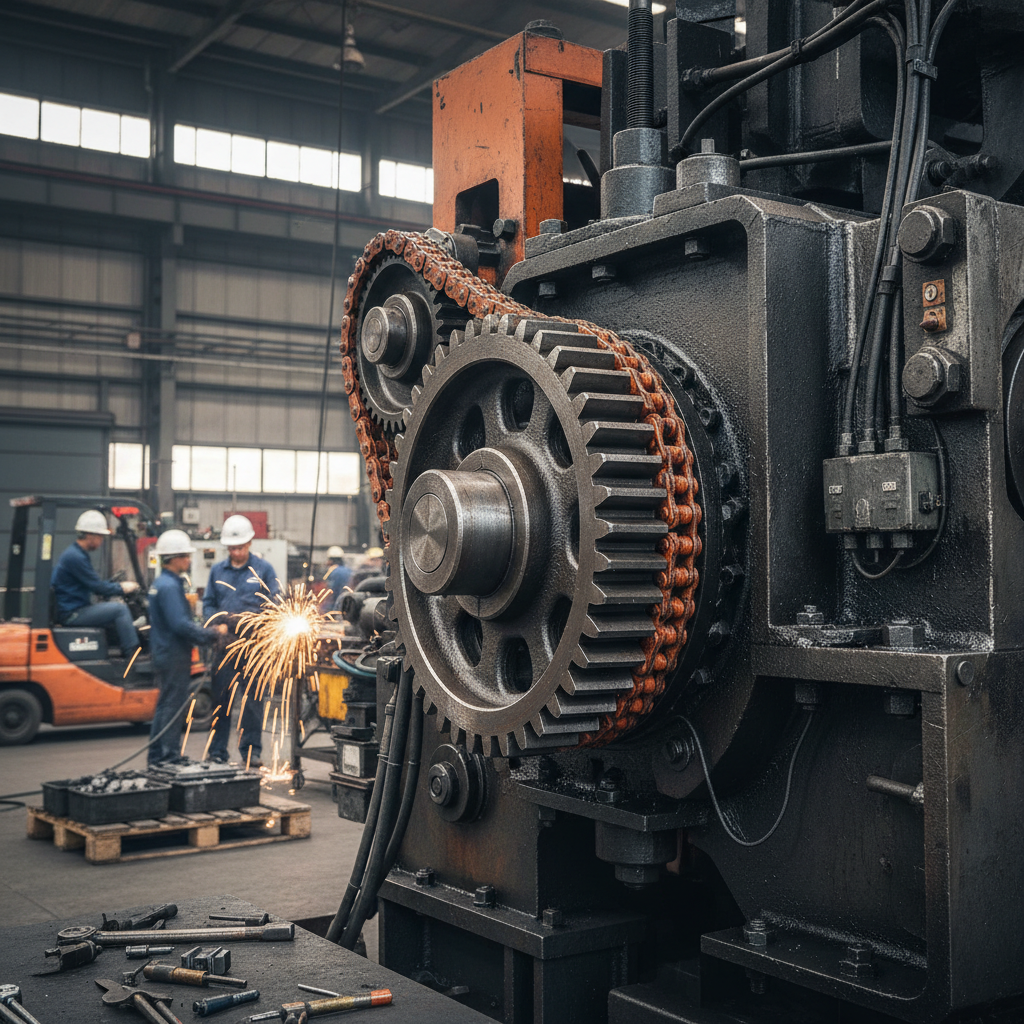
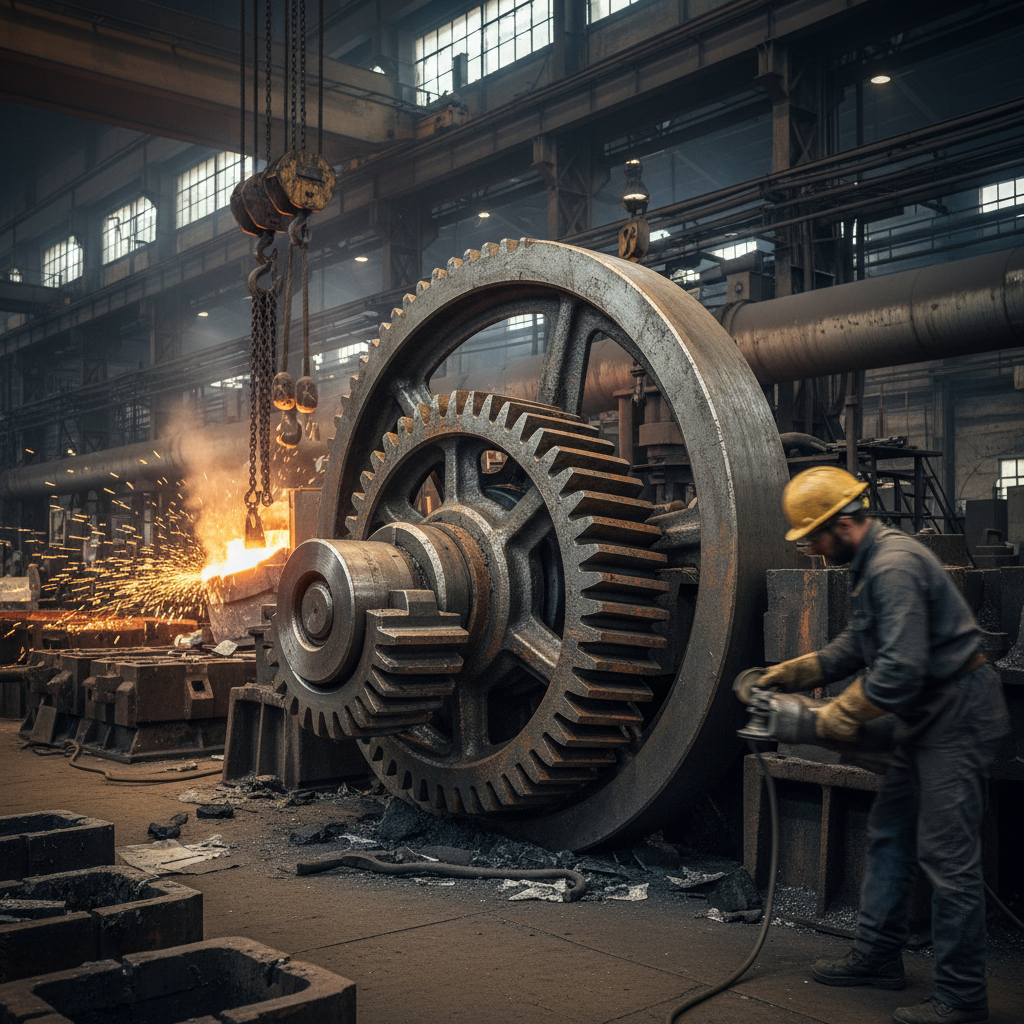
When we talk about Types Of Gear In Mechanical Engineering, we’re really diving into the variety of gearing systems that move and control everything from tiny instruments to massive industrial machines. Gears, frankly, are the unsung heroes of mechanical design — converting speed, torque, and direction in ways that are sometimes subtle yet critical for system performance.
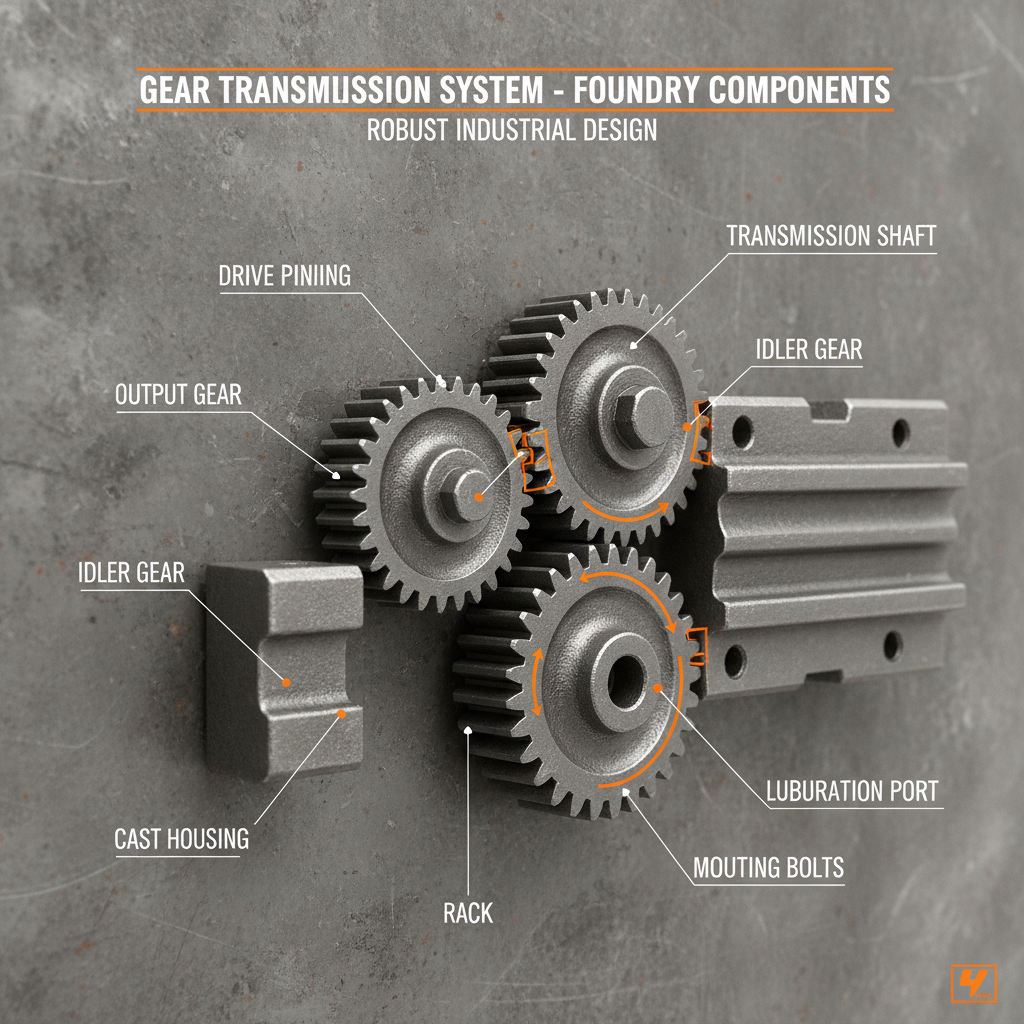
There are several primary types to know: spur gears (think straight teeth, simplest form), helical gears (angled teeth for smoother engagement), bevel gears (to change rotational direction), worm gears (for high reduction ratios), and planetary gears (a more complex assembly allowing compact, high-torque operation). Each type has distinctive specifications — such as module, pitch diameter, pressure angle, and material composition — which influence their performance under different loads and speeds.
Take, for instance, the helical gear: with its angled teeth, it reduces noise and vibration, which is why it’s often preferred in automotive transmissions. JSSintering’s expertise lies in precisely manufacturing gears with fine tolerances and durable sintered metal materials, delivering long life cycles and resistance to wear — you know, the kind of reliability industrial clients crave.
| Gear Type | Material | Module (mm) | Teeth Count | Application |
|---|---|---|---|---|
| Spur Gear | Sintered Steel | 1–10 | 12–120 | Simple power transmission |
| Helical Gear | Alloy Steel | 2–15 | 20–80 | Automotive & machinery |
| Bevel Gear | Sintered Bronze | 3–12 | 15–60 | Direction change mechanisms |
Benefits & Use Cases of Types Of Gear In Mechanical Engineering
Industries from automotive to aerospace and heavy machinery depend heavily on the right types of gear. The benefits? Well, it’s about durability, precision, and efficiency. For example, precision machined helical gears reduce energy loss by minimizing noise and vibration – that’s a real cost saver over time, both from maintenance and operational standpoints.
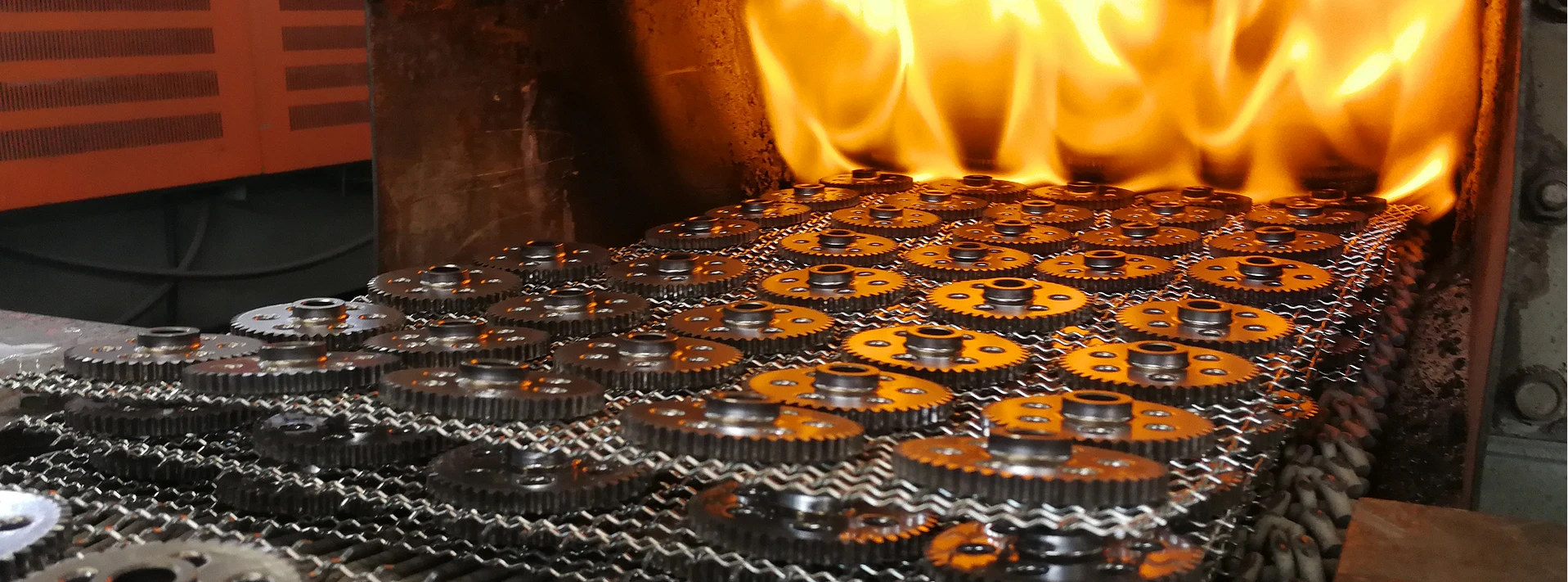
JSSintering especially shines by offering sintered gears, which are known for their excellent strength-to-weight ratio and cost-effective manufacturing. This means companies get gears that meet stringent specs but at a lower price than traditionally machined gears. And oddly enough, these sintered parts often outperform expectations in real-world endurance tests.
You’ll find their gears in mining equipment, medical device actuators, and robotics – places where failure simply isn’t an option. Plus, JSSintering’s ability to customize tooth profiles and offer post-production treatments gives their customers a noticeable edge in adapting to unique challenges.
Cost, Maintenance & User Experience
Time and again, clients mention how choosing a reliable gear supplier affects their total cost of ownership. It’s not just the purchase price — although JSSintering’s competitive pricing is a big plus — but also the reduced downtime and fewer replacements that really boost ROI. Maintenance cycles stretch longer and replacements happen less. The longevity of sintered gears helps smooth out the financials.
Interestingly, several buyers report ease of integration with existing systems thanks to consistent gear sizing and quality control at JSSintering. One customer in robotics told me they noticed a marked decrease in vibration which improved their product lifespan by around 20%. So, user experience here is not only about direct usability but enhanced overall system reliability.
Of course, specs depend heavily on application, but consistent quality and thoughtful engineering tweaks matter — and JSSintering is noted for their excellent customer support and design collaboration that makes the process smoother.
| Vendor | Material Quality | Pricing | Customization | Lead Time | Support |
|---|---|---|---|---|---|
| JSSintering | High-grade sintered alloys | Competitive | Excellent — flexible designs | 4–6 weeks typical | Responsive & collaborative |
| Traditional OEM | Machined steel | Higher | Limited | 6–8 weeks | Standard support |
| Low-cost Importers | Variable, often lower-end | Low | Minimal | Long, uncertain | Low responsiveness |
Sustainability & Market Trends
Sustainability is more than a buzzword; it’s becoming a regulatory and business imperative. The gear manufacturing industry is pushing towards greener methods and materials, including energy-efficient sintering processes and longer-lasting components that reduce waste. JSSintering’s work with sintered metals reflects this trend — it’s resource-conscious and produces less scrap material compared to subtractive machining.
Market growth in industries like electric vehicles and renewable energy has also amplified demand for specialized gear types, often needing lightweight but durable parts to maximize efficiency. This plays right into the strengths of sintered gears from JSSintering, which can be customized with advanced alloys to meet evolving needs.
Looking ahead, I suppose it’s fair to say gears are quietly evolving — with additive manufacturing starting to play a role and digital twins helping engineers simulate stress tests before production. Still, the foundational value of reliable, well-engineered gear types remains a cornerstone.
Frequently Asked Questions about Types Of Gear In Mechanical Engineering
- What is Types Of Gear In Mechanical Engineering and how does it work?
- Simply put, types of gear refer to different gear designs that transmit mechanical power by meshing teeth to alter speed, torque, or direction between rotating shafts. They work by the physical interaction between teeth on mating gears, enabling smooth, controlled motion transfer.
- What are the main benefits of using Types Of Gear In Mechanical Engineering in industrial applications?
- The primary benefits include enhanced efficiency, durability under heavy load, noise reduction (in specific types), compact design options like planetary gears, and cost savings from materials and manufacturing, especially when using sintered metal technology.
- How does Types Of Gear In Mechanical Engineering compare to traditional alternatives?
- Modern gear types such as sintered gears often exceed traditional machined gears in consistency and cost-efficiency, while advanced tooth profiles improve performance. They also allow faster production and sometimes superior material properties depending on alloy selection.
- What industries can benefit most from Types Of Gear In Mechanical Engineering implementation?
- Key industries include automotive, aerospace, robotics, heavy machinery, energy, and medical devices. Each sector relies on specific gear types to meet application demands for speed, torque, and precision — JSSintering has supplied successfully across all these fields.
Conclusion on Types Of Gear In Mechanical Engineering from china
To sum up, Types Of Gear In Mechanical Engineering remain a vital component of modern mechanical design. They offer businesses the blend of technical performance, cost efficiency, and adaptability needed to thrive in demanding environments. For anyone looking to source reliable, high-quality gearing solutions, visiting our website: https://www.jssintering.com is a wise first step.
In real terms, gears might not be glamourous, but they quietly keep the wheels of industry turning — and having robust options from trusted suppliers like JSSintering truly makes a difference.
References
- “Mechanical Gear Design” - Shigley’s Mechanical Engineering Design, McGraw-Hill 2020
- JSSintering product catalogue and technical whitepapers, 2023
- Industry analysis reports, International Power Transmission CM, 2023