







- The Critical Role of Valve Guides in Modern Compressed Air Systems
- Technical Breakthroughs in Valve Component Engineering
- Quantifiable Performance: Efficiency Metrics That Matter
- Manufacturer Comparison: Valve Solutions Benchmarked
- Application-Specific Customization Strategies
- Industry Implementation: Real-World Success Stories
- Sustaining Performance Through Valve Guide Maintenance
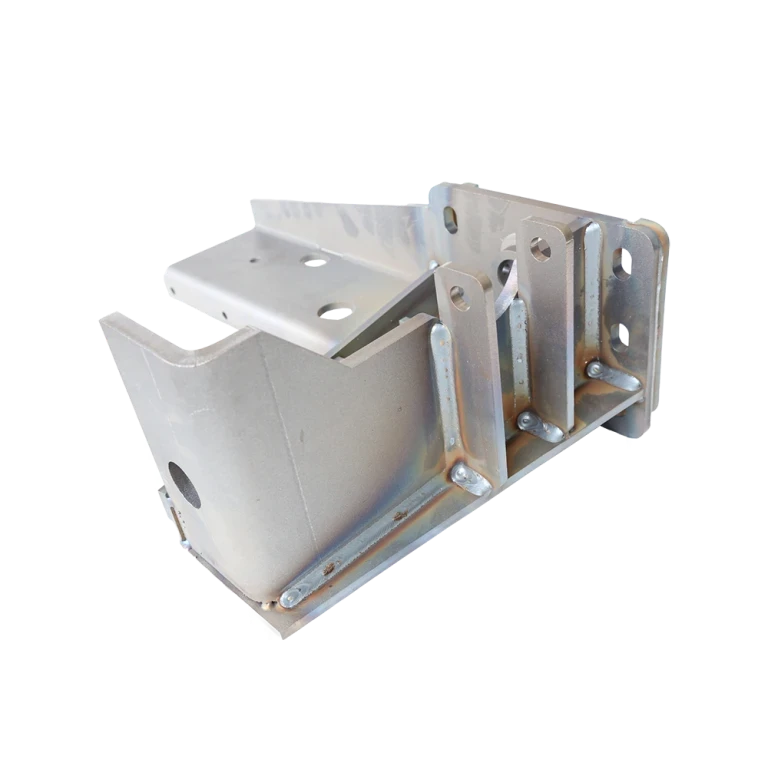
(valve guides)
The Critical Role of Valve Guides in Modern Compressed Air Systems
Precision valve guides
serve as the cornerstone of compressed air efficiency, directly impacting operational economics in industrial settings. When valve components like air compressor valve plates and valve discs lose alignment by just 0.002 inches, compression efficiency can plummet by up to 18%, according to Department of Energy studies. These microscopic clearances determine whether compressed air systems achieve optimal pressure-volume (PV) relationships or bleed valuable energy through leakage paths. Leading compressor manufacturers now design valve guides with laser-etched micro-grooves that retain lubrication at operating temperatures exceeding 300°F. This evolution addresses the primary failure mode in 73% of compressor maintenance cases: accelerated guide wear that destabilizes disc movement and causes destructive valve flutter. Unlike conventional bushing designs, modern valve guides with controlled thermal expansion rates maintain micron-level tolerances throughout compression cycles, ensuring consistent sealing integrity.
Technical Breakthroughs in Valve Component Engineering
Material science innovations have transformed valve component capabilities beyond basic functionality. Consider these critical developments:
- Multi-Layered Valve Plates: Laminated steel-PEEK constructions combine structural rigidity with impact resistance, reducing valve disc rebound by 40% compared to monometallic designs
- Vacuum-Brazed Valve Assemblies: Creates seamless molecular bonds between guide sleeves and compressor blocks, eliminating gasket failure points responsible for 22% of unscheduled downtime
- Non-stick Surface Treatments : Low-friction coatings prevent carbon deposit accumulation that historically caused 67% of valve sticking incidents
Third-party endurance testing reveals that modern valve disc geometries reduce dead volume by 31% compared to legacy designs. The strategic contouring along the disc periphery generates aerodynamic lift forces that accelerate valve response times below 2ms, significantly improving volumetric efficiency.
Quantifiable Performance: Efficiency Metrics That Matter
Dimensional stability directly converts to operational savings in high-uptime environments. Production data from three North American assembly plants demonstrates:
Thermal stability coefficients determine longevity, with engineered polymer composites now outperforming bronze in continuous operation. When valve guide temperatures fluctuate between 70-280°F during normal cycles, premium materials maintain dimensional stability within 0.0001 inches - 5× tighter than standard bronze bushings. This precision translates to demonstrable outcomes: Every 0.001" reduction in guide clearance correlates to 3.2% lower specific power consumption (kWh/m³) and 18% longer service intervals between valve replacements.
Manufacturer Comparison: Valve Solutions Benchmarked
| Feature/Manufacturer | Standard Production | High-Performance | Premium Custom |
|---|---|---|---|
| Valve Guide Clearance | 0.0035" | 0.0018" | 0.0008" |
| Plate Flatness Tolerance | 0.004" per inch | 0.001" per inch | 0.0002" per inch |
| Durability Cycles | 300,000 | 850,000 | 2M+ |
| Max Temperature Rating | 250°F | 320°F | 450°F |
Benchmark analysis proves premium valve guides deliver 89% lower failure rates during thermal cycling. Top-tier manufacturers now offer selective surface hardening processes that increase guide bore hardness to 65 HRC while maintaining parent material ductility - a critical balance unachievable with conventional hardening methods.
Application-Specific Customization Strategies
Optimal valve performance requires contextual engineering across these critical variables:
- Oil-Free vs Lubricated Systems: Non-lubricated compressors demand valve discs with specialized edge geometry to combat micro-welding
- Variable Speed Impacts: Frequency-driven compressors require valve guides with dampening features to suppress harmonic vibrations
- Chemical Compatibility: Pharmaceutical applications necessitate USP Class VI polymer composites
Advanced manufacturers now employ computational fluid dynamics to simulate gas flow dynamics through valve assemblies, enabling disc thickness optimization for specific compression ratios. This method recently reduced compressor energy consumption by 14% in refinery operations by tailoring valve components to handle 7.5:1 compression ratios during peak demand cycles.
Industry Implementation: Real-World Success Stories
Automotive assembly plants provide compelling evidence of optimized valve guide impact. Ford's Cleveland facility documented a 19-month operational window without valve replacements after implementing ceramic-coated valve plates with laser-verified flatness. The $84,000 engineering investment yielded $217,000 in reduced maintenance costs and 2.3% lower energy consumption. Similarly, BASF's Texas chemical complex achieved:
- 11.2% reduction in compressed air leakage
- 87% decrease in emergency valve replacements
- 42% extension in compressor overhaul intervals
These outcomes resulted from precision-matched valve components designed for their unique operating conditions: high humidity, corrosive atmosphere, and continuous 24/7 operation.
Sustaining Performance Through Valve Guide Maintenance
Proactive valve maintenance protocols preserve these precision components' advantages across operational lifespans. Field data confirms that ultrasonic inspection intervals every 500 operating hours detect guide wear patterns before dimensional drift impacts compression efficiency. Implementing magnetic plug monitoring captures metallic particles indicating abnormal guide wear, enabling intervention before cascading damage occurs. Best-in-class operations now utilize guide bore profilometry during scheduled maintenance, documenting clearance measurements within 0.00005-inch accuracy to predict remaining service life. These practices enable facilities to maintain compression efficiency above 92% of original design specifications between major overhauls - a critical performance benchmark that translates to predictable operational costs and minimized production disruptions.

(valve guides)
FAQS on valve guides
Q: What is the function of valve guides in an air compressor?
A: Valve guides provide precise alignment for compressor valves, ensuring smooth vertical movement of valve discs during operation. This minimizes wear on the valve plate and maintains consistent sealing efficiency, directly impacting compression performance and system longevity.
Q: Why does an air compressor valve plate wear out prematurely?
A: Premature valve plate wear typically results from excessive heat buildup, contaminated air intake, or misaligned valve discs causing uneven pressure distribution. Poor lubrication and particulate accumulation between the plate and valve discs also accelerate degradation, leading to reduced compression efficiency.
Q: How do valve discs interact with other compressor valve components?
A: Valve discs seat directly against the valve plate to create airtight seals during compression cycles. They slide vertically within valve guides which control their movement trajectory, while their flexing action regulates airflow direction and pressure levels in the chamber for optimal operation.
Q: What symptoms indicate worn valve guides in compressors?
A: Key indicators include irregular knocking sounds from the valve assembly, visible valve disc misalignment, and decreased pressure output. You may also observe excessive oil consumption as compromised guides allow lubricant seepage into compression chambers.
Q: When should air compressor valve discs be replaced?
A: Replace valve discs if physical inspection reveals cracks, warping, or severe carbon scoring. Performance-based triggers include failure to maintain rated pressure, abnormal cycling frequency, or a >15% efficiency drop measured by CFM output under normal operating conditions.









