




Rack Gear: The Unsung Hero of Mechanical Precision
If you’ve ever admired the smooth motion of a machine or wondered how heavy loads move effortlessly in factories, there’s a good chance rack gear was behind the scenes making it all work. Understanding rack gear isn’t just a matter for gearheads—it’s a key to unlocking efficiencies in global industries from manufacturing to humanitarian logistics. But why does it matter on a bigger scale? Let’s dive in.
Global Significance of Rack Gear
Across the globe, industrial automation and precision engineering have surged to new heights. The International Organization for Standardization (ISO) notes that mechanical power transmission components, including rack and pinion systems, boost manufacturing output by ensuring reliable motion control. In fact, as of 2023, industries that rely heavily on rack gear components—automotive assembly, robotics, and logistics systems—contribute billions in revenue and employ millions worldwide. There’s a challenge though: many current systems struggle with efficiency, wear, and maintenance in harsh environments. Cable cars in Switzerland or automated warehouse cranes in Japan depend on robust rack gears, yet even the best designs can falter if material choice or alignment isn’t optimized.
Mini takeaway: Rack gear underpins a huge chunk of modern mechanical motion worldwide, impacting everything from factory floors to relief operations.
What Exactly Is a Rack Gear?
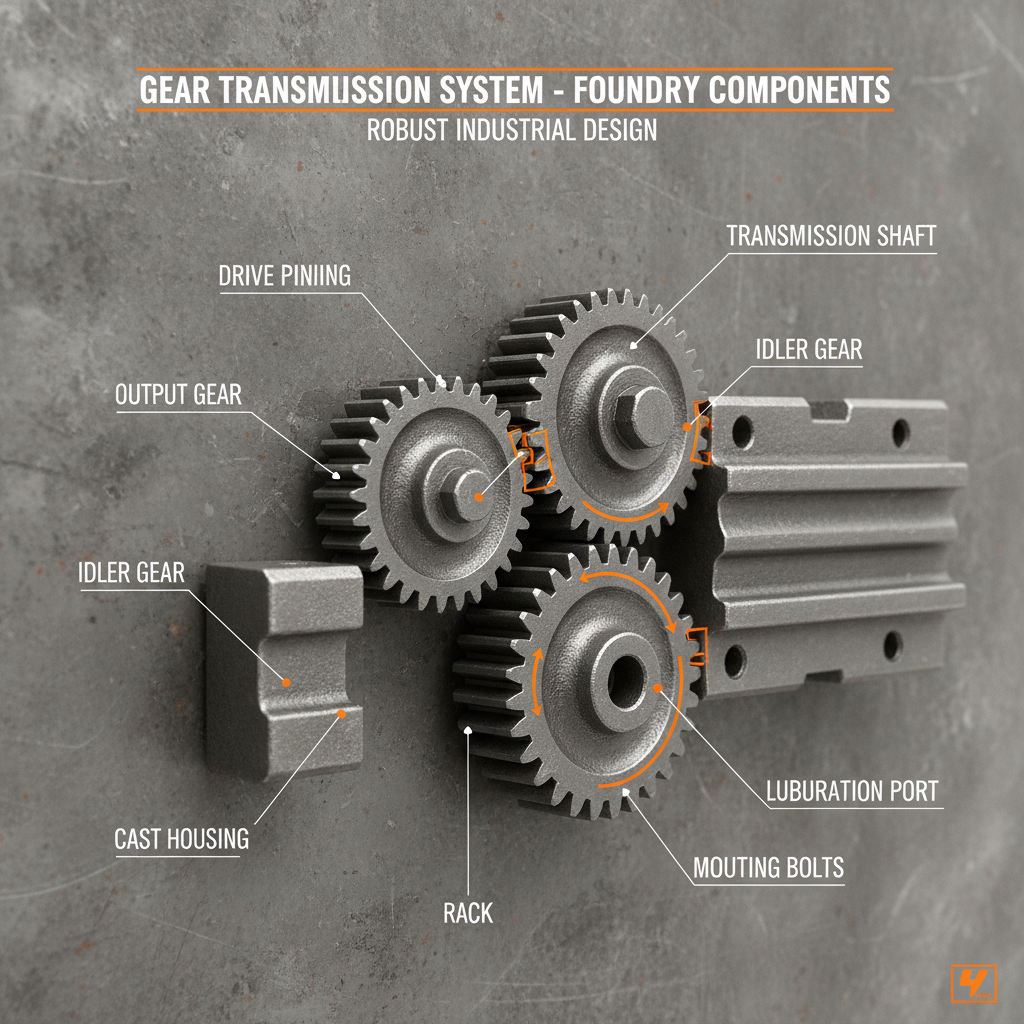
Put simply, a rack gear (often called a rack) is a straight or flat gear bar with teeth cut into it. When paired with a circular gear called a pinion, it converts rotational motion into linear movement. Imagine turning a steering wheel in your car—inside, a rack and pinion changes the rotation of the wheel into the side-to-side motion of the wheels themselves. On a bigger scale, machines use this system to move heavy parts along assembly lines or adjust positioning with incredible precision.
Oddly enough, these simple components play a fundamental role in everything from medical devices to cranes operating in remote resource extraction zones. In humanitarian settings, for example, deployable machinery uses rack gear for quick setup, ensuring aid reaches affected areas faster.
Core Aspects of Rack Gear Design and Use
Durability: Getting Tough with Wear and Tear
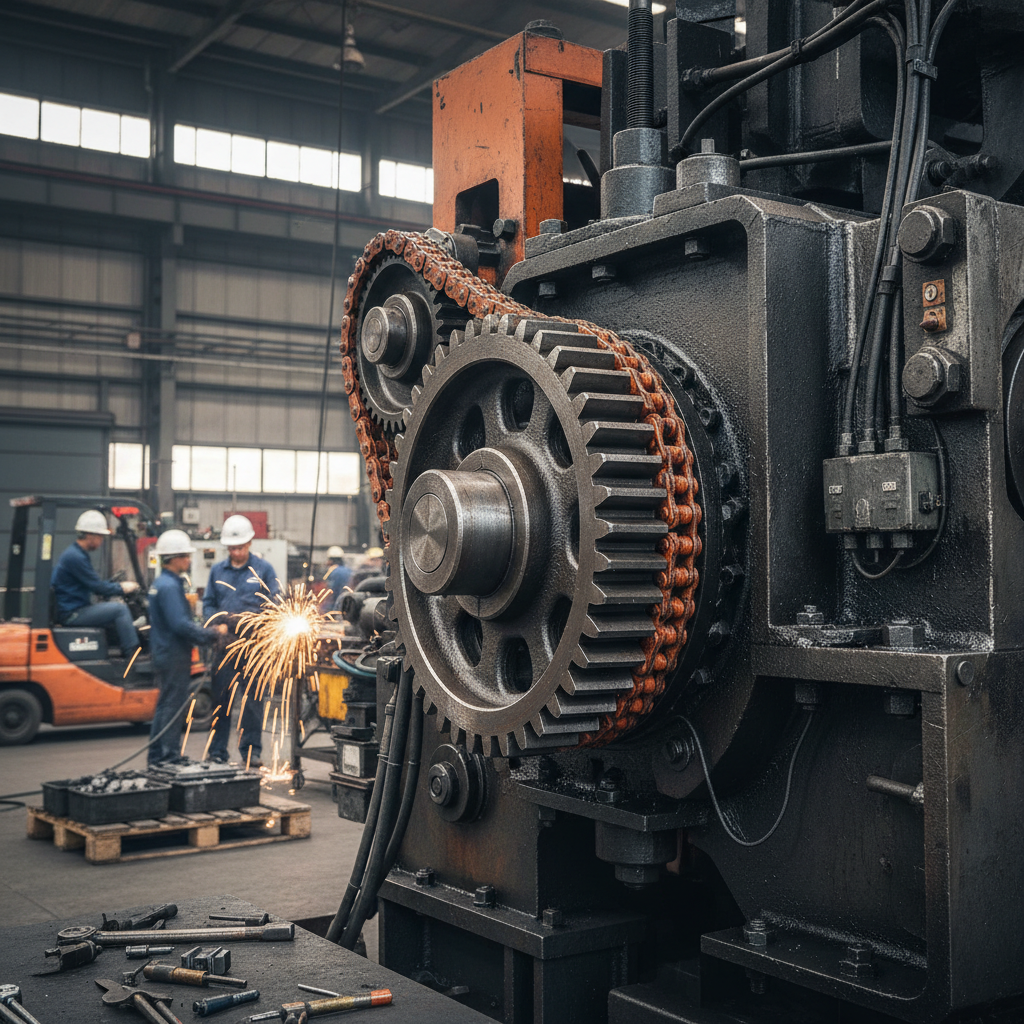
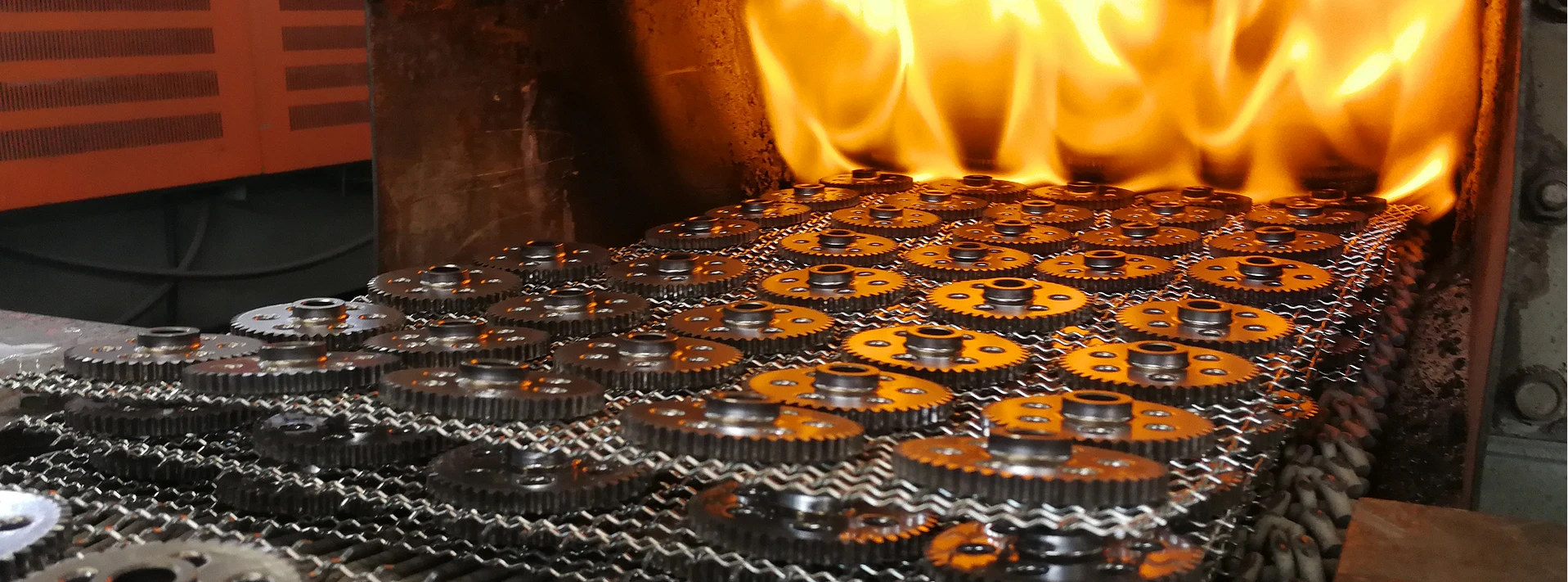
Gears don’t get a day off. Environmental factors, like dust or moisture, can degrade rack teeth, so materials like hardened steel or specialized alloys are favored. Heat treatment, surface coating, and even lubrication strategy all influence how long a rack gear lasts. I once visited a plant where they swapped to a proprietary coating—they saw maintenance intervals jump from months to years.
Precision and Smooth Operation
If you’re moving heavy machinery or steering a vehicle, jumps or misalignment can be downright dangerous. The spacing and profile of the teeth must be perfectly engineered—any imperfection causes vibration and reduces control. Manufacturers often rely on CNC machining and gear grinding techniques to reach micron-level accuracy.
Scalability: From Miniature Devices to Gigantic Cranes
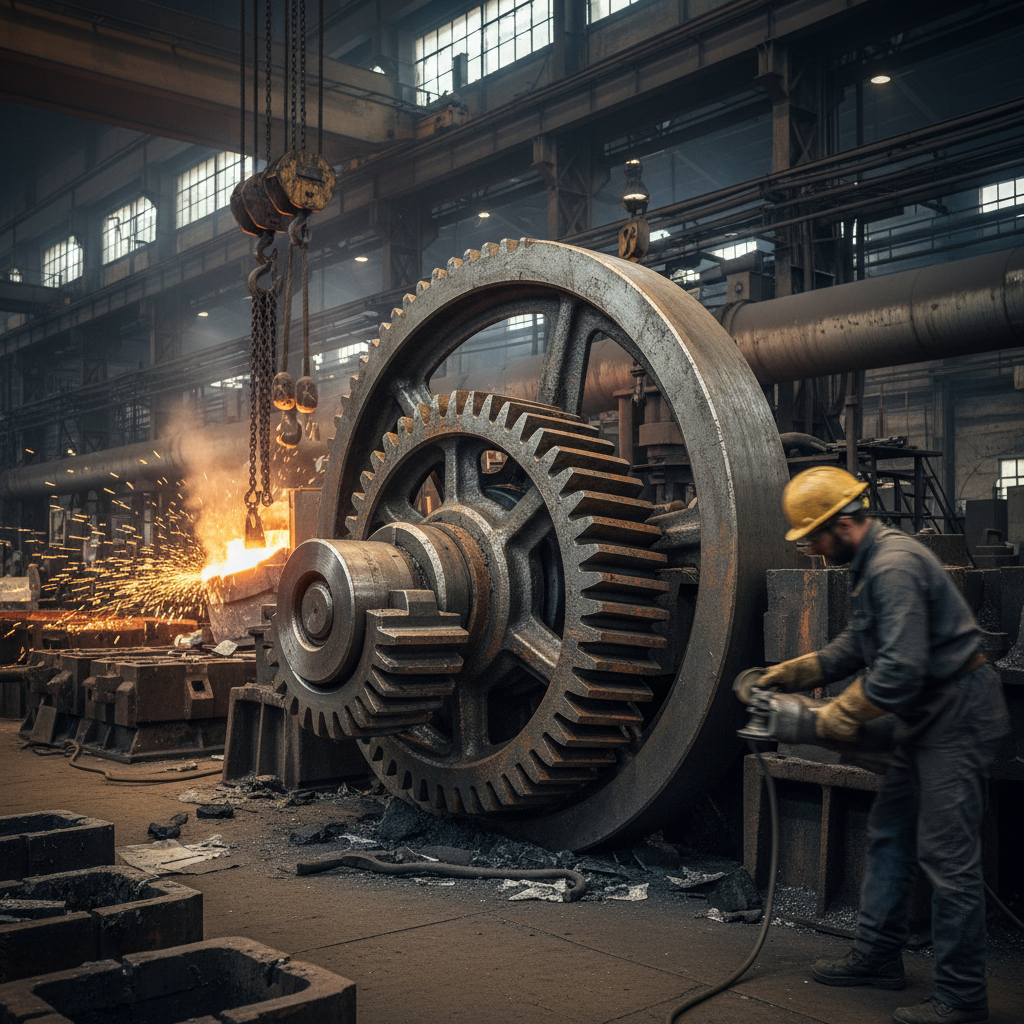
Rack gears come in all sizes. Small, compact systems serve in robotics, where space and weight are critical. At the other end, massive racks power lifting platforms or telescoping arms. The design must consider load capacity without adding unnecessary bulk or sacrificing responsiveness.
Cost Efficiency and Maintenance
While high-grade materials ensure longevity, there's always a balance. Too expensive, and it prices out smaller companies or humanitarian projects. Too cheap, and frequent replacements become a hidden cost. Smart design focuses on modular racks that can be swapped easily when worn, minimizing downtime.
Customization and Compatibility
Standard pitches and modules exist, but many industries demand bespoke solutions for unique challenges. Whether adapting to corrosive environments or fitting unconventional machine profiles, custom rack gears provide flexibility—though not without a time and cost premium.
Mini takeaway: Designing or selecting the right rack gear means weighing multiple factors—toughness, precision, size, price, and fit, all tailored to the end-use.
Typical Product Specifications of a Rack Gear
| Specification | Typical Range | Notes |
|---|---|---|
| Material | Steel alloys, stainless steel, aluminum | Depends on load & environment |
| Pitch (tooth spacing) | 2mm to 50mm+ | Defines smoothness of motion |
| Length | 100mm up to several meters | Customizable |
| Coating | Phosphate, nickel plating, heat treatment | Improves wear resistance |
| Operating Temperature | -40°C to 200°C | Varies with materials used |
Global Applications of Rack Gear Systems
In manufacturing hubs like Germany and China, rack gear plays a critical role in factory automation, powering cutting-edge robotics lines that churn out millions of cars and electronics components annually. Meanwhile, in aerospace facilities in the US, precision racks enable the exact movements necessary to assemble complex aircraft parts.
Oddly enough, I was intrigued to learn how NGOs use rack gear in disaster zones. In post-tsunami Indonesia, for example, deployable medical units feature rack-and-pinion-based sliding doors and adjustable platforms that speed setup and improve durability in rugged conditions.
Even in the renewable energy sector, rack gears drive solar panel trackers and wind turbine pitch systems, optimizing energy capture. The scalability lets these systems adjust gently with the sun’s path or wind changes, demonstrating a clever intersection of mechanical tradition and green innovation.
Mini takeaway: Rack gear’s real-world impact spans industries—from the automotive factories in Europe to humanitarian efforts in Southeast Asia, and into the realm of renewable energy.
Vendor Comparison: Leading Rack Gear Manufacturers
| Vendor | Material Options | Customization | Lead Time | Price Range |
|---|---|---|---|---|
| GearTech Solutions | Steel, Aluminum, Stainless Steel | High (custom machining available) | 2-4 weeks | $$$ |
| Precision Racks Inc. | Alloys, Hardened Steel | Medium | 1-3 weeks | $$ |
| Global Gearworks | Steel only | Low | 1-2 weeks | $ |
Benefits and Emotional Value of Rack Gear
Roughly speaking, the tangible perks of reliable rack gear boil down to safety, trust, and long-term costs. Maintenance teams appreciate when gear components resist wear, reducing downtime and costly repairs. Operators rely on smooth, predictable motion—no jerks, no surprises. And for companies targeting sustainability, longer-lasting racks mean fewer replacements, less waste, and a smaller carbon footprint.
It’s also about dignity and safety at the worker level. In humanitarian deployments or remote industrial sites, equipment failure can jeopardize missions or even lives. So when I see a well-made rack gear design keeping things moving smoothly, it feels like a small but critical victory for reliability and care.
Emerging Trends in Rack Gear Technology
Looking ahead, the world of rack gears isn’t static. Lightweight composites and advanced ceramics are making inroads, particularly where corrosion resistance is vital. Digital transformation introduces sensors embedded into racks for real-time wear monitoring—predictive maintenance, if you like.
The green energy wave is pushing manufacturers to develop eco-friendly coatings and even racks designed to be fully recyclable. Modular designs enhanced with smart automation not only improve efficiency but adapt dynamically, responding to load changes in real time.
Challenges in Rack Gear Applications—and How They’re Tackled
Challenges remain. Material fatigue, noise, size constraints, and cost still top the list for many engineers. Precise alignment is critical but often difficult in field conditions. And while automation helps, initial investments can be high.
Innovative solutions that caught my eye recently include self-lubricating polymers and nano-coatings reducing friction, as well as advanced simulation software predicting gear wear before it happens, allowing proactive part replacement.
FAQ About Rack Gear
- What makes rack gear preferable in linear motion systems?
It offers direct conversion of rotational to linear movement with high precision and reliability, making it ideal for applications requiring exact positioning like CNC machines and automotive steering. - How long can a rack gear typically last?
Depending on material, load, and maintenance, rack gears can last anywhere from years to decades, especially when properly lubricated and aligned. - Is customizing rack gear expensive?
Custom racks do cost more and take longer to produce than standard models, but they can offer significant performance and durability benefits tailored to the specific use case. - Can rack gear systems be environmentally friendly?
Yes, advancements in material science and coatings improve recyclability and reduce lubricant reliance, aligning rack gear manufacture with sustainability goals. - Where can I find quality rack gear products for industrial use?
Reputable vendors specialize in these parts—depending on your budget, customization, and delivery needs, companies like GearTech Solutions, Precision Racks Inc., or Global Gearworks could be worth exploring.
Conclusion: Why Rack Gear Still Matters
At the end of the day, rack gear feels like a quietly powerful enabler of the modern mechanical world—a piece of engineering so fundamental that it’s easy to overlook. Whether speeding recovery in disaster zones or powering robotic arms in smart factories, its reliability and adaptability bridge gaps from the microscopic to the massive.
For anyone designing, maintaining, or sourcing rack gear, understanding the balance of durability, precision, and cost efficiency remains key. So, if you want to deepen your grasp on this essential component, I highly recommend visiting our website: https://www.jssintering.com to explore innovative rack gear solutions that meet tomorrow’s challenges.
References:
1. Rack and pinion - Wikipedia
2. International Organization for Standardization (ISO)
3. World Bank Data