




Understanding Multi Gear: Why It Matters Globally
You might have heard the term multi gear tossed around in industrial or mechanical circles, but what is it exactly? At its core, multi gear refers to systems or equipment featuring multiple gearing arrangements that allow varied torque and speed outputs — a crucial aspect in everything from automotive transmissions to complex machinery. On a global scale, multi gear technology touches numerous industries, from manufacturing lines in Asia to relief operations in remote Africa. Its ability to provide adaptability and efficiency in mechanical performance offers substantial benefits, especially as industries seek smarter, more sustainable solutions worldwide.
In a fast-evolving industrial landscape, grasping the ins and outs of multi gear technology helps companies and end users optimize resources, cut costs, and improve durability — plus, with recent pushes for greener tech, every little gain in efficiency counts. Stick around, and we’ll unpack how multi gear does all that... and why it might just be a game changer for your next project.
The Global Stage: Why Multi Gear Systems Are Essential Today
Industries worldwide are facing the double challenge of increasing operational complexity and sustainability demands. According to the International Organization for Standardization (ISO), the number of companies adopting multi-functional machinery — often featuring multi gear technologies — has increased by nearly 25% in the last five years. This trend reflects the urgent need for adaptable equipment that can handle diverse tasks efficiently.
But it’s not just about industry. Multi gear systems also play a vital role in humanitarian logistics. For instance, having vehicles or machinery capable of switching gear modes quickly can dramatically impact disaster relief efforts or infrastructure projects in developing regions.
So the problem multi gear solves is fairly clear: provide flexibility and power control without compromising reliability. Otherwise, you end up stuck with rigid machines that either underperform or wear out prematurely.
Multi Gear Explained: Breaking It Down
Put simply, multi gear refers to the use of multiple gear sets working in tandem to enable machines or tools to operate efficiently across a range of speeds and loads. Imagine your car’s transmission shifting gears to climb a hill or cruise on the highway smoothly — that’s multi gear in everyday life. But beyond that, think bigger: heavy-duty conveyors adjusting torque based on material load, or industrial robotics performing delicate assembly and heavy lifting alike.
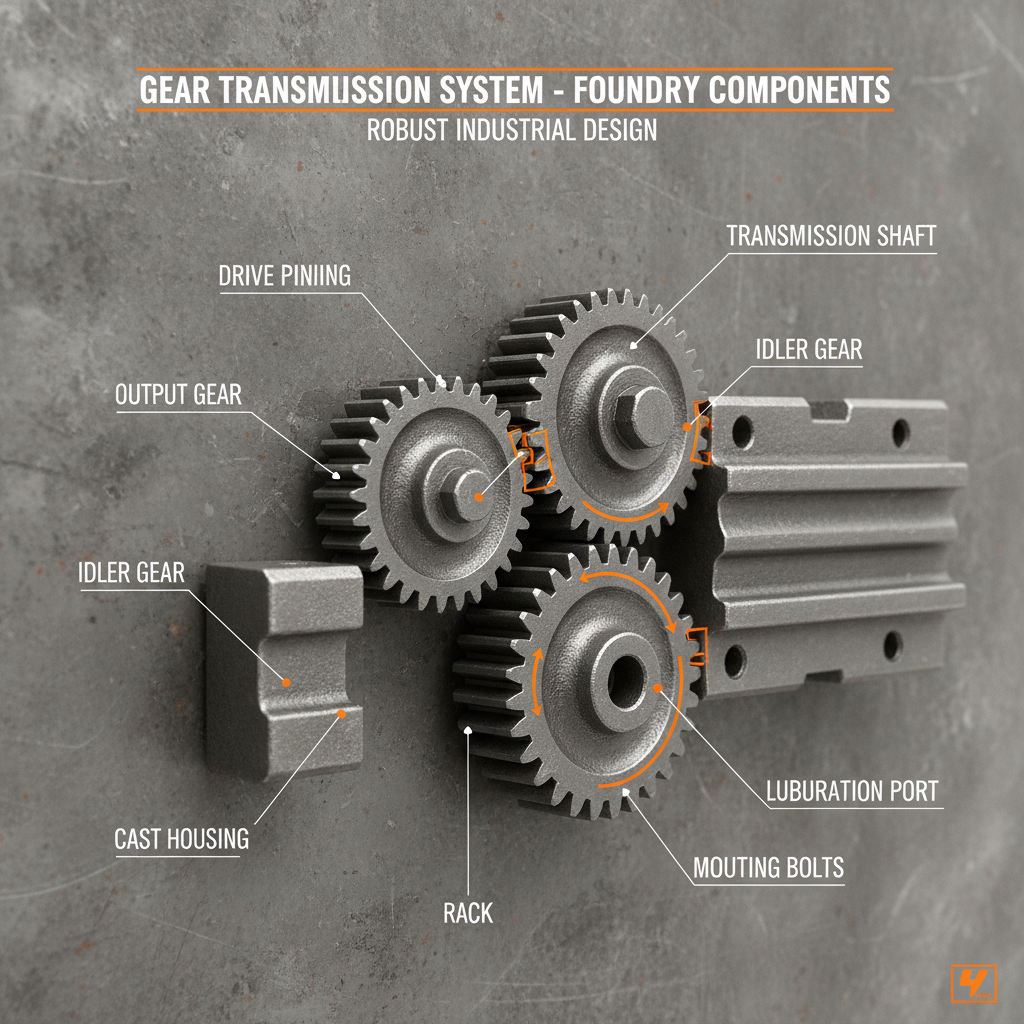
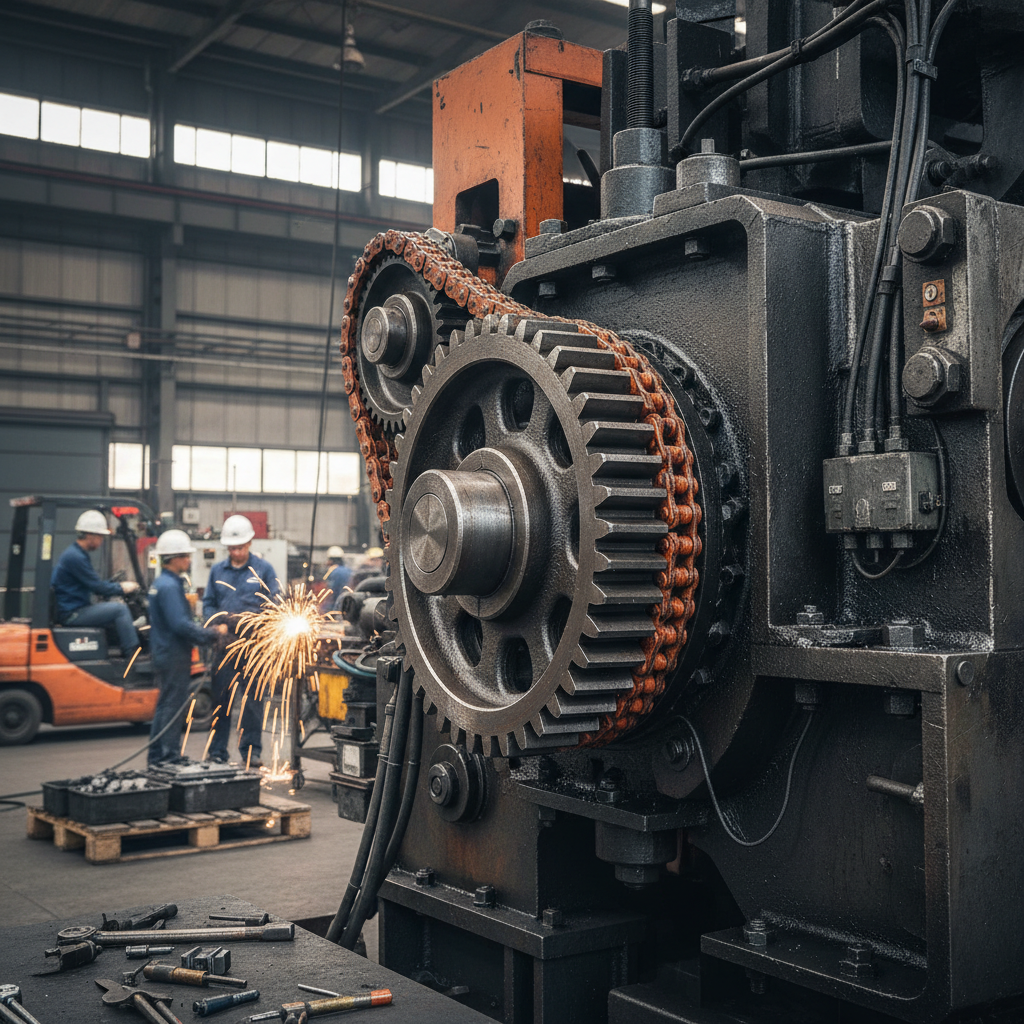
These systems rely on a mix of gear types — like spur, bevel, or planetary gears — coordinated within compact housings to provide tailored mechanical output. It’s this complexity that makes multi gear systems so suitable for today’s diverse operational demands.
Key Factors That Define Effective Multi Gear Systems
1. Durability
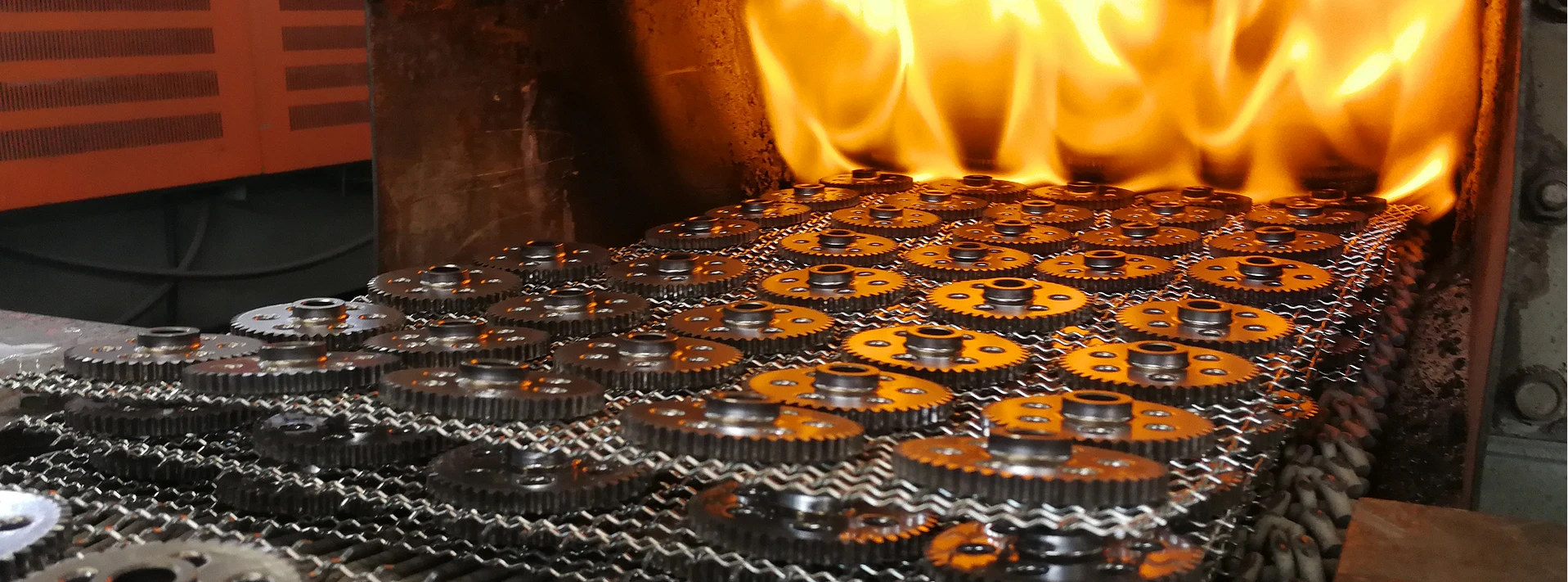
In rough industrial environments, the best multi gear sets use hardened alloys and precise machining to resist wear. Engineers often choose materials like carburized steel for gears, balancing strength with the ability to absorb shocks and vibrations without damage.
2. Scalability
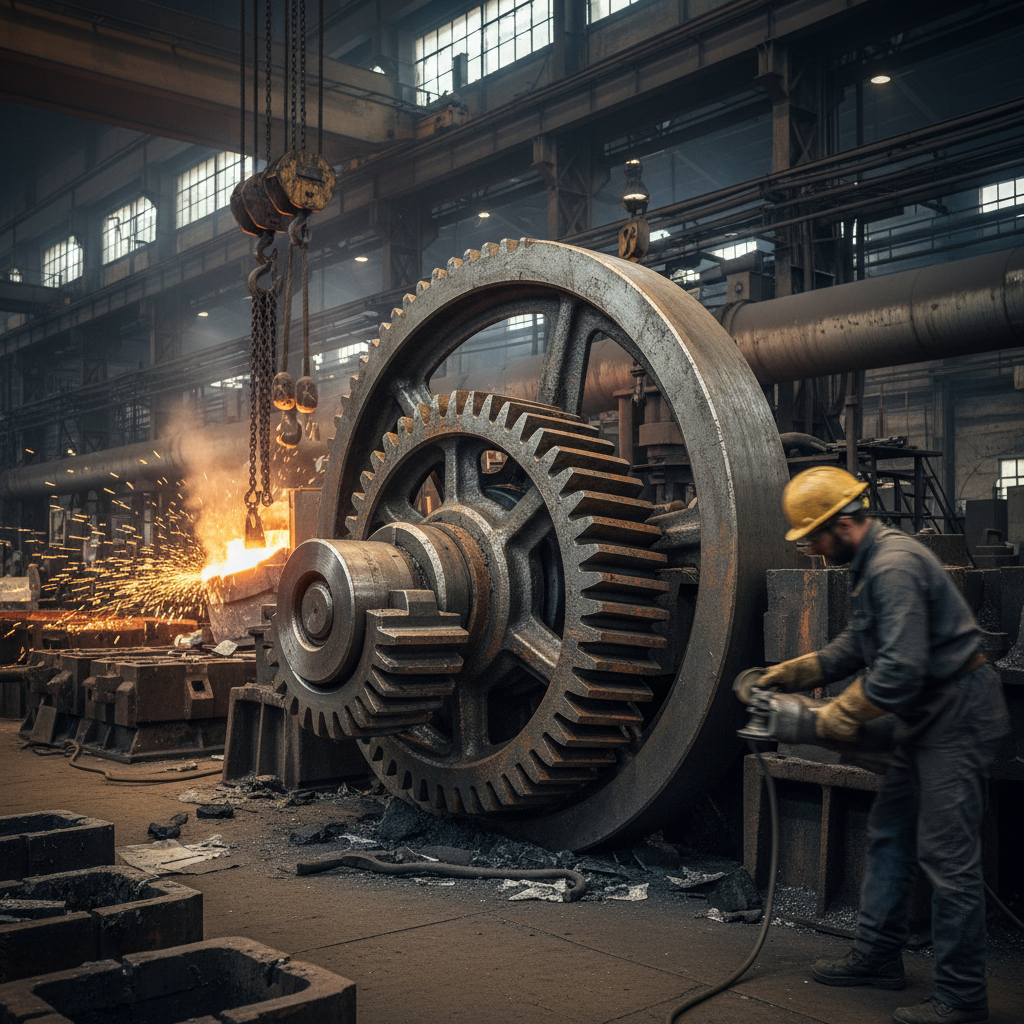
One neat aspect of multi gear technology is how you can scale it from tiny precision devices to massive mining equipment. Modular design lets manufacturers customize how many gear stages are used, tailoring output to specific needs without redesigning everything.
3. Cost Efficiency
Though complex, modern manufacturing techniques such as CNC machining and 3D metal printing can cut down costs of producing multi gear components. Plus, the energy savings gained through optimized gear ratios easily offset initial expenses in many cases.
4. Maintenance & Serviceability
Because multi gear systems have more moving parts, regular maintenance is key. However, smart design now integrates easy-access ports and modular gearboxes, dramatically reducing downtime.
5. Precision & Performance
Multi gear systems allow fine control over machine output — useful in automation and robotics, where even millimeter-scale gear alignment errors can cascade into costly mistakes.
Real-World Applications of Multi Gear Systems
The versatility of multi gear designs means you'll find them almost everywhere. In automotive industries across Europe and North America, multi gear transmissions improve fuel economy and driving dynamics. In Southeast Asia, heavy machinery with custom multi gear setups enables efficient logging and mining.
Perhaps more inspiring are uses in humanitarian contexts: in post-disaster zones, multi gear-equipped trucks can quickly adapt to rugged terrain without risking mechanical failure. Non-governmental organizations even prioritize equipment with reliable multi gear tech for remote installations, like water purification plants or fast-deployment shelters.
Another interesting use comes from automated warehouses, where multi gear actuators optimize robot arms handling fragile goods — combining speed with delicate control.
Multi Gear Product Specification Table
| Specification | Typical Value | Notes |
|---|---|---|
| Number of Gear Stages | 3 to 6 | Depends on torque/speed needs |
| Material | Carburized steel alloy | Wear-resistant, shock-absorbing |
| Torque Range | 100 Nm – 2000 Nm | Varies with design |
| Weight | 10–50 kg | Modular units differ |
| Maintenance Interval | 6–12 months | With regular lubrication |
Comparing Multi Gear Vendors: What Sets Them Apart?
| Vendor | Gear Quality | Customization | Pricing | Support & Warranty |
|---|---|---|---|---|
| GearMax Co. | Premium alloys, ISO certified | Full customization available | Mid to high | 5-year warranty, 24/7 support |
| TorqueGear Ltd. | Standard steel alloys | Limited variants | Budget-friendly | 2-year warranty, business hours |
| MultiDrive Inc. | Advanced composite gears | Highly customizable | Premium pricing | Comprehensive, includes training |
The Advantages & Lasting Value of Multi Gear Systems
In real-world terms, what does this mean? For manufacturers and users, multi gear systems translate into longer equipment lifespans and better energy efficiency. Less wear and more control means fewer breakdowns and smoother operations — which frankly saves money and headaches. It’s a win for sustainability too; optimized gearing reduces fuel or electricity use. On an emotional level, the reliability and precision create trust — whether that’s a mining crew depending on their drills or a relief convoy navigating harsh roads.
Future Trends Shaping the Multi Gear Landscape
Innovation never sleeps. We're seeing multi gear technologies merging with digital controls — think smart sensors that adapt gear functions on the fly. Add in new materials like graphene composites and automated lubrication, and you’ve got machinery that’s lighter, faster, and greener. Industry watchers also expect regulations for emissions and energy use to boost demand for these advanced gearing solutions further. Plus, the rise of electric vehicles and renewable energy systems means multi gear applications keep branching out, literally powering the future.
Common Challenges & Their Solutions
Of course, multi gear systems are not without their quirks. Complexity means more points of failure, which can intimidate small operators. But many engineers recommend modular designs that let users swap damaged parts easily. Also, the upfront costs can feel steep — yet many have found that lifecycle savings quickly repay investments. Plus, ongoing advances in manufacturing like 3D printing and AI-driven quality checks help reduce errors and boost reliability, so the word from the field is optimism.
FAQ: Frequently Asked Questions About Multi Gear
- Q1: What is the primary benefit of multi gear transmissions over single gear systems?
- A1: Multi gear transmissions offer variable speed and torque outputs, enabling machines to handle a wide range of loads and speeds efficiently. This flexibility results in better performance and fuel savings compared to single gear setups.
- Q2: How durable are multi gear systems in harsh industrial environments?
- A2: When made from quality materials like carburized steel alloys and appropriately maintained, multi gear systems are highly durable and can operate reliably for years, even under heavy loads and abrasive conditions.
- Q3: Are multi gear systems suitable for automation and robotics?
- A3: Absolutely. Their precision and ability to finely control torque and speed make them ideal for automated machinery where both strength and delicacy are required.
- Q4: Can smaller businesses afford multi gear technology?
- A4: While initial investment can be higher, scalable and modular options exist that make multi gear systems accessible for smaller operations, especially when factoring in long-term savings and efficiency gains.
- Q5: How does multi gear technology contribute to sustainability?
- A5: By enhancing energy efficiency and reducing mechanical waste, multi gear systems help lower emissions and extend the lifespan of equipment, contributing positively to environmental goals.
Conclusion: Unlocking Multi Gear’s Full Potential
The long-term benefits of utilizing multi gear systems are clear: robust adaptability, cost savings, and sustainability. Whether you're in automotive production, humanitarian aid logistics, or innovative manufacturing, the strategic use of multi gear technology ensures your equipment meets modern demands without compromise.
Curious to explore more or upgrade your operations? Visit our website: https://www.jssintering.com for expert solutions tailored to your needs.
- International Organization for Standardization (ISO) on machinery trends. iso.org
- Global Manufacturing Data & Industry Reports, World Bank. worldbank.org
- Wikipedia entry on gear systems, multi-speed transmissions. wikipedia.org