






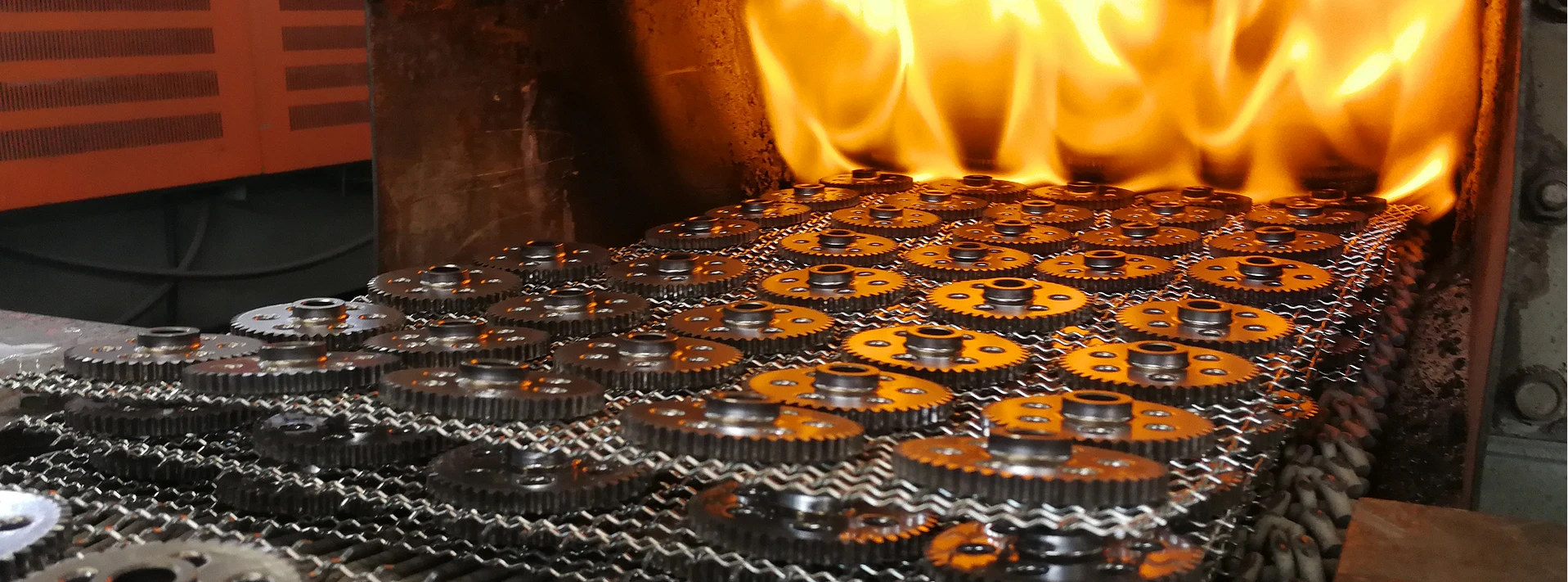
Why Reduction Gear Matters More Than Ever
At its core, a reduction gear is a simple yet transformative mechanical component — it reduces input speed while increasing torque, allowing machines to work efficiently and reliably. Globally, this small but mighty device is a backbone behind countless industries, from manufacturing to transportation, renewable energy, and even disaster relief. Understanding reduction gears isn't just for gearheads or engineers; it’s about grasping a key to modern industrial sustainability and innovation.
Think about it: billions of dollars in machinery investments, complex supply chains, and even clean energy projects depend on properly designed and applied reduction gears. They minimize energy waste, extend equipment life, and ultimately lower emissions and costs.
reduction gearThe Global Context: Why Reduction Gears Are Crucial Today
Across the globe, industrial output continues to expand — the World Bank estimates manufacturing contributes roughly 16% of GDP worldwide. Yet, with growth comes demand for reliable power transmission solutions that don’t guzzle energy or falter under pressure.
The United Nations supports sustainable industrialization (see Sustainable Development Goal 9), emphasizing innovation and infrastructure — both depend on efficient mechanical components like reduction gears.
However, challenges abound: rapid urbanization and climate change stress resources and infrastructure. Reduction gears help address these by optimizing mechanical efficiency, lowering energy consumption, and facilitating the use of renewable technologies, such as wind turbines and hydroelectric plants.
What Is a Reduction Gear, Really?
In the simplest terms, a reduction gear is a device that slows down the rotation speed coming into a system but amplifies the torque—in other words, turning fast input motion into slower but stronger output motion. This means heavy machinery can operate smoothly without burning out motors.
Reduction gears range from small, precise planetary gears inside robotic arms to massive industrial gearboxes driving cranes or ship propellers. Their role? To tailor power delivery exactly where and how it’s needed.
Interestingly, reduction gears also sneak into humanitarian engineering — for instance, powering mobile water pumps or filtration systems in disaster zones where reliable, low-maintenance power management is crucial.
Core Components and Factors Behind Effective Reduction Gear Design
1. Durability and Materials
The choice of materials like hardened steel, composites, or alloys dictates a gear’s lifespan. Many engineers I’ve talked to emphasize that material fatigue tests and wear resistance are paramount, especially in harsh environments like mining or marine applications.
2. Torque Capacity and Scalability
Reduction gears must handle variable loads without loss of precision. Scalable designs allow customization from light-duty industrial robots to heavy lifting cranes — flexibility is vital.
3. Efficiency and Energy Conservation
Friction losses can silently drain a system’s power. Optimal tooth profiles and lubrication minimize these losses — ironically, a small adjustment can yield big savings.
4. Cost Efficiency and Maintenance
Simpler designs often cost less up front and require less maintenance, but may sacrifice efficiency or durability. Finding that sweet spot is a challenge, especially when budgets are tight and downtime is costly.
5. Noise and Vibration Control
In sensitive environments like hospitals or precision manufacturing, quieter and smoother gear operation is a big deal. Advanced finish techniques and dampening materials make a difference.
6. Customization and Integration
Each industry demands unique specs. Modular designs and integration-friendly gearboxes enable easier installation and upgrades — a real game-changer long term.
Mini takeaway: Reduction gears blend materials science and mechanical precision to balance durability, performance, and cost — the unsung heroes powering everything from factories to emergency units.Real-World Applications of Reduction Gear
- Wind Energy: Reduction gears in turbine gearboxes convert slow rotor speeds into the high speeds required by generators, making clean energy feasible.
- Heavy Industry: Conveyor belts, cranes, and presses rely on reduction gears for high-torque, low-speed power transfer, ensuring safe and efficient operations.
- Maritime Sector: Large ship propellers require massive reduction gearboxes to convert engine power for optimal thrust.
- Disaster Relief: Portable pumping stations and mobile generators equipped with rugged reduction gears help deliver water and power rapidly to devastated areas.
- Automotive: Transmissions use reduction gears to optimize engine power, improving fuel economy and drivability.
A case in point: In Southeast Asia, after major floods, NGOs equipped with portable pumping units featuring specialized reduction gears restored irrigation channels far faster than with conventional equipment — all thanks to the reliability and efficiency these gears provided under tough conditions.
Advantages and Long-Term Value of Using Reduction Gear Systems
The tangible benefits are straightforward — lower maintenance, reduced energy use, and extended machinery life. But there’s more beneath the surface. From a human perspective, reliable machinery fosters safety and dignity, especially in critical applications like emergency response or food production.
Logical benefits include:
- Cost Savings: Less frequent replacements and energy bills that don’t balloon unexpectedly.
- Environmental Responsibility: Lower emissions thanks to mechanical efficiency.
- Innovation Enablement: Precise torque control unlocks new machinery designs.
- Trust & Safety: Stable, proven gear solutions provide peace of mind to operators worldwide.
Looking Ahead: Future Trends in Reduction Gear Technology
Innovation never rests. Emerging materials like graphene composites hint at ultra-lightweight yet stronger gears. Additive manufacturing (3D printing) enables bespoke gear shapes that were previously impossible.
Automation and the rise of Industry 4.0 bring sensors embedded into gearboxes for predictive maintenance — think of “smart gears” telling you when a tiny fault starts, preventing costly breakdowns.
Also, with the green energy push, reduction gears are adapted for tidal, solar concentrator, and hybrid power setups, emphasizing sustainability above all.
Common Challenges and How Best to Overcome Them
Current hurdles include balancing low cost with high performance, managing heat dissipation in compact designs, and ensuring environmental resistance in extreme climates.
One solution gaining traction is the modular gearbox approach — it allows easy component swaps, tailored maintenance, and upgrades without full replacement. Plus, digital twins — virtual replicas of gearboxes — help engineers simulate and optimize performance before manufacturing.
FAQ: What You Need to Know About Reduction Gear
- How do I know which reduction gear ratio fits my machine?
- Choosing the right ratio depends on your required output speed and torque. Generally, you map your motor’s RPM against needed shaft speed. A gear specialist can help you balance performance with efficiency.
- Can reduction gears handle harsh environments like mining?
- Yes, with proper materials and seals, reduction gears can be customized for dusty, wet, or corrosive conditions to ensure longevity and minimal downtime.
- What maintenance is typically needed for industrial reduction gears?
- Routine lubrication checks, alignment inspections, and vibration analysis are standard. Modern gearboxes with embedded sensors are simplifying these tasks considerably.
- Are reduction gears compatible with renewable energy equipment?
- Absolutely. Wind turbines and hydroelectric generators often rely heavily on high-precision reduction gears designed for long life and high efficiency.
- How do I find a reliable vendor for reduction gear units?
- Look for certified suppliers with proven track records, customization capability, and good after-sales support. Vendor comparison (see below) can help you evaluate options.
Reduction Gear Product Specification Table
| Specification | Details |
|---|---|
| Gear Type | Spur / Helical / Planetary |
| Gear Ratio Range | 3:1 to 100:1 |
| Torque Capacity | Up to 15,000 Nm |
| Material | Hardened Steel and Alloy Composites |
| Lubrication | Synthetic Oil / Grease (dependent on model) |
| Weight | From 20 kg (small units) to 400 kg (industrial) |
| Noise Level | 60 - 80 dB |
Vendor Comparison: Choosing the Right Reduction Gear Supplier
| Vendor | Product Range | Customization Options | After-Sales Support | Certification |
|---|---|---|---|---|
| GearPro Inc. | Spur, Helical, Planetary | High (custom sizes, materials) | 24/7 Technical Support | ISO 9001, API Certified |
| Torque Masters | Helical, Worm Gears | Medium (standard modules) | Business Hours Only | ISO 14001 |
| EcoGear Systems | Planetary, Custom Solutions | Very High (focus on green materials) | Remote Diagnostics | RoHS, UL Listed |
Wrapping It Up: Why Reduction Gear Still Spins Our World Forward
If you take away one thing from this, it’s that reduction gears are quietly fundamental to nearly every field relying on mechanical power. Their ability to reduce speed while boosting torque isn't just a neat trick — it's a performance and sustainability cornerstone. As industries push toward greener, smarter, and more adaptive machines, the humble reduction gear continues evolving, innovating, and solving real-world problems.
Curious about gearing up your operations with the latest reduction gear solutions? Check out our website for detailed product info, expert guides, and hands-on support.
References:
1. United Nations Sustainable Development Goals
2. Wikipedia: Gear
3. World Bank: Manufacturing Industry Overview









