




Tooth Gear: The Unsung Backbone of Modern Industry
If you’ve ever wondered what keeps machines running smoothly — from the humble clock to massive industrial equipment — the answer often comes down to one thing: the tooth gear. It might sound a bit technical and niche, but tooth gears are critical components globally. They help convert motion, multiply forces, and synchronize mechanisms, effectively powering our modern world quietly behind the scenes.
Understanding tooth gears gives engineers, manufacturers, and even humanitarian organizations a vital edge. Whether it’s ensuring reliable machinery in harsh environments or designing cost-effective logistics solutions, an appreciation for these mechanical marvels unlocks innovation and efficiency on a global scale.
The Global Relevance of Tooth Gear in Industry and Beyond
Interestingly, tooth gears have a global footprint that extends far beyond factory floors. According to the International Organization for Standardization (ISO), gears account for an estimated 25% of mechanical power transmission worldwide — that’s a massive chunk when you consider the energy running everything from automotive transmissions to renewable energy turbines¹.
Yet, industries face persistent challenges: wear and tear, precision manufacturing, and maintenance costs top the list. In some developing regions, lack of access to quality geared parts impedes mechanization, hampering everything from agricultural productivity to disaster recovery equipment performance. If you think about it, having robust and reliable gear components isn’t just engineering—it’s foundational to economic development and social resilience.
Mini Takeaway:
Tooth gears aren’t just machine parts — they’re global enablers of technology, development, and innovation.
What Exactly Is a Tooth Gear?
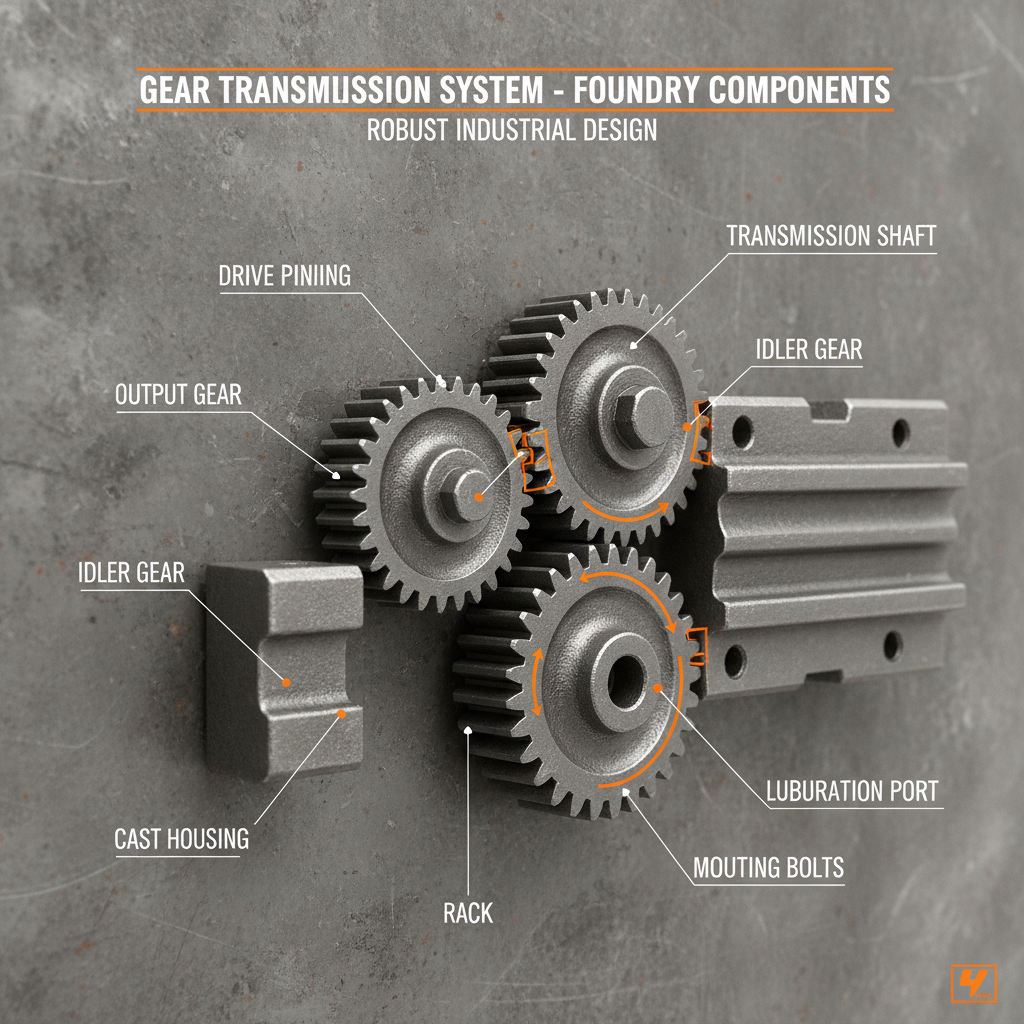
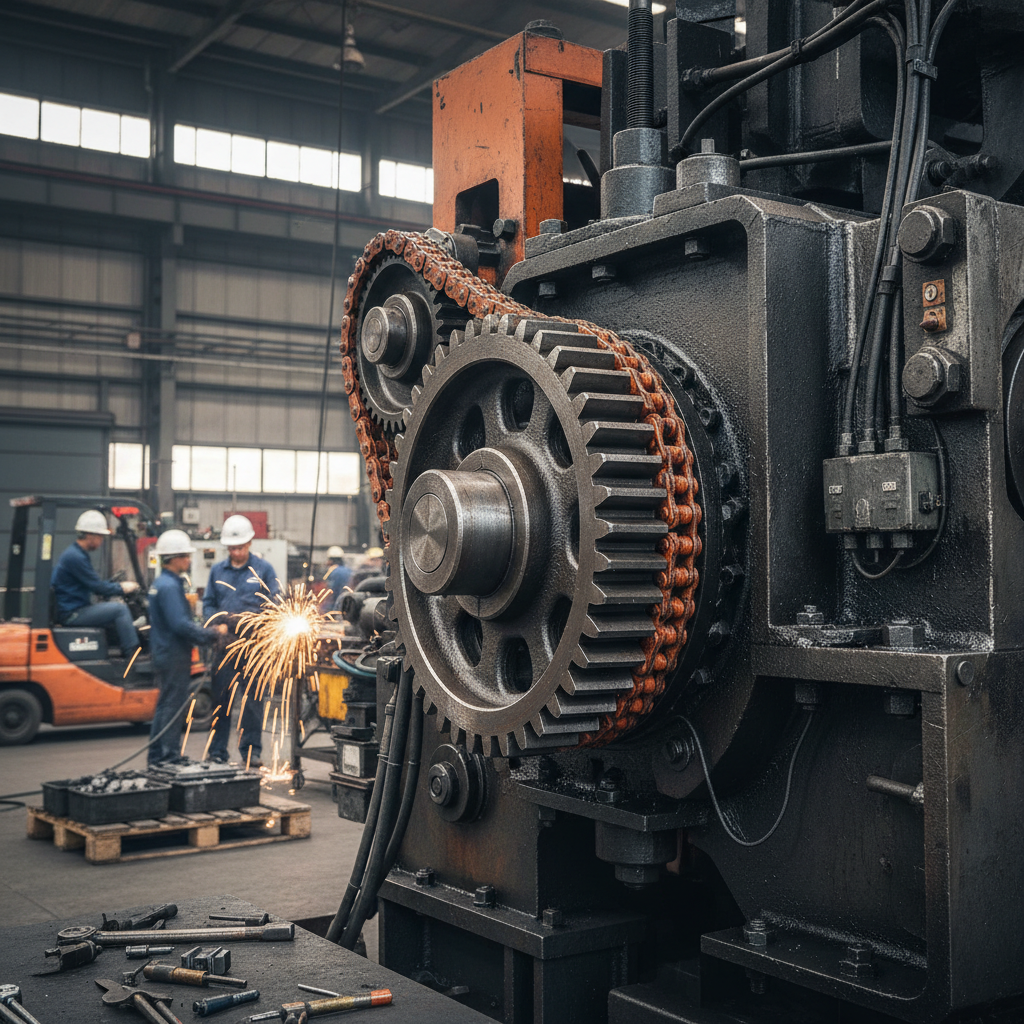
At its core, a tooth gear is a circular mechanical component characterized by evenly spaced “teeth” around its circumference. These teeth mesh with those of another gear to transmit torque and rotational motion precisely. It sounds simple, but the design, shape, and material choice influence the entire system’s efficiency, durability, and noise.
Tooth gears can be found everywhere: car transmissions, wind turbines, conveyor systems, and even in humanitarian tools like portable water pumps and mobile clinics. Their ability to convert power reliably and precisely is vital in modern industry and humanitarian missions alike.
Mini Takeaway:
Think of tooth gears as the fine-tuned connectors that choreograph the dance of mechanical power.
Key Factors of Tooth Gears in Practical Use
1. Durability
Most engineers will tell you durability is paramount. Tooth gears often operate under extreme stress, so materials like hardened steel, ceramics, or increasingly, composites, are selected to manage wear and resist fatigue.
2. Precision & Performance
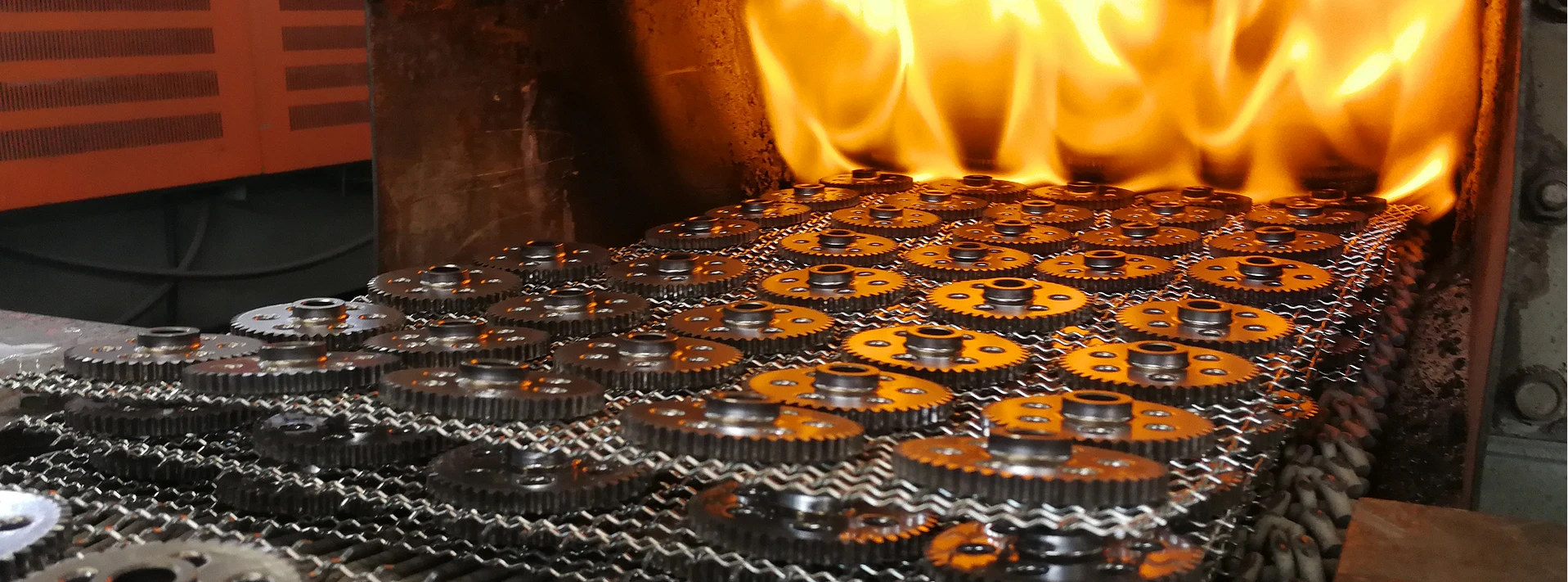
The shape and size of the teeth affect how smoothly gears engage. Modern CNC milling and 3D printing enhance gear profile accuracy — leading to quieter operation and less energy loss.
3. Cost Efficiency
Balancing material quality and manufacturing complexity determines affordability. For instance, hot forged gears cost less than fully machined counterparts but may sacrifice some precision.
4. Scalability
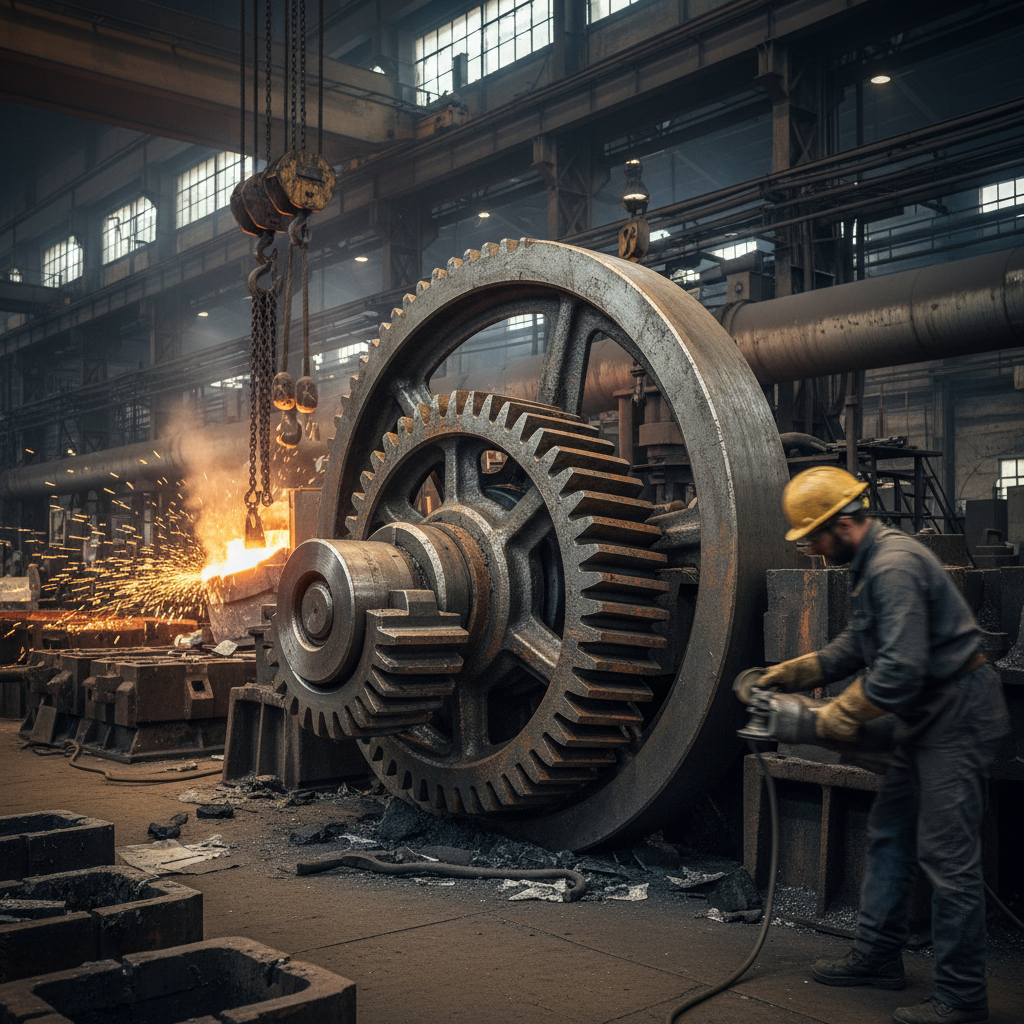
Tooth gears can be scaled up or down for different applications — from tiny watch gears measuring a few millimeters to massive industrial wheels several feet wide.
5. Customization
Many manufacturers offer custom tooth profiles tailored for unique torque and speed requirements, especially for harsh environments or specialized machinery.
Mini Takeaway:
- Durability and precision keep the machine running smoothly;
- Cost and scalability allow widespread industrial application;
- Customization adapts gears to specific, real-world challenges.
Product Specification Table: Tooth Gear Sample
| Specification | Detail |
|---|---|
| Type | Spur Gear |
| Material | Hardened Steel (AISI 4140) |
| Outer Diameter | 150 mm |
| Number of Teeth | 45 |
| Helix Angle | 0° (Straight Teeth) |
| Max Torque | 280 Nm |
| Weight | 2.8 kg |
Where Tooth Gears Make a Real Impact: Global Applications & Use Cases
Over the last decades, tooth gears have penetrated almost every industry. Automotive engineering, for instance, relies heavily on precision tooth gears for transmission systems that improve fuel efficiency and emissions. In renewable energy, wind turbines use large tooth gears as part of their gearbox — converting slow rotor speeds into electricity-generating faster rotations.
Beyond industry, humanitarian efforts also tap these technologies. In post-disaster relief, portable water pumps and power generators use rugged tooth gears to operate reliably under tough conditions. Remote mining sites in Africa depend on locally sourced tooth gear components to maintain machinery where supply chains are fragile.
Mini Takeaway:
From high-tech wind farms in Germany to rugged humanitarian tools in Kenya, tooth gears help machines—and lives—turn smoothly.
Vendor Comparison Table: Popular Tooth Gear Suppliers
| Vendor | Product Range | Customization Options | Lead Time | Price Range |
|---|---|---|---|---|
| GearTech Solutions | Spur, Helical, Bevel | High (CNC, materials) | 3–5 weeks | $$$ |
| Global Gearworks | Spur only | Medium (standard profiles) | 2 weeks | $$ |
| Precision Gears Inc. | All types including custom designs | Very High (3D printing, alloys) | 4–6 weeks | $$$$ |
The Advantages and Long-Term Value of Quality Tooth Gears
Choosing quality tooth gears pays dividends — often silently. You get:
- Cost savings: Longer lifespan and less downtime reduce overall maintenance and replacement expenses.
- Sustainability: Durable gears mean fewer parts discarded, which is kinder to the environment.
- Social impact: Reliable machinery empowers underserved communities with better tools.
- Reliability & Safety: Precision-made gears reduce mechanical failure risk — a critical factor in transport and medical equipment.
Basically, investing in the right gear component breeds trust — among engineers, operators, and end-users alike.
Future Trends: What’s Next for Tooth Gears?
Environmental policy and innovation go hand in hand. We’re seeing a shift toward green manufacturing processes and use of recycled materials in gear production. Digital twins and IoT sensors embedded in gearboxes allow real-time monitoring, predicting failure before it happens — a neat example of old mechanics meeting new tech.
Automation and additive manufacturing (like metal 3D printing) enable highly customized tooth gears made quickly and affordably — ideal for specialty machines and urgent repair parts.
Challenges and Clever Solutions in Tooth Gear Deployment
Of course, not everything is perfect. A common hurdle is wear due to poor lubrication or harsh conditions — especially in off-grid or cold environments. I’ve seen engineers turn to advanced coatings and synthetic greases that resist temperature swings and repel contaminants.
Another challenge is cost for small-scale manufacturers in developing regions. Collaborative partnerships, standardized designs, and modular components help lower barriers, allowing these communities to maintain and even produce replacement parts locally.
Frequently Asked Questions About Tooth Gear
Q1: What are the main differences between spur and helical tooth gears?
A: Spur gears have straight teeth and are simpler, cheaper, but noisier at high speeds. Helical gears have angled teeth that engage gradually, resulting in quieter and smoother transmission but at a higher cost.
Q2: How long can tooth gears last in heavy industrial use?
A: Lifespan depends on material, load, and maintenance, but properly designed and lubricated gears can last 10–20 years or more under steady use.
Q3: Are tooth gears recyclable or eco-friendly?
A: Many gears are recyclable if made of steel or aluminum. Innovations in biodegradable lubricants and eco-friendly coatings are improving their sustainability footprint.
Q4: Can NGOs source tooth gears internationally for machinery in remote areas?
A: Yes, many suppliers offer global shipping and customization. NGOs often work with specialized vendors to match gear specs to local needs and ensure timely delivery.
Q5: How does gear customization improve equipment performance?
A: Custom tooth profiles can optimize load distribution, reduce noise, or fit unique space constraints — improving efficiency and machine longevity.
Wrapping Up: The Quiet Power of Tooth Gear
In the grand scheme, tooth gears may not be flashy, but they’re fundamental. Behind every smooth rotation lies meticulous design and material science, enabling industries, communities, and technologies worldwide. The long-term benefits? Cost savings, sustainability, and — perhaps most importantly — reliability you can trust. Curious to learn more or explore specialized gear solutions? Visit our website: https://www.jssintering.com and start turning ideas into reality.