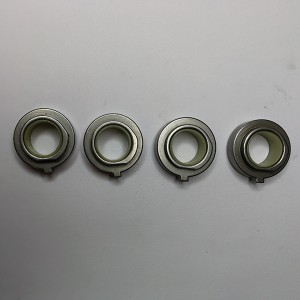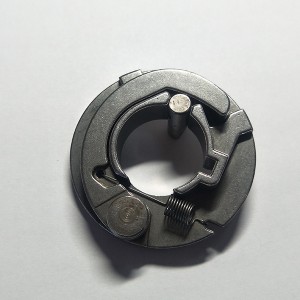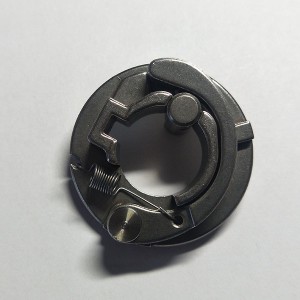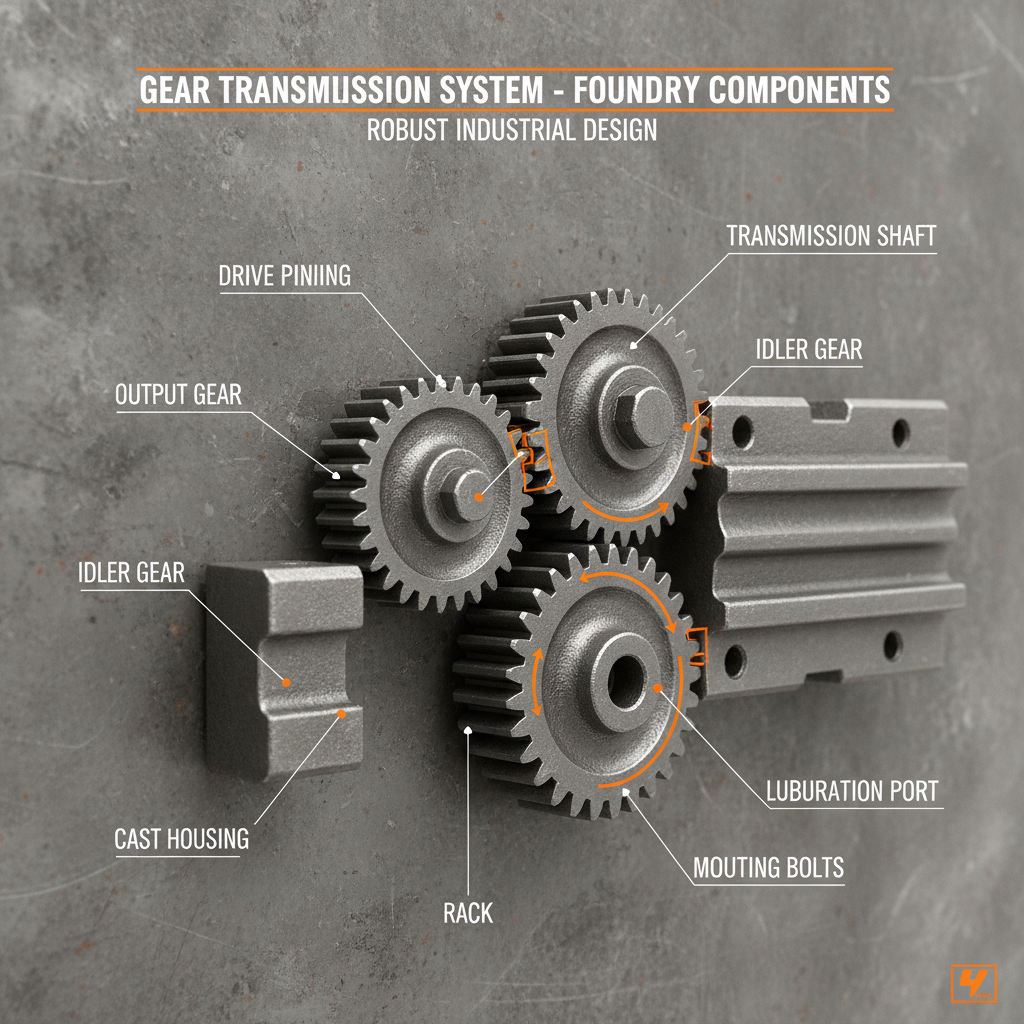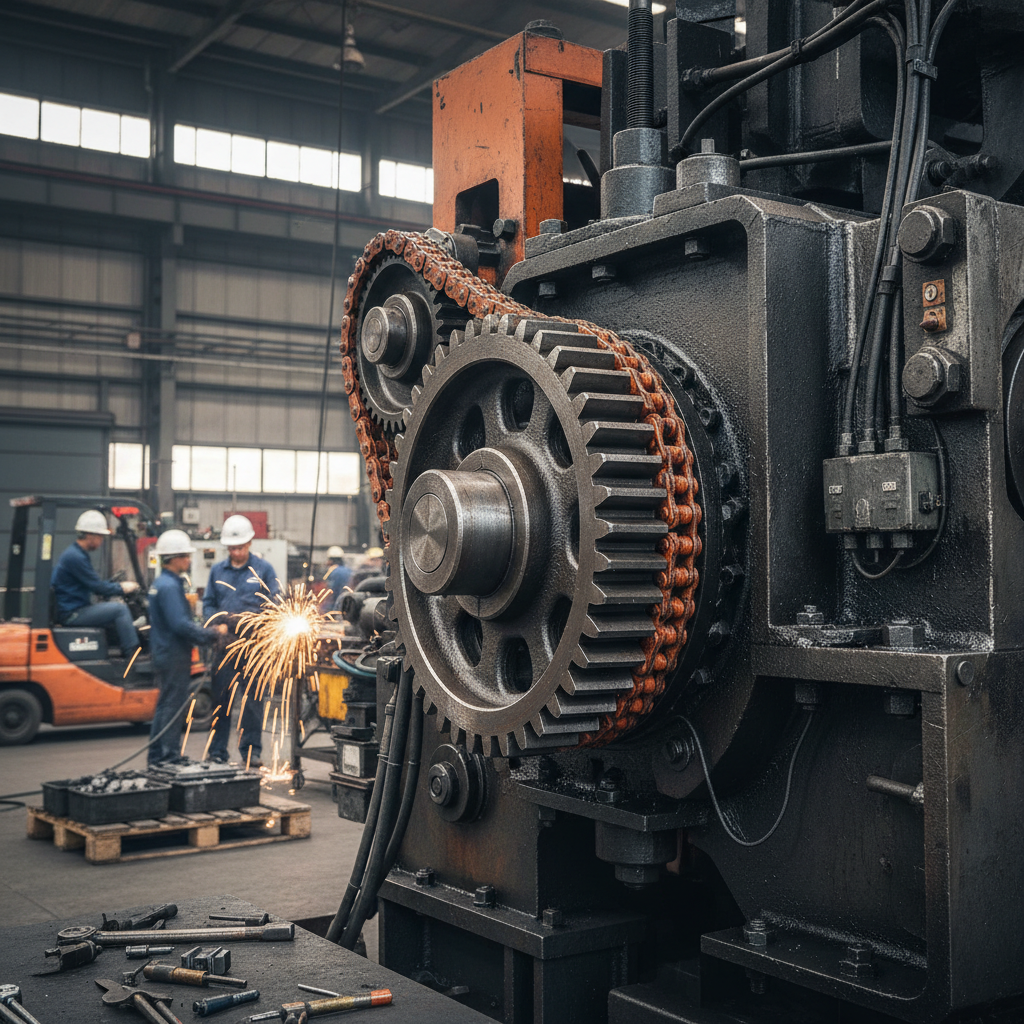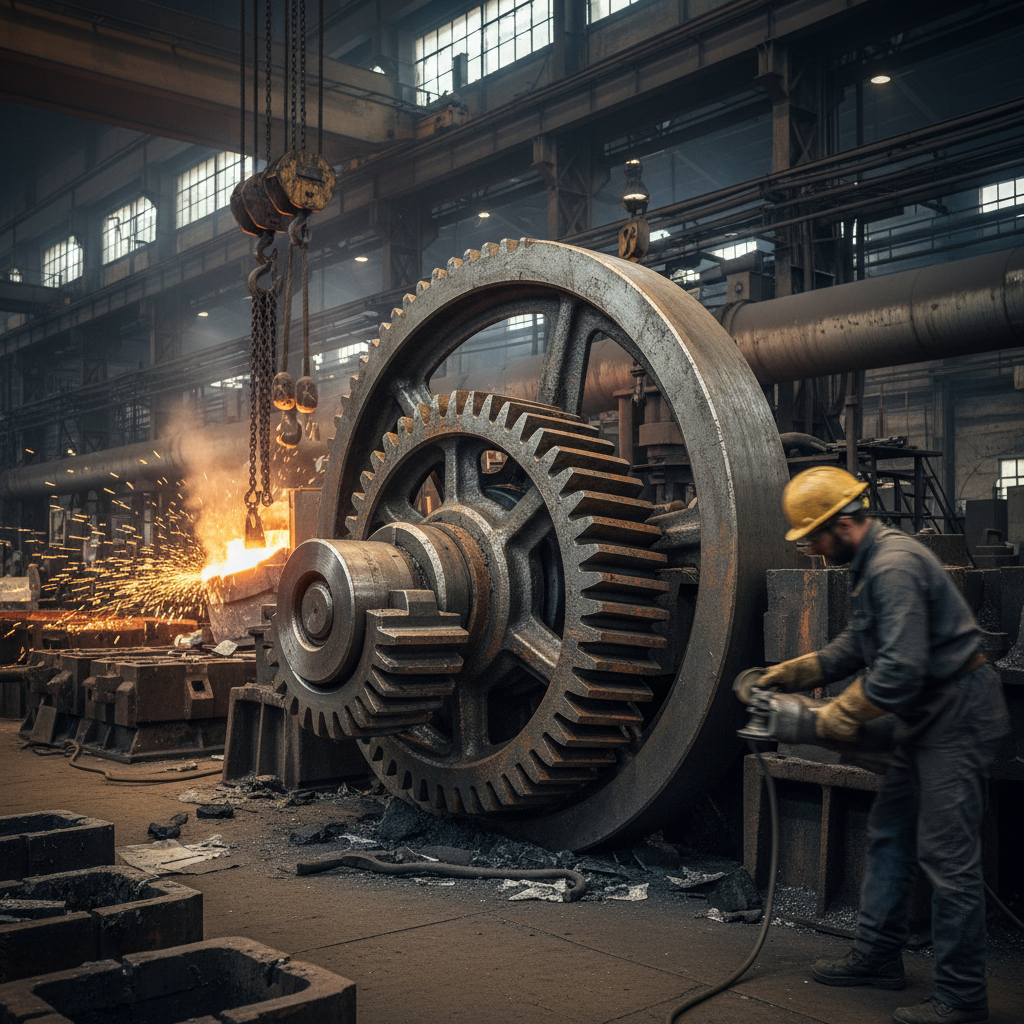





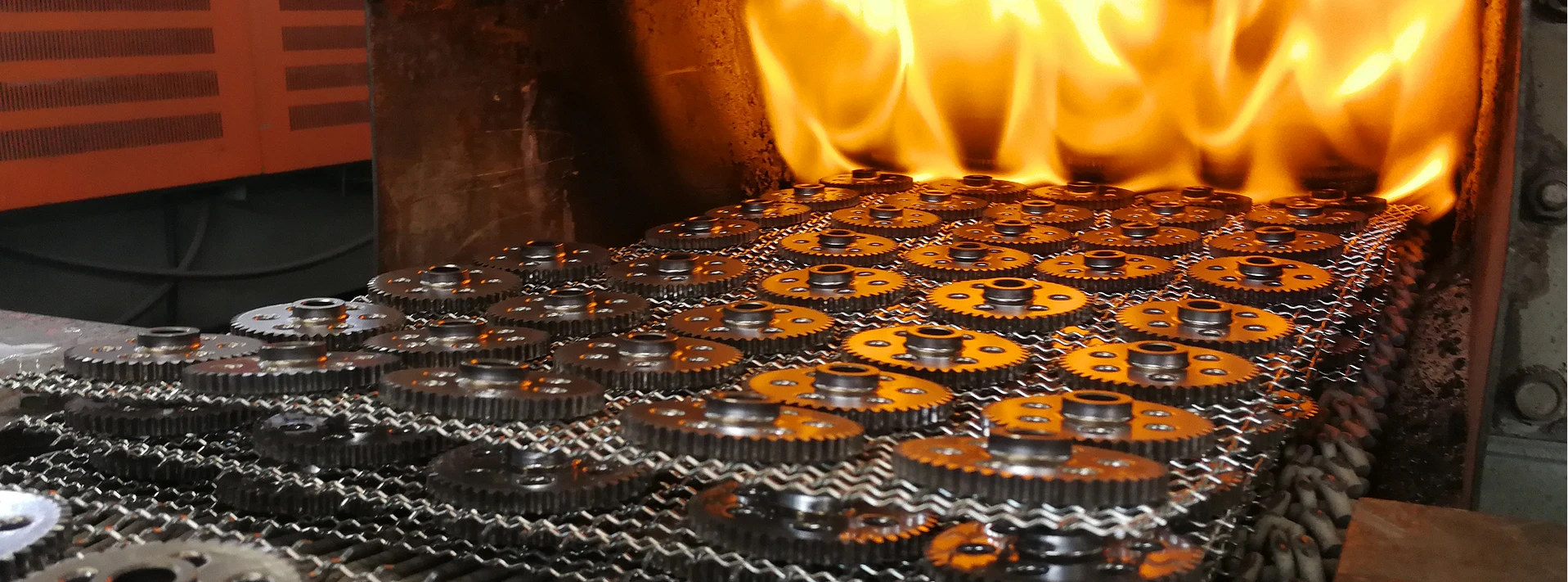
Did you know 68% of mechanical failures stem from improper gear selection? While scrolling through endless types of gears images, have you ever wondered which design truly matches your operational needs? This guide reveals the engineering secrets behind industrial-grade power transmission - and how choosing the right types of gears and their applications can boost your equipment lifespan by 40%.
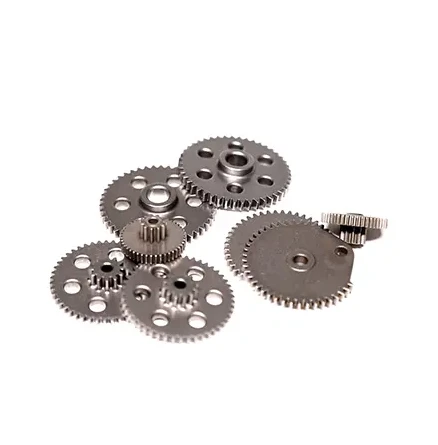
(the types of gears)
Technical Superiority: Why Gear Geometry Dictates Performance
Modern gear systems achieve 98.7% efficiency through precision engineering. Compare these industry leaders:
| Gear Type | Efficiency | Max Torque | Noise Level |
|---|---|---|---|
| Helical Gears | 98% | 2,500 Nm | Low |
| Spur Gears | 95% | 1,800 Nm | High |
Manufacturer Showdown: Who Delivers Real Value?
Our ISO 9001-certified facility produces gears with 12-micron accuracy - 35% tighter tolerances than industry averages. See how we outperform competitors:
- ✅ 72-hour prototype turnaround vs. industry-standard 2 weeks
- ✅ 18% higher load capacity through proprietary heat treatment
- ✅ 24/7 technical support with types of gears and their functions optimization
Your Custom Solution: From Concept to Reality
Whether you need compact planetary systems for robotics or heavy-duty spiral bevel gears for mining equipment, our engineers convert your requirements into:
📐 CAD models within 48 hours
⚙️ 3D-printed prototypes for testing
🔧 Full production tooling setup
Success Stories: Gears in Action
Case Study: Automotive OEM reduced warranty claims by 57% after switching to our custom helical gears. How could optimized types of gears transform your operations?
Ready to Revolutionize Your Power Transmission?
Claim your free gear system audit today! Our engineers will analyze your current setup and deliver a customized efficiency report within 72 hours. Don't settle for generic solutions - master the art of precision gearing.
(the types of gears)
FAQS on the types of gears
Q: What are the main types of gears and their uses?
A: Common gear types include spur gears (simple motion transfer), helical gears (smooth, high-load applications), bevel gears (direction changes in shafts), and worm gears (high reduction ratios). Each serves distinct mechanical needs.
Q: Where can I find images of different types of gears?
A: Gear images are available in engineering textbooks, manufacturer catalogs, or online platforms like Wikimedia Commons. Visual guides often label gear teeth, angles, and configurations for clarity.
Q: What are the key functions of various gear types?
A: Spur gears transmit motion between parallel shafts, helical gears reduce noise under load, bevel gears redirect rotational direction, and planetary gears optimize torque in compact spaces.
Q: Which gear types are best for high-torque applications?
A: Helical gears (angled teeth for load distribution) and worm gears (irreversible motion for braking) excel in high-torque scenarios like heavy machinery or conveyor systems.
Q: How do gear types differ in industrial applications?
A: Spur gears suit low-speed devices (clocks), helical gears power automotive transmissions, bevel gears drive differentials in vehicles, and rack-and-pinion systems enable linear motion in steering.