




Understanding Gear Cutting: A Comprehensive Guide
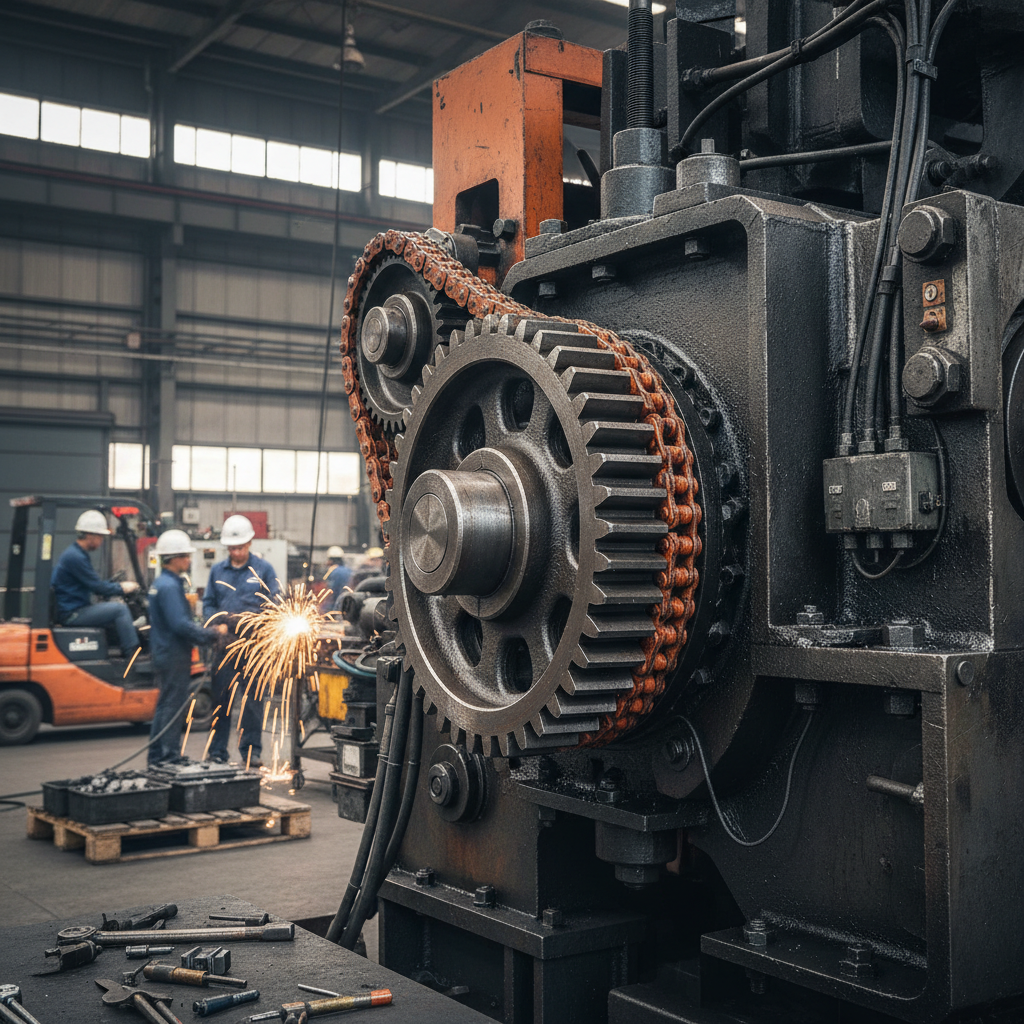
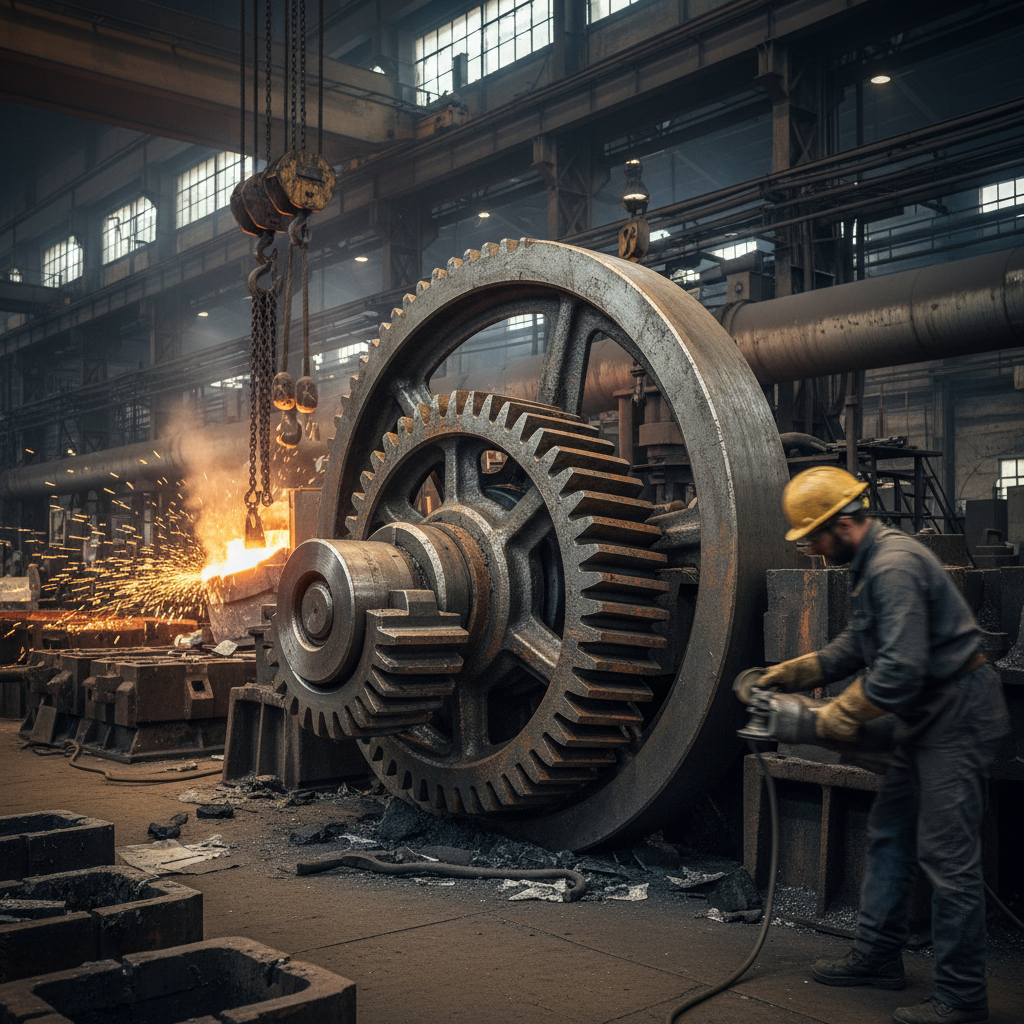
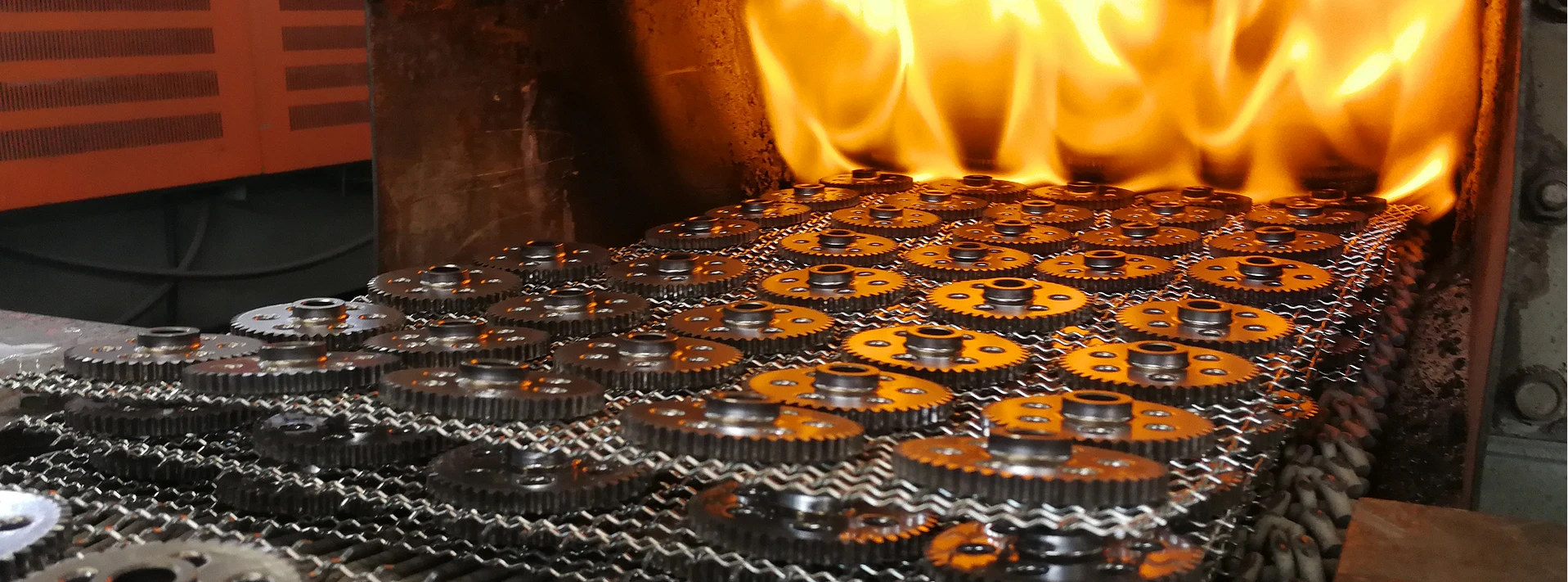
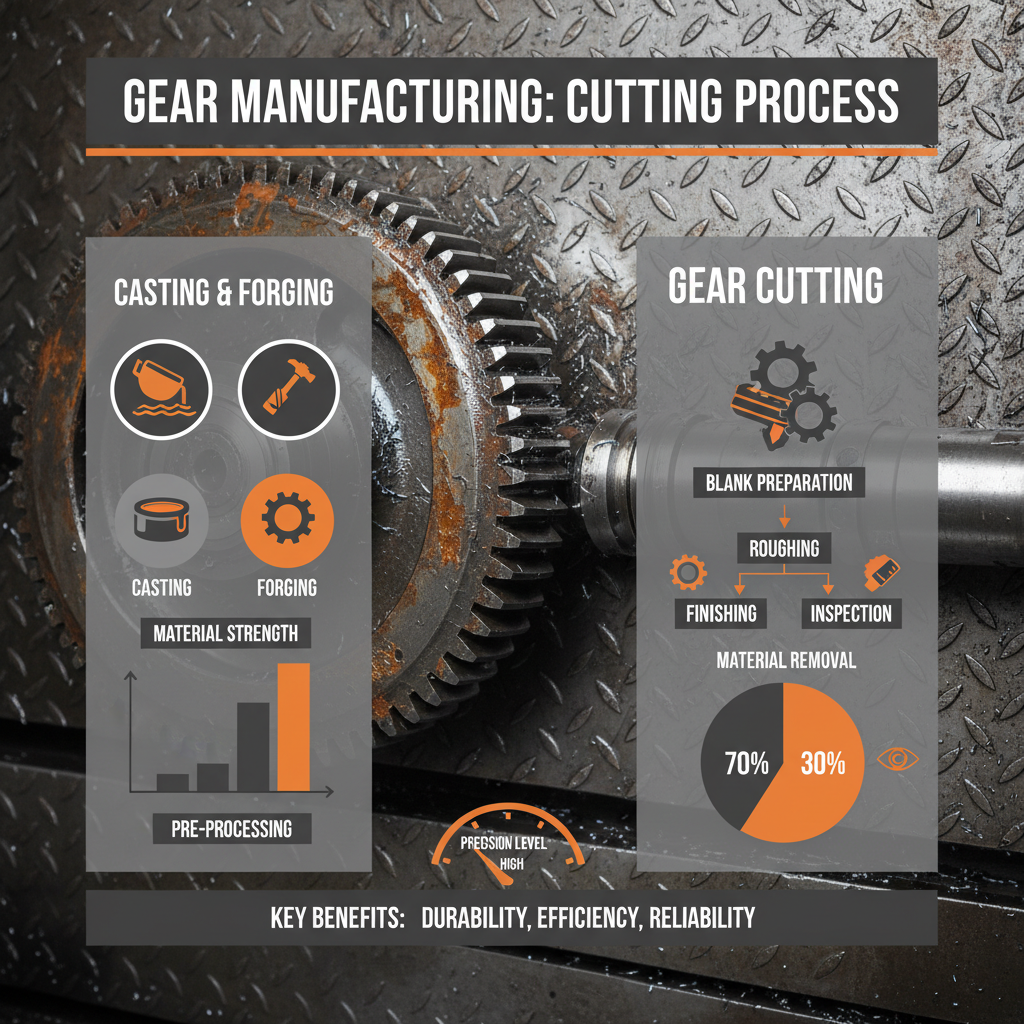
Gear cutting is a fundamental machining process used to create gears, essential components in countless mechanical systems. From simple hand tools to complex machinery, accurately cut gears are vital for efficient power transmission. This article will delve into the various methods, applications, and considerations involved in gear cutting, offering insights for engineers, machinists, and anyone interested in the world of manufacturing. Choosing the right gear cutting method is crucial for achieving the desired precision, efficiency, and durability.
The Importance of Precise Gear Cutting
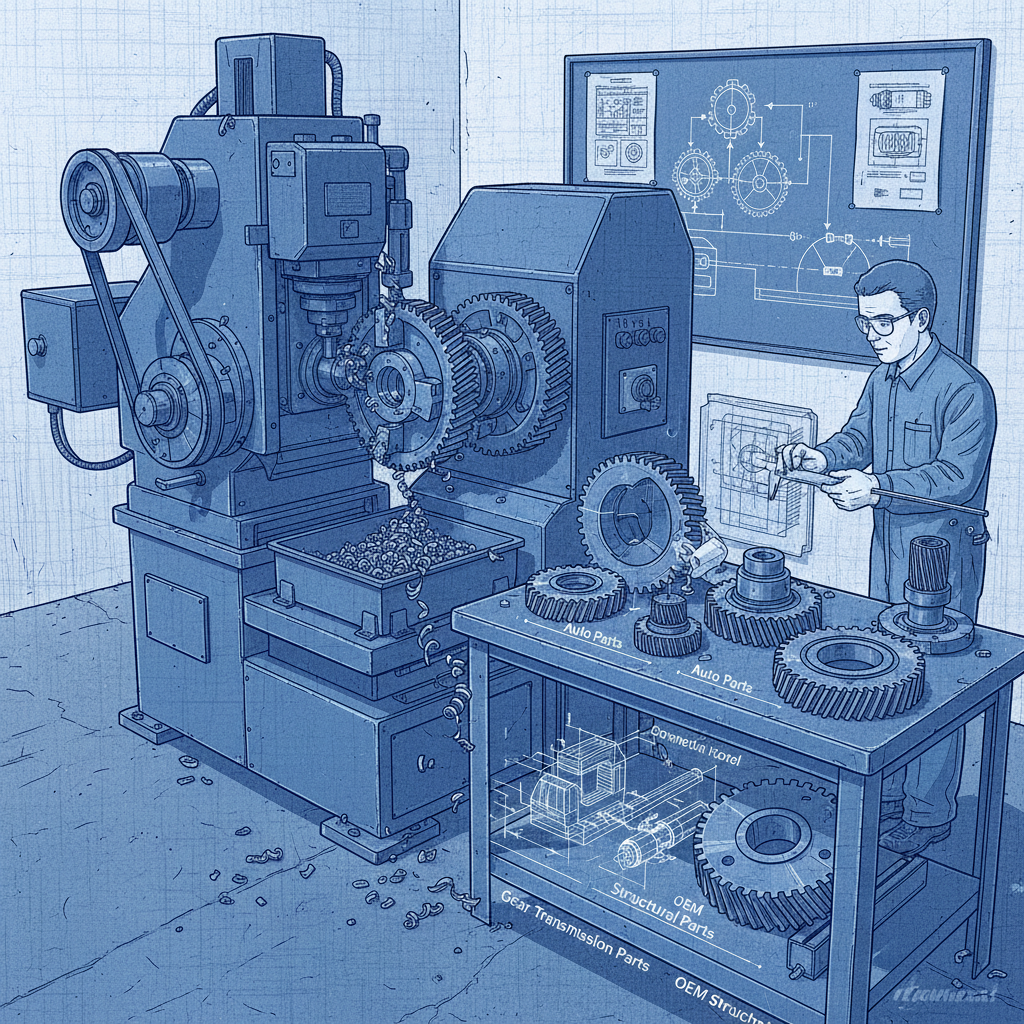
Accurate gear cutting directly impacts the performance and longevity of mechanical systems. Imprecise gears lead to increased friction, noise, vibration, and ultimately, premature wear and failure. High-precision gear cutting ensures smooth, efficient power transfer, minimizing energy loss and maximizing system reliability. Different industries, such as automotive, aerospace, and robotics, demand varying levels of precision, influencing the choice of gear cutting method and tooling. Investing in quality gear cutting processes and equipment is a key factor in producing durable and reliable products. JSSintering offers advanced gear cutting solutions to meet diverse industrial needs.
Key Benefits of Accurate Gear Cutting: Reduced friction, minimized noise, increased efficiency, extended gear lifespan, and improved system reliability.
Common Gear Cutting Methods
Several methods are employed in gear cutting, each suited to different gear types, materials, and production volumes. Some of the most common include hobbing, shaping, milling, and broaching. Hobbing is widely used for generating involute gear teeth, offering high accuracy and efficiency. Shaping is suitable for smaller production runs and internal gears. Milling provides flexibility in creating various gear forms, while broaching is ideal for high-volume production of internal gears. The selection of the most appropriate method depends on factors such as gear size, material, desired accuracy, and cost considerations.
Gear Cutting Method Comparison:
• Hobbing: High accuracy, efficient, ideal for involute gears.
• Shaping: Suitable for small runs, internal gears.
• Milling: Flexible, various gear forms.
• Broaching: High-volume internal gears.
Hobbing vs. Shaping: A Detailed Comparison
Hobbing and shaping are two frequently used gear cutting methods. Hobbing utilizes a rotating cutter (the hob) that progressively removes material to form the gear teeth. Shaping uses a rotating cutter that reciprocates linearly to create the gear teeth. Hobbing is generally faster and more efficient for larger production volumes, while shaping is more versatile for smaller runs and internal gears. The accuracy achieved with hobbing is typically higher, leading to smoother and quieter operation. Understanding the specific advantages and limitations of each method is critical for selecting the optimal process for a given application. JSSintering's expertise covers both hobbing and shaping to cater to a wide range of client requirements.
Materials Used in Gear Cutting
A wide range of materials can be used in gear cutting, depending on the application's requirements. Common materials include steel (various alloys), brass, bronze, and plastics. Steel offers high strength and durability, making it suitable for demanding applications. Brass and bronze provide good corrosion resistance and are often used in lower-load applications. Plastics are lightweight and can be cost-effective for certain applications, but generally have lower strength and temperature resistance. The choice of material significantly impacts the gear's performance, lifespan, and cost.
The Future of Gear Cutting Technology
Gear cutting technology is continuously evolving, with advancements in CNC machining, automation, and materials science. Five-axis machining allows for the creation of complex gear geometries with higher precision and efficiency. Additive manufacturing (3D printing) is emerging as a promising technique for producing gears with customized designs and intricate features. Automation and robotics are streamlining the gear cutting process, reducing labor costs and improving productivity. These advancements are driving innovation in various industries, enabling the development of more efficient and reliable mechanical systems. JSSintering remains at the forefront of these technological advancements, providing cutting-edge gear cutting solutions.
Conclusion: Precision is Paramount in Gear Cutting
Choosing the right gear cutting method and materials is essential for achieving optimal performance and reliability in mechanical systems. From hobbing and shaping to milling and broaching, each technique offers unique advantages and disadvantages. Investing in advanced technology and expertise, like that offered by JSSintering, ensures high-quality gear cutting solutions tailored to specific needs. Prioritizing precision and innovation in gear cutting is crucial for driving progress across diverse industries.
Frequently Asked Questions (FAQs)
What factors should I consider when choosing a gear cutting method?
Several factors influence the choice of gear cutting method, including production volume, gear type (internal or external), required accuracy, material, and budget. Hobbing is ideal for high-volume production of external gears demanding high precision. Shaping is more versatile for smaller runs and internal gears. Milling offers flexibility for complex geometries, while broaching excels in high-volume internal gear production. Evaluating these factors will help you select the most efficient and cost-effective method.
What materials are commonly used for gear cutting?
Common gear cutting materials include various steel alloys (e.g., carbon steel, alloy steel, stainless steel), brass, bronze, and plastics. Steel offers high strength and durability for demanding applications. Brass and bronze provide good corrosion resistance. Plastics are lightweight and cost-effective for less demanding applications. The choice depends on factors like load, speed, operating environment, and cost.
What is the role of CNC technology in gear cutting?
CNC (Computer Numerical Control) technology has revolutionized gear cutting. CNC machines automate the cutting process, enabling high precision, repeatability, and efficiency. They can handle complex gear geometries and materials with ease. CNC gear cutting reduces labor costs, minimizes errors, and allows for faster production times. Modern CNC gear cutting machines often incorporate advanced features like multi-axis machining and automated tool changing.
How can I ensure the quality of gear cutting?
Ensuring gear cutting quality involves several steps: using high-quality cutting tools, maintaining proper machine calibration, implementing stringent quality control procedures, and employing skilled machinists. Regular inspection of gears for dimensional accuracy, surface finish, and tooth profile is crucial. Utilizing advanced measurement techniques like CMM (Coordinate Measuring Machine) helps verify compliance with specifications.