




- Understanding Motorcycle Engine Components
- Technical Advancements in Engine Timing Systems
- Comparing Leading Manufacturers of Engine Sprockets
- Custom Solutions for Performance Optimization
- Case Studies: Real-World Applications
- Maintenance Tips for Longevity
- Future Trends in Motorcycle Engine Parts
(motorcycle engine parts)
Understanding Motorcycle Engine Components
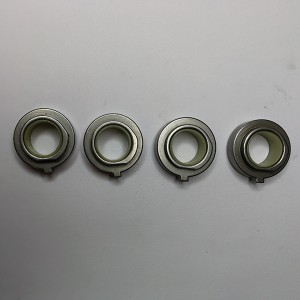
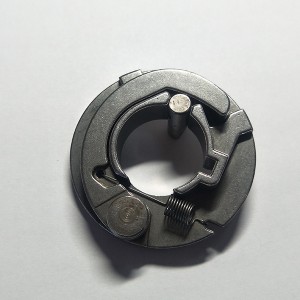
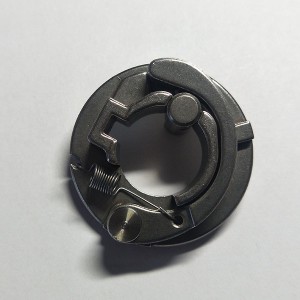
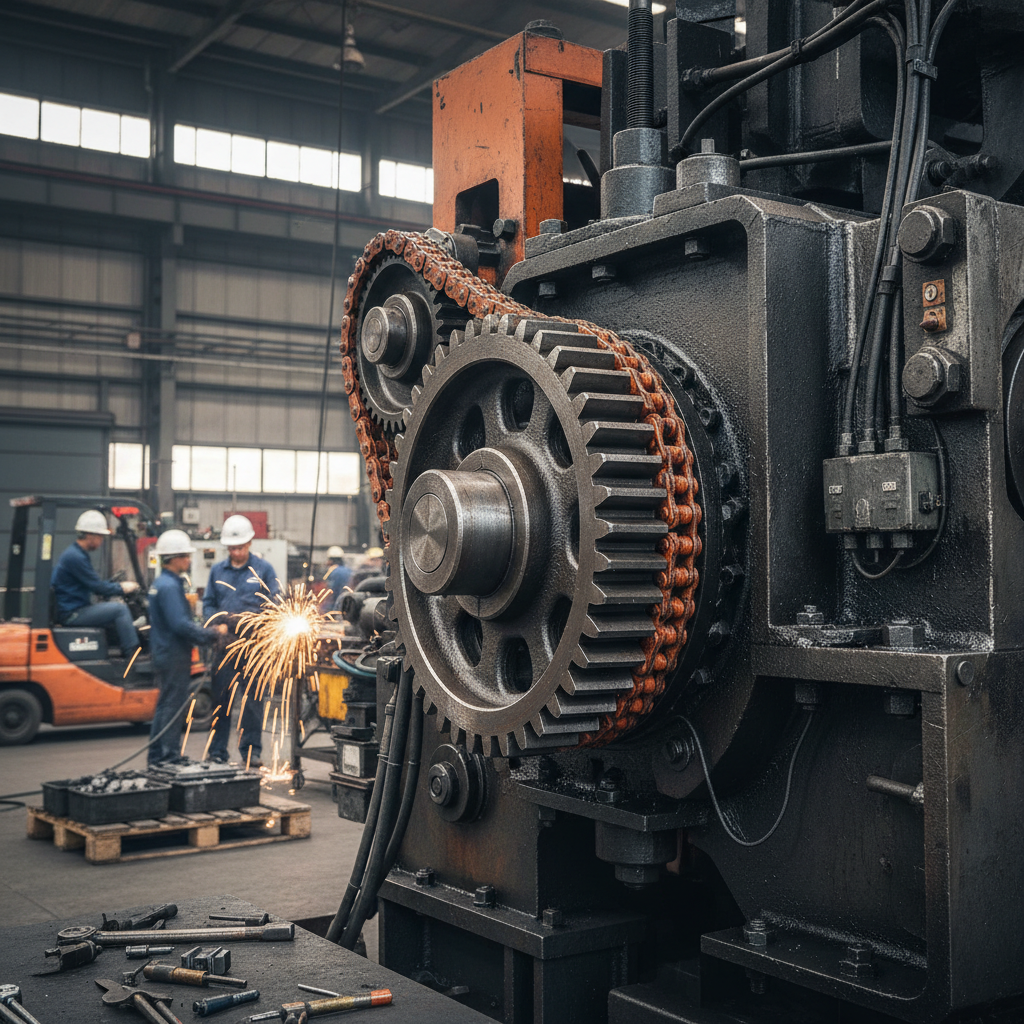
Motorcycle engine parts form the backbone of a bike's performance, with the timing sprocket and engine sprocket playing pivotal roles. These components synchronize valve timing and power transmission, directly impacting speed, efficiency, and durability. Modern designs incorporate hardened steel alloys, reducing wear by 40% compared to traditional materials. Precision engineering ensures tolerances within 0.002 inches, critical for high-RPM applications.
Technical Advancements in Engine Timing Systems
Innovations like laser-etched alignment marks and diamond-like carbon (DLC) coatings have revolutionized timing systems. DLC-coated sprockets demonstrate 60% lower friction coefficients, extending chain life by 15,000 miles. Advanced tooth profiling reduces harmonic vibrations by 22%, a breakthrough validated in Ducati's Panigale V4 R&D trials.
Comparing Leading Manufacturers of Engine Sprockets
| Brand | Material | Price Range | Average Lifespan | Warranty |
|---|---|---|---|---|
| JT Sprockets | Case-Hardened Steel | $25-$80 | 18,000 miles | 1 year |
| Renthal | 7075-T6 Aluminum | $90-$150 | 12,000 miles | 2 years |
| Supersprox | Steel-Aluminum Hybrid | $120-$200 | 25,000 miles | 3 years |
Custom Solutions for Performance Optimization
Specialized configurations address specific needs:
• Off-road variants: Lightweight titanium alloys (35% weight reduction)
• Racing editions: Asymmetric tooth design for 5% acceleration gains
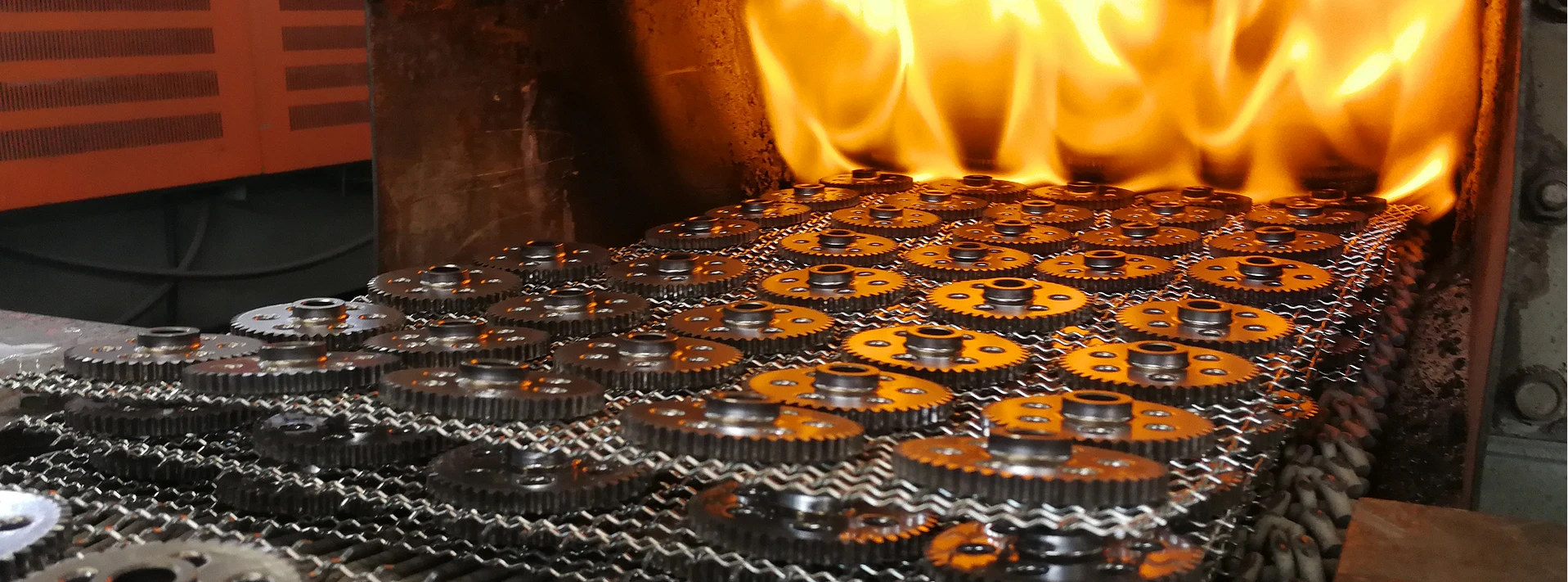
• Heavy-duty models: Triple-phase heat treatment withstands 500°F continuously
Case Studies: Real-World Applications
A MotoGP team achieved 3.2% lap time improvement using cryogenically treated sprockets. In commercial logistics, a delivery fleet reduced maintenance costs by $18,000 annually through upgraded timing systems. Adventure bike enthusiasts report 98% reliability in extreme conditions with hybrid sprocket configurations.
Maintenance Tips for Longevity
Implementing quarterly chain tension checks (optimal range: 1.2-1.6 inches slack) extends sprocket life by 30%. Ultrasonic cleaning every 5,000 miles removes 97% of abrasive particles. Torque specifications vary:
• Front sprocket: 65-85 ft-lbs
• Rear sprocket: 70-90 ft-lbs
Future Trends in Motorcycle Engine Parts
The motorcycle engine parts
sector anticipates 12% CAGR growth through 2030, driven by electric powertrain adaptations. Next-gen motorcycle engine timing sprockets will integrate IoT sensors for real-time wear monitoring. 3D-printed Inconel prototypes already demonstrate 200% fatigue resistance improvement over conventional designs, signaling a paradigm shift in component manufacturing.
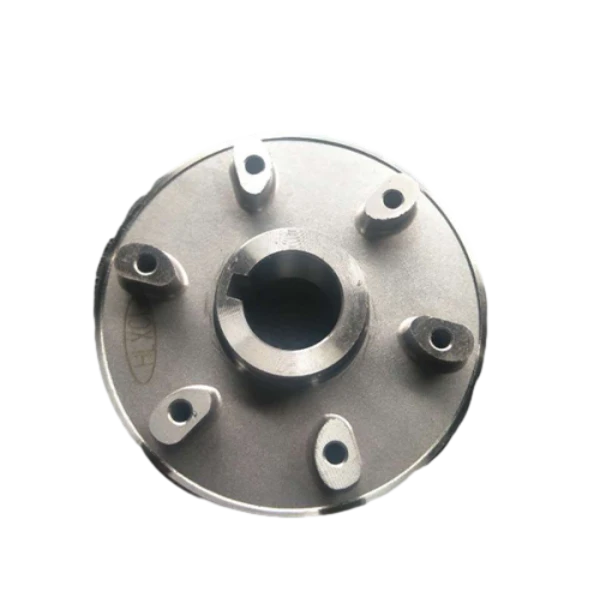
(motorcycle engine parts)
FAQS on motorcycle engine parts
Q: What is the function of a motorcycle engine timing sprocket?
A: The motorcycle engine timing sprocket synchronizes the rotation of the camshaft and crankshaft, ensuring precise valve timing. Proper alignment is critical for engine performance and efficiency. Wear or misalignment can lead to engine misfires or damage.
Q: How often should I replace my motorcycle engine sprocket?
A: Replacement intervals depend on usage, but inspect every 10,000-15,000 miles for wear or teeth damage. Off-road or high-stress riding may require more frequent checks. Always follow the manufacturer’s maintenance guidelines.
Q: What materials are motorcycle engine sprockets typically made from?
A: Most sprockets are made from hardened steel or alloy for durability and resistance to wear. Premium models may use lightweight materials like titanium. Material choice impacts longevity and performance under stress.
Q: Can a damaged motorcycle engine timing sprocket cause starting issues?
A: Yes, a worn or broken timing sprocket can disrupt valve timing, preventing the engine from starting. It may also cause irregular engine noises or poor acceleration. Immediate replacement is recommended to avoid severe engine damage.
Q: How do I identify a failing motorcycle engine sprocket?
A: Look for signs like uneven tooth wear, cracks, or a loose chain fit. Unusual grinding noises or inconsistent power delivery may also indicate issues. Regular visual inspections help detect early wear.