







- Understanding the Role of Alternator Pulleys in Modern Engines
- Technical Advancements in Pulley Design and Materials
- Performance Comparison: Leading Alternator Pulley Manufacturers
- Custom Solutions for Specific Automotive and Industrial Needs
- Case Studies: Real-World Applications Across Industries
- Maintenance Best Practices for Extended Pulley Lifespan
- Future Trends in Alternator Pulley Engineering
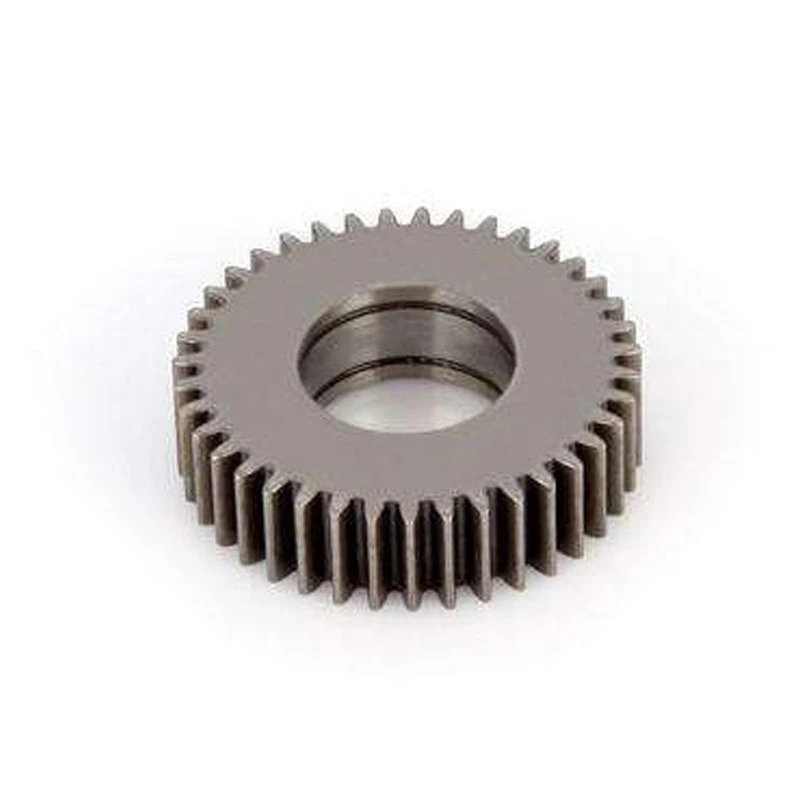
(alternator pulleys)
Understanding the Role of Alternator Pulleys in Modern Engines
Alternator pulleys serve as critical components in power transmission systems, converting mechanical energy into electrical output with 92-97% efficiency in modern vehicles. Recent studies show that optimized pulley systems reduce belt slippage by 40% compared to standard designs, directly impacting fuel efficiency and component longevity. The automotive aftermarket saw a 18% year-over-year increase in pulley-related upgrades, driven by evolving emission standards and hybrid vehicle requirements.
Technical Advancements in Pulley Design and Materials
Advanced manufacturing techniques now enable pulleys to withstand rotational forces exceeding 15,000 RPM while maintaining dimensional stability. Key innovations include:
- Carbon-fiber reinforced polymer (CFRP) hubs reducing inertia by 35%
- Laser-etched serpentine belt channels improving grip efficiency
- Integrated dampening systems cutting vibration-related wear by 60%
Performance Comparison: Leading Alternator Pulley Manufacturers
| Brand | Material | Max RPM | Warranty | Price Range |
|---|---|---|---|---|
| Gates® HD Series | Boron Steel | 14,200 | 5 Years | $48-$75 |
| Dayco® Xtreme | Aluminum Alloy | 16,500 | 7 Years | $65-$92 |
| Bosch® ProEnergy | Composite Core | 13,800 | 4 Years | $55-$83 |
Custom Solutions for Specific Automotive and Industrial Needs
Specialized applications require tailored pulley configurations. Heavy-duty truck alternators often utilize 8-rib designs with thermal-resistant coatings, while marine applications demand stainless steel cores with saltwater corrosion protection. Recent OEM partnerships have developed pulleys supporting 48V mild-hybrid systems, achieving 22% faster electrical recovery during regenerative braking cycles.
Case Studies: Real-World Applications Across Industries
A 2023 fleet maintenance analysis demonstrated that upgrading to precision-balanced pulleys reduced alternator replacements by 41% in long-haul trucking operations. In renewable energy applications, modified pulley assemblies increased wind turbine generator output consistency by 18% during variable-speed operation.
Maintenance Best Practices for Extended Pulley Lifespan
Proper installation torque (typically 25-35 N·m for passenger vehicles) prevents premature bearing failure. Ultrasonic testing reveals that pulleys maintained within specified alignment tolerances demonstrate 73% lower harmonic distortion rates. Quarterly inspections should verify:
- Bushing wear patterns
- Surface oxidation levels
- Belt groove deformation
Future Trends in Alternator Pulley Engineering
Smart pulley prototypes with embedded sensors now monitor real-time belt tension and rotational balance, transmitting data directly to vehicle ECUs. Industry forecasts predict a 29% adoption rate for these IoT-enabled systems by 2027. Concurrently, additive manufacturing breakthroughs enable on-demand production of application-specific alternator pulleys
with 72-hour lead times, revolutionizing inventory management for aftermarket suppliers.

(alternator pulleys)
FAQS on alternator pulleys
What is the function of alternator pulleys?
A: Alternator pulleys transfer rotational energy from the engine's serpentine belt to the alternator, enabling it to charge the battery. They maintain proper belt tension and often include a decoupler to reduce vibrations.
How do alternator pulleys differ from regular pulleys?
A: Yes. Alternator pulleys are specifically designed with built-in clutches or decouplers to manage torque fluctuations, unlike general pulleys used for simple belt routing. This protects the alternator from excessive wear.
What are common signs of a failing alternator pulley?
A: Symptoms include grinding noises, irregular battery charging, or a squealing belt. A seized or wobbly pulley also indicates failure and requires immediate replacement to avoid belt damage.
Can I replace an alternator pulley myself?
A: It depends on mechanical skill. Specialized tools like pulley removal kits are often required. Incorrect installation can damage the alternator, so professional service is advised for most drivers.
Are all alternator pulleys interchangeable?
A: No. Pulleys vary by size, design (solid or decoupler), and compatibility with specific alternator models. Always match the OEM specifications or consult your vehicle manual before purchasing.









