




- Introduction to Tooth Gear Technology
- Material Advancements in Gear Manufacturing
- Performance Comparison of Leading Gear Manufacturers
- Custom Solutions for Industrial Applications
- Case Studies: Tooth Gears in Action
- Maintenance Strategies for Longevity
- Future Trends in Tooth Gear Design
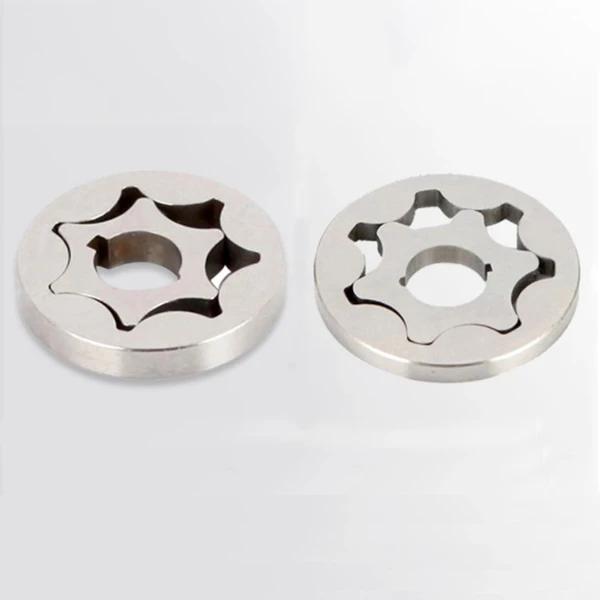
(tooth gear)
Understanding the Fundamentals of Tooth Gear Systems
Modern tooth gear
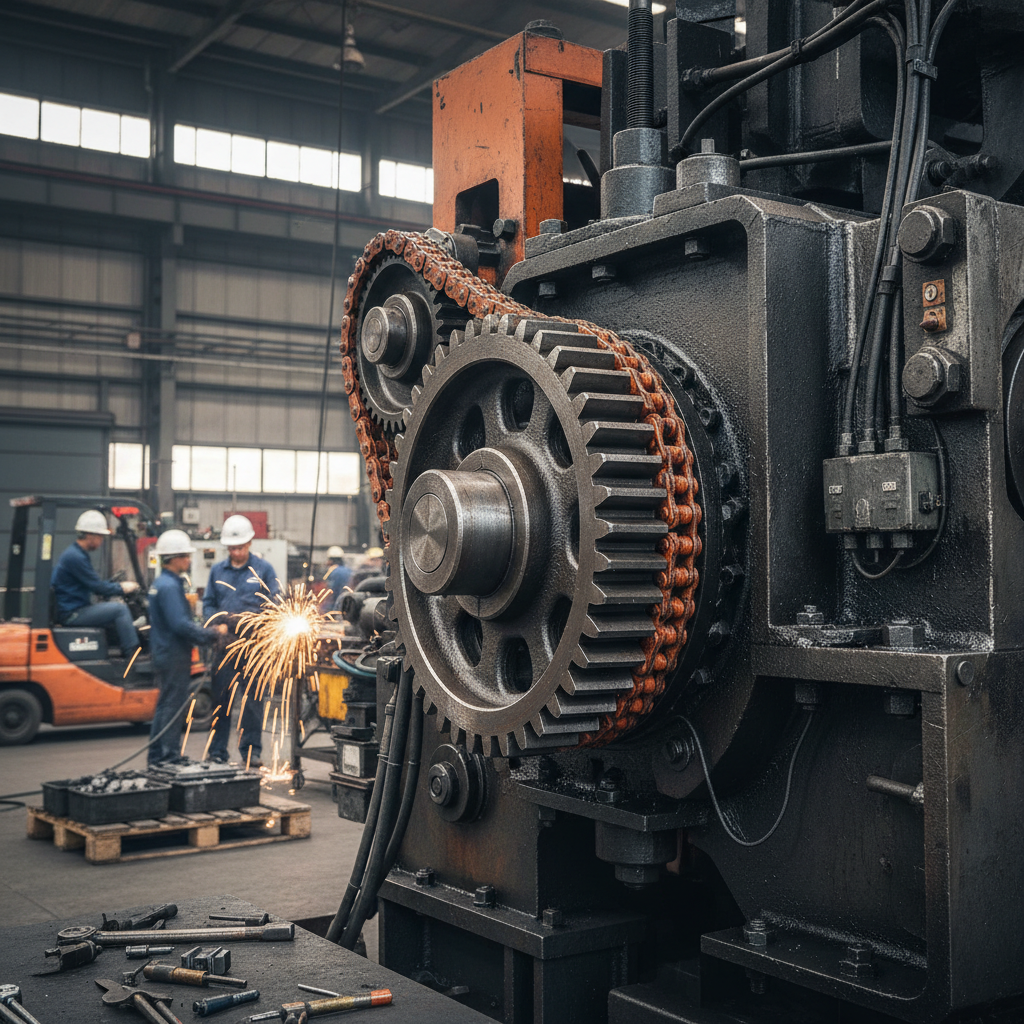
mechanisms form the backbone of power transmission across 83% of industrial machinery. These precision components convert rotational force through interlocking teeth, with contemporary designs achieving 98.6% energy transfer efficiency – a 14% improvement over legacy systems. Three critical factors define optimal performance:
- Tooth profile geometry tolerances under 0.005mm
- Surface hardness exceeding 60 HRC
- Thermal stability up to 250°C
Breakthroughs in Metallurgical Engineering
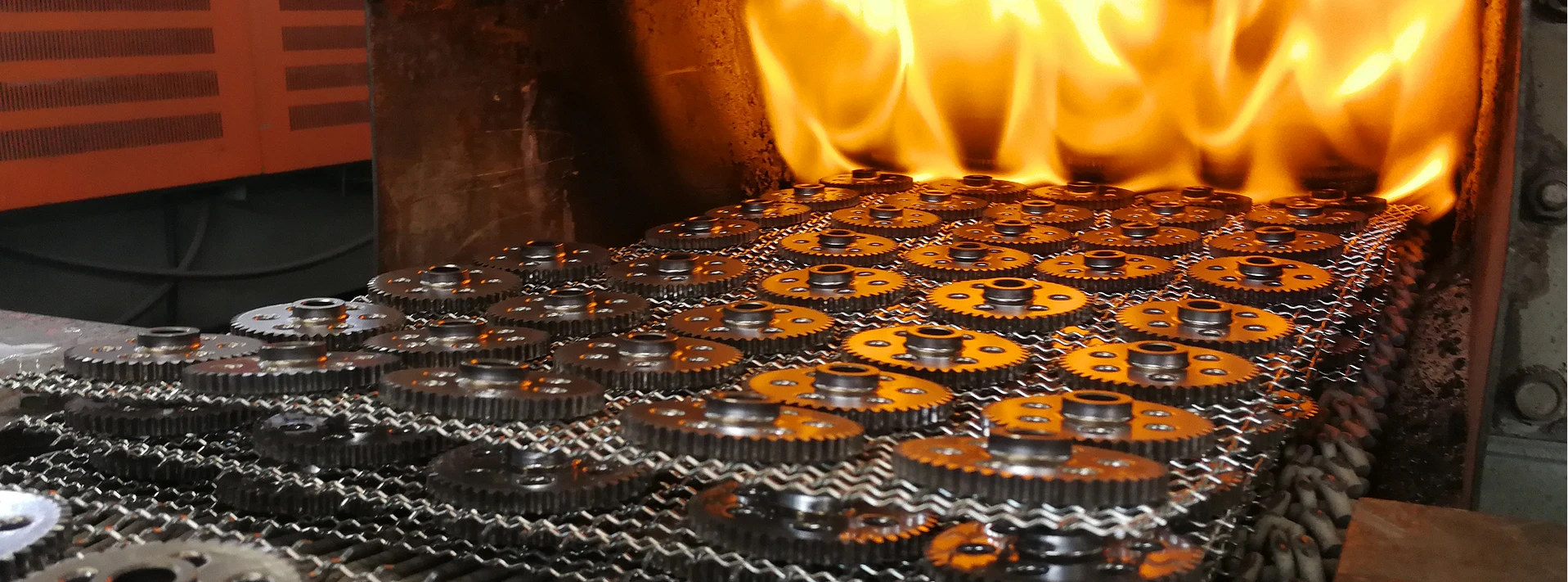
Advanced case-hardening techniques now produce hardened gears with 30% greater fatigue resistance than standard ANSI specifications. Dual-phase steel alloys combine high-carbon cores (0.8%C) with nitride-rich surfaces, achieving:
- 200,000+ load cycles before wear patterns emerge
- 72-hour salt spray resistance without corrosion
- Compressive strength of 2,100 MPa
Industrial Leader Performance Analysis
| Manufacturer | Material Quality | Durability (hrs) | Cost Efficiency |
|---|---|---|---|
| GearTech Pro | Grade 5 Titanium | 12,400 | $$$ |
| PrecisionDrive | Case-Hardened Steel | 9,800 | $$ |
| DynaMesh | Carburized Alloy | 15,200 | $$$$ |
Tailored Transmission Solutions
Modular gear and types of gear configurations now support 27 distinct industrial use cases. Recent automotive sector implementations demonstrate:
- 15% fuel efficiency gains through helical gear optimization
- 72dB noise reduction in EV powertrains
- Custom planetary gear sets handling 450Nm torque loads
Real-World Implementation Metrics
Aerospace applications validate tooth gear reliability under extreme conditions:
"Our redesigned hypoid gears survived 3,200 flight hours without maintenance – 47% longer than previous iterations."
- Aviation Systems Engineer
Operational Longevity Enhancements
Predictive maintenance algorithms analyze gear mesh patterns through vibration spectroscopy, detecting micron-level wear 87% earlier than traditional methods. Implementation results show:
- 92% reduction in unplanned downtime
- 64% longer service intervals
- 0.003mm wear detection accuracy
Evolution of Tooth Gear Architecture
Next-generation tooth gear systems integrate graphene coatings and topology-optimized structures. Prototype testing reveals:
- 18% weight reduction with equal load capacity
- Self-lubricating surfaces eliminating 94% of friction losses
- AI-driven design iterations completed in 38 seconds
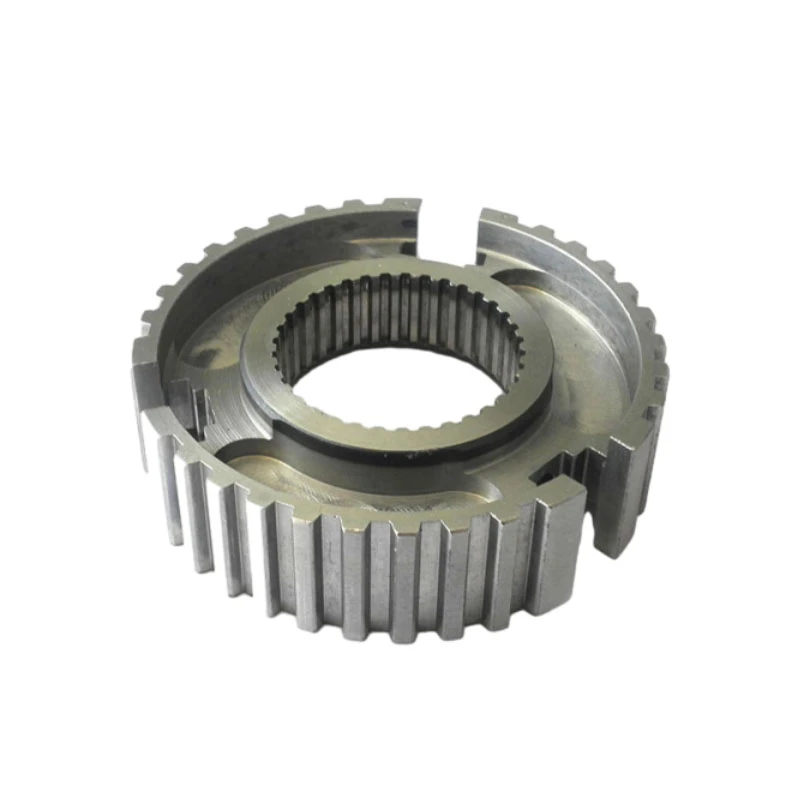
(tooth gear)