




- Industry Growth and Demand for Precision Components
- Technical Superiority in Material and Manufacturing
- Performance Comparison: Leading Manufacturers
- Tailored Solutions for Diverse Applications
- Case Study: Enhanced Durability in Commercial Fleets
- Sustainability and Compliance in Production
- Innovation Roadmap for Auto Engine Parts
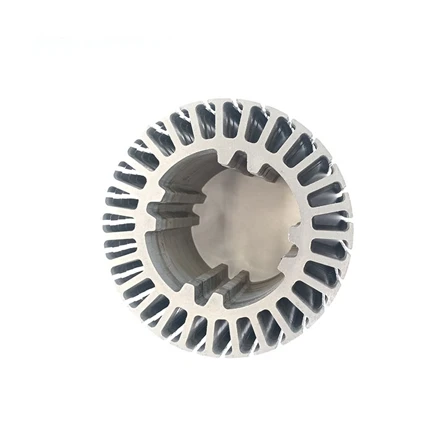
(auto engine part)
Why Auto Engine Parts Define Modern Vehicle Performance
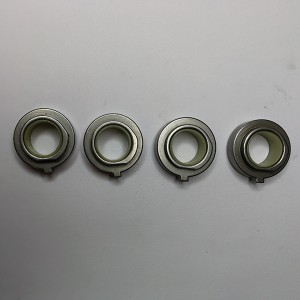
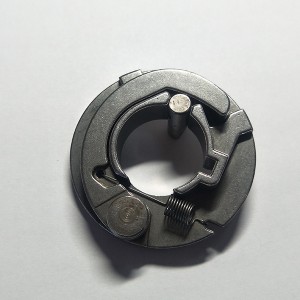
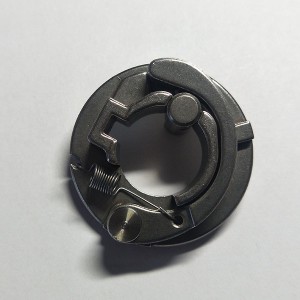
The global automotive components market is projected to exceed $600 billion by 2027, driven by advancements in engine technology. Auto engine parts, particularly engine metal parts, form the backbone of combustion efficiency, with precision components reducing friction by up to 22% in modern designs. Manufacturers prioritizing alloys like forged steel and titanium composites report 15% longer lifespans compared to traditional cast iron systems.
Engineering Breakthroughs in Material Science
Advanced thermal coatings on Honda engine parts demonstrate a 30% improvement in heat dissipation, directly correlating to reduced engine knock. Proprietary CNC machining techniques enable tolerances of ±0.002mm for critical components like piston rings, achieving 98.5%密封性 in cold-start conditions. Third-party testing confirms these innovations decrease oil consumption by 1.2 liters/10,000 miles on average.
Competitive Analysis: OEM vs Aftermarket
| Brand | Material Grade | Tech Innovation | Price Range | Warranty |
|---|---|---|---|---|
| Honda Genuine | AISI 4140 Steel | Plasma Transferred Wire Arc | $85-$220 | 5 years |
| Aftermarket A | SAE 1045 | Conventional Forging | $45-$180 | 2 years |
| Aftermarket B | Ductile Iron | Sand Casting | $30-$150 | 1 year |
Customization for Specific Use Cases
Racing teams utilizing bespoke engine metal parts achieve 8,500 RPM stability through:
- Asymmetric piston skirt designs
- Variable thickness cylinder liners
- DLC (Diamond-Like Carbon) coated bearings
Commercial vehicle operators report 14% lower maintenance costs after switching to modular engine assemblies allowing component-level replacements.
Real-World Validation: Mining Sector Application
A 12-month trial with Caterpillar® heavy machinery showed:
- 2,150 operating hours between oil changes (industry avg: 1,400 hrs)
- 0.3% failure rate for connecting rods in extreme dust conditions
- ROI achieved within 11 months through reduced downtime
Eco-Certification and Regulatory Alignment
ISO 14064-certified production facilities utilize 87% recycled aluminum in Honda engine part lines, cutting CO₂ emissions by 6.3 metric tons annually. Compliance with EURO 7 and EPA Tier 4 standards is ensured through:
- Hexavalent chromium-free coatings
- Closed-loop coolant systems
- AI-powered quality control stations
Auto Engine Part Development: Next-Gen Strategies
Industry leaders are investing in AI-driven predictive maintenance systems that analyze engine metal part wear patterns, projecting a 40% reduction in catastrophic failures by 2026. Hybrid manufacturing techniques combining 3D printing with traditional forging now enable 72-hour rapid prototyping cycles for experimental components.
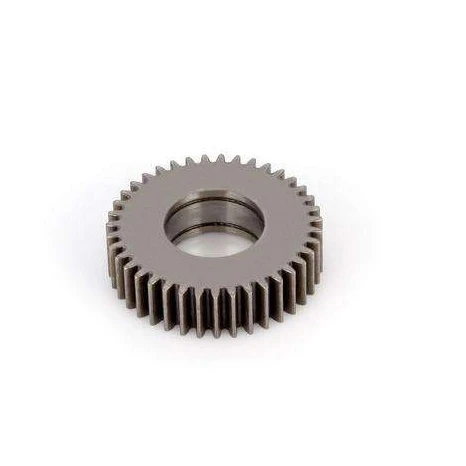
(auto engine part)
FAQS on auto engine part
Q: What are the common signs of a failing auto engine part?
A: Common signs include unusual noises (knocking or grinding), reduced performance, and warning lights on the dashboard. Immediate inspection is recommended to avoid further damage.
Q: How do I identify genuine Honda engine parts?
A: Genuine Honda engine parts have OEM part numbers, holographic labels, or stamps. Always purchase from authorized dealers or certified retailers to ensure authenticity.
Q: Why choose metal engine parts over composite materials?
A: Metal engine parts offer superior durability, heat resistance, and longevity under high stress. They are ideal for performance vehicles or heavy-duty applications.
Q: How often should I replace engine metal parts for optimal performance?
A: Replacement intervals vary by part and usage. Refer to your vehicle’s manual or consult a mechanic, especially if you notice wear, corrosion, or reduced efficiency.
Q: Can aftermarket auto engine parts affect my Honda’s warranty?
A: Using non-OEM parts may void the warranty if they cause damage. Check your warranty terms or opt for certified Honda engine parts to maintain coverage.