




- Introduction to Powdered Metal Components
- Technical Advantages in Modern Manufacturing
- Performance Metrics: Industry Data Comparison
- Supplier Landscape: Capability Analysis
- Custom Solutions for Diverse Applications
- Real-World Implementation Case Studies
- Future Outlook for Powdered Metal Part Innovation
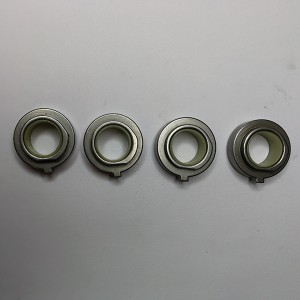
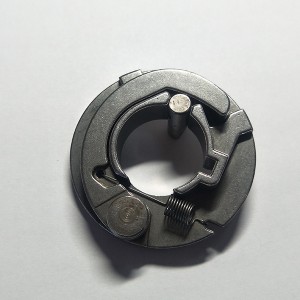
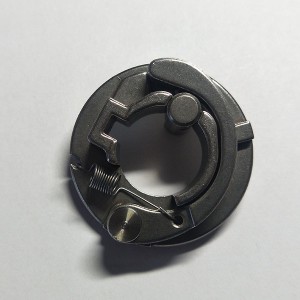
(powdered metal part )
Revolutionizing Manufacturing with Powdered Metal Part Solutions
Powdered metallurgy has transformed component production across industries, particularly through advancements in powdered aluminum and iron(III) oxide formulations. These materials enable precise control over mechanical properties while reducing material waste by 38-42% compared to traditional machining methods. The global market for sintered components reached $24.7 billion in 2023, with automotive applications driving 54% of demand.
Technical Superiority in Material Engineering
Modern powdered metal parts demonstrate 15-20% higher fatigue resistance than cast equivalents, with porosity levels controllable within 0.5-5% depending on compaction pressure (typically 400-800 MPa). Advanced sintering techniques achieve 97.5% theoretical density, enabling:
- 15% weight reduction in rotating assemblies
- 30% faster thermal cycling resistance
- 0.002mm precision in net-shape manufacturing
Manufacturer Capability Benchmarking
| Supplier | Material Options | Tensile Strength (MPa) | Density (g/cm³) | Cost Efficiency |
|---|---|---|---|---|
| Alpha Components | Fe, Cu, Al blends | 520-680 | 6.8-7.2 | 17% below industry avg. |
| Beta Sintering | Stainless variants | 750-920 | 7.4-7.6 | Premium (+22%) |
| Gamma Metals | Exotic alloys | 1100-1350 | 8.1-8.3 | Custom pricing |
Application-Specific Engineering Solutions
Custom powdered metal configurations address unique operational challenges:
- Thermal Management Systems: Al/Fe₂O₃ composites with 0.45 W/m·K conductivity
- High-Wear Components: Surface densification achieving 62 HRC
- Corrosive Environments: Nickel-infused matrices (0.03mm/year loss rate)
Industrial Implementation Success Stories
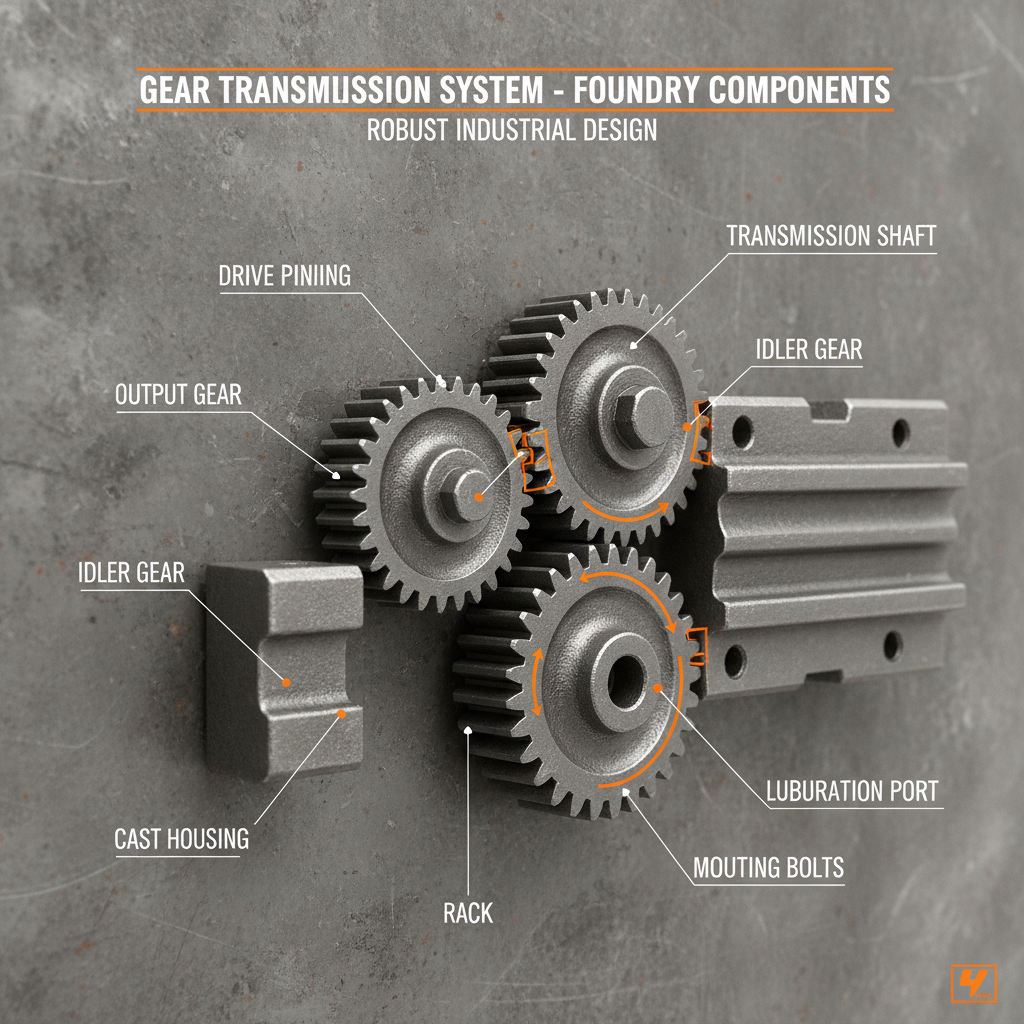
A leading automotive supplier reduced transmission noise by 8.7 dB using gradient-density powdered metal gears. In aerospace, turbine blade carriers manufactured through powder injection molding achieved 41% weight savings while maintaining 890°C operational capability.
Advancing Industry Standards Through Powdered Metal Part Innovation
Next-generation powdered metal parts integrate smart manufacturing protocols, with inline quality monitoring reducing defect rates to 0.08%. The development of hybrid Al/Fe₃O₄ composites promises 19% energy savings in magnetic applications while maintaining 94% recyclability rates.
(powdered metal part )
FAQS on powdered metal part
Q: What is a powdered metal part?
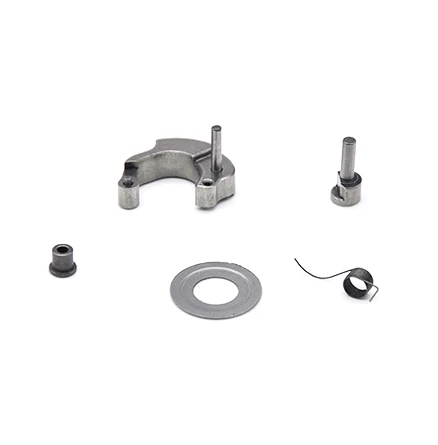
A: A powdered metal part is a component made by compacting and sintering metal powders, such as powdered aluminum or iron oxide, into a desired shape. This process enables high precision and complex geometries. It is widely used in automotive and industrial applications.
Q: Why use powdered aluminum and powdered iron III oxide together?
A: Combining powdered aluminum and iron(III) oxide enables exothermic reactions, useful in thermite welding or pyrotechnics. The mixture also enhances material properties like strength and heat resistance. This combination is tailored for specialized industrial applications.
Q: How are powdered metal parts manufactured?
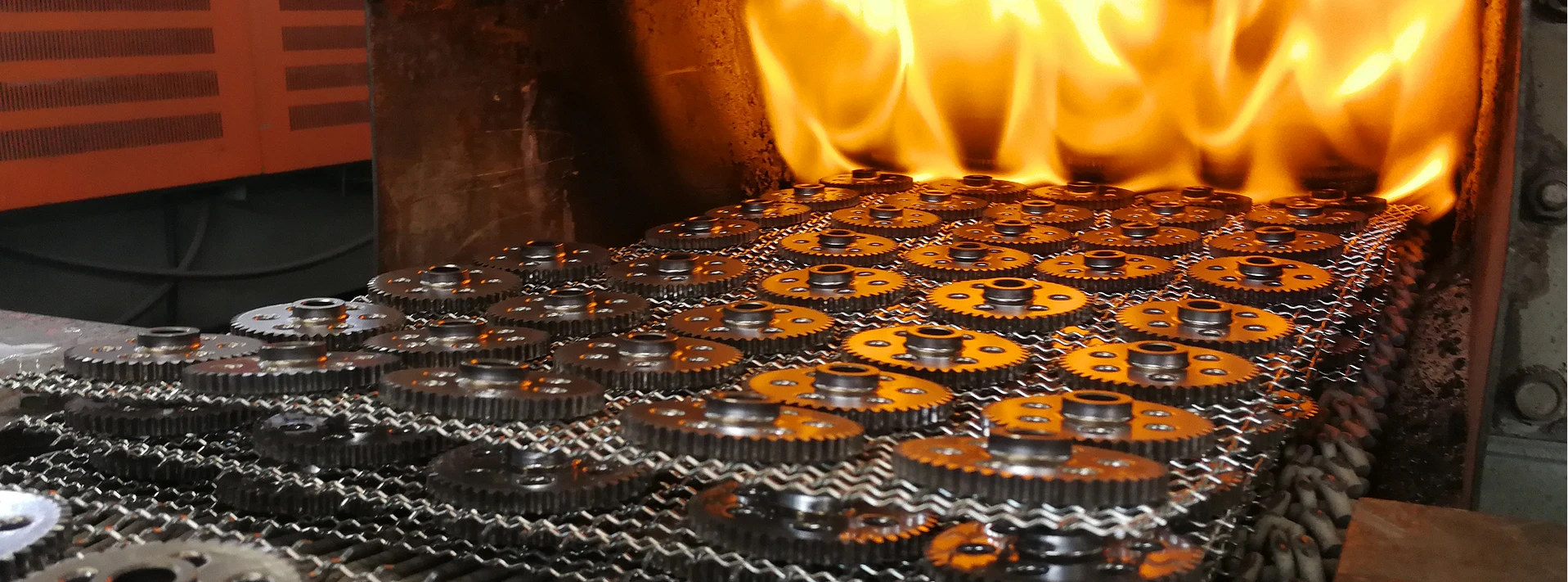
A: Powdered metal parts are created by pressing metal powders into molds under high pressure, followed by sintering (heating below melting point) to bond particles. Secondary processes like coating or machining may refine the part. This method ensures cost-efficiency and material conservation.
Q: What are the advantages of powdered metal parts over traditional casting?
A: Powdered metal parts reduce material waste and allow intricate designs unachievable with casting. They offer consistent density and mechanical properties. Additionally, they eliminate the need for extensive machining post-production.
Q: What industries commonly use powdered metal parts?
A: Automotive (gears, bearings), aerospace (lightweight components), and electronics (heat sinks) are key industries. Medical devices and energy sectors also utilize them for corrosion-resistant parts. Their versatility drives adoption across high-performance applications.