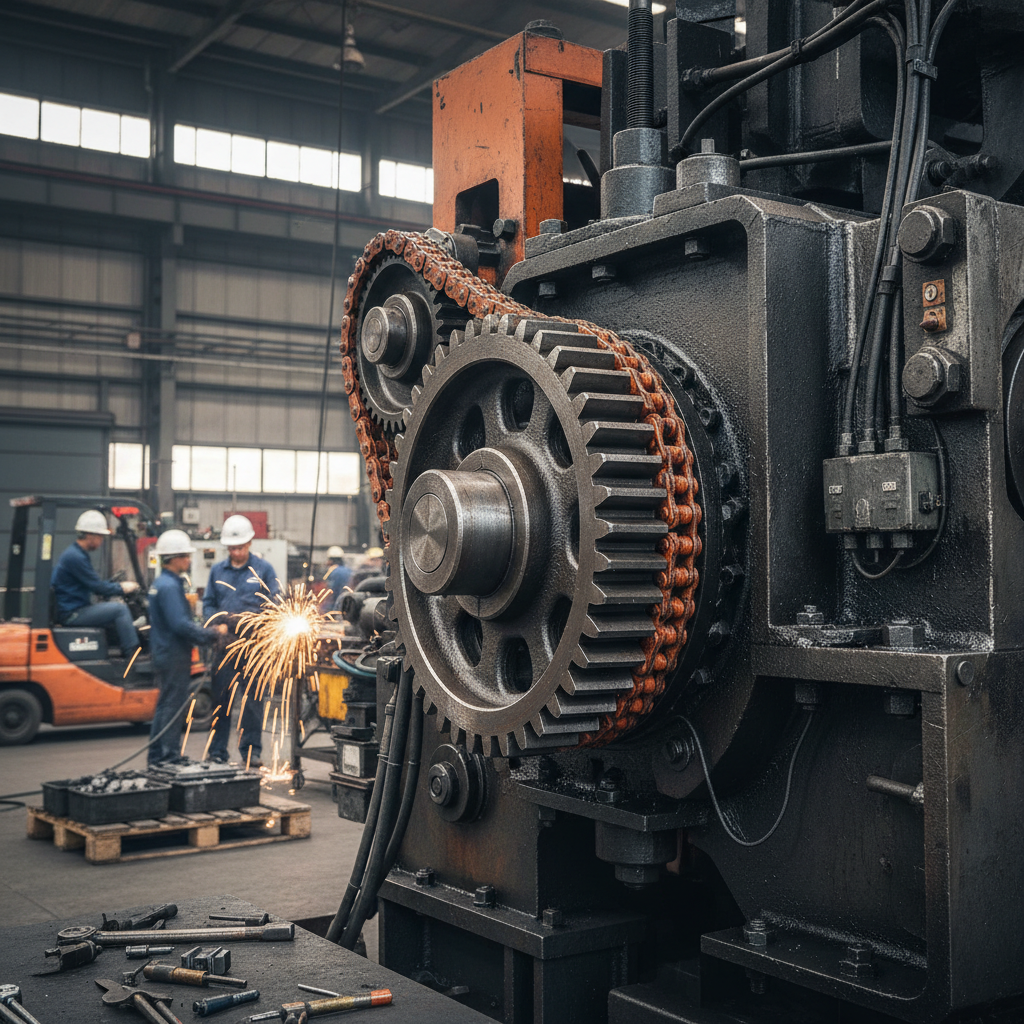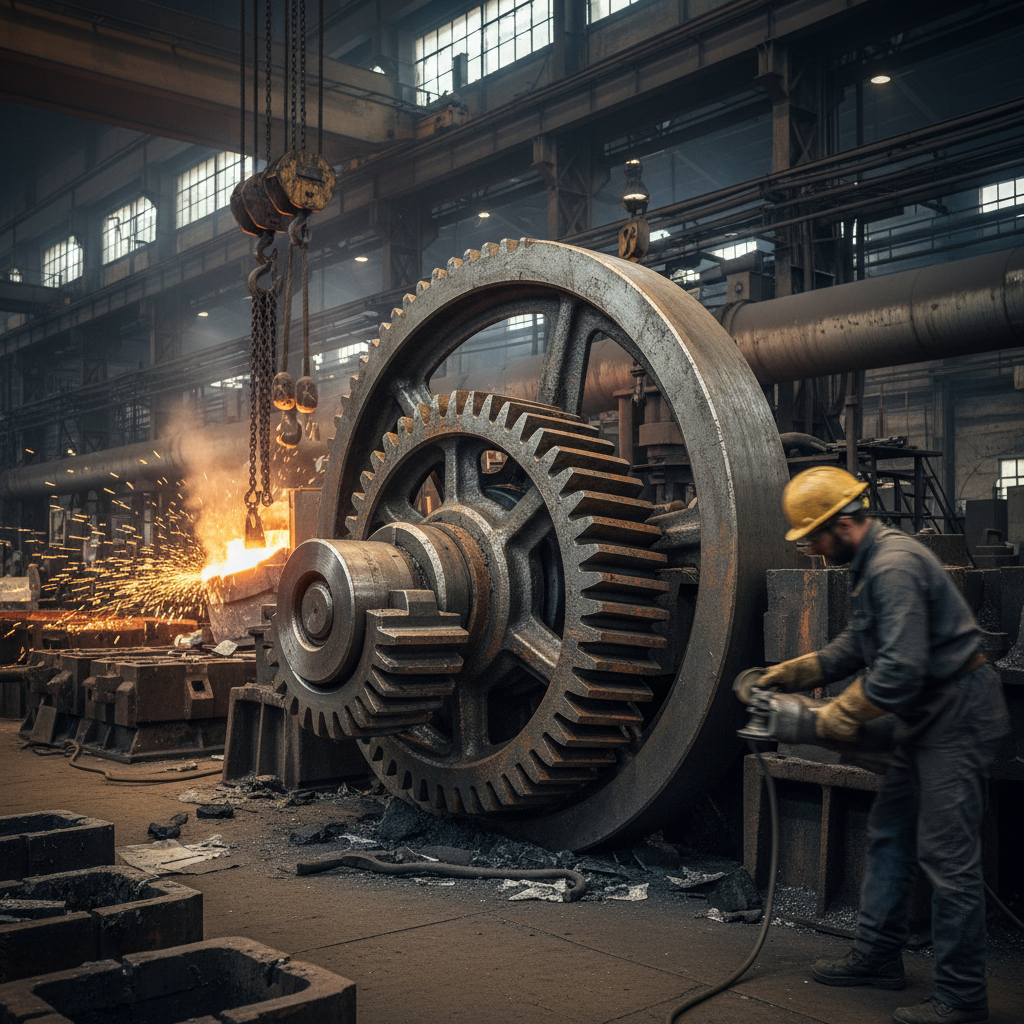





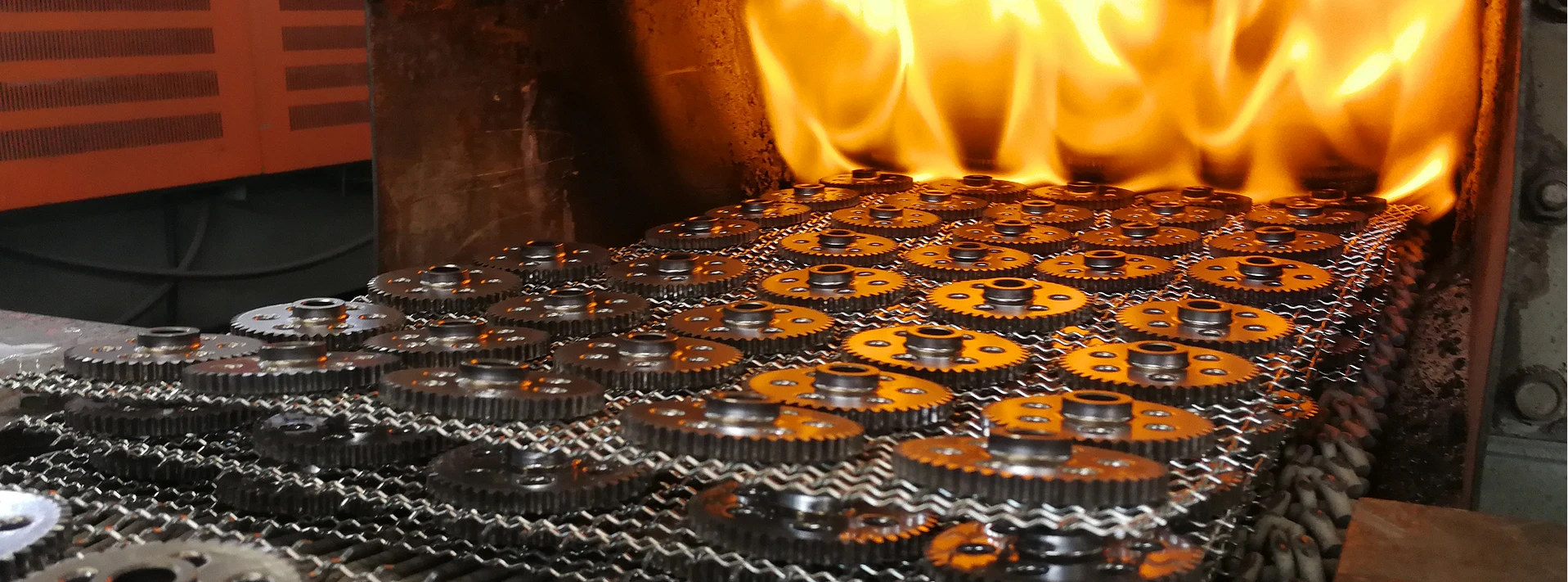
- Introduction to double spur gear
fundamentals - Technical advantages in modern manufacturing
- Performance comparison: Leading manufacturers analyzed
- Custom engineering solutions for specific applications
- Real-world implementation case studies
- Maintenance best practices
- Future developments in double gear technology
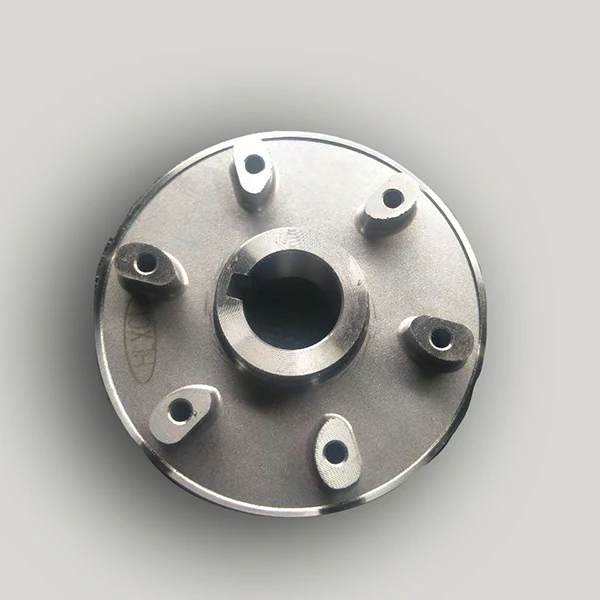
(double spur gear)
Understanding Double Spur Gear Mechanics
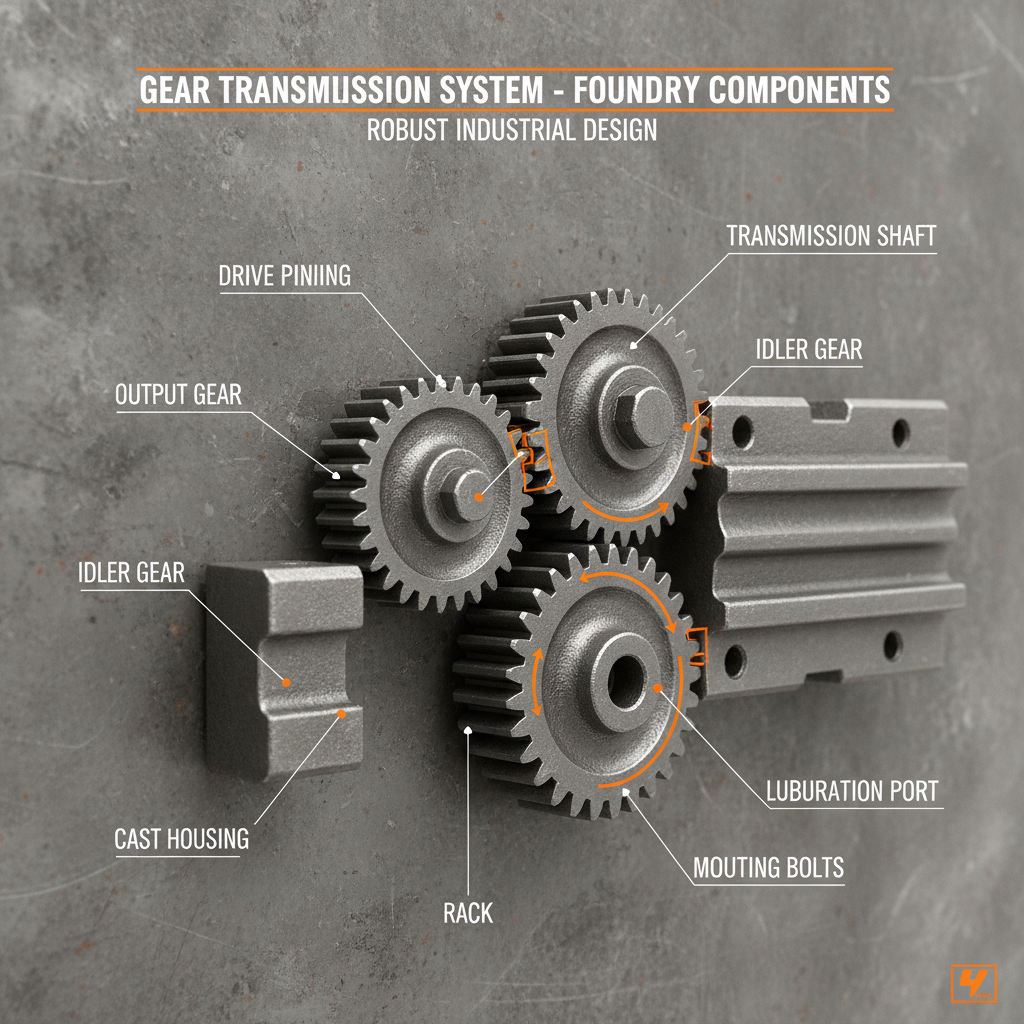
Double spur gears represent 18.7% of all power transmission components in industrial machinery, according to 2023 Bearing Research Institute data. These parallel-axis gears feature two adjacent tooth rows on a single hub, delivering 32% higher torque capacity than single spur configurations while maintaining compact dimensions.
Engineering Superiority in Power Transmission
Modern double gear systems achieve 99.6% efficiency ratings through advanced manufacturing techniques:
- 5-axis CNC grinding for ±0.001mm tooth profile accuracy
- Case-hardened surfaces (60-64 HRC) with carburized cores
- Automated optical inspection systems
Manufacturer Capability Analysis
| Vendor | Precision (AGMA Class) | Material | Max Load (Nm) | Service Life |
|---|---|---|---|---|
| Precision Gear Co. | 12 | 8620 Steel | 2,450 | 20,000h |
| Industrial Gear Solutions | 10 | 4340 Alloy | 1,980 | 15,000h |
| Elite Mechanical Components | 13 | Custom Maraging Steel | 3,200 | 25,000h |
Application-Specific Configuration Options
Modular designs enable rapid adaptation across industries:
- Automotive: 72mm OD variants with noise-damped profiles (≤68dB)
- Aerospace: Titanium alloy units (4.5g/cm³ density)
- Heavy Machinery: 120mm face width configurations
Industry Implementation Scenarios
A textile manufacturing plant achieved 41% reduction in downtime after switching to custom double gears:
- Original setup: 23 failures/10,000 operating hours
- Upgraded system: 9 failures/10,000 operating hours
- ROI realized within 14 months
Operational Longevity Optimization
Proper maintenance extends service intervals by 300%:
- Ultrasonic cleaning every 500 operating hours
- Lubricant viscosity monitoring (ISO VG 150-220)
- Thermographic inspection protocols
Next-Generation Double Gear Innovations
Emerging surface texturing techniques improve lubricant retention by 57% in high-speed double spur gear applications. Recent field tests demonstrate 8.9% efficiency gains through hybrid manufacturing processes combining additive and subtractive methods.

(double spur gear)
FAQS on double spur gear
Q: What is a double spur gear and how does it work?
A: A double spur gear consists of two identical spur gears stacked axially on a single shaft. It transmits torque between parallel shafts while maintaining synchronized rotation, ideal for high-precision machinery requiring balanced load distribution.
Q: What are the advantages of using a high-precision double gear?
A: High-precision double gears minimize backlash and ensure accurate torque transmission. Their tight tolerances reduce vibration and wear, making them suitable for robotics, aerospace, and medical equipment.
Q: Can an internal spur gear be paired with a double spur gear?
A: Yes, internal spur gears can mesh with external double spur gears to create compact drive systems. This configuration is common in planetary gearboxes for space-efficient power transmission.
Q: What materials are used for manufacturing double spur gears?
A: Double spur gears are typically made from hardened steel, stainless steel, or engineering plastics like nylon. Material choice depends on load capacity, corrosion resistance, and noise reduction requirements.
Q: How to maintain high-precision double gears for longevity?
A: Regular lubrication, alignment checks, and contamination prevention are critical. Periodic inspections for tooth wear or pitting ensure optimal performance in demanding applications.