




Unlocking Peak Performance: A Comprehensive Guide to Camshaft Technology and Replacement
The Critical Role of Camshafts in Modern Engines and the Necessity of Camshaft Replacement
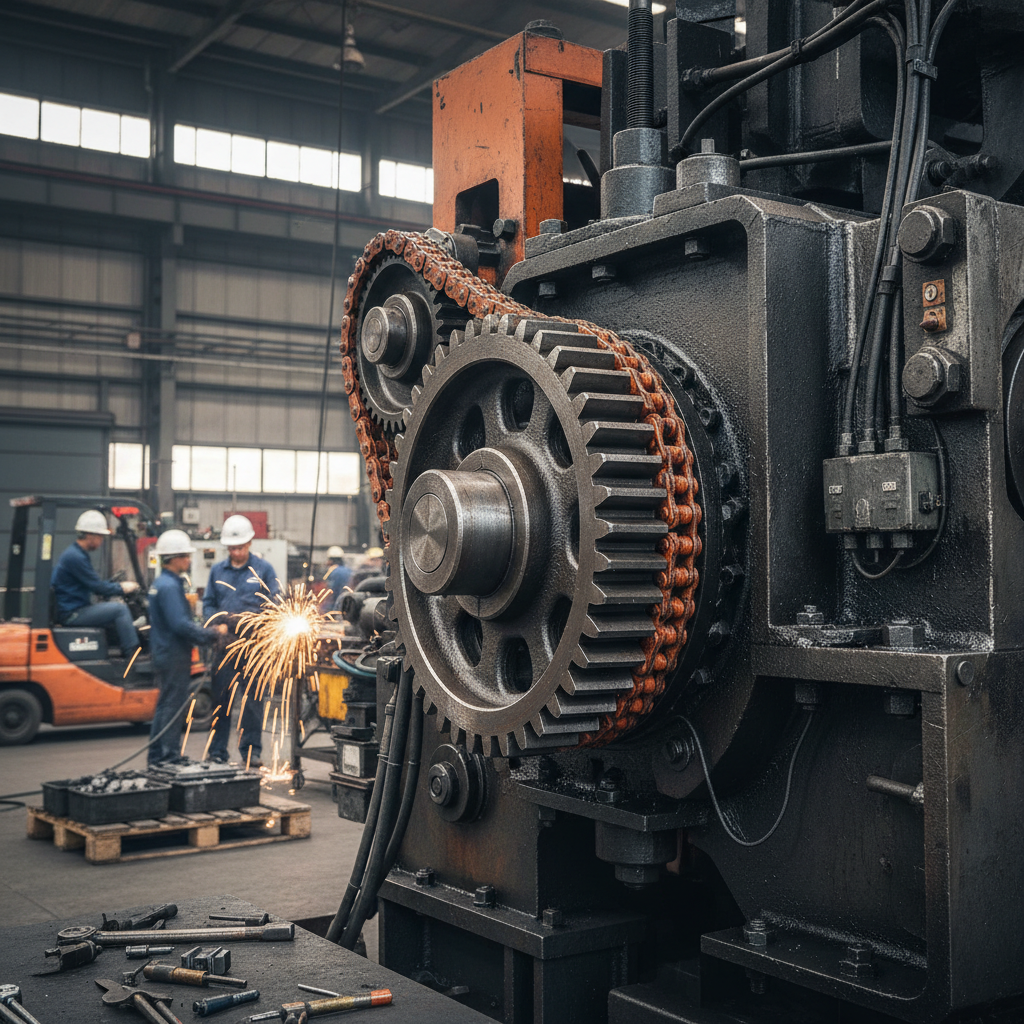
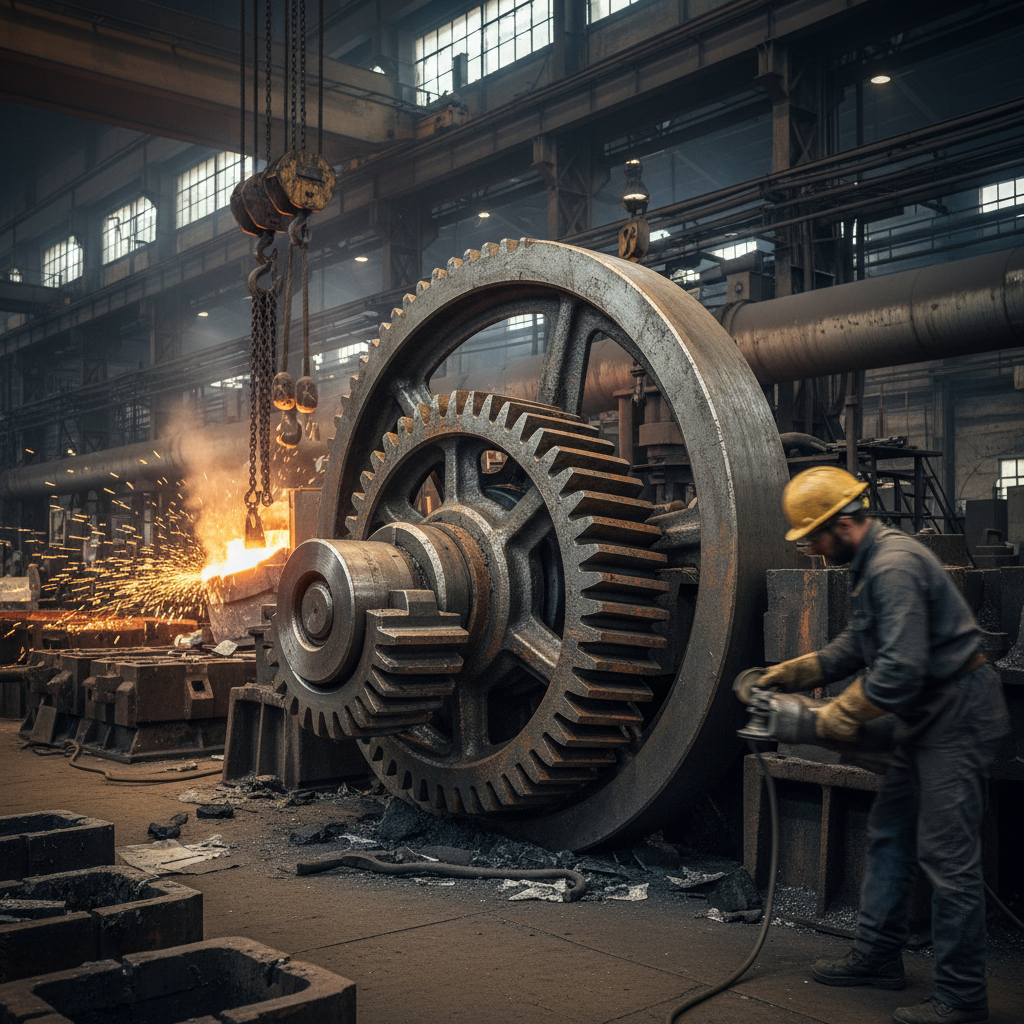
In the intricate world of internal combustion engines, the camshaft stands as a pivotal component, orchestrating the precise timing of valve opening and closing, which directly influences an engine's power output, fuel efficiency, and emissions. From compact honda engine parts to heavy-duty industrial units, the camshaft's design and integrity are paramount. Over time, due to wear, fatigue, or accidental damage, a camshaft replacement becomes inevitable for maintaining optimal engine performance and preventing catastrophic failures. This comprehensive guide delves into the nuances of camshaft technology, the critical process of camshaft replacement, and the superior solutions offered by components like the OEM new activa engine camshaft decompression valve/accessories.
The automotive and industrial sectors are continuously evolving, driven by stringent emission standards, demands for higher fuel efficiency, and the pursuit of enhanced power density. This evolution puts immense pressure on engine components to perform under more extreme conditions, necessitating components that are not only robust but also precisely engineered. The decision for a camshaft replacement is often triggered by symptoms such as irregular engine idle, reduced power, increased fuel consumption, or audible ticking noises indicating worn cam lobes or bearings. Understanding the underlying technology and the meticulous manufacturing processes behind quality camshafts is crucial for anyone involved in engine maintenance or manufacturing.
Industry Trends and Technological Advancements in Engine Components
The global automotive and industrial engine markets are experiencing significant shifts. The push towards electrification is undeniable, but the internal combustion engine (ICE) remains dominant in vast sectors, particularly in emerging markets and for heavy-duty applications. This sustained demand fuels innovation in ICE component technology. We are seeing trends towards:
- Lightweighting: Use of advanced materials and optimized designs to reduce engine mass, contributing to overall vehicle efficiency.
- Enhanced Durability: Development of materials and surface treatments that withstand higher temperatures, pressures, and friction, extending the lifespan of components like camshafts.
- Precision Manufacturing: Adoption of advanced manufacturing techniques like CNC machining, additive manufacturing, and advanced powder metallurgy to achieve tighter tolerances and superior surface finishes.
- Variable Valve Timing (VVT) Systems: Though not directly part of the camshaft itself, these systems heavily rely on precision camshafts and influence their design, aiming for optimal performance across the RPM range.
- Cost-Efficiency through Advanced Processes: Techniques like sintering, specifically relevant to the OEM new activa engine camshaft decompression valve/accessories, offer a balance of performance, precision, and cost-effectiveness, making quality components accessible.
The demand for reliable and high-performance honda engine parts, including those for popular scooters like the Activa, reflects these trends. Consumers expect durability and efficiency, making the choice of a quality camshaft replacement critical for owner satisfaction and vehicle longevity. Similarly, for motorcycle engine sprockets and other power transmission components, material science and manufacturing precision are paramount to handle the dynamic stresses of motorcycle operation.
Technical Parameters, Material Science, and Manufacturing Prowess
A camshaft's primary function is to convert the rotational motion of the crankshaft into the reciprocating motion required to open and close the engine's valves. This is achieved through precisely shaped lobes (cams) that push against lifters or rocker arms. The design of these lobes—their lift, duration, and overlap—dictates the engine's volumetric efficiency and power band.
Key Technical Parameters:
- Lift: The maximum distance the valve opens. Greater lift generally allows more air/fuel mixture in, increasing power.
- Duration: The amount of time (in crankshaft degrees) the valve remains open. Longer duration can improve high-RPM power.
- Overlap: The period when both intake and exhaust valves are open simultaneously, crucial for scavenging exhaust gases and improving cylinder filling.
- Base Circle: The non-lifting part of the cam lobe.
- Ramp Rates: The rate at which the valve opens and closes, impacting valve train stress and noise.
- Hardness: Essential for wear resistance, typically measured in Rockwell or Brinell scales.
- Surface Finish: Critical for reducing friction and wear between the cam lobe and its follower.
Material Science for Camshafts:
The choice of material is fundamental to a camshaft's performance and longevity. Camshafts operate under high contact stresses, friction, and varying temperatures. Common materials include:
- Chilled Cast Iron: Cost-effective, good wear resistance due to carbide formation during casting. Used widely in OEM applications.
- Ductile Iron (Nodular Iron): Offers better toughness and fatigue resistance than grey cast iron, suitable for higher performance engines.
- Steel (Forged or Billet): Superior strength, fatigue resistance, and durability. Often used in high-performance or heavy-duty applications. Can be case-hardened (carburized or nitrided) for surface hardness.
- Powder Metallurgy (Sintered Steel): Increasingly popular, especially for complex geometries and integrated features like decompression mechanisms. Offers excellent net-shape capabilities, reducing machining, and allows for precise control over material properties. This is directly relevant to our product.
Manufacturing Processes for Camshaft Replacement:
The manufacturing process significantly impacts the final quality and performance of a camshaft.
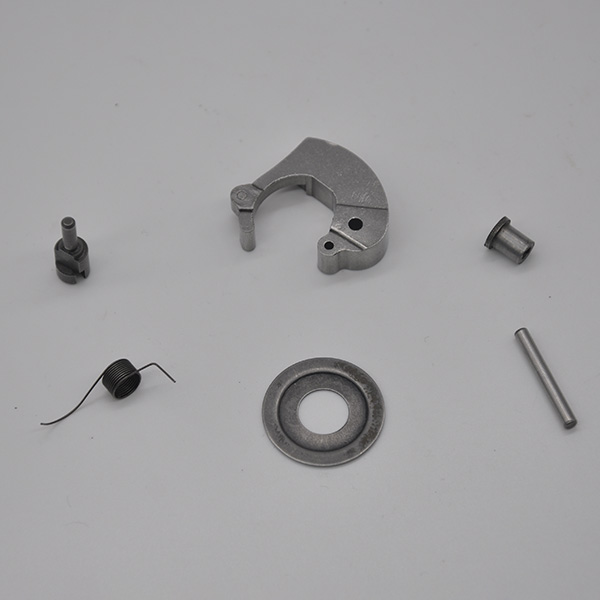
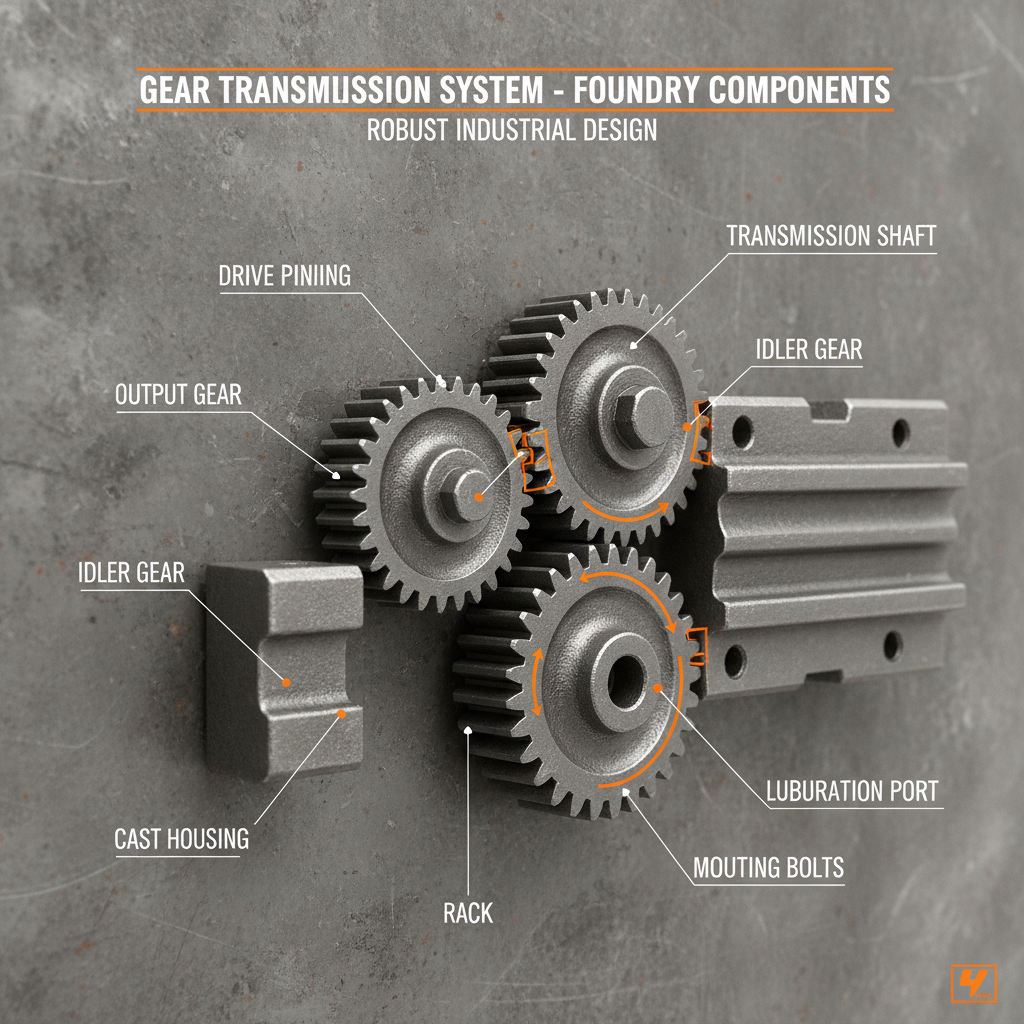
Fig 1: Precision engineering for camshaft manufacturing.
1. Casting:
2. Forging:
3. CNC Machining from Billet:
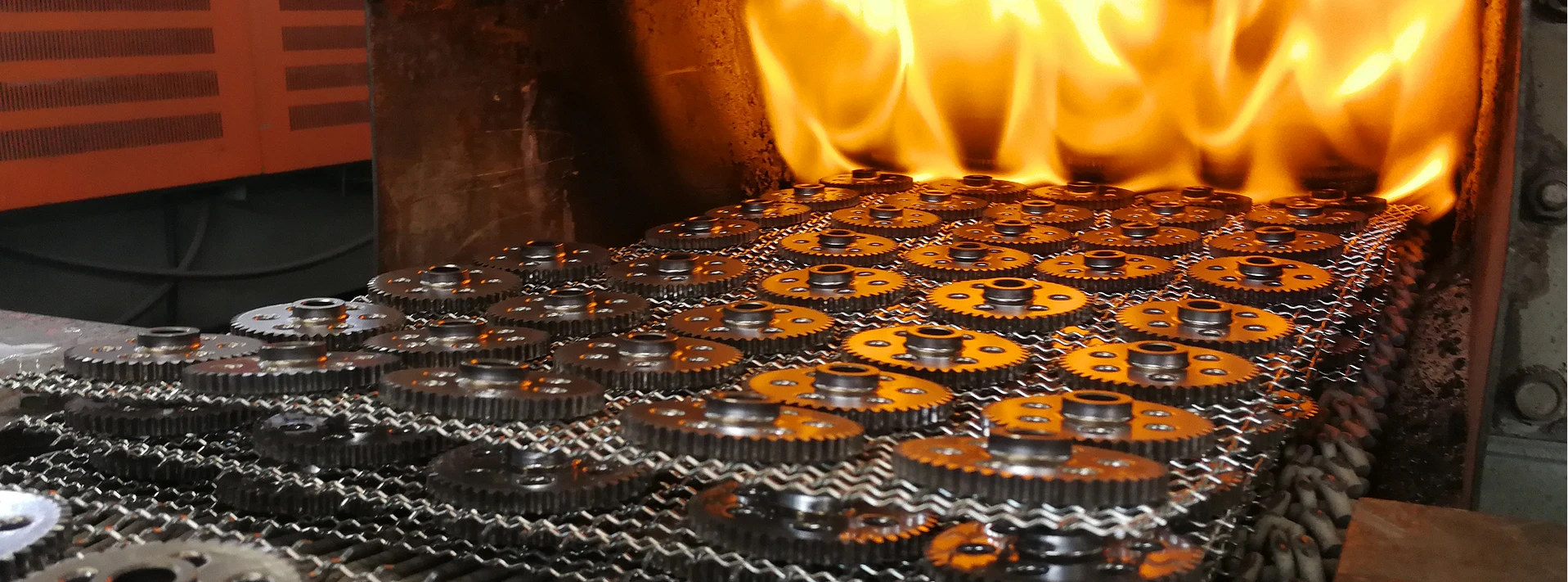
4. Powder Metallurgy (Sintering) - Applied to OEM New Activa Engine Camshaft Decompression Valve/Accessories:
This process is particularly relevant for components like the OEM new activa engine camshaft decompression valve/accessories, where complex shapes and integrated features are required with high precision and cost-efficiency.
Inspection Standards: Adherence to international standards like ISO 9001 (Quality Management Systems) is fundamental. Additionally, specific product standards (e.g., ANSI, DIN) and OEM specifications are followed. For critical components, non-destructive testing (NDT) such as magnetic particle inspection or eddy current testing ensures material integrity and defect detection. Our products undergo rigorous testing to meet or exceed OEM standards, ensuring optimal performance for your camshaft replacement.
Service Life: A well-manufactured camshaft using quality materials can last for hundreds of thousands of miles or thousands of operating hours. Factors influencing service life include engine maintenance (oil quality, change intervals), operating conditions (temperature, load), and the quality of the initial component and its associated valvetrain parts. Our components are engineered for extended durability, reducing the need for premature camshaft replacement.
Application Scenarios and Industry Benefits
Camshafts are at the heart of any internal combustion engine, making their application ubiquitous across various sectors.
- Automotive Industry: From passenger vehicles to commercial trucks and buses, camshafts are vital. Our OEM new activa engine camshaft decompression valve/accessories specifically targets the high-demand scooter market, ensuring reliable starting and smooth operation for honda engine parts.
- Motorcycle Sector: High-performance and commuter motorcycles alike rely on precisely timed valvetrains. The synergy with components like motorcycle engine sprockets is critical for the overall powertrain efficiency.
- Industrial Engines: Powering generators, pumps (applicable in sectors like water supply/drainage, petrochemical for fluid transfer), construction equipment, and agricultural machinery. The demands here are for extreme durability and consistent performance under heavy loads.
- Marine Engines: Ensuring reliable propulsion in harsh saltwater environments.
- Aerospace (limited): Some propeller-driven aircraft still utilize piston engines.
In these diverse applications, the advantages of high-quality components and a precise camshaft replacement are clear:
- Energy Efficiency: Optimized valve timing leads to better combustion and reduced fuel consumption.
- Reduced Emissions: Proper valvetrain operation ensures complete combustion, minimizing harmful pollutants.
- Enhanced Durability and Reliability: Components engineered from superior materials and precision manufactured resist wear and fatigue, leading to longer service intervals and fewer breakdowns.
- Corrosion Resistance: Especially important in marine or petrochemical environments, specific material treatments (like steam treatment for sintered parts) can enhance resistance.
- Noise and Vibration Reduction: Precisely ground cam lobes ensure smoother valve operation, leading to a quieter and more refined engine.
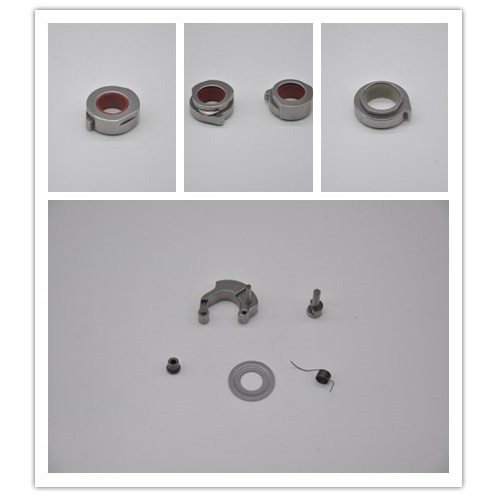
Fig 2: Integrated decompression valve for easier engine starting.
Product Spotlight: OEM new activa engine camshaft decompression valve/accessories
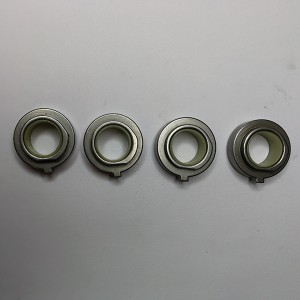
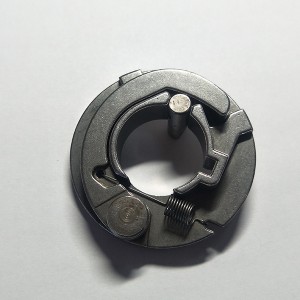
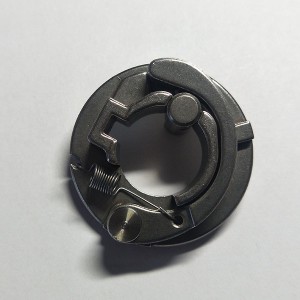
Our OEM new activa engine camshaft decompression valve/accessories, available at https://www.jssintering.com/oem-new-activa-engine-camshaft-decompression-valve-accessories.html, is a prime example of advanced powder metallurgy applied to a critical honda engine part. This component integrates a decompression valve mechanism directly into the camshaft, a feature specifically designed to facilitate easier engine starting, particularly in smaller displacement engines like those found in the Honda Activa scooter.
The decompression valve temporarily relieves cylinder compression during the initial cranking phase, reducing the effort required to start the engine (especially with a kick-start or for smaller electric starters). Once the engine fires, centrifugal force typically disengages the valve, allowing the engine to build full compression. This ingenious design improves user experience and extends the life of the starting system.
Manufactured using state-of-the-art sintering technology, this camshaft offers:
- Precise Geometry: The powder metallurgy process allows for complex net-shapes, ensuring the decompression mechanism integrates flawlessly and operates with extreme accuracy.
- Optimized Material Properties: Engineered metal powder blends provide excellent wear resistance for the cam lobes and robust structural integrity for the entire component.
- Cost-Effectiveness: Sintering minimizes material waste and post-processing, making it an economically viable solution for high-volume OEM production without compromising quality.
- Durability: Designed to withstand the rigors of daily use, ensuring a long service life for your Activa.
Comparative Analysis: Choosing the Right Camshaft Replacement Supplier
When considering a camshaft replacement, particularly for sensitive components like those with integrated decompression valves, the choice of manufacturer is paramount. Quality, reliability, and support are key differentiators.
Manufacturer Comparison Factors:
| Factor | Premium OEM/Specialized Manufacturer (e.g., JSSintering) | Aftermarket Budget Manufacturer |
|---|---|---|
| Material Quality | High-grade, precisely blended metal powders (for PM) or aerospace-grade alloys, with certified compositions. | Standard or lower-grade materials; composition may vary. |
| Manufacturing Precision | State-of-the-art CNC machining, advanced sintering, tight tolerance control (e.g., within 0.005 mm). Adherence to ISO/OEM standards. | Basic machining, wider tolerances, potential for inconsistencies. |
| Heat Treatment & Surface Finish | Advanced heat treatment processes (carburizing, nitriding, steam treatment for PM) for optimal hardness and wear resistance. Superior surface finishes (Ra | Minimal or inconsistent heat treatment, rougher surface finishes. |
| R&D and Design Capabilities | In-house R&D, continuous improvement, custom design capabilities for specific engine requirements, simulation and testing. | Primarily reverse-engineering existing designs, limited R&D. |
| Quality Control & Testing | Multi-stage QC, comprehensive testing (dimensional, metallurgical, non-destructive, performance validation). ISO 9001 certified. | Basic visual inspection, limited or no performance testing. |
| Product Durability & Service Life | Engineered for long service life, often matching or exceeding OEM specifications. | Shorter service life, increased risk of premature failure. |
| Technical Support & Warranty | Extensive technical support, robust warranty periods, clear return policies. | Limited or no technical support, short or no warranty. |
| Price Point | Higher initial investment, but superior long-term value due to reliability and performance. | Lower initial cost, but potential for higher overall cost due to frequent replacement and engine damage. |
JSSintering distinguishes itself through its specialization in advanced powder metallurgy, enabling us to produce components like the OEM new activa engine camshaft decompression valve/accessories with exceptional precision, integrated functionality, and durability that meets or exceeds original equipment specifications. Our commitment to quality ensures that every camshaft replacement from us provides reliable, long-lasting performance.
Customized Solutions and Application Cases
Beyond standard OEM replacements, leading manufacturers often provide customized camshaft solutions for specific performance needs or unique engine configurations. This can range from bespoke lobe profiles for racing applications to specialized materials for extreme industrial environments.
Customization Options:
- Profile Optimization: Designing cam lobes for specific power bands (e.g., more low-end torque or high-RPM horsepower).
- Material Upgrades: Utilizing advanced alloys or specialized heat treatments for enhanced wear resistance or strength in demanding conditions.
- Integrated Features: Developing camshafts with unique integrated mechanisms, similar to our decompression valve for easier starting.
- Batch Production: Tailored production runs for niche markets or specialized equipment.
Application Cases:
Our components are deployed in a variety of scenarios, demonstrating their versatility and reliability:
Case Study 1: Enhanced Starting Reliability for Urban Commuters
A fleet of delivery scooters, predominantly Honda Activa models, experienced frequent issues with hard starting, particularly in colder climates, leading to increased wear on starter motors and reduced operational efficiency. After implementing our OEM new activa engine camshaft decompression valve/accessories for camshaft replacement across their fleet, the vehicles showed a marked improvement in starting ease. The integrated decompression valve consistently reduced the cranking effort, extending battery life by 20% and significantly decreasing downtime for starter-related repairs. This direct application in honda engine parts demonstrated tangible operational benefits.
Case Study 2: Extending Service Life in Industrial Pumps
An industrial client operating large-scale water supply and drainage pumps encountered premature wear of camshafts in their heavy-duty diesel engines due to continuous high-load operation. Working with us, they explored our high-density sintered camshafts, designed with enhanced surface hardness through specialized heat treatment. The camshaft replacement resulted in a 30% increase in the service interval, reducing maintenance costs and improving pump uptime. This showcases the benefit of specialized material engineering in demanding industrial environments.
These cases underscore our commitment to providing solutions that not only meet but exceed performance expectations, contributing to significant operational savings and improved reliability for our clients.
Data Visualization: Key Parameters for Camshaft Replacement
Understanding the various technical specifications for camshafts is crucial for appropriate selection and successful camshaft replacement. Below is a table summarizing common parameters found when researching camshafts, emphasizing the diversity in design and application.
| Parameter | Typical Range/Value (General Camshafts) | Significance | Relevance to OEM Activa Camshaft |
|---|---|---|---|
| Material | Chilled Cast Iron, Ductile Iron, Forged Steel, Sintered Steel | Determines strength, wear resistance, and manufacturing cost. | Sintered Steel is key for our product, offering precision and cost-efficiency. |
| Hardness (Cam Lobe) | 50-60 HRC (Cast Iron), 55-65 HRC (Forged/Sintered Steel, surface hardened) | Critical for wear resistance against valve lifters/rocker arms. Higher is better for durability. | Achieved through controlled sintering and secondary heat treatment. |
| Lobe Lift | 6mm - 15mm+ (varies greatly by engine type/performance) | Directly impacts valve opening distance and thus airflow into engine. | Optimized for Activa engine's power and efficiency curve. |
| Lobe Duration | 180-320 degrees (crankshaft angle, at 0.050" lift) | Influences power band, idle quality, and emissions. | Precision engineered for smooth idle and efficient operation. |
| Base Circle Diameter | Typically 25mm - 40mm (varies by design) | Affects clearance and overall cam dimension. | Precisely controlled for proper valvetrain geometry. |
| Surface Roughness (Ra) | 0.1 - 0.4 micrometers (for cam lobes) | Low roughness reduces friction and wear, prolonging life. | Superior surface finish achieved through precise grinding and polishing. |
| Manufacturing Method | Casting, Forging, Billet CNC, Powder Metallurgy (Sintering) | Impacts material properties, precision, and cost. | Powder Metallurgy is our core strength for this product. |
| Fatigue Limit | Variable (related to material strength and design) | Resistance to cracking under cyclical loading. Essential for long-term reliability. | Designed for high fatigue resistance, critical for engine lifespan. |
| Decompression Mechanism | Yes/No (mechanical, centrifugal) | Feature for easier engine starting, especially in smaller engines. | Integrated and precisely calibrated in our Activa camshaft. |
FAQ: Expert Answers on Camshaft Replacement and Technology
The camshaft is responsible for opening and closing the engine's intake and exhaust valves at precisely timed intervals. Its lobes are designed to control the lift, duration, and overlap of valve operation, which directly impacts engine performance, fuel efficiency, and emissions.
Common symptoms include abnormal engine noises (ticking or knocking from the valvetrain), reduced engine power or acceleration, increased fuel consumption, rough idling, misfires, or illuminated check engine light with relevant diagnostic trouble codes related to camshaft position or timing.
Our OEM new activa engine camshaft decompression valve/accessories is manufactured using advanced sintered steel through powder metallurgy. This material choice allows for exceptional precision in forming complex integrated features like the decompression valve, provides excellent wear resistance and structural integrity, and is a cost-effective solution for high-volume OEM quality production.
The integrated decompression valve is a small mechanical mechanism within the camshaft that temporarily slightly opens an exhaust valve during the engine's cranking cycle. This releases compression, making it easier for the starter motor or kick-start mechanism to turn the engine over. Once the engine speed increases after starting, centrifugal force causes the valve to retract, allowing the engine to build full compression for normal operation.
We adhere to stringent quality management systems, including ISO 9001 certification. Our camshafts undergo rigorous testing for dimensional accuracy, metallurgical integrity, hardness, and performance validation to ensure they meet or exceed OEM specifications. This commitment ensures reliable camshaft replacement parts.
Delivery times can vary depending on order volume, customization requirements, and shipping destination. For standard OEM new activa engine camshaft decompression valve/accessories, we typically aim for a lead time of 4-6 weeks for bulk orders, following order confirmation and payment. Expedited shipping options may be available upon request. Please contact our sales team for precise timelines.
Yes, we stand behind the quality of our products. All our camshafts, including the OEM new activa engine camshaft decompression valve/accessories, come with a comprehensive warranty against manufacturing defects. Specific warranty terms and durations are provided with each purchase, typically covering a period that assures confidence in the part's durability and performance. Our customer support team is readily available to assist with any warranty-related inquiries.
Why Choose JSSintering for Your Camshaft Replacement Needs?
JSSintering is not just a manufacturer; we are innovators in precision metal component fabrication, with a deep specialization in powder metallurgy. Our dedication to research and development, coupled with decades of experience, positions us as a leader in producing critical engine parts like camshafts and motorcycle engine sprockets.
- Unmatched Expertise: Our team comprises engineers and metallurgists with extensive knowledge in material science, component design, and advanced manufacturing processes, particularly sintering.
- Proven Track Record: We have a history of successful partnerships with major OEMs and aftermarket clients, consistently delivering high-performance, reliable components.
- Quality Assurance: Adherence to global standards like ISO 9001 and rigorous in-house quality control protocols ensure every product meets the highest benchmarks.
- Customer-Centric Approach: From initial consultation and customized solutions to post-sales support and warranty, our focus is on building long-term relationships and ensuring client satisfaction.
- Technological Edge: Investing continuously in cutting-edge machinery and process refinement to stay ahead of industry demands.
When you choose JSSintering for your camshaft replacement, you're investing in performance, durability, and peace of mind.
References and Further Reading:
-
For more on powder metallurgy in automotive applications:
Metal Powder Industries Federation (MPIF) - Automotive ApplicationsThis resource provides insights into the role of powder metallurgy in modern vehicles, including engine components.
-
For detailed technical aspects of camshaft design and manufacturing:
SAE International - Camshaft Design and Manufacturing Considerations (Example of a research paper, actual link may vary)SAE (Society of Automotive Engineers) publications are authoritative sources for automotive engineering. (Note: Specific paper link is an example, actual search on SAE Mobilus may yield relevant results).
-
Discussion on common engine component wear and tear, including camshafts:
Machinery Lubrication - Engine Wear Mechanisms (General industry article)This provides a broader context on how engine components, including camshafts, experience wear and tear over their operational life.