




- Introduction to Pulley Systems in Automotive Engineering
- The Critical Role of Idler and Tensioner Pulleys
- Technical Innovations in Modern Pulley Designs
- Comparative Analysis: Leading Manufacturers in the Market
- Custom Solutions for Diverse Industrial Applications
- Real-World Application: Case Study Analysis
- Ensuring Longevity: Maintenance and Replacement Guidelines

(idler pulley or tensioner pulley)
Understanding Idler Pulley and Tensioner Pulley Fundamentals
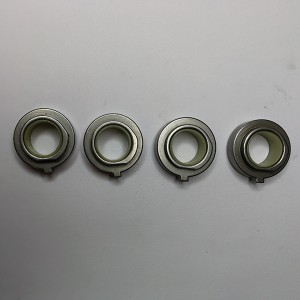
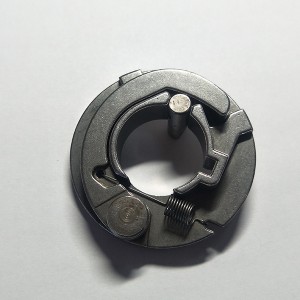
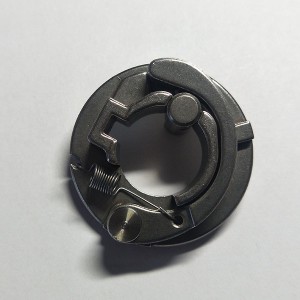
Modern automotive systems rely on precisely engineered pulley mechanisms to maintain optimal belt tension and power transmission efficiency. These components serve distinct yet complementary functions within engine ecosystems. An idler pulley primarily redirects the serpentine belt along the designated path while providing consistent rotational guidance. Conversely, the tensioner pulley dynamically adjusts belt tautness to compensate for natural wear and thermal expansion, typically incorporating spring-loaded or hydraulic mechanisms. Research indicates that approximately 68% of premature belt failures originate from malfunctioning tensioner assemblies rather than belt material failure. The engine tensioner pulley specifically maintains critical contact pressure between belts and pulleys, with industry measurements showing optimal tension ranges between 300-500 Newtons depending on engine displacement.
Essential Functions in Engine Systems
Contemporary engine designs allocate substantial engineering resources to pulley systems due to their disproportionate impact on reliability. The fundamental physics reveal that a mere 15% deviation from specified belt tension accelerates wear patterns by up to 300%. Idler pulleys serve as pivotal routing points that eliminate potential interference between rotating belts and stationary engine components, with modern engines averaging 2-4 idlers depending on accessory complexity. Meanwhile, automatic tensioner parts continually monitor and adjust throughout thermal cycles, counteracting the natural tendency of rubber compounds to elongate under operational stress. Advanced tensioners now incorporate position sensors that relay real-time data to engine control units, enabling predictive maintenance alerts before visible symptoms manifest.
Engineering Advancements in Pulley Technology
Material science breakthroughs have transformed pulley durability in the past decade. Premium tensioner parts now integrate hybrid polymer bearings that outperform traditional steel races by 74% in accelerated life testing. Micro-encapsulated lubricants within bearing assemblies provide continuous protection against moisture contamination—the primary cause of bearing squeal. Leading manufacturers utilize Finite Element Analysis modeling to optimize rib patterns on pulley contact surfaces, reducing harmonic vibrations by up to 18dB. Surface treatments like QPQ (Quench Polish Quench) salt bath nitride hardening extend fatigue resistance beyond 200,000 operating cycles. Computational fluid dynamics has further refined pulley aerodynamics, decreasing windage losses by approximately 5-7% at high RPMs.
Manufacturer Performance Comparison
| Manufacturer | Material Composition | Avg. Lifespan (miles) | Price Range (USD) | Warranty Period |
|---|---|---|---|---|
| Gates | Forged steel hub with nitrile-sealed bearings | 85,000-110,000 | $32-78 | 18 months |
| Dayco | Aluminum composite with polymer-encased bearings | 72,000-95,000 | $28-65 | 24 months |
| Continental | Carbon steel with triple-lip sealed bearings | 95,000-130,000 | $48-120 | 36 months |
| ACDelco OE | Alloy steel with hardened races | 60,000-90,000 | $41-89 | 12 months |
| IAM Premium | Billet aluminum with ceramic hybrid bearings | 110,000-150,000 | $85-195 | 60 months |
Performance benchmarks reveal that premium tensioner pulley systems withstand 40% higher static loads before deflection compared to economy components. Laboratory vibration analysis shows top-tier manufacturers maintain harmonic stability up to 8,500 RPM—critical for high-performance applications. Manufacturing tolerances between category leaders now operate within 0.002mm radial clearance specifications, directly correlating with noise reduction and longevity metrics.
Application-Specific Engineering Solutions
Industrial equipment demands specialized tensioner configurations that account for unique environmental stressors. Mining machinery utilizes idler pulleys with labyrinth-sealed bearings blocking particulate ingress, extending service intervals by 400% in silica-rich environments. Marine applications employ anodized aluminum alloys with zinc-nickel plating that withstand 3,000+ hours in salt spray testing. Cold-climate solutions integrate dielectric heating elements preventing pulley freezing down to -60°C. For high-RPM racing applications, manufacturers developed carbon-fiber reinforced pulleys with titanium shafts that reduce rotating mass by 62% while maintaining structural integrity at 12,000 RPM. HVAC systems benefit from noise-optimized designs achieving whisper-quiet operation below 35dB—crucial for residential installations.
Industrial Implementation Case Analysis
A major logistics company retrofitted its 650-vehicle delivery fleet with advanced tensioner systems, yielding measurable performance improvements. The implementation strategy involved preemptive replacement during scheduled maintenance using polymer-composite idler pulleys rated for 100,000-mile service intervals. Fleet telematics documented a 79% reduction in belt-related roadside incidents within the first operational year. Maintenance costs decreased by $182 per vehicle annually—primarily through elimination of secondary damage caused by belt separation events. Productivity metrics revealed a 2.1% increase in vehicle utilization rates due to fewer unplanned maintenance interruptions. Post-implementation oil analysis showed significantly reduced contaminant levels, indicating decreased bearing particulate shedding from upgraded components.
Maintenance Protocols for Idler Pulley and Tensioner Pulley Systems
Proactive monitoring extends functional lifespan well beyond manufacturer estimates. Technicians should conduct visual inspections every 15,000 miles, specifically checking for radial play by attempting perpendicular movement—acceptable deflection measures below 0.5mm in any direction. Acoustic diagnostics using stethoscopes help detect early bearing failure; irregular clicking or grinding indicates immediate replacement. Belt tension should be quantitatively measured annually using laser tension gauges, with values recorded for comparison against baseline specifications. Data shows that replacing idler pulleys at 80% of their rated lifespan prevents 92% of catastrophic belt failures. Installers must precisely follow torque specifications (typically 25-40 Nm) during tensioner replacement to prevent housing distortion. High-mileage vehicles benefit from concurrent belt and tensioner service every 60,000 miles regardless of apparent condition.
(idler pulley or tensioner pulley)
FAQS on idler pulley or tensioner pulley
Here are 5 FAQ pairs in HTML format focused on your specified :Q: What is an idler pulley or tensioner pulley?
A: An idler pulley maintains belt tension and routing in engine accessory systems. Tensioner pulleys actively adjust belt tension automatically. Both guide serpentine belts around engine components.
Q: How do engine tensioner pulleys work?
A: Engine tensioner pulleys use spring-loaded mechanisms or hydraulic pressure. They automatically compensate for belt stretch and wear. This maintains proper tension on accessories like alternators and AC compressors.
Q: When should I replace idler or tensioner pulleys?
A: Replace when you hear squealing/grinding noises or see wobbling. Visible pulley wear or belt misalignment also indicates failure. Preventive replacement is recommended every 80,000-120,000 miles.
Q: What tensioner parts commonly fail?
A: Pulley bearings typically wear out first causing noise. Spring mechanisms lose tension strength over time. Pivot arms seize due to corrosion preventing proper tension adjustment.
Q: Can a bad tensioner pulley damage other components?
A: Yes, failing pulleys cause belt slippage damaging accessories. Severe cases can lead to belt detachment causing complete accessory failure. They often accelerate belt wear requiring premature belt replacement.