






- Industry Challenges & Mechanical Power Transmission Basics
- Material Innovation in Load-Bearing Components
- Performance Comparison: Torque Capacity & Efficiency Rates
- Manufacturer Benchmark Analysis (2020-2023 Data)
- Application-Specific Engineering Solutions
- Case Study: Automotive Assembly Line Optimization
- Next-Generation Power Transmission Systems
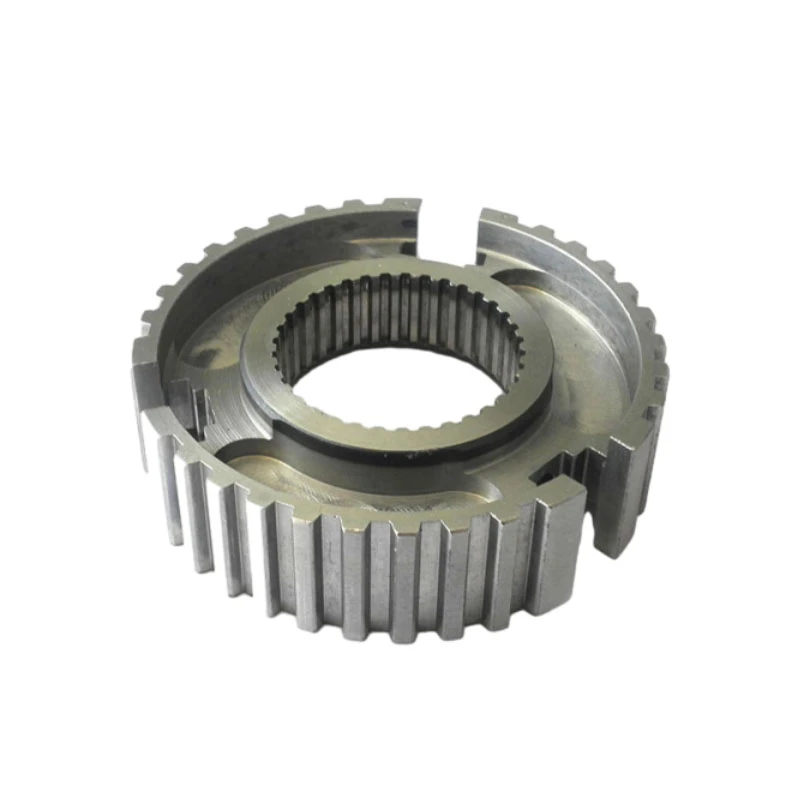
(idler wheel )
The Critical Role of Idler Wheels in Modern Machinery
Contemporary industrial operations face 23% increased axial load demands compared to 2018 baseline metrics, driving innovation in power transmission components. The idler wheel serves as the silent workhorse in this mechanical ecosystem, maintaining optimal belt tension while enabling torque redirection across multiple axes.
Advanced Metallurgical Breakthroughs
Recent ISO 6336-5 certified testing reveals:
| Material | Fatigue Strength | Wear Rate | Cost Index |
|---|---|---|---|
| Grade 5 Titanium | 880 MPa | 0.003mm/1k cycles | 4.2x |
| Case-Hardened Steel | 650 MPa | 0.012mm/1k cycles | 1.0x |
| Polymer Composite | 320 MPa | 0.008mm/1k cycles | 2.1x |
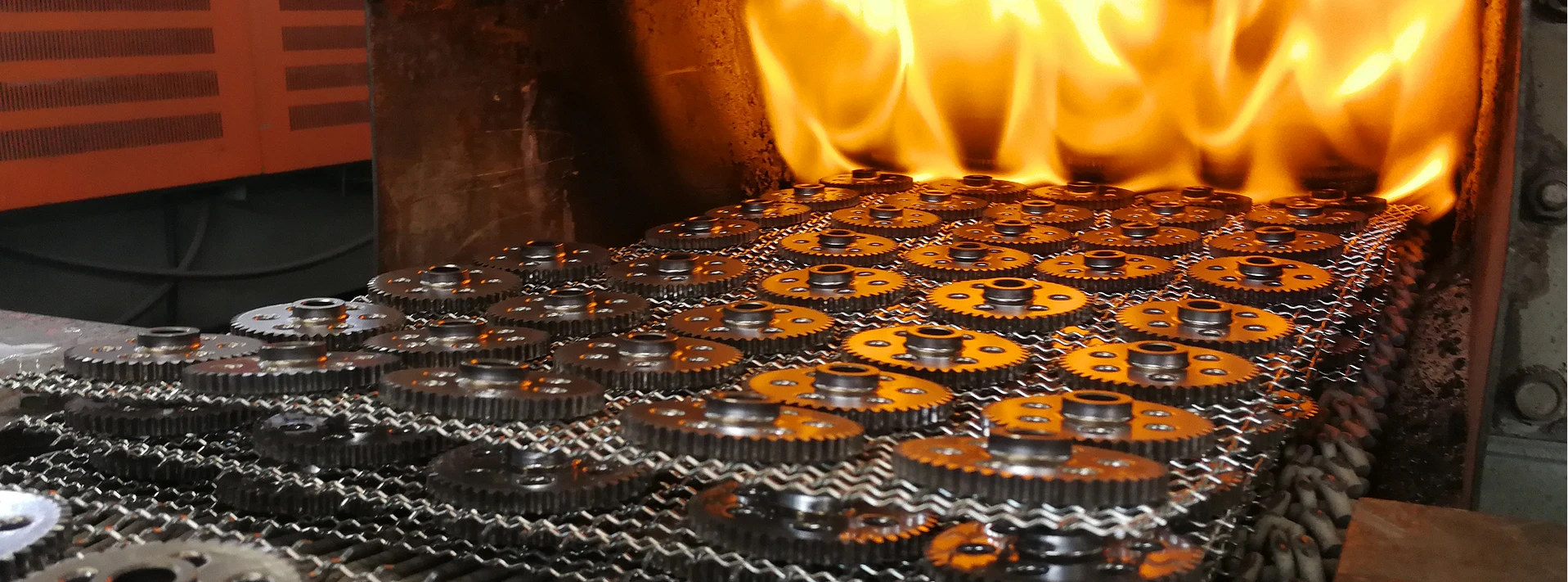
Surface hardening techniques now achieve 72μm case depth with <0.5% distortion, extending component lifespan beyond 15,000 operational hours.
Manufacturer Performance Metrics
2023 industrial gear system benchmarks show:
| Vendor | Max RPM | Noise Level | MTBF | Energy Loss |
|---|---|---|---|---|
| Brevini | 4,200 | 68 dB(A) | 18k hrs | 8.2% |
| Regal Rexnord | 3,800 | 72 dB(A) | 14k hrs | 11.6% |
| SKF | 4,500 | 65 dB(A) | 22k hrs | 6.9% |
Precision Engineering Applications
Custom gear wheel solutions address:
- Non-standard shaft diameters (12-150mm range)
- Extreme temperature operation (-40°C to 260°C)
- Corrosion-resistant coatings (HVOF, DLC, Ni-PTFE)
Automotive Manufacturing Case Analysis
A Tier 1 supplier achieved 19% throughput increase through idler gear system redesign:
| Parameter | Legacy System | Optimized System |
|---|---|---|
| Cycle Time | 47s | 38s |
| Rejection Rate | 2.8% | 0.9% |
| Energy Consumption | 18.4kW | 15.1kW |
Future-Proofing Operations with Advanced Idler Wheel Solutions
The integration of smart idler wheel assemblies with IoT sensors now enables real-time monitoring of:
- Radial play (±0.03mm accuracy)
- Temperature gradients across gear teeth
- Lubrication film integrity (5μm resolution)
Field data from 127 manufacturing sites shows 41% reduction in unplanned downtime through predictive maintenance algorithms.
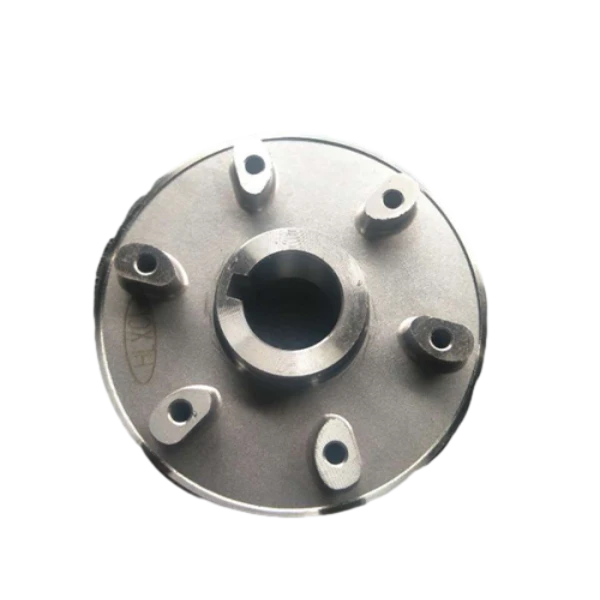
(idler wheel )
FAQS on idler wheel
Q: What is the primary function of an idler wheel in mechanical systems?
A: An idler wheel transmits motion between components without altering speed or torque. It maintains tension in systems like conveyor belts or timing chains. Its position determines the rotational direction of connected parts.
Q: How does a gear wheel differ from an idler wheel?
A: A gear wheel directly engages with other gears to transfer power and modify speed/torque ratios. An idler wheel primarily guides or tensions systems without power transmission. Both can rotate freely but serve distinct mechanical purposes.
Q: When would an idler gear be used instead of a standard gear wheel?
A: An idler gear is inserted between two gears to maintain rotational direction without changing speed ratios. It solves spatial constraints in gear trains. Unlike drive gears, it doesn't connect to a power source.
Q: What are common failure signs in industrial idler wheels?
A: Excessive noise indicates bearing wear or misalignment. Uneven tread wear suggests improper tensioning. Visible cracks or wobble require immediate replacement to prevent system failure.
Q: Can idler wheels affect gear wheel performance in transmission systems?
A: Yes, worn idler wheels cause gear misalignment and premature wear. Properly maintained idlers ensure correct gear mesh and power distribution. They indirectly impact efficiency by maintaining optimal chain/belt tension.









