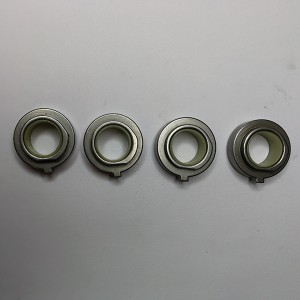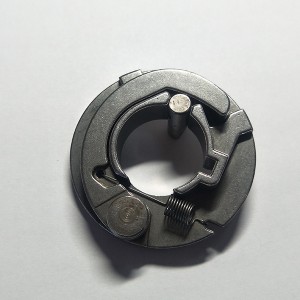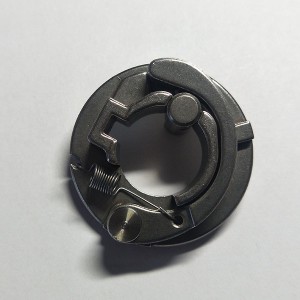





The Unsung Component: Why Juicer Gear Matters More Than You Think
At first glance, juicer gear might seem like a niche topic — a tiny cog in the vast machinery of food processing. But, oddly enough, these gears are the linchpin that keeps many juicers humming smoothly, directly influencing efficiency, durability, and safety worldwide. For the global food industry, smaller manufacturing setups, and even humanitarian aid operations relying on nutrient-extraction devices, understanding juicer gear is surprisingly vital. The better these gears perform, the fresher, faster, and more cost-effectively juice gets to tables everywhere.
Plus, with global demands for healthier living and sustainable food tech rising, refining even the tiniest parts promises a domino effect across supply chains. Let's unwrap this one piece of the puzzle — not just for techies, but for curious minds who believe small details can yield big changes.
juicer gearGlobal Juicer Gear: The Quiet Workhorse Behind Modern Food Solutions
According to recent ISO guidelines, the global food machinery market is expected to hit $60 billion by 2027, with juicing devices playing a notable role. Now, here’s the kicker: almost 40% of failures in juicers are traced back to mechanical component wear — yes, mostly the gears. Without reliable juicer gear, processors can’t meet increasing standards for hygiene, speed, or power efficiency.
Moreover, in parts of Asia and Africa where electrification and mechanized food production are still catching up, robust juicer gear enables safer and cleaner juice production, directly impacting nutrition and local economies. It’s a subtle but profound link between technology and basic human needs.
But it’s not without challenges — mechanical wear, material fatigue, and cost constraints keep manufacturers on their toes.
What Exactly Is Juicer Gear?
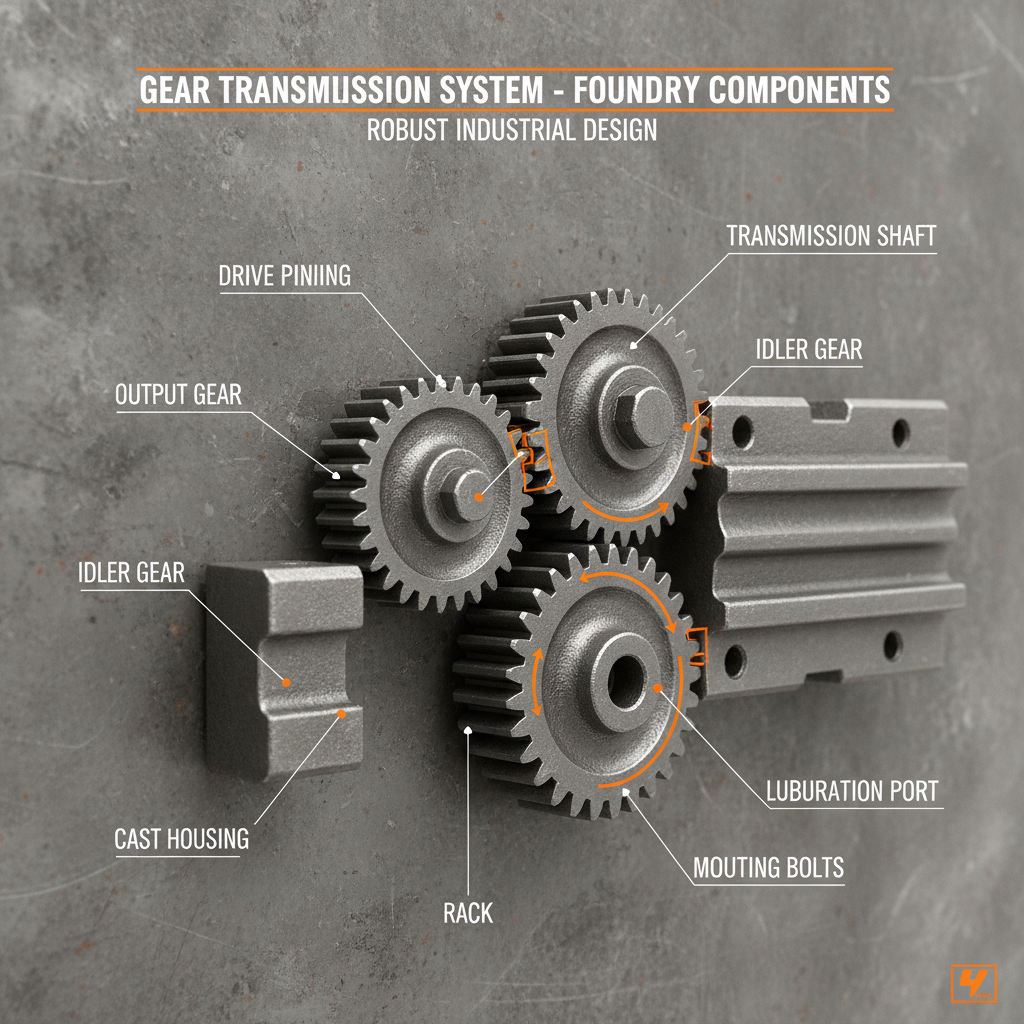
Simply put, juicer gear refers to the assortment of interlocking toothed wheels inside a juicer that transfer rotational motion from the motor to the crushing and squeezing parts. These gears translate electrical energy into the physical force needed to press, grind, or shred fruits and vegetables.
In modern industry or humanitarian supply contexts, juicer gear often has to be unusually durable and maintenance-friendly. After all, in remote areas without immediate tech service, these components keep nutrition pumping, literally.
Core Components and Design Considerations
1. Durability: The Backbone of Juicer Gear
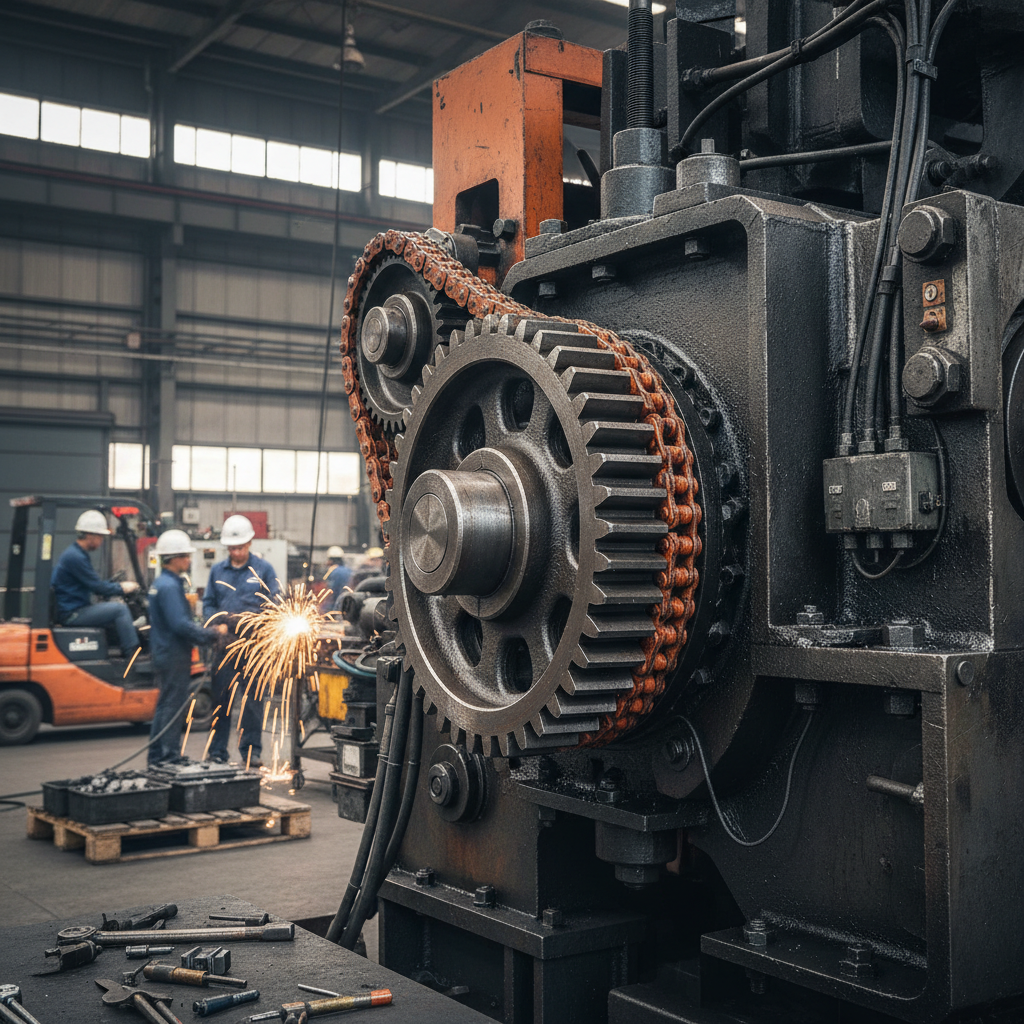
One would think concrete strength is enough. Yet many engineers say the true challenge lies in wear resistance against acids, fibers, and seasonal moisture variations. Materials from hardened steel to advanced sintered alloys offer differing trade-offs between weight, cost, and longevity.
2. Efficiency and Noise Reduction
A less obvious priority! Juicer gear must spin with minimal friction to avoid undue energy loss and annoying noise. Enhanced tooth shapes and coating techniques aim to fine-tune the balance between power efficiency and user comfort.
3. Scalability: From Home Models to Industrial Units
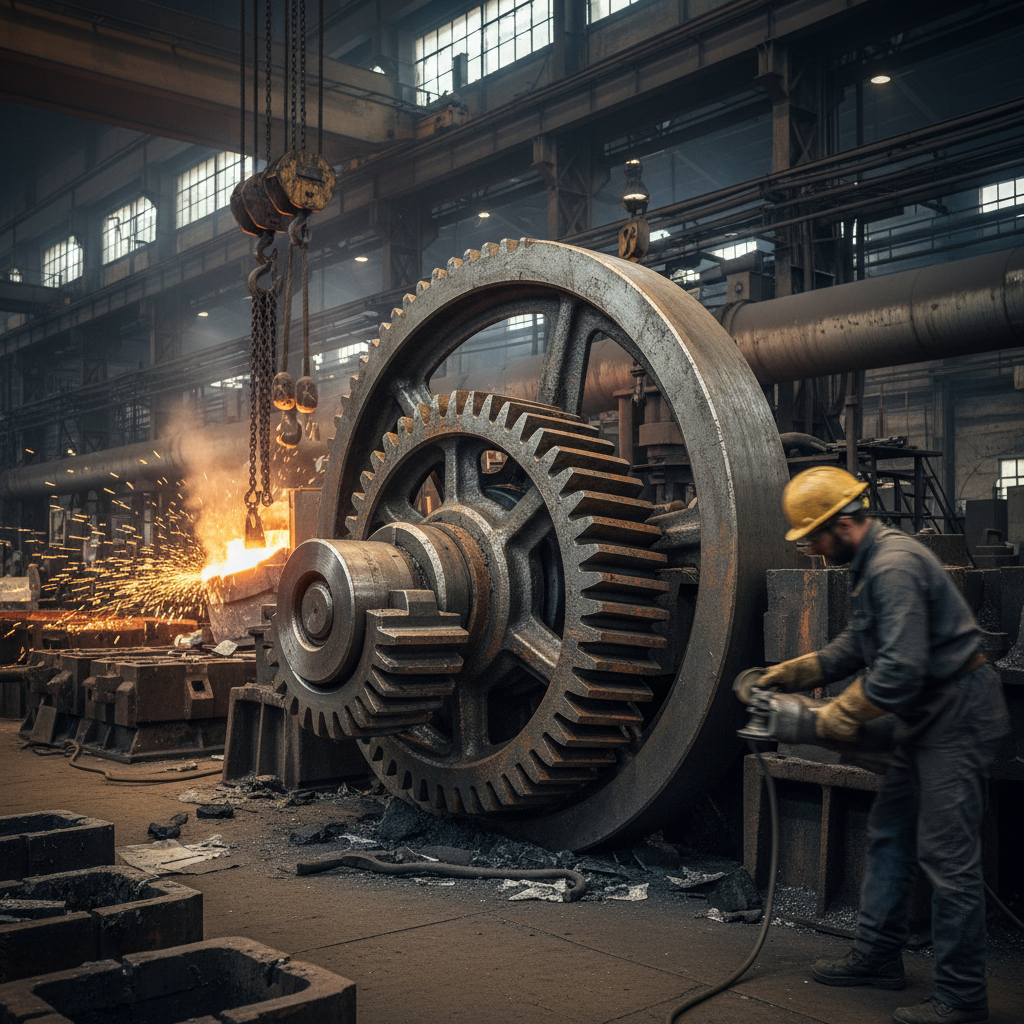
The size and torque requirements vary dramatically. Home juicer gear is usually compact and lightweight, while industrial gear may be large, with specialized teeth designed for high torque and continuous operation.
4. Cost Efficiency and Replaceability
Manufacturers often design juicer gear with modularity in mind. Replacing a single gear is cheaper than switching an entire gear train. This matters not just in affluent markets but also in developing zones.
Practical Uses Around the Globe
Juicer gear shows up in unexpected places. Take Indonesia: small rural co-ops use manual and electric juicers with custom gears to process tropical fruits, supporting local livelihoods. In urban Europe, compact, precision juicer gear helps cafes keep up with the cold-pressed juice craze.
Post-disaster relief programs have turned to mobile juicing units that rely on rugged juicer gear. These units turn donated fruits into drinks, offering hydration and vitamins where fresh produce supply lines are disrupted.
| Specification | Details |
|---|---|
| Material | Hardened Stainless Steel / Sintered Alloy |
| Module (Teeth Size) | 1.5 to 2.5 mm |
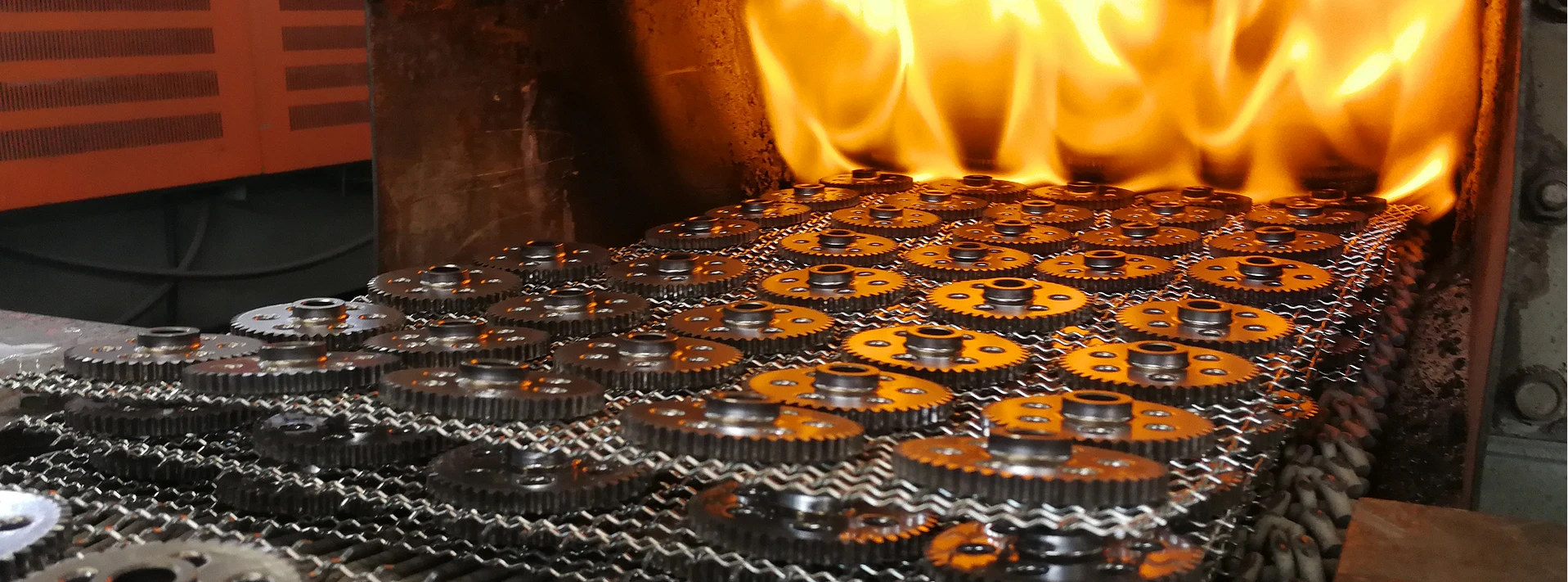
| Surface Coating | PTFE / Nitride Coating for Reduced Friction |
| Typical Lifespan | 10,000-15,000 Operational Hours |
| Operating Temperature | -10°C to +85°C |
| Noise Level | Below 60 dB (at 1500 RPM) |
Mini Takeaway:
Durability, efficiency, and adaptability top the list when it comes to juicer gear specs. It’s a small piece with rather big expectations.
Comparing Top Vendors for Juicer Gear
| Vendor | Materials Used | Customization | Lead Time | Average Price (per unit) |
|---|---|---|---|---|
| GearWorks Inc. | Hardened Steel / PTFE Coated | High (custom tooth profiles) | 3 weeks | $45 - $60 |
| SinterTech Corp. | Sintered Alloy / Nitride Coating | Medium (standard modules) | 2 weeks | $37 - $50 |
| EcoGear Ltd. | Recycled Steel / Organic Lubricants | Low (standardized range) | 4 weeks | $30 - $42 |
Advantages & Long-Term Value of Quality Juicer Gear
First off, robust juicer gear means fewer breakdowns and lower maintenance — that’s a direct hit on operating costs. But we can also see the social ripple effects: reliable juicers mean constant access to fresh juices for hydration, improved nutrition, and even income in small farming communities. There’s a strange kind of dignity in knowing the tiny gear still turns, day after day, whatever your income level or geography.
From an engineering perspective, innovation in juicer gear has brought quieter operation, less waste heat, and improved eco-friendliness thanks to better alloys and coatings. Customers no longer dread that angry grinding noise; instead, they get sleek operation. Frankly, it feels like juicer gear is a quiet revolution in how we process food.
Emerging Trends Shaping Juicer Gear
The push for sustainability is hard to ignore. Green gears made from recycled metals and biolubricants are gaining traction. Digitally enhanced manufacturing, like 3D printing for custom gear shapes, opens doors previously closed due to tooling complexity. Automation and IoT sensors are starting to monitor gear wear in real-time, promising predictive maintenance and longer gear life.
One cool tidbit: some companies are exploring magnetic gear systems to reduce mechanical contact altogether. It feels futuristic, yet it’s where juicer gear could be headed.
Common Challenges & How They're Tackled
- Wear and Tear: Acidic fruit oils can degrade gear surfaces. Solutions? Improved coatings and acid-resistant alloys.
- Noise and Vibration: That grinding sound can be a warranty killer. Designers optimize tooth geometry and damping materials.
- Cost vs. Performance: Budget juicers often skimp on durable gear – some vendors now offer modular upgrades to fix this mid-use.
- Supply Chain Delays: In times of raw material shortage, additive manufacturing shortens delivery times.
FAQ: Frequently Asked Questions About Juicer Gear
- Q: How often should juicer gear be replaced in commercial juicers?
- A: Generally, high-quality juicer gears last between 10,000 and 15,000 operational hours, but this depends on usage intensity, fruit acidity, and maintenance. Regular inspection helps maximize lifespan.
- Q: Can juicer gear be customized for specific fruits?
- A: Yes, manufacturers can tailor gear tooth profiles and materials for different fruit textures — say, softer citrus versus tougher apples — improving efficiency and reducing wear.
- Q: What materials are best for juicer gear in humid or tropical climates?
- A: Hardened stainless steel with anti-corrosion coatings or sintered alloys with nitride treatments perform well in moist environments, resisting rust and degradation.
- Q: Are eco-friendly gears less durable?
- A: Not necessarily. Advances in recycled materials and organic lubricants have allowed eco-gears to approach traditional gear durability while cutting environmental impact.
- Q: How do I choose a vendor for replacement juicer gear?
- A: Consider material quality, customization capabilities, delivery time, and customer support. Trusted vendors often provide samples or trials before full orders.
Wrapping it Up: Juicer Gear’s Quiet Impact and How to Learn More
So, juicer gear might feel like the background player, but its role in delivering fresh, affordable nutrition globally is anything but minor. As materials improve and innovations emerge, it’s a tiny piece that’s ready to make a big splash in food tech.
If you’re curious about sourcing or upgrading your juicer gear, check out our website for expert advice and quality components tailored to your needs.
Ultimately, the best juicer gear quietly ensures that every squeeze counts — sustaining industries and lives alike.