




Understanding Generator Gear: Power’s Unsung Hero in a Global Context
Generator gear might sound like a niche industrial term, but it’s actually pivotal in powering our world—literally and figuratively. In an era where uninterrupted electricity underpins everything from healthcare to manufacturing, the role of generator gear is vital. Whether it’s keeping hospitals running during blackouts or enabling remote communities to access power, understanding how this gear works and why it matters globally can reveal just how deeply interwoven it is with modern life.
In this article, we’ll take a friendly yet technical stroll through what generator gear is, why it’s integral to industry and humanitarian efforts, and how evolving innovations and global challenges shape its future.
Global Relevance: Why Generator Gear Matters More Than Ever
According to the International Energy Agency, roughly 770 million people worldwide still lack reliable electricity as of recent years, concentrated mostly in sub-Saharan Africa and parts of Asia. Organizations like the UN promote energy access as a fundamental driver of development — and generator gear is often central to this mission.
In industrialized nations, the demand for continuous power in critical infrastructure means that failure is simply not an option. This has spurred investments in more advanced generator gear with enhanced durability and automation features.
However, challenges persist. Natural disasters disrupt grid supplies frequently, requiring resilient systems that can deploy quickly and endure harsh conditions. Generator gear, then, isn’t just about spinning parts in a factory — it’s about enabling life-saving services, powering commercial growth, and bridging energy gaps around the world.
Mini Takeaway:
- Generator gear is a foundation for reliable power worldwide.
- Its importance spans humanitarian aid, industrial processes, and critical infrastructure.
- Adapting to global energy challenges places pressure on gear design and deployment.
Defining Generator Gear: What’s Inside This Essential Component?
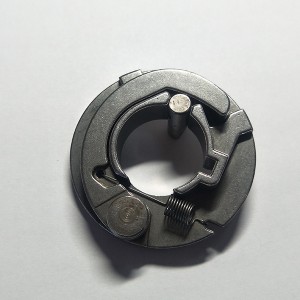
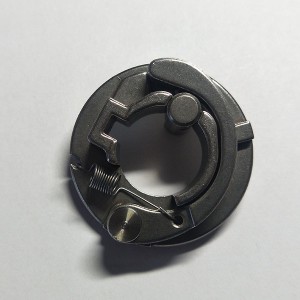
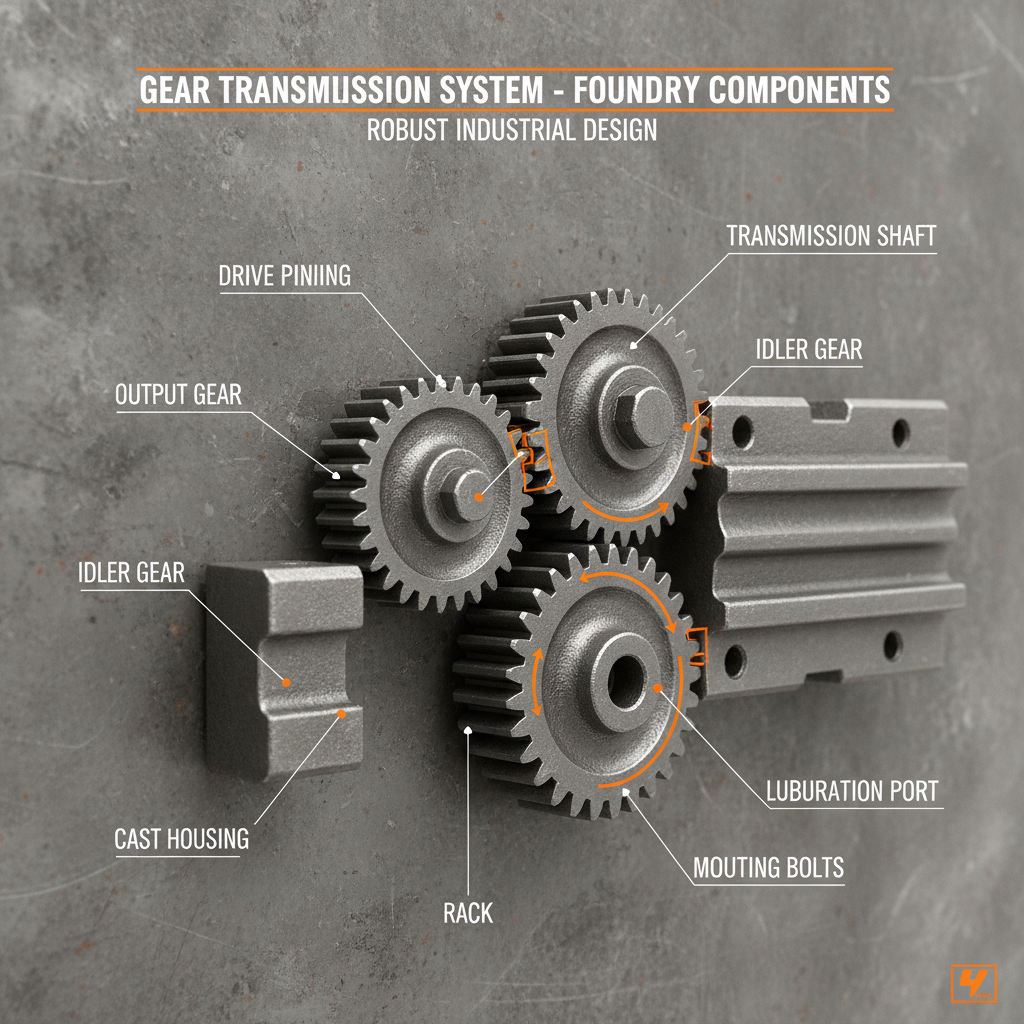
At its core, generator gear refers to the mechanical parts that connect an engine to an electrical generator, transmitting torque and controlling speed to produce electricity efficiently. Think of it as the “translator” that converts mechanical energy from fuel-driven engines (diesel, gas, or even biofuels) into stable electrical energy.
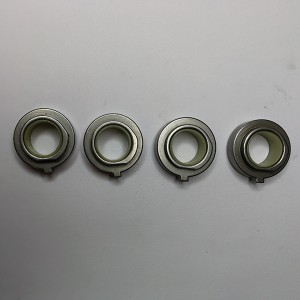
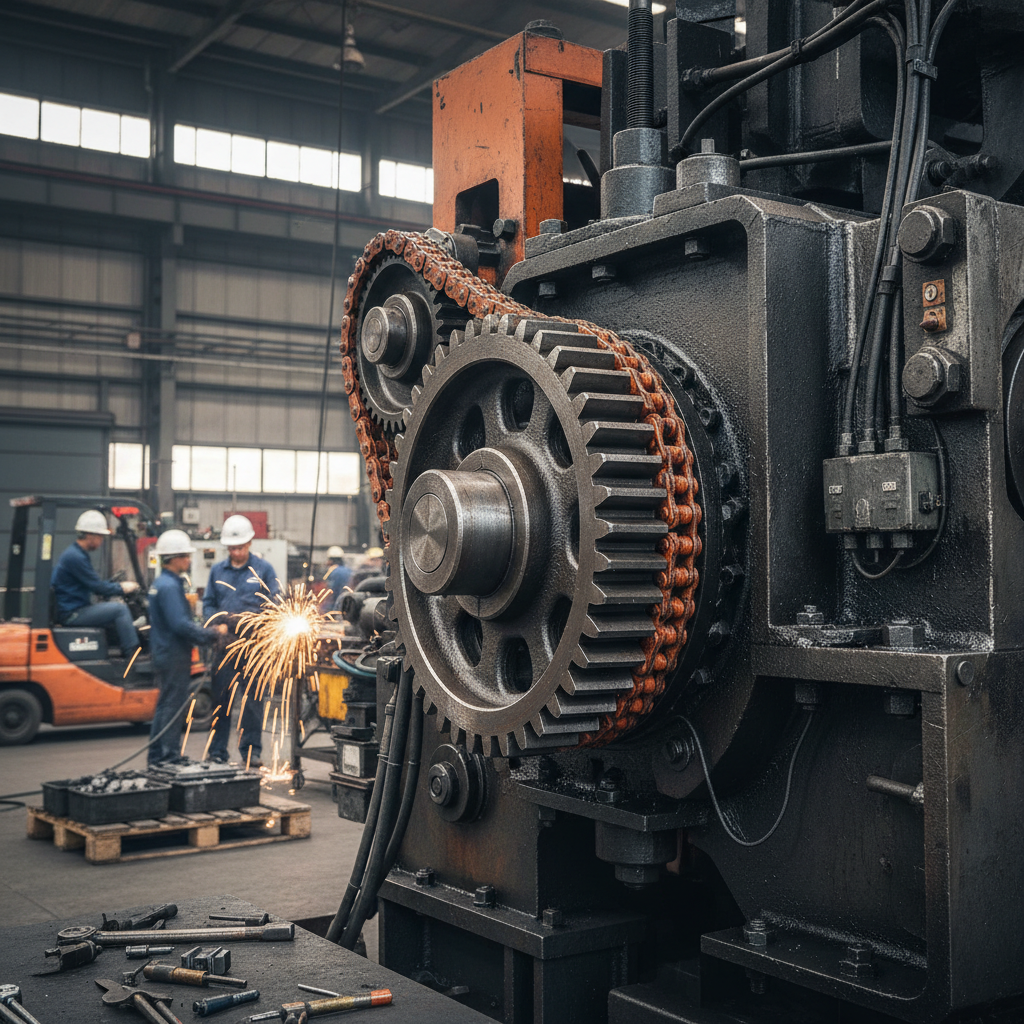
Common components include gearboxes, couplings, shafts, and bearings. Each piece has to withstand substantial stresses while maintaining precise alignment — because even minor misalignments can cause inefficiencies or wear.
In industries ranging from renewable energy to emergency response, generator gear ensures systems work seamlessly whether they’re in a power plant or on a relief operation truck.
Mini Takeaway:
- Generator gear connects engines to generators, managing power conversion.
- Durability and precision in components are critical for long-term operation.
- The gear’s role extends from heavy industry to mobile emergency generators.
Key Aspects of Generator Gear for Practical Performance
Durability: The Backbone of Reliability
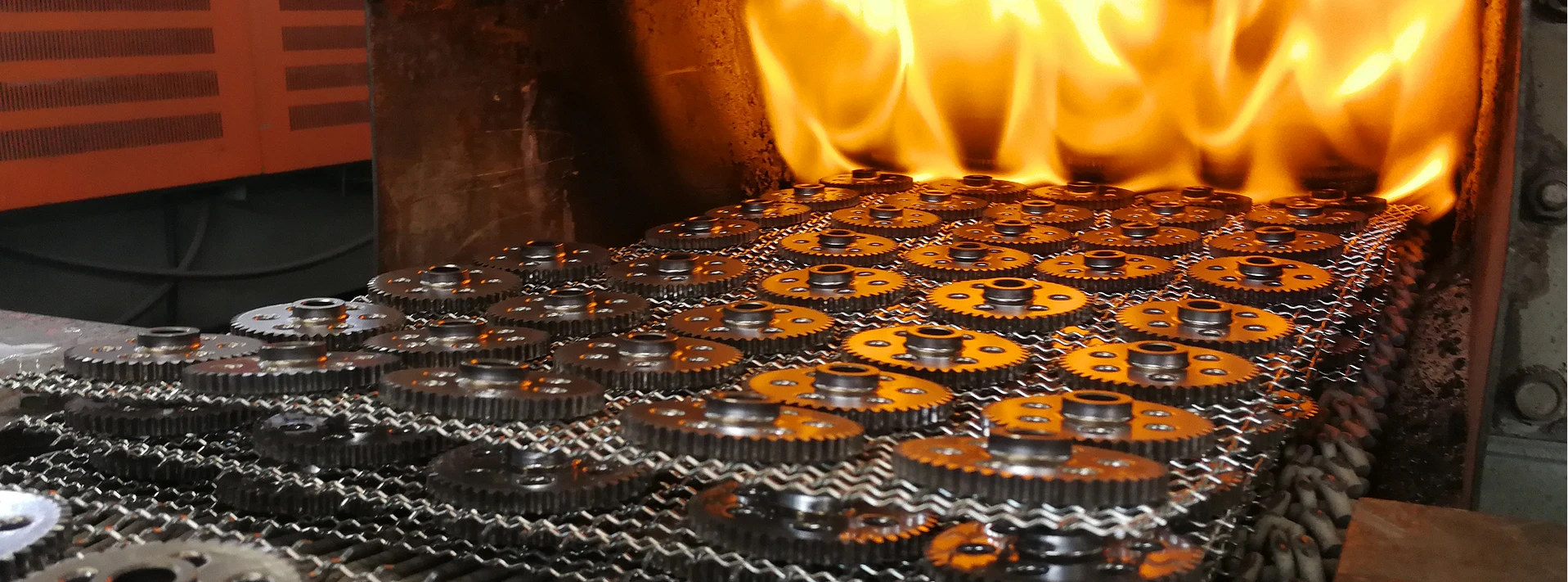
Generator gears must endure prolonged operational stress and environmental challenges like moisture, heat, and vibration. High-grade alloys and heat-treated steel parts help extend lifespan and reduce downtime for repairs. Many engineers say that the best gears feel almost effortless — smooth, predictable, and silent.
Scalability: From Small to Industrial Power Plants
Whether powering a small workshop or a 500MW plant, generator gear adjusts to size and load requirements. Manufacturers customize gear ratios and sizes to match specific applications, ensuring optimal performance without excess weight or bulk.
Cost Efficiency: Balancing Upfront and Lifecycle Costs
Raw materials, machining complexity, and maintenance accessibility directly impact pricing. Smart design choices now focus on modularity so parts can be replaced individually instead of the whole assembly — saving money and time.
Precision Engineering: Reducing Losses and Enhancing Safety
Gear alignment and tooth design affect energy losses; finer precision means less heat and noise produced. Plus, safety mechanisms prevent failures from cascading into costly downtime or danger.
Adaptability: Meeting Diverse Market Demands
Generator gear often adapts to specific fuels, environmental conditions, and operating schedules. For example, deployments in remote mining sites require corrosion-resistant coatings and simpler maintenance routines than urban grid backups.
Mini Takeaway:
- Durability and precision prevent breakdowns and improve safety.
- Scalability and adaptability cater to varied energy needs worldwide.
- Cost efficiency drives innovation in modular, repair-friendly designs.
Real-World Applications of Generator Gear
Generator gear is everywhere, if often unnoticed:
- Disaster Relief Missions: In hurricane aftermaths or earthquake zones, portable generators with reliable gear ensure hospitals, water treatment plants, and shelters can function amid outages.
- Remote Industrial Zones: Mining and oil extraction often rely on generator sets where grid power never arrives, demanding sturdy and serviceable gear.
- Renewable Energy Integration: Wind turbines and biofuel generators use specialized gearboxes to optimize performance in fluctuant conditions.
- Military and Emergency Vehicles: Mobile command centers require compact generator gear capable of quick startups and high reliability.
Take a look at generator gear offerings that cater to these diverse applications — from lightweight portable units to heavy-duty industrial assemblies.
Mini Takeaway:
- Generator gear is crucial in power continuity where it matters most.
- Diverse sectors from humanitarian aid to renewable projects rely on tailored solutions.
Advantages and Long-Term Value of Investment in Quality Generator Gear
Investing in well-engineered generator gear pays off both financially and socially:
- Cost Savings Over Time: Reduced maintenance frequency, longer lifespan, and energy efficiency lower operational budgets.
- Environmental Impact: Efficient gear reduces fuel consumption and emissions, an important consideration in climate-sensitive projects.
- Reliability: Minimizes power interruptions, protecting sensitive equipment and ensuring safety.
- Community Well-being: Consistent electricity supports healthcare, education, and economic growth, preserving dignity and trust.
Emotionally, when a hospital’s lights stay on amidst a flood or a village gets power for the first time, that’s the real value of these components — steady hope delivered in metal and oil.
Mini Takeaway:
- Quality generator gear is an investment with tangible and intangible returns.
- It supports sustainability goals while enhancing operational resilience.
Future Trends and Innovations in Generator Gear
The field is buzzing with interesting developments:
- Advanced Materials: Composites and ceramics adding lightweight strength and corrosion resistance.
- Automation and IoT: Sensors monitoring gear wear in real-time for predictive maintenance.
- Green Energy Integration: Gears optimized for hybrid systems involving solar, wind, and storage units.
- Modular Designs: Faster assembly and easier customization to meet evolving needs.
Manufacturers are also exploring policies aligned with ISO 50001 Energy Management standards to drive efficiency deeper into design and production.
Mini Takeaway:
- Innovation is steering generator gear towards smarter, greener, and more adaptable solutions.
Challenges and Practical Solutions in the Generator Gear Sector
Some hurdles remain:
- Supply Chain Disruptions: Rare metals or precision tools can bottleneck production.
- Harsh Operating Environments: Dust, humidity, and temperature extremes degrade parts faster than anticipated.
- Maintenance Access: Remote locations complicate quick repairs.
Addressing these, companies are:
- Using locally sourced materials where possible to reduce lead times.
- Designing sealed, rugged gearboxes with self-lubricating parts.
- Developing user-friendly service kits and digital manuals for onsite teams.
Mini Takeaway:
- Challenges are real but surmountable with smart engineering and logistics.
Quick FAQ: Common Questions About Generator Gear
- What is the typical lifespan of generator gear in industrial settings?
- With proper maintenance and quality materials, generator gear can last 15–25 years, though heavy-duty applications may require earlier overhauls depending on load and environment.
- Can generator gear be customized for different fuel types?
- Yes, gear design often accounts for engine characteristics related to fuel, ensuring optimal torque transfer and compatibility with diesel, gas, or alternative fuels.
- How does generator gear impact overall energy efficiency?
- Efficient gear reduces mechanical losses, minimizing fuel consumption and wear, which directly improves energy output and lowers operational costs.
- Are there portable generator gear options for emergency use?
- Absolutely. Many manufacturers offer compact, rugged generator gear units designed for fast deployment in disaster response or temporary power solutions.
- How is maintenance typically handled in remote areas?
- Remote maintenance relies on modular parts, remote diagnostics via IoT sensors, and training local operators with simplified repair kits.
Vendor and Product Comparison
| Feature | JSS Sintering | GearCo Industrial | PowerLink Systems |
|---|---|---|---|
| Material Quality | Hardened alloy steel | Standard steel with coatings | Advanced composites |
| Max Torque (Nm) | 18,000 | 15,500 | 16,800 |
| Typical Applications | Industrial & emergency power | Marine & commercial | Renewables & hybrid |
| Maintenance Frequency | 12 months | 9–10 months | 10–12 months |
| Price Range | $$$ | $$ | $$$ |
Typical Product Specification for a Mid-Range Generator Gear Unit
| Specification | Details |
|---|---|
| Material | Heat-treated alloy steel |
| Max Operating Torque | 18,000 Nm |
| Gear Ratio | 5:1 |
| Weight | 85 kg |
| Operating Temperature Range | -20°C to +75°C |
| Recommended Maintenance Interval | 12 months |
Conclusion: Why Investing in the Right Generator Gear Pays Off
Generator gear might not make headlines, but it’s a quiet giant keeping global power flowing. From remote villages making their first connection to national grids bolstering resilience, its reach is vast and vital. Investing in quality, adaptable, and innovative gear means safeguarding the reliability that modern life depends on.
So next time you hear about a generator set powering a hospital or industry or disaster relief camp — appreciate the intricate gearwork behind it all. And if you’re seeking dependable solutions, visit us at JSS Sintering to explore robust, tailor-made generator gear built for tomorrow’s challenges today.