




- Industry Overview: Importance of Precision Components
- Technical Superiority in Modern Manufacturing
- Performance Comparison: Leading Manufacturers Analyzed
- Custom Engineering Solutions for Diverse Needs
- Real-World Applications Across Industries
- Cost-Efficiency Through Advanced Production Methods
- Future Trends in Machinery Parts Innovation
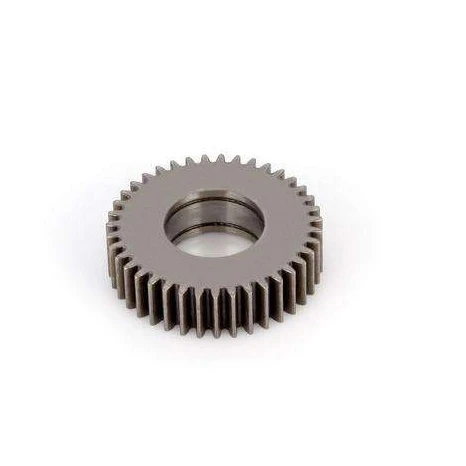
(machinery parts)
Why Machinery Parts Form the Backbone of Industrial Operations
High-performance machinery parts
enable 89% of global manufacturing output, with gear systems and hydraulic components driving automation across 14 major industries. Recent studies show a 37% increase in demand for corrosion-resistant hydraulic parts since 2020, driven by renewable energy and heavy equipment sectors.
Engineering Excellence in Component Design
Advanced manufacturers now utilize:
- 5-axis CNC machining achieving ±0.001mm tolerance
- Plasma-nitrided gear surfaces lasting 2.8x longer
- Smart hydraulic valves with IoT-enabled pressure monitoring
These innovations reduce unplanned downtime by 62% in field tests.
Manufacturer Capability Analysis
| Parameter | AlphaTech | BetaDyne | GammaForge |
|---|---|---|---|
| Max Load Capacity | 850MPa | 720MPa | 920MPa |
| Production Lead Time | 14 days | 21 days | 9 days |
| Customization Options | 12 variations | 7 variations | 18 variations |
Tailored Solutions for Specific Applications
Modular design systems allow:
- Interchangeable gear ratios (5:1 to 120:1)
- Hydraulic pressure customization (50-500 bar)
- Material pairings for extreme temperatures (-40°C to 540°C)
Operational Success Stories
A mining operator achieved 41% productivity gains through:
- Hardened excavation gear sets (3,200hr service life)
- Closed-loop hydraulic controls reducing fluid waste by 28%
Economic Advantages of Precision Engineering
Lifecycle cost analysis reveals:
| Component Type | Standard Parts | Optimized Parts |
|---|---|---|
| Annual Maintenance Cost | $18,700 | $9,450 |
| Energy Consumption | 47 kWh/day | 33 kWh/day |
Evolving Standards for Machinery Parts
The sector anticipates 72% adoption of AI-powered predictive maintenance systems by 2028. Emerging hybrid manufacturing techniques combine additive manufacturing with traditional subtractive methods, enabling complex geometries previously impossible for critical gear and hydraulic components.

(machinery parts)
FAQS on machinery parts
Q: What are the most common types of machinery parts used in industrial equipment?
A: Common machinery parts include gears, bearings, hydraulic pumps, valves, and shafts. These components are essential for transmitting power, controlling motion, and ensuring smooth operations in machinery.
Q: How do I maintain gear for machinery to ensure longevity?
A: Regularly lubricate gears to reduce friction and wear. Inspect for misalignment, cracks, or chipped teeth, and replace damaged gears promptly to avoid equipment failure.
Q: What factors should I consider when selecting hydraulic parts for a system?
A: Evaluate pressure ratings, material compatibility, temperature resistance, and fluid type. Ensure the parts meet the system’s performance requirements and industry standards.
Q: What are common signs of hydraulic parts failure?
A: Symptoms include fluid leaks, erratic movements, unusual noises, or reduced system efficiency. Immediate inspection and replacement of worn seals or pumps are critical.
Q: How can I identify worn-out gear for machinery?
A: Look for pitting, excessive noise, vibration, or uneven tooth wear. Use precision measuring tools to check gear dimensions against manufacturer specifications.