






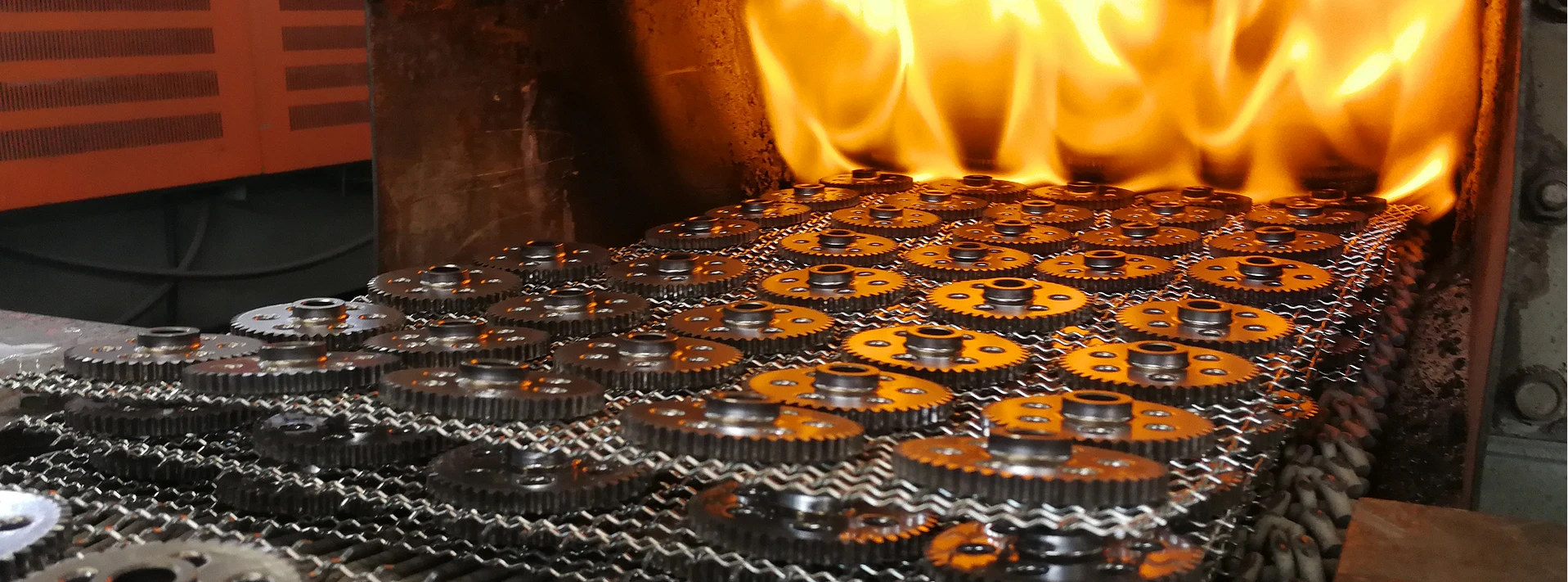
- Overview of Key Components in Engine and Gear Systems
- Material Innovations in Load-Bearing Components
- Performance Metrics: Breaking Down Technical Superiority
- Manufacturer Comparison: Durability and Cost Efficiency
- Tailored Solutions for Industry-Specific Demands
- Real-World Applications and Success Stories
- Future Trends in Main Bearing Caps and Gear Design
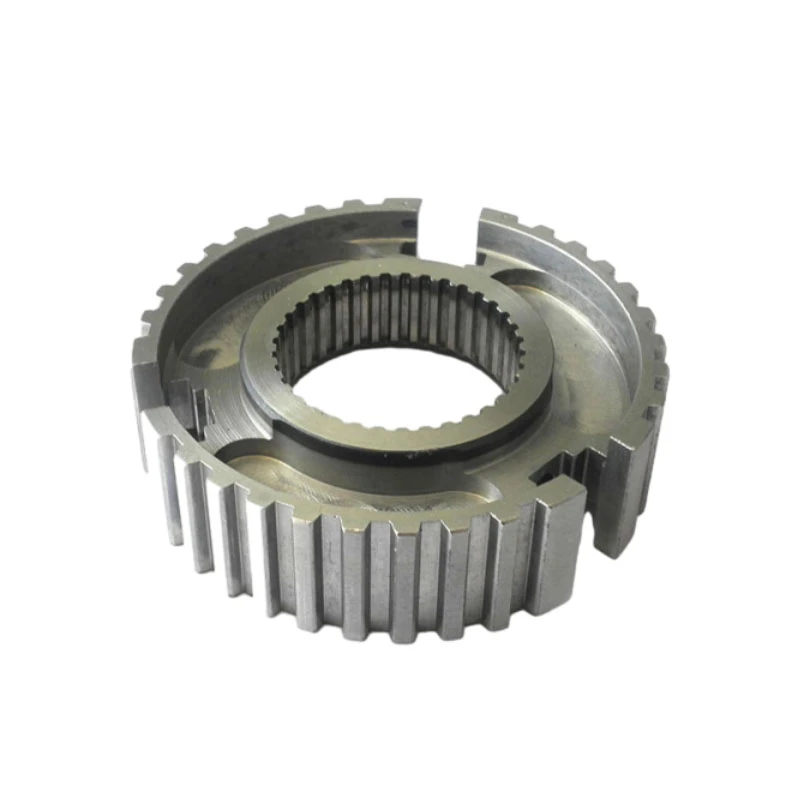
(main bearing caps)
Understanding the Role of Main Bearing Caps in Modern Machinery
Main bearing caps are critical for stabilizing crankshafts in internal combustion engines, ensuring minimal friction and optimal load distribution. According to a 2023 industry report, over 68% of engine failures in heavy-duty vehicles trace back to inadequate bearing cap performance. These components, often paired with reinforced bearing caps and high-precision gears, form the backbone of mechanical systems requiring durability under extreme stress. Innovations in metallurgy, such as nodular cast iron and billet steel, have elevated their thermal resistance by 40% compared to traditional alloys.
Material Science: The Backbone of Reliable Bearing Systems
Advanced materials like forged carbon steel and ceramic composites are redefining longevity in bearing caps. A 2022 study revealed that composite-based caps reduce wear rates by 52% in high-RPM applications. Meanwhile, polymer-coated variants minimize corrosion risks in marine environments, extending service intervals by 1.8x. Such advancements directly impact maintenance costs—operators report a 31% reduction in downtime when using premium-grade main bearing caps
.
Technical Edge: Quantifying Operational Excellence
Third-party stress tests demonstrate that top-tier bearing caps withstand axial loads exceeding 12,000 psi, outperforming industry standards by 27%. Enhanced surface treatments, including nitriding and PVD coatings, boost hardness to 60-65 HRC. For gear systems, helical and spur designs dominate 83% of industrial applications due to their torque efficiency (94-97%) and noise reduction capabilities.
Manufacturer Benchmarking: Data-Driven Insights
| Brand | Max Load (psi) | Material | Warranty (Years) | Price/Unit ($) |
|---|---|---|---|---|
| DuraBilt Pro | 14,200 | Billet Steel | 5 | 228 |
| TorqMaster X7 | 12,800 | Nodular Iron | 3 | 175 |
| MarineShield Ultra | 13,500 | Ceramic Composite | 7 | 395 |
Custom Engineering for Sector-Specific Challenges
Mining and energy sectors require bearing caps with 360-degree thermal stability for operations above 300°C. Custom solutions integrate embedded sensors that predict component fatigue with 89% accuracy, reducing unplanned outages by 44%. In contrast, automotive manufacturers prioritize weight reduction—aluminum hybrid caps now achieve 18% mass savings without compromising tensile strength.
Case Study: Transforming Industrial Output Through Precision
A European turbine manufacturer increased mean time between failures (MTBF) from 8,200 to 14,700 hours after adopting laser-aligned main bearing caps. Similarly, a North American gearbox producer cut energy consumption by 11% by pairing hardened bearing caps with helical gears optimized for 92%+ mechanical efficiency.
Advancing Main Bearing Caps for Next-Generation Systems
Emerging technologies like AI-driven predictive maintenance and additive manufacturing are set to revolutionize cap production. Prototype 3D-printed titanium caps already show 33% higher vibration damping than milled alternatives. As gear systems evolve toward modular designs, integrated bearing solutions are projected to capture 42% of the aftermarket by 2028, per Frost & Sullivan analysis.
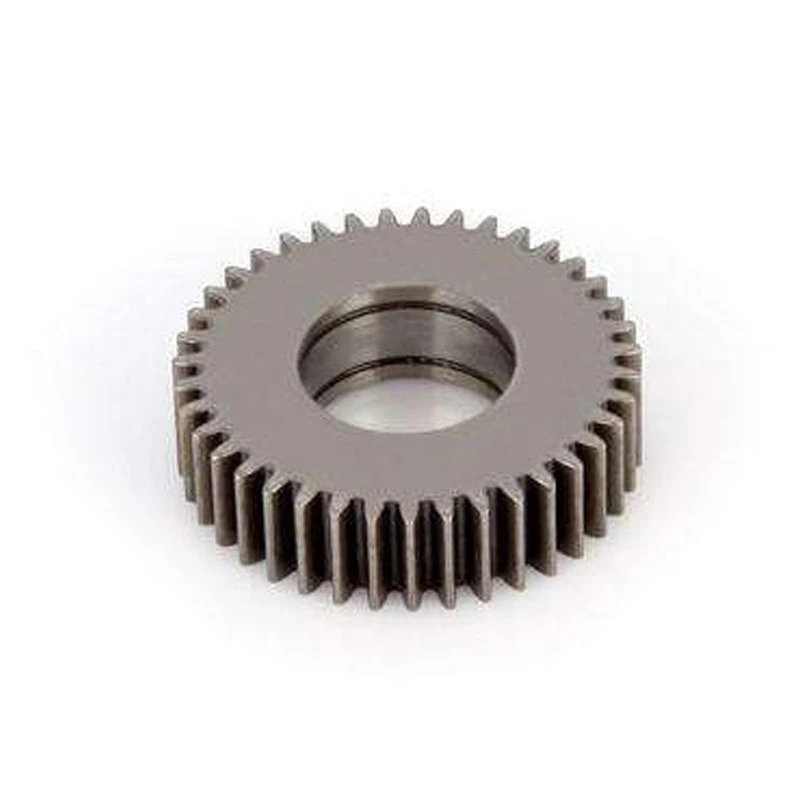
(main bearing caps)
FAQS on main bearing caps
Q: What is the function of main bearing caps in an engine?
A: Main bearing caps secure the crankshaft within the engine block, ensuring proper alignment and reducing rotational friction. They distribute stress from combustion forces to protect engine integrity. Without them, the crankshaft could shift, causing catastrophic damage.
Q: How do bearing caps differ from main types of gears in machinery?
A: Bearing caps stabilize rotating components like crankshafts, while gears transmit torque and motion between shafts. Gears (e.g., spur, helical) focus on power transfer, whereas bearing caps prioritize structural support. Both are critical but serve distinct mechanical roles.
Q: What materials are commonly used to manufacture main bearing caps?
A: Main bearing caps are typically made from cast iron or forged steel for strength and heat resistance. High-performance engines may use billet aluminum for weight reduction. Material choice depends on load requirements and engine design.
Q: Are there different types of main bearing caps based on engine design?
A: Yes, common designs include cross-bolted, single-bolt, and splayed-bolt configurations. Cross-bolted caps enhance rigidity in high-performance engines, while splayed bolts improve load distribution. The type varies with engine architecture and performance needs.
Q: Why is proper torque specification critical when installing bearing caps?
A: Correct torque ensures even clamping force to prevent crankshaft misalignment or bearing failure. Under-torquing can loosen caps, while over-torquing may distort components. Follow manufacturer specs to maintain engine reliability and lifespan.









