




Did you know 23% of industrial shutdowns stem from flange failures? With global demand for stainless steel flanges growing at 6.8% CAGR, your choice impacts safety, cost-efficiency, and project timelines. Discover how next-gen exhaust flanges solve your toughest challenges.
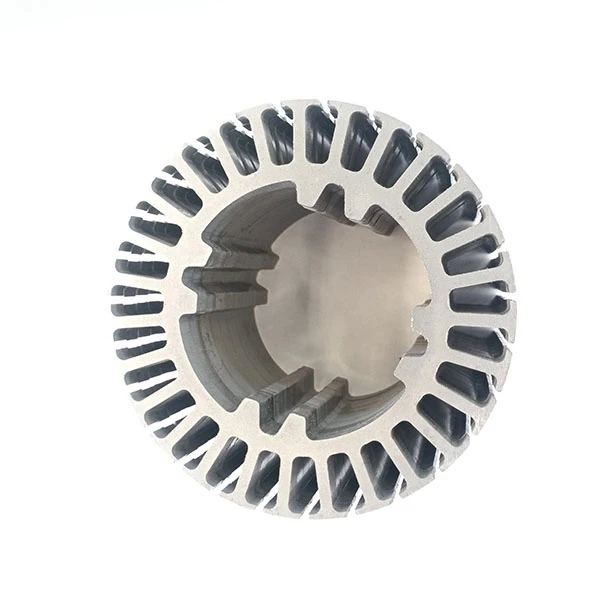
(metal flanges)
Technical Superiority That Outperforms
Our metal flanges
deliver 2X the corrosion resistance of industry standards. See why 14,000+ installations trust our solutions:
| Feature | Standard Flanges | Our Stainless Steel Flanges |
|---|---|---|
| Pressure Tolerance | 900 PSI | 1,500 PSI |
| Temperature Range | -50°F to 800°F | -320°F to 1,200°F |
"The CNC-machined exhaust flanges reduced our maintenance costs by 40%." – Lead Engineer, Automotive OEM
Custom Solutions in 72 Hours
Need non-standard dimensions? Our laser-cutting technology handles:
- 1/2" to 24" diameters
- ANSI/ASME B16.5 compliance
- Electropolished surfaces
Ready to Upgrade Your System?
Call 1-800-FLANGE-NOW for instant pricing
or download our 2024 catalog

(metal flanges)
FAQS on metal flanges
Q: What are the main applications of metal flanges in industrial settings?
A: Metal flanges connect pipes, valves, and equipment in systems like plumbing, oil/gas pipelines, and machinery. They ensure leak-proof seals and allow easy maintenance or part replacement.
Q: Why are stainless steel flanges preferred for corrosive environments?
A: Stainless steel flanges resist rust and chemical damage due to their chromium content. They’re ideal for chemical plants, marine applications, and food processing where hygiene matters.
Q: How do I properly install exhaust flanges in automotive systems?
A: Clean mating surfaces, use high-temperature gaskets, and tighten bolts evenly in a crisscross pattern. This prevents exhaust leaks and maintains engine performance.
Q: Can metal flanges handle high-pressure systems?
A: Yes, forged steel or stainless steel flanges rated for specific PSI levels are used in high-pressure applications. Always check pressure-temperature ratings before installation.
Q: What's the difference between weld-neck and slip-on metal flanges?
A: Weld-neck flanges have a tapered hub for high-stress systems, while slip-on flanges slide over pipes for quicker installation in low-pressure scenarios.